
Comprehensive Guide to Colestipol: Mechanism, Clinical Usage, and Safety
Colestipol is a bile acid sequestrant, a class of lipid-lowering medications that has played a foundational role in the management of hypercholesterolemia. While newer classes of drugs such as statins and PCSK9 inhibitors have gained prominence, Colestipol remains a vital therapeutic tool for patients who require additional LDL-cholesterol reduction or who cannot tolerate systemic lipid-lowering therapies.
Understanding Colestipol: Mechanism of Action
To comprehend how Colestipol functions, one must understand the enterohepatic circulation of bile acids. Bile acids are synthesized in the liver from cholesterol and are secreted into the intestine to aid in the digestion and absorption of fats. Under normal physiological conditions, approximately 95% of these bile acids are reabsorbed in the terminal ileum and returned to the liver.
The Sequestration Process
Colestipol is a high-molecular-weight, insoluble copolymer of diethylenetriamine and 1-chloro-2,3-epoxypropane. Because it is not absorbed from the gastrointestinal (GI) tract, it remains in the lumen where it acts as an ion-exchange resin.
- Binding: Colestipol binds to bile acids in the intestine, forming an insoluble complex.
- Excretion: This complex is excreted in the feces, effectively removing bile acids from the body.
- Hepatic Response: The liver detects a decrease in the bile acid pool. To replenish this pool, the liver increases the conversion of cholesterol into bile acids.
- LDL Reduction: This process requires the upregulation of hepatic LDL receptors. Consequently, the liver extracts more LDL cholesterol from the bloodstream, leading to a significant decrease in serum LDL levels.
Pharmacokinetics and Administration
Colestipol is unique because it is not systemically absorbed. Its pharmacokinetics are primarily governed by its transit through the GI tract.
- Absorption: Negligible. It is excreted entirely in the feces.
- Metabolism: None.
- Excretion: Fecal excretion of the resin-bile acid complex.
Administration Guidelines
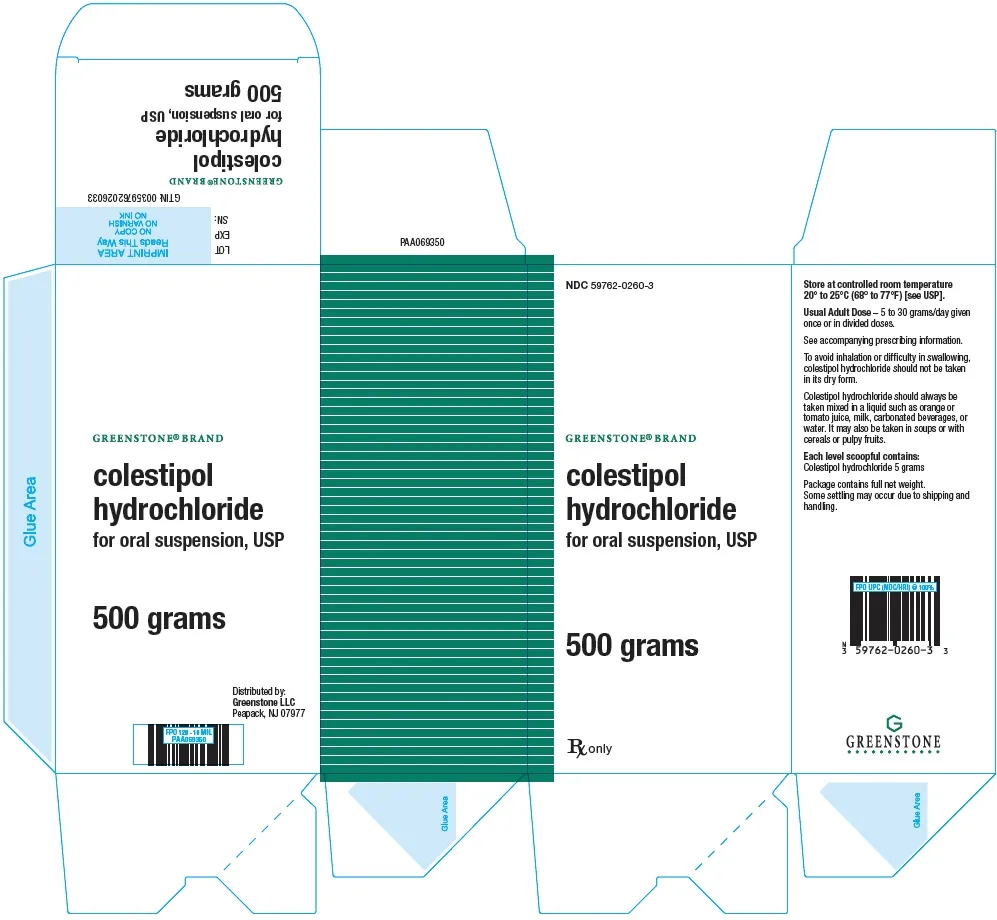
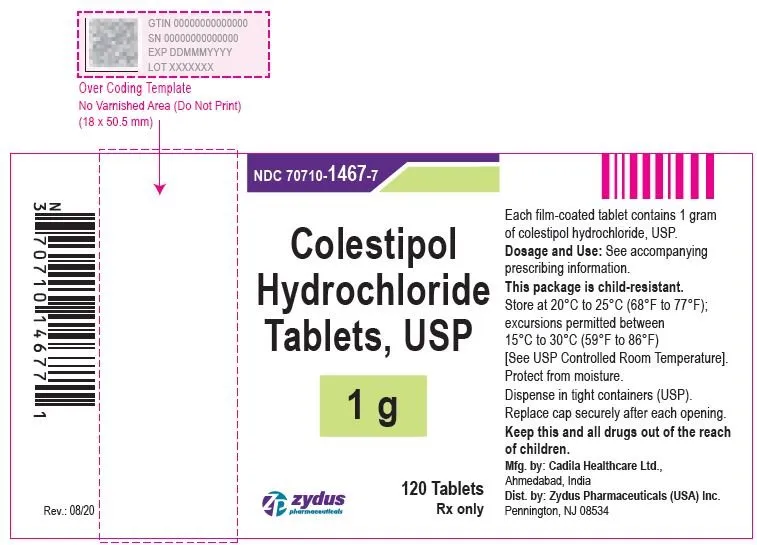
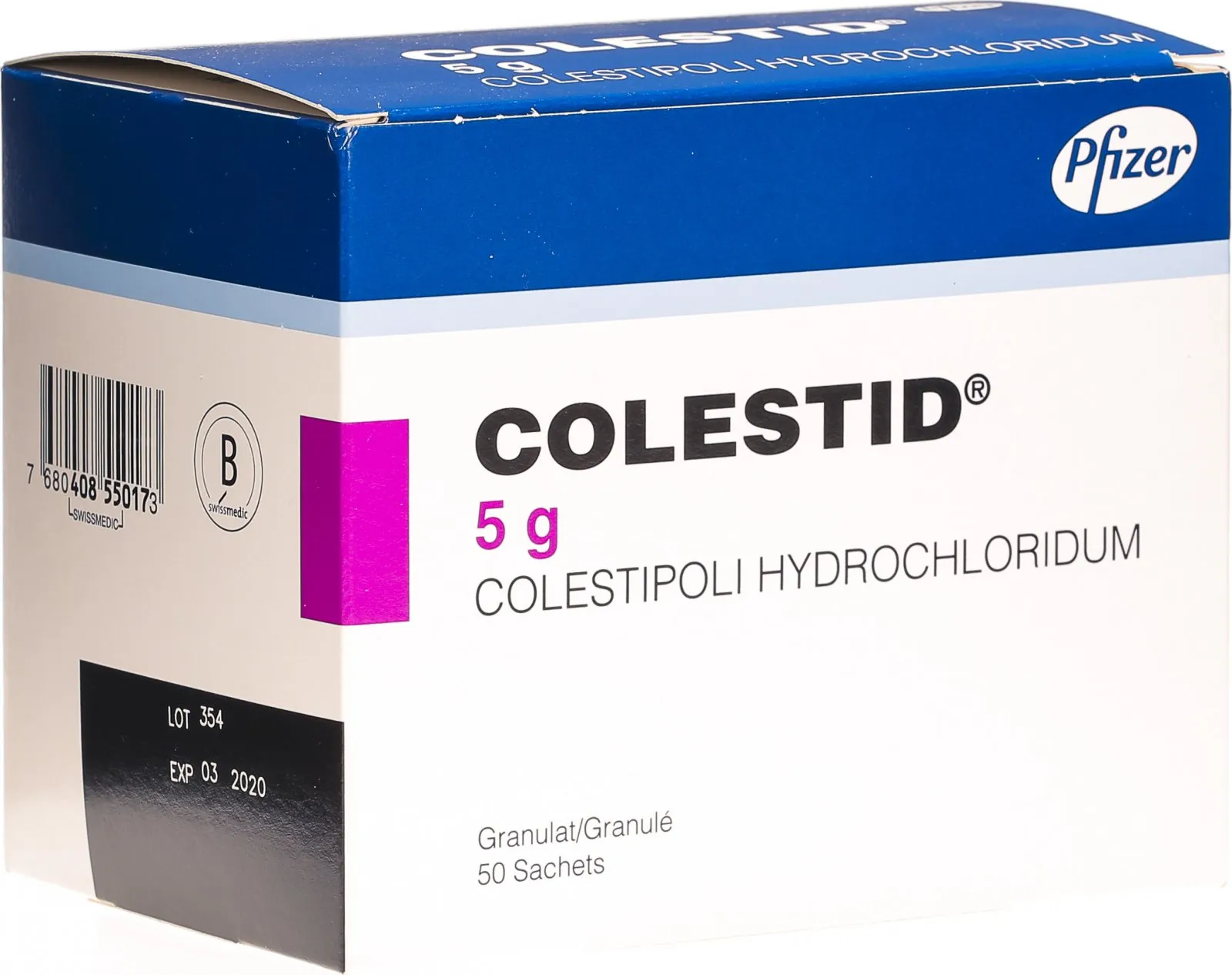
Colestipol is typically available as a powder for oral suspension or as tablets. It is imperative that patients do not take the powder in its dry form; it must be mixed with water, juice, or other fluids to prevent esophageal irritation or obstruction.
Clinical Indications and Usage
Colestipol is primarily indicated as an adjunct to diet and exercise in the management of primary hypercholesterolemia (elevated LDL cholesterol).
| Indication | Clinical Context |
|---|---|
| Primary Hypercholesterolemia | Adjunct to diet to reduce elevated serum total and LDL cholesterol. |
| Pruritus (Off-label) | Relief of pruritus associated with partial biliary obstruction. |
| Bile Acid Malabsorption | Managing diarrhea caused by excess bile acids in the colon. |
Dosage Guidelines
Dosage must be individualized based on the patient's lipid profile and tolerance.
- Starting Dose: 5 grams once or twice daily.
- Maintenance: 5 to 30 grams daily, administered in divided doses.
- Titration: Increase the dose at intervals of 1 to 2 months to minimize GI side effects.
Risks, Side Effects, and Contraindications
Because Colestipol is not absorbed, systemic toxicity is rare. However, the local GI effects can be significant.
Common Side Effects
- Gastrointestinal: Constipation is the most frequent complaint. Other issues include bloating, abdominal pain, nausea, vomiting, and flatulence.
- Nutritional Deficiencies: Long-term use may interfere with the absorption of fat-soluble vitamins (A, D, E, and K) and folic acid.
Contraindications
- Complete Biliary Obstruction: Colestipol is contraindicated in patients with complete biliary obstruction where bile is not secreted into the intestine.
- Hypersensitivity: Known hypersensitivity to bile acid sequestrants.
- Hypertriglyceridemia: Patients with severe hypertriglyceridemia should use caution, as bile acid sequestrants can paradoxically increase triglyceride levels.
Drug Interactions
The mechanism of Colestipol—binding to substances in the gut—means it can bind to other medications, thereby reducing their absorption.
Crucial Timing Rule: To avoid drug-drug interactions, all other medications should be taken at least one hour before or four hours after the administration of Colestipol.
Medications frequently affected:
* Thiazide diuretics
* Digoxin
* Warfarin
* Thyroid hormones
* Fat-soluble vitamins
Pregnancy and Lactation
- Pregnancy: Colestipol is not systemically absorbed; therefore, it is generally considered to have low risk for fetal harm. However, it may interfere with the absorption of essential vitamins and nutrients, which are critical during pregnancy. Use only when clearly needed.
- Lactation: Because it is not absorbed into the mother’s bloodstream, it is unlikely to be present in breast milk. Caution is advised regarding potential maternal nutrient depletion.
Overdose Management
Due to the lack of systemic absorption, an overdose of Colestipol is unlikely to lead to systemic toxicity. The primary concern in an overdose scenario is the potential for gastrointestinal obstruction. Management should focus on:
1. Symptomatic Support: Monitoring for signs of intestinal blockage.
2. Hydration: Ensuring adequate fluid intake to prevent impaction.
3. Medical Evaluation: If the patient experiences severe abdominal pain or complete cessation of bowel movements, clinical intervention is required.
Frequently Asked Questions (FAQ)
1. Does Colestipol help with weight loss?
No. Colestipol is a cholesterol-lowering medication, not a weight-loss drug. While it affects fat absorption, it is not approved or effective for obesity management.
2. Can I take Colestipol with my other medications?
You must space out your dosing. Take other medications 1 hour before or 4 hours after Colestipol to ensure they are absorbed properly.
3. Why does Colestipol cause constipation?
As a resin, Colestipol absorbs water in the gut and adds bulk to the stool, which can lead to constipation. Increasing fluid and fiber intake often helps.
4. Is Colestipol safe for long-term use?
Yes, it is indicated for long-term management of high cholesterol. However, your doctor should monitor your fat-soluble vitamin levels periodically.
5. What should I do if I miss a dose?
Take the missed dose as soon as you remember. If it is almost time for your next dose, skip the missed dose and resume your regular schedule. Do not double the dose.
6. Does Colestipol affect triglyceride levels?
Yes. In some patients, especially those with pre-existing high triglycerides, Colestipol can cause a further increase in serum triglycerides.
7. Can Colestipol be used in children?
It is used in pediatric patients, but only under the strict supervision of a specialist, often for familial hypercholesterolemia.
8. How long does it take for Colestipol to work?
You may see changes in your cholesterol levels within 1 to 2 weeks, but full therapeutic effects usually take about a month.
9. Can I mix Colestipol with carbonated beverages?
It is possible, but be aware that it may cause significant foaming, which can make the mixture difficult to consume. Still water or juice is preferred.
10. Does Colestipol treat diarrhea?
Yes, it is sometimes used off-label to treat chronic diarrhea caused by bile acid malabsorption, as it binds the excess bile acids that irritate the colon.
Conclusion
Colestipol remains a robust and reliable pharmacological intervention for cholesterol management. Its unique profile as a non-absorbed resin allows it to bypass systemic side effects, making it a preferred option for specific patient populations. By adhering to strict dosing schedules and maintaining proper hydration, patients can effectively leverage Colestipol to reach their lipid-target goals. Always consult with your healthcare provider to determine if Colestipol is the right addition to your cardiovascular health regimen.