
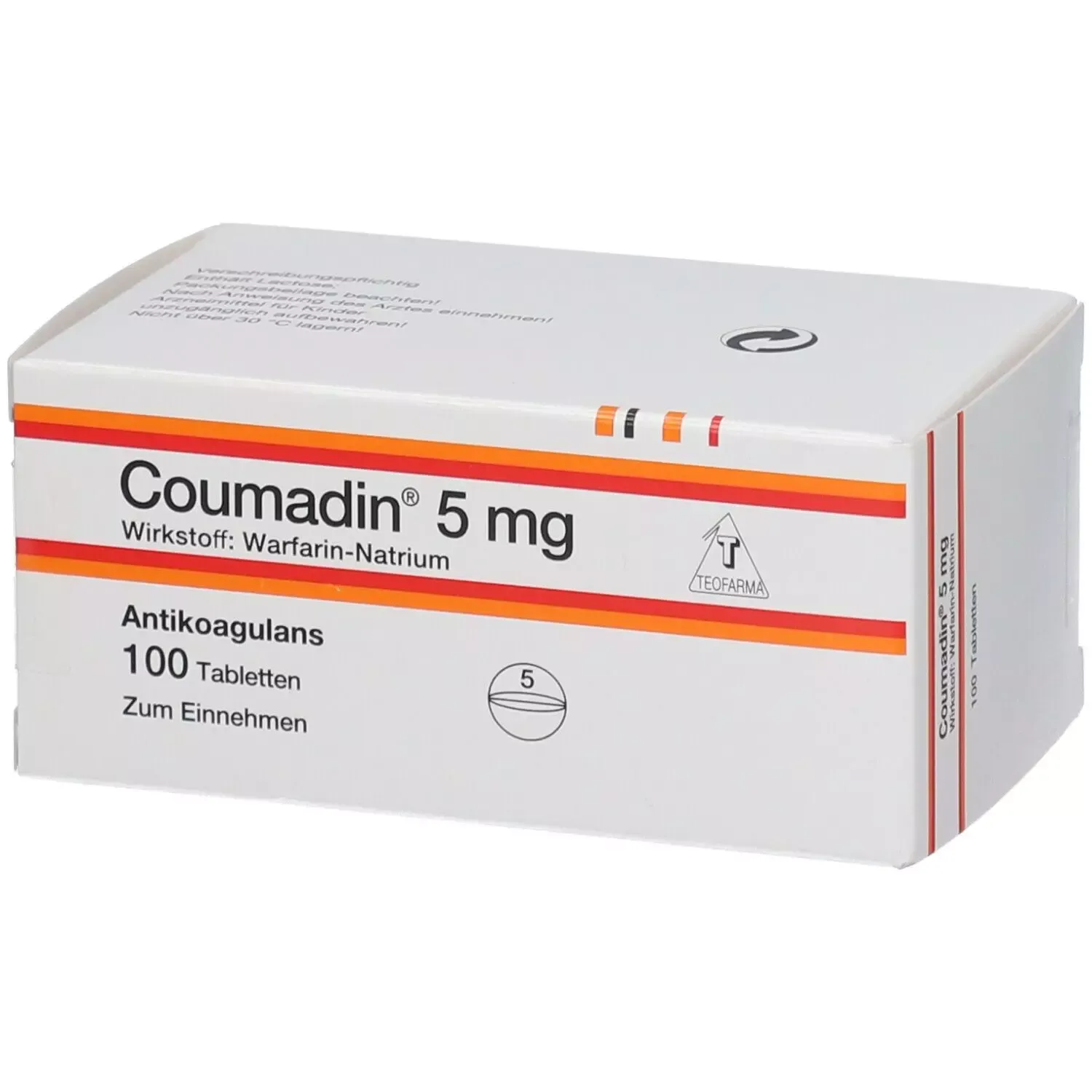
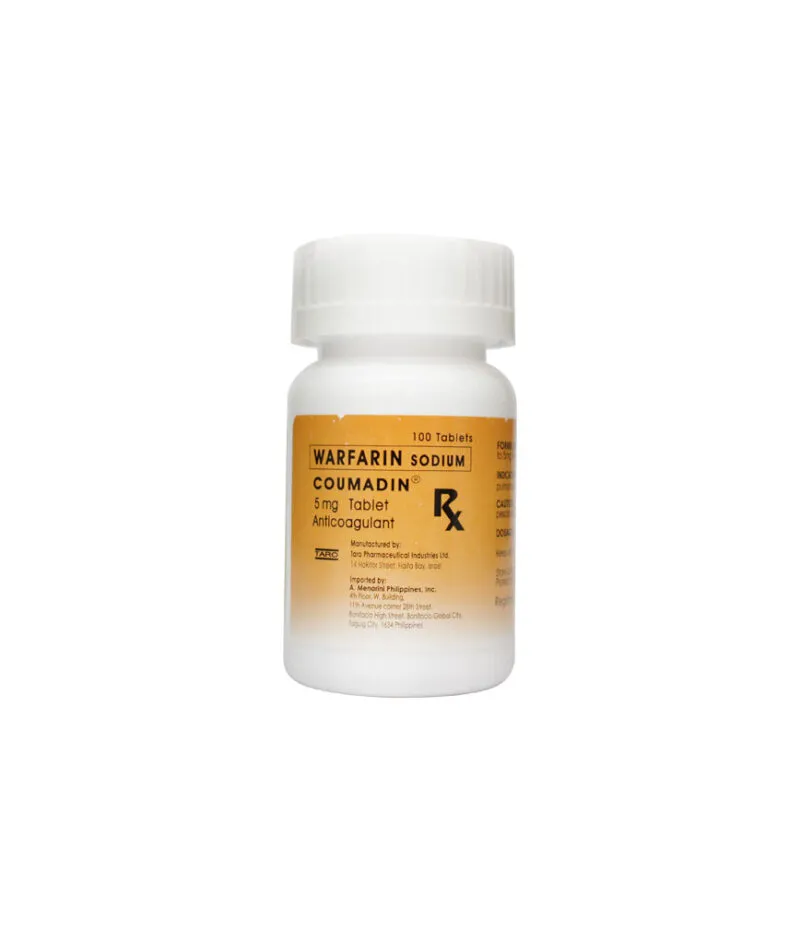
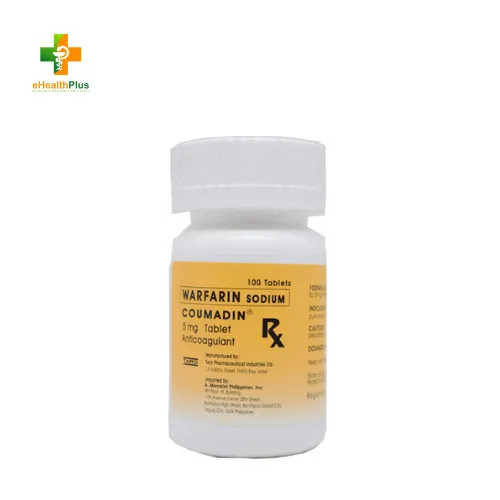

Comprehensive Introduction to Coumadin (Warfarin)
Coumadin, the brand name for the anticoagulant medication warfarin, stands as one of the most widely prescribed and clinically significant blood thinners in modern medicine. Classified as a vitamin K antagonist (VKA), Coumadin is primarily utilized to prevent the formation of blood clots (thrombosis) and to reduce the risk of life-threatening events such as strokes, myocardial infarction, and pulmonary embolisms.
In the orthopedic and cardiovascular fields, Coumadin remains a cornerstone of postoperative care, particularly following joint replacement surgeries or in patients diagnosed with chronic atrial fibrillation. Because Coumadin has a narrow therapeutic index—meaning the difference between an effective dose and a toxic dose is slim—it requires diligent monitoring through International Normalized Ratio (INR) testing.
Deep-Dive: Mechanism of Action and Pharmacokinetics
Mechanism of Action
Coumadin functions by inhibiting the enzyme vitamin K epoxide reductase (VKORC1). Under normal physiological conditions, vitamin K is a vital cofactor required for the hepatic synthesis of blood clotting factors II, VII, IX, and X, as well as proteins C and S. By antagonizing vitamin K, Coumadin prevents the gamma-carboxylation of these factors, effectively rendering them biologically inactive. This results in a reduction of the blood's clotting ability, preventing the propagation of existing clots and the formation of new ones.
Pharmacokinetics
Understanding the kinetic profile of Coumadin is essential for clinicians managing patient transition periods:
| Parameter | Clinical Characteristic |
|---|---|
| Bioavailability | Nearly 100% (rapidly absorbed) |
| Protein Binding | Highly bound to albumin (99%) |
| Metabolism | Hepatic (via CYP2C9, CYP3A4, CYP1A2 enzymes) |
| Half-life | Approximately 36–42 hours |
| Onset of Action | 24–72 hours (delayed due to degradation of existing factors) |
Because Coumadin does not affect factors already present in the bloodstream, the full anticoagulant effect is not immediate. Patients often require "bridging" with fast-acting anticoagulants like Heparin or Enoxaparin during the initiation phase.
Extensive Clinical Indications and Usage
Coumadin is indicated for the prophylaxis and treatment of venous thrombosis and its extension, and pulmonary embolism. It is also indicated for the prophylaxis and treatment of the thromboembolic complications associated with atrial fibrillation and/or cardiac valve replacement.
Primary Clinical Indications
- Deep Vein Thrombosis (DVT): Prevention and treatment of DVT to avoid post-thrombotic syndrome.
- Pulmonary Embolism (PE): Long-term management following acute stabilization.
- Atrial Fibrillation (AFib): Reducing the risk of systemic embolism and stroke.
- Mechanical Heart Valves: Essential lifelong therapy to prevent valve thrombosis.
- Post-Orthopedic Surgery: Prophylaxis in high-risk hip or knee replacement patients (though newer oral anticoagulants are increasingly used, Coumadin remains standard in specific populations).
Dosage Guidelines
Dosage is highly individualized and must be titrated based on the patient’s INR.
- Initial Dosing: Typically 2 mg to 5 mg per day for the first 2–4 days.
- Maintenance: Adjusted based on weekly or bi-weekly INR testing.
- Target INR:
- Standard (AFib, DVT, PE): 2.0 to 3.0.
- Mechanical Heart Valves: 2.5 to 3.5 (depending on valve location).
Risks, Side Effects, and Contraindications
Major Risks
The primary risk associated with Coumadin therapy is hemorrhage. Patients must be educated on signs of internal bleeding, including dark/tarry stools, hematuria (blood in urine), unexplained bruising, or severe headaches.
Contraindications
Coumadin should not be used in the following scenarios:
1. Pregnancy: Known to cause fetal warfarin syndrome (teratogenic effects).
2. Uncontrolled Hypertension: Increased risk of hemorrhagic stroke.
3. Active Bleeding: Including gastrointestinal, respiratory, or intracranial hemorrhage.
4. Recent Surgery of the CNS or Eye: High risk of localized bleeding.
5. Severe Hepatic or Renal Impairment.
Drug and Food Interactions
Coumadin is notoriously sensitive to interactions.
* Drugs that increase INR (risk of bleeding): Amiodarone, Fluconazole, Metronidazole, NSAIDs (Ibuprofen/Naproxen), and broad-spectrum antibiotics.
* Drugs that decrease INR (risk of clotting): Rifampin, Carbamazepine, and Vitamin K-rich supplements.
* Dietary Factors: Patients must maintain a consistent intake of Vitamin K-rich foods (e.g., spinach, kale, broccoli). Sudden increases in vitamin K intake can blunt the effect of the medication.
Overdose Management
An overdose of Coumadin is a medical emergency. If the INR is dangerously elevated or if active bleeding occurs, the following steps are generally taken:
1. Discontinuation: Stop the drug immediately.
2. Vitamin K1 (Phytonadione): Administered orally or intravenously to reverse the anticoagulation effect.
3. Prothrombin Complex Concentrate (PCC): Used in life-threatening bleeding to rapidly restore clotting factors.
4. Fresh Frozen Plasma (FFP): Used if PCC is unavailable.
Frequently Asked Questions (FAQ)
1. What should I do if I miss a dose of Coumadin?
Take the missed dose as soon as you remember on the same day. Do not take a double dose to make up for a missed one. If a full day has passed, contact your healthcare provider.
2. Why is INR testing so important?
Because Coumadin is sensitive to diet, other medications, and individual metabolism, the INR test measures how long it takes for your blood to clot. Keeping it in the "therapeutic range" ensures you are protected from clots without being at high risk for bleeding.
3. Can I drink alcohol while on Coumadin?
Moderate alcohol consumption is generally acceptable, but excessive intake can interfere with liver metabolism and significantly increase your INR, raising the risk of bleeding.
4. Are there foods I need to avoid?
You do not need to avoid Vitamin K, but you must be consistent. If you suddenly start eating large salads daily when you previously did not, your Coumadin dose will likely need adjustment.
5. Is Coumadin safe during pregnancy?
No. Coumadin crosses the placenta and can cause severe birth defects, particularly in the first trimester. Women of childbearing age should discuss alternative anticoagulation with their physician.
6. How does Coumadin interact with NSAIDs?
NSAIDs like ibuprofen, naproxen, or aspirin can irritate the stomach lining and inhibit platelet function, significantly increasing the risk of gastrointestinal bleeding when combined with Coumadin.
7. What are the warning signs of a dangerous clot?
Seek immediate medical attention if you experience sudden shortness of breath, chest pain, swelling in one leg, or signs of a stroke (slurred speech, drooping face, arm weakness).
8. What are the signs of internal bleeding?
Watch for red or dark brown urine, black or tarry stools, coughing up blood, or frequent, large, unexplained bruises.
9. How long does it take for Coumadin to leave my system?
Due to its long half-life, it can take 3 to 5 days for the anticoagulant effects to dissipate after the last dose is taken.
10. Can I play sports while on Coumadin?
High-impact or contact sports (like football or boxing) are generally discouraged due to the risk of internal bleeding following injury. Always consult your doctor before starting new physical activities.
Conclusion
Coumadin (Warfarin) remains a lifesaving medication for millions of patients at risk of thromboembolic events. Its effectiveness is deeply tied to patient compliance, consistent monitoring, and an understanding of the factors that influence its activity. By working closely with your healthcare team and maintaining a stable lifestyle, you can safely manage your condition and significantly reduce your risk of stroke and thrombosis.
Disclaimer: This guide is for educational purposes only and does not constitute medical advice. Always consult your primary care physician or cardiologist regarding your specific medication regimen.