

Comprehensive Guide to Cyclosporine: Clinical Overview
Cyclosporine (also known as ciclosporin) is a potent immunosuppressive agent that revolutionized the field of organ transplantation and the management of severe autoimmune disorders. Since its discovery in the 1970s, it has become a cornerstone therapy for preventing graft rejection and treating conditions where the immune system is overactive. This guide provides an in-depth look at its pharmacological profile, clinical utility, and safety considerations.
Mechanism of Action: How Cyclosporine Works
Cyclosporine belongs to the class of drugs known as calcineurin inhibitors (CNIs). Its primary mechanism is the inhibition of T-lymphocyte activation, which is the central driver of the adaptive immune response.
The Molecular Pathway
- Cellular Entry: Cyclosporine enters the T-cell and binds to a cytoplasmic protein called cyclophilin.
- Complex Formation: The cyclosporine-cyclophilin complex binds to calcineurin, a calcium- and calmodulin-dependent serine-threonine phosphatase.
- Inhibition: By inhibiting calcineurin, the drug prevents the dephosphorylation of the nuclear factor of activated T-cells (NFAT).
- Gene Suppression: NFAT is required for the transcription of several cytokine genes, most notably Interleukin-2 (IL-2). By blocking IL-2 production, cyclosporine effectively halts the proliferation of T-cells, preventing the immune cascade that leads to tissue rejection or autoimmune damage.
Pharmacokinetics
Understanding the pharmacokinetics of cyclosporine is critical due to its narrow therapeutic index and significant inter-patient variability.
| Parameter | Description |
|---|---|
| Absorption | Variable; oral bioavailability ranges from 20% to 50%. Modified formulations (Neoral) show improved consistency. |
| Distribution | Highly bound to erythrocytes (approx. 50%) and plasma proteins (approx. 30-40%). |
| Metabolism | Primarily hepatic via the Cytochrome P450 3A4 (CYP3A4) enzyme system. |
| Excretion | Primarily biliary (fecal), with less than 10% excreted in the urine. |
| Half-life | Variable, typically ranging from 6 to 19 hours in healthy subjects. |
Clinical Indications and Usage
Cyclosporine is indicated for a wide range of conditions, primarily involving the suppression of the immune system to protect donor organs or manage chronic inflammation.
1. Organ Transplantation
Cyclosporine is used to prevent rejection in:
* Kidney transplants
* Heart transplants
* Liver transplants
2. Autoimmune and Inflammatory Disorders
In dermatology and rheumatology, it is utilized when conventional therapies fail:
* Severe Psoriasis: For patients who have not responded to other systemic treatments.
* Severe Rheumatoid Arthritis: Specifically in cases of active disease unresponsive to methotrexate.
* Atopic Dermatitis: Used for severe cases requiring systemic intervention.
* Uveitis: To manage endogenous non-infectious uveitis.
* Nephrotic Syndrome: Used to induce remission in steroid-dependent or steroid-resistant cases.
Dosage Guidelines
Dosage is highly individualized and must be monitored via therapeutic drug monitoring (TDM) through trough blood levels.
- Transplant Patients: Initial doses are typically 5–15 mg/kg/day, divided into two doses. Maintenance doses are adjusted based on blood levels (often aiming for 100–400 ng/mL depending on the organ).
- Autoimmune Conditions: Doses are generally lower, starting at 2.5–5 mg/kg/day, with the goal of finding the minimum effective dose to minimize nephrotoxicity.
Important Note on Formulation
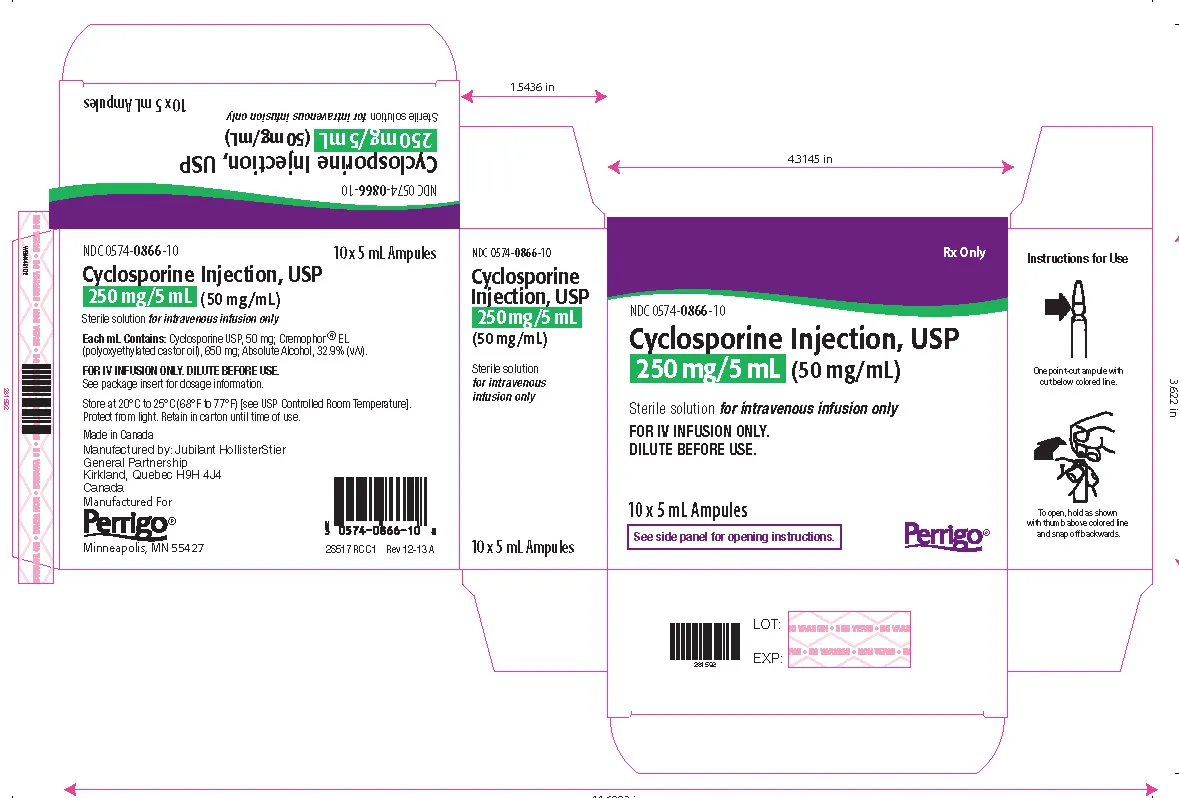
Cyclosporine is available in non-modified (Sandimmune) and modified (Neoral/Gengraf) formulations. These are not bioequivalent and should not be interchanged without strict clinical oversight.
Contraindications and Risks
The use of cyclosporine requires careful risk-benefit analysis due to its significant side-effect profile.
Contraindications
- Hypersensitivity: Known allergy to cyclosporine or any excipients.
- Uncontrolled Hypertension: The drug can significantly raise blood pressure.
- Renal Impairment: Except when used to treat patients with nephrotic syndrome (under strict monitoring).
- Malignancy: With the exception of certain skin cancers.
- Concurrent Therapies: Co-administration with PUVA therapy or other immunosuppressants (like tacrolimus) that increase the risk of infection or malignancy.
Primary Adverse Effects
- Nephrotoxicity: The most significant dose-limiting factor; characterized by reduced glomerular filtration rate (GFR).
- Hypertension: Often requires the addition of antihypertensive agents.
- Neurotoxicity: Tremors, headaches, and in rare cases, seizures.
- Metabolic Changes: Hyperkalemia, hypomagnesemia, and hyperglycemia.
- Gingival Hyperplasia: Overgrowth of gum tissue, particularly with poor oral hygiene.
- Hirsutism: Increased growth of body hair.
Drug Interactions
Cyclosporine is a major substrate and inhibitor of CYP3A4 and P-glycoprotein. This leads to numerous dangerous drug interactions.
Drugs that Increase Cyclosporine Levels
- Antibiotics: Erythromycin, clarithromycin.
- Antifungals: Ketoconazole, fluconazole, itraconazole.
- Calcium Channel Blockers: Diltiazem, verapamil, nicardipine.
- Others: Grapefruit juice, protease inhibitors (HIV drugs).
Drugs that Decrease Cyclosporine Levels
- Anticonvulsants: Phenytoin, carbamazepine, phenobarbital.
- Antibiotics: Rifampin.
- Herbal: St. John’s Wort.
Pregnancy and Lactation
- Pregnancy: Cyclosporine crosses the placenta. While transplant recipients have successfully carried pregnancies, it is categorized as a pregnancy risk. It should only be used if the potential benefit justifies the potential risk to the fetus.
- Lactation: Cyclosporine is excreted into breast milk. Breastfeeding is generally discouraged while on this medication due to the potential for immunosuppression in the infant.
Overdose Management
There is no specific antidote for cyclosporine overdose. Management is primarily supportive:
1. Gastric Decontamination: If the ingestion was recent, consider activated charcoal or gastric lavage.
2. Hemodialysis: Because the drug is highly protein-bound, dialysis is not effective at clearing cyclosporine from the blood.
3. Monitoring: Focus on renal, hepatic, and neurological function. Supportive care for blood pressure management and electrolyte correction is essential.
Frequently Asked Questions (FAQ)
1. Is cyclosporine a steroid?
No, cyclosporine is a calcineurin inhibitor, which is a type of immunosuppressant, but it is not a corticosteroid.
2. Can I eat grapefruit while taking cyclosporine?
No. Grapefruit and grapefruit juice inhibit the CYP3A4 enzyme, which can cause blood levels of cyclosporine to spike to toxic levels.
3. Why do I need regular blood tests?
Because cyclosporine has a narrow therapeutic window, blood tests are essential to ensure the dose is high enough to be effective but low enough to avoid toxicity.
4. Does cyclosporine cause cancer?
Long-term immunosuppression with cyclosporine increases the risk of lymphoproliferative disorders and skin malignancies. Patients should avoid excessive sun exposure.
5. What should I do if I miss a dose?
Take it as soon as you remember, unless it is close to your next scheduled dose. Do not double the dose.
6. Can I stop taking cyclosporine if I feel better?
Never stop cyclosporine abruptly, especially if you are a transplant recipient, as this can trigger immediate organ rejection.
7. Why are my gums swelling?
Gingival hyperplasia is a known side effect of cyclosporine. Maintaining excellent oral hygiene and regular dental checkups can help manage this.
8. Will cyclosporine affect my fertility?
Some studies suggest potential impacts on reproductive hormones, but many transplant patients have successfully conceived. Consult a specialist regarding fertility planning.
9. Are there different versions of cyclosporine?
Yes, modified (microemulsion) and non-modified versions exist. They are not interchangeable. Always check your prescription label.
10. Does cyclosporine interact with over-the-counter medications?
Yes, many common drugs, including NSAIDs (like ibuprofen), can worsen the kidney-related side effects of cyclosporine. Always consult your doctor before starting any new supplement or drug.
Disclaimer: This guide is for educational purposes only and does not constitute medical advice. Always consult with your transplant surgeon, rheumatologist, or primary care physician regarding your specific medication regimen.