
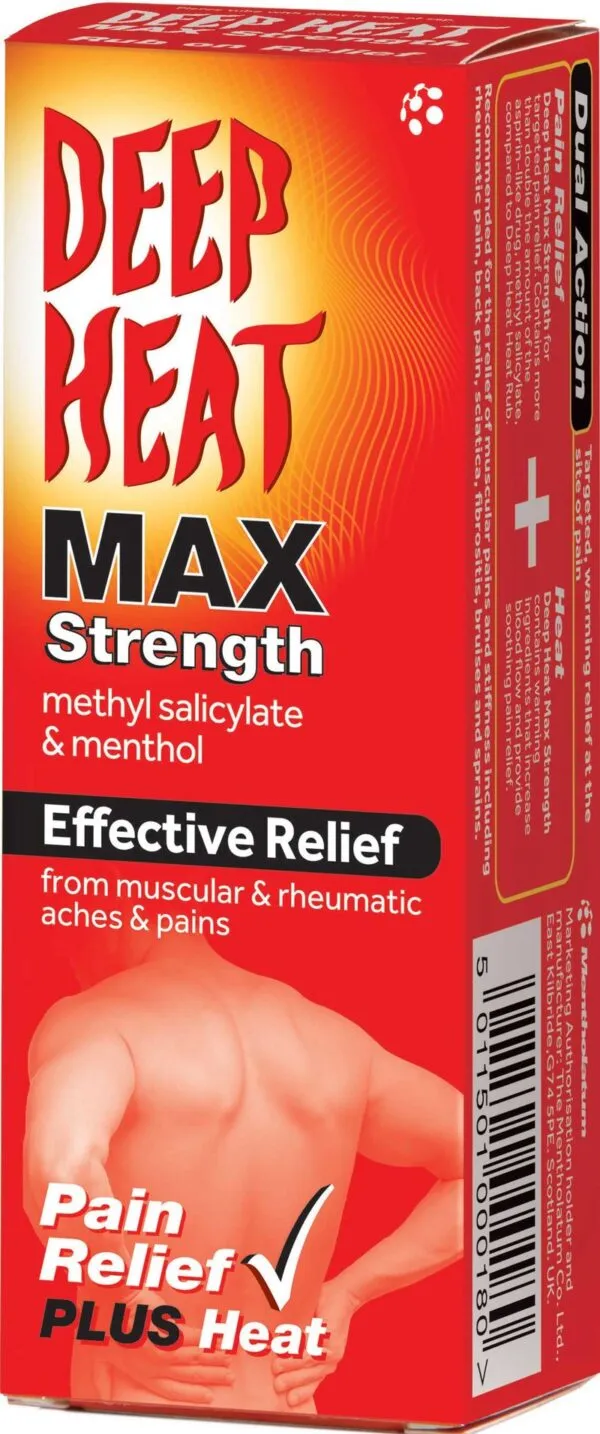
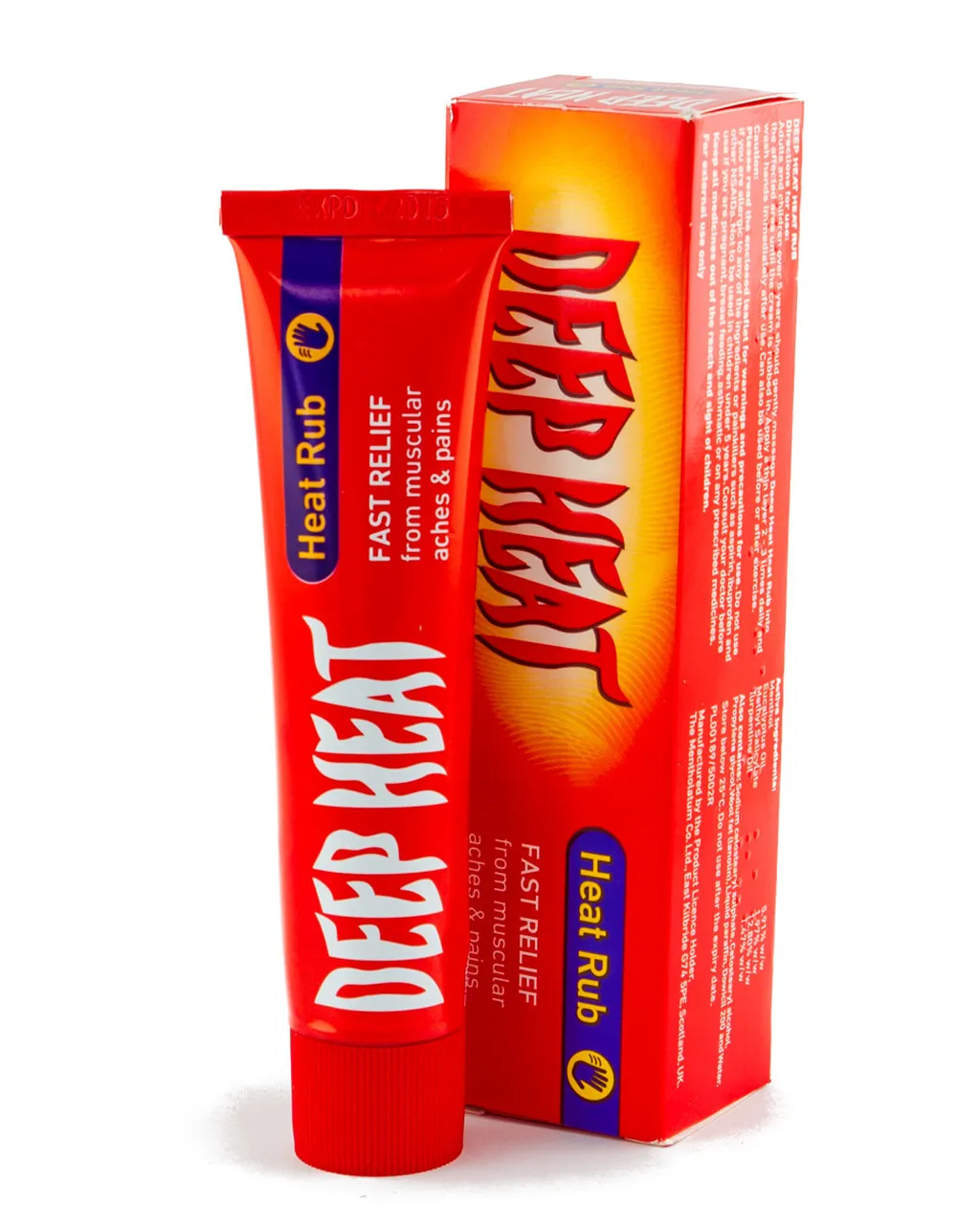
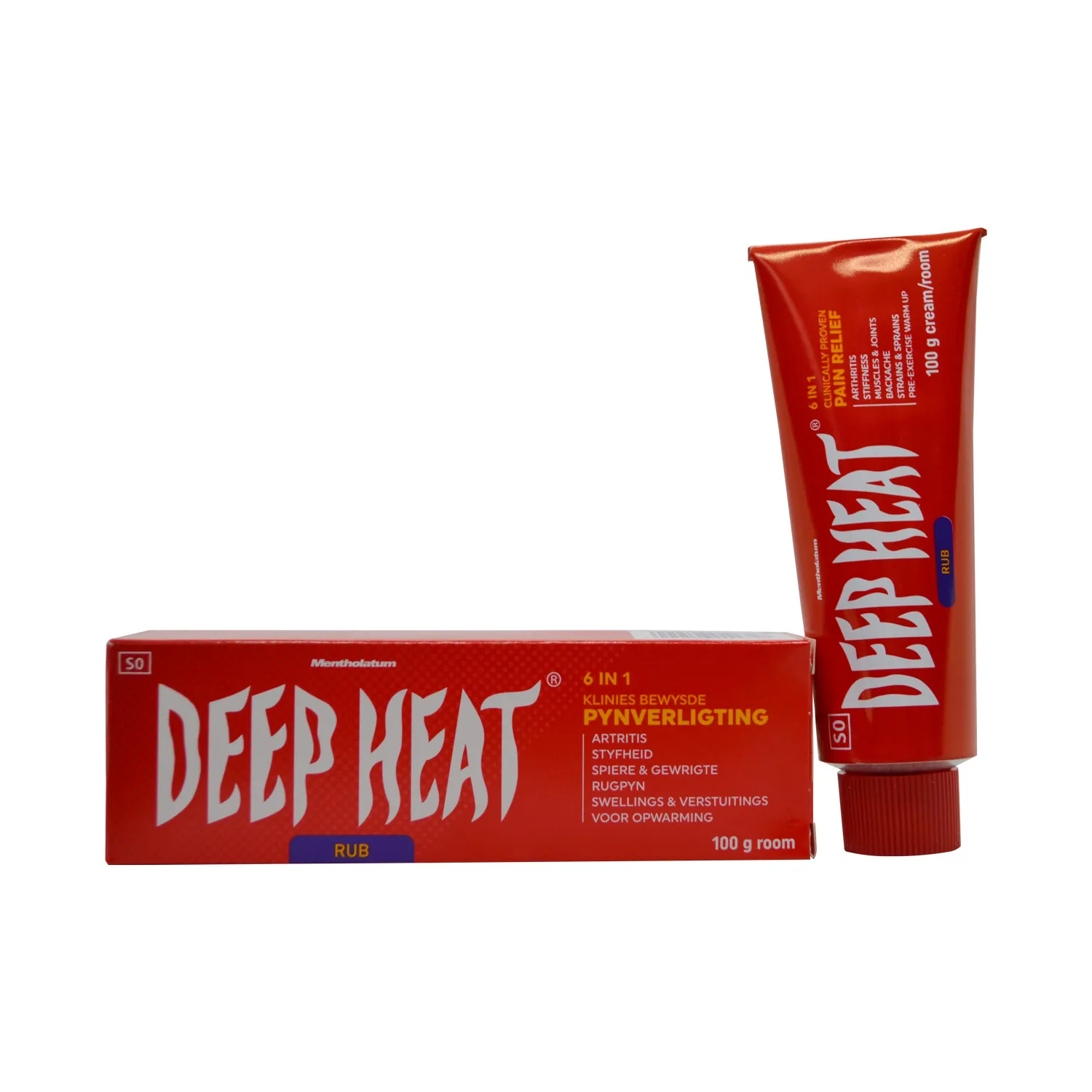

Understanding Deep Heat Rub: A Comprehensive Clinical Overview
Deep Heat Rub is a widely recognized topical analgesic preparation designed to provide symptomatic relief for muscular aches, pains, and stiffness. As a counter-irritant, it serves as a cornerstone in conservative orthopedic management for soft tissue injuries. By leveraging thermogenic properties, Deep Heat facilitates localized vasodilation, thereby promoting recovery and enhancing comfort in musculoskeletal conditions.
This guide provides an authoritative analysis of Deep Heat Rub, intended for patients and healthcare providers seeking a deeper understanding of its pharmacological profile, therapeutic utility, and safety parameters.
Technical Specifications and Mechanism of Action
The Science of Counter-Irritation
Deep Heat Rub functions primarily through a process known as counter-irritation. The active ingredients—typically methyl salicylate, menthol, and sometimes eucalyptus oil or turpentine oil—work in concert to stimulate nerve endings in the skin.
- Methyl Salicylate: A salicylate derivative that acts as a rubefacient. It produces localized heat by dilating capillaries, which increases blood flow to the affected area. This vasodilation helps flush out inflammatory mediators such as prostaglandins and bradykinins, which are associated with pain signaling.
- Menthol: Menthol acts on the Transient Receptor Potential Melastatin 8 (TRPM8) ion channels. By creating a sensation of coolness followed by heat, it distracts the central nervous system from the deeper, localized pain signals (the "Gate Control Theory" of pain).
Pharmacokinetics
When applied topically, the absorption of methyl salicylate is dependent on the integrity of the skin barrier, the surface area of application, and the presence of occlusion (e.g., bandages).
* Systemic Absorption: While designed for localized action, a small percentage of salicylates can be absorbed into the systemic circulation.
* Metabolism: Once absorbed, methyl salicylate is hydrolyzed to salicylic acid in the skin and liver, and subsequently excreted via the renal system.
Clinical Indications and Therapeutic Usage
Deep Heat Rub is indicated for the temporary relief of pain associated with a variety of musculoskeletal conditions. It is not a curative agent for structural injuries but an essential tool for symptom management.
Primary Indications
| Condition | Clinical Context |
|---|---|
| Muscle Strains | Relief from minor tears or overexertion in athletes. |
| Fibrositis | Management of chronic rheumatic pain in fibrous tissues. |
| Arthritic Pain | Adjunctive therapy for osteoarthritis joint stiffness. |
| Lumbago | Relief from acute or chronic lower back pain. |
| Sciatica | Reducing discomfort associated with nerve-related back pain. |
| Tenosynovitis | Managing inflammation of the tendon sheath. |
Application Guidelines
For optimal therapeutic outcomes, adhere to the following professional application protocol:
* Preparation: Ensure the skin is clean and dry. Do not apply to open wounds, broken, or irritated skin.
* Application: Apply a thin layer of the cream to the affected area.
* Massage: Gently massage the area until the rub is fully absorbed. The mechanical action of massaging further aids in blood flow stimulation.
* Frequency: Typically, application is recommended 2–3 times daily, or as directed by a healthcare professional.
* Post-Application: Always wash hands thoroughly after application to prevent accidental transfer to sensitive areas, such as the eyes or mucous membranes.
Risks, Contraindications, and Safety Profiles
Despite its efficacy, Deep Heat Rub carries specific risks that must be managed to ensure patient safety.
Contraindications
- Hypersensitivity: Do not use if you have a known allergy to salicylates, aspirin, or any of the ingredients in the formulation.
- Pediatric Use: Generally contraindicated for children under 5 years of age due to the risk of systemic absorption and sensitivity.
- Damaged Skin: Avoid application on skin that is inflamed, infected, or has active lesions.
- Asthma: Individuals with salicylate-sensitive asthma should exercise extreme caution, as topical salicylates can occasionally trigger bronchospasm.
Potential Side Effects
- Dermatological: Localized erythema (redness), pruritus (itching), or a burning sensation.
- Allergic Reactions: Rare instances of dermatitis or urticaria.
- Systemic Toxicity: In cases of excessive application over large areas, signs of salicylate toxicity (e.g., tinnitus, nausea, dizziness) may occur, though this is rare with topical use.
Drug Interactions
While topical, potential interactions exist:
* Warfarin/Anticoagulants: Excessive use of salicylate-containing rubs may theoretically increase the risk of bleeding in patients on blood thinners. Consult a physician if using daily.
Pregnancy and Lactation Warnings
- Pregnancy: There is limited data regarding the safety of topical methyl salicylate during pregnancy. It is generally recommended to avoid use during the third trimester due to the potential risk of premature closure of the fetal ductus arteriosus, which is associated with systemic salicylate exposure.
- Lactation: It is unknown if topical methyl salicylate is excreted in breast milk. Caution is advised; avoid application to the breast area to prevent infant ingestion.
Overdose Management
While systemic overdose via topical application is uncommon, it is medically possible if large quantities are ingested or applied over massive areas of the body under occlusion.
- Ingestion: If ingested, seek immediate emergency medical attention. Induce vomiting only under medical supervision.
- Topical Overdose: If a burning sensation becomes intolerable, wash the area immediately with cool water and mild soap. Do not use hot water, as it opens pores and increases absorption.
- Medical Intervention: Management of salicylate toxicity involves monitoring serum salicylate levels, electrolyte stabilization, and fluid replacement.
Frequently Asked Questions (FAQ)
1. Is Deep Heat safe to use under a bandage?
No. You should not cover the area with bandages, heat pads, or wraps after applying Deep Heat. Occlusion significantly increases systemic absorption and can lead to severe skin irritation or chemical burns.
2. Can I use Deep Heat for a sports injury immediately after it happens?
No. For acute injuries (within the first 48 hours), use the R.I.C.E protocol (Rest, Ice, Compression, Elevation). Heat should only be applied after the initial inflammatory phase has passed to help relax muscles.
3. Why does my skin turn red after application?
The redness is a sign of localized vasodilation, which is the intended mechanism of the rub. It indicates increased blood flow to the area.
4. How long should I wait between applications?
A minimum of 4–6 hours between applications is generally recommended to prevent skin irritation.
5. Can I use Deep Heat if I am allergic to Aspirin?
No. Methyl salicylate is chemically related to aspirin. Patients with a known aspirin allergy should avoid this product.
6. Is it effective for joint pain?
Yes, it is highly effective for minor arthritic pain and stiffness by providing a warming sensation that helps improve joint mobility.
7. What should I do if I get it in my eyes?
Flush the eyes immediately with cool water for at least 15 minutes. If irritation persists, seek medical advice.
8. Can children use Deep Heat?
Most formulations are not recommended for children under 5. Always check the specific packaging and consult a pediatrician for older children.
9. Does it expire?
Yes. Check the expiration date on the tube. Using expired medication can lead to reduced efficacy or increased risk of skin irritation.
10. Does it help with nerve pain?
While it may distract from the pain through its warming effect, it does not treat the underlying cause of nerve pain (neuropathy). Consult a specialist for specific nerve pain treatments.
Conclusion
Deep Heat Rub is a reliable and effective adjunct to orthopedic care when utilized correctly. By understanding its mechanism as a counter-irritant and adhering to the safety guidelines provided, patients can safely manage the symptoms of musculoskeletal discomfort. Always prioritize consultation with a healthcare provider if pain persists or if you are managing complex underlying health conditions.