
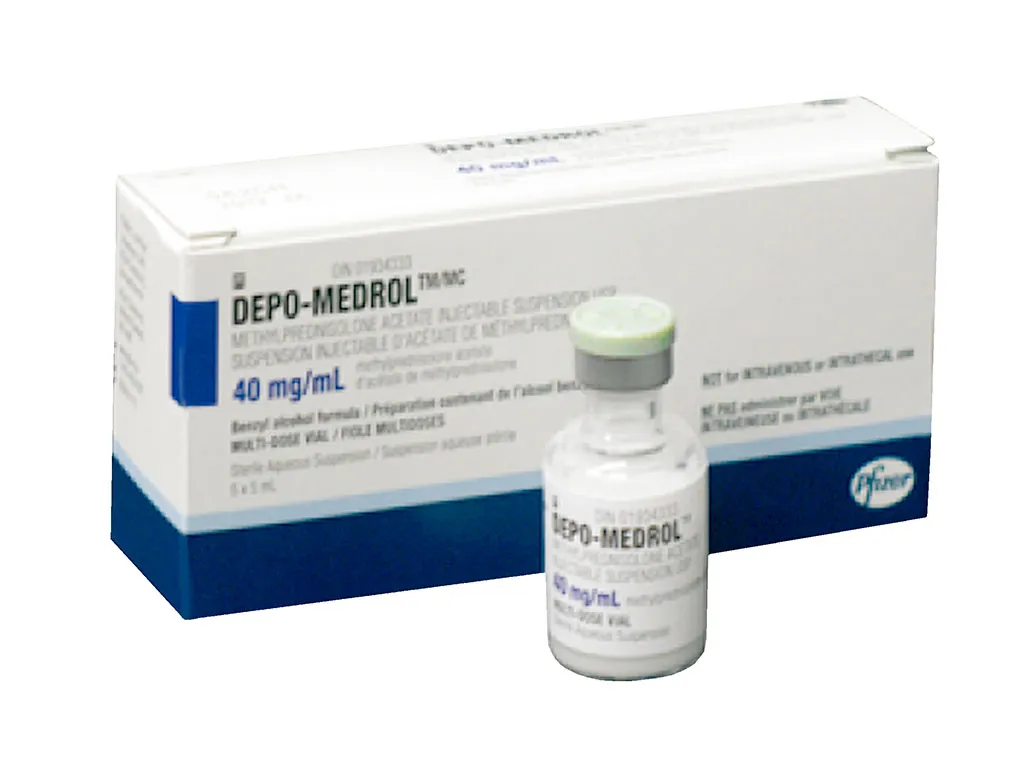
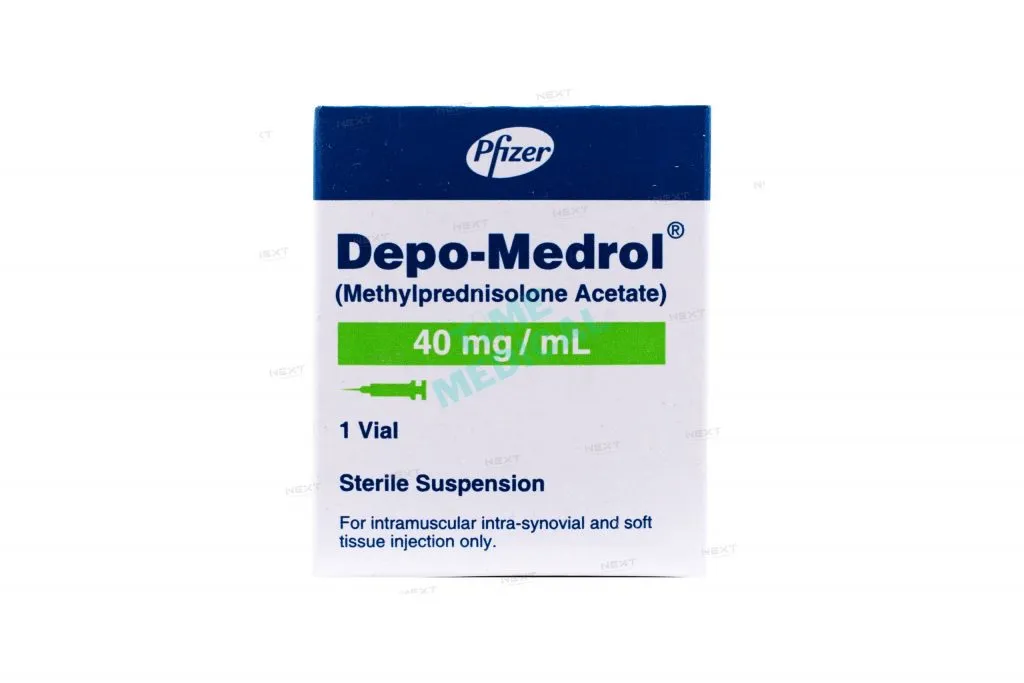

Comprehensive Introduction to Depo-Medrol
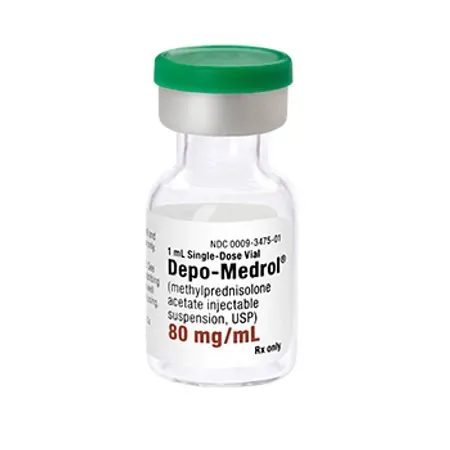
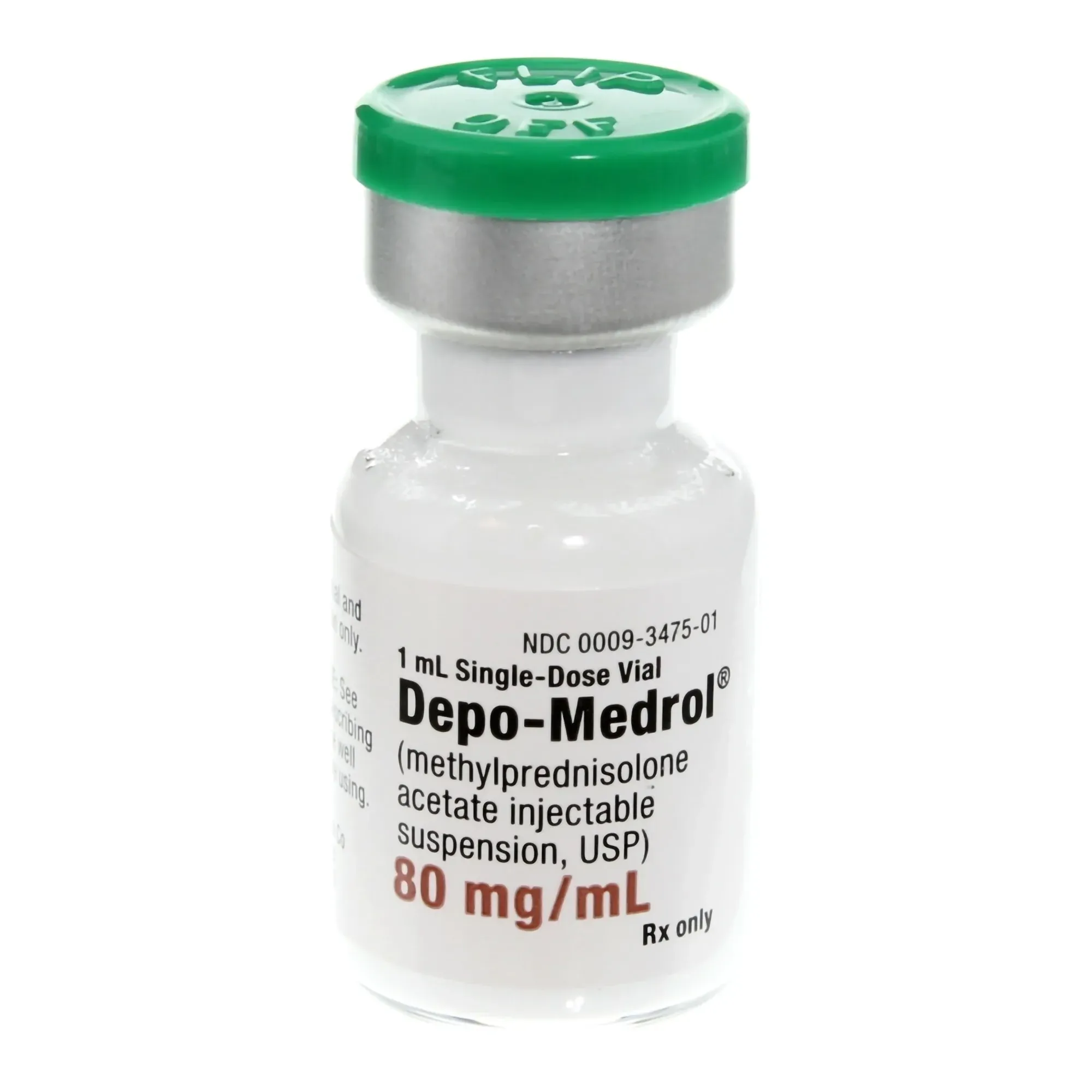
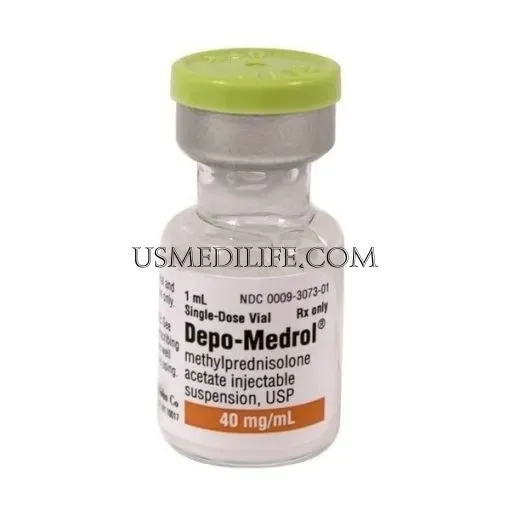
Depo-Medrol, known generically as methylprednisolone acetate, is a potent synthetic glucocorticoid utilized extensively in clinical orthopedics, rheumatology, and dermatology. As a long-acting injectable corticosteroid, it is engineered to provide sustained anti-inflammatory and immunosuppressive effects. Unlike immediate-release formulations, the acetate ester allows for a slow, controlled release from the injection site, making it a cornerstone for treating chronic inflammatory joint diseases, soft tissue disorders, and various systemic conditions.
Understanding the pharmacodynamics and clinical utility of Depo-Medrol is essential for healthcare providers aiming to optimize patient outcomes while mitigating the risks associated with systemic steroid exposure.
Mechanism of Action and Pharmacokinetics
Mechanism of Action
Depo-Medrol functions by diffusing across cellular membranes and binding to high-affinity cytoplasmic glucocorticoid receptors. Once the drug-receptor complex forms, it translocates to the cell nucleus, where it interacts with specific DNA sequences known as glucocorticoid response elements (GREs).
The primary clinical effects are mediated through:
* Genomic Effects: Upregulation of anti-inflammatory proteins (e.g., lipocortin-1) and downregulation of pro-inflammatory cytokines (e.g., IL-1, IL-6, TNF-alpha).
* Cellular Modulation: Inhibition of leukocyte migration, reduction of capillary permeability, and stabilization of lysosomal membranes.
* Immunosuppression: Suppression of T-lymphocyte activation and reduction in immunoglobulin synthesis.
Pharmacokinetics
As an acetate ester, methylprednisolone acetate is relatively insoluble. After local injection, it undergoes slow hydrolysis by tissue esterases to release the active methylprednisolone.
* Onset: Gradual (typically 12–24 hours post-injection).
* Duration: Prolonged (ranging from 1 to 4 weeks depending on the site and vascularity).
* Metabolism: Hepatic metabolism via cytochrome P450 enzymes.
* Excretion: Primarily renal.
Clinical Indications and Usage
Depo-Medrol is indicated for a broad spectrum of inflammatory conditions where systemic or local corticosteroid therapy is warranted.
Orthopedic and Rheumatologic Indications
| Indication | Typical Application |
|---|---|
| Osteoarthritis | Intra-articular injection (knee, hip, shoulder) |
| Rheumatoid Arthritis | Intra-articular or periarticular injection |
| Bursitis | Subacromial, olecranon, or trochanteric bursa |
| Tendonitis | Peritendinous infiltration (avoid intratendinous) |
| Epicondylitis | Lateral or medial epicondyle ("Tennis/Golfer's elbow") |
Dermatologic and Systemic Indications
- Intralesional: Keloids, localized hypertrophic, infiltrated, inflammatory lesions of lichen planus, psoriatic plaques, and discoid lupus erythematosus.
- Systemic: Used for severe allergic conditions, dermatologic diseases (e.g., bullous dermatitis herpetiformis), and endocrine disorders (adrenocortical insufficiency).
Dosage Guidelines
Dosage is highly individualized based on the disease severity, the specific site of injection, and the patient’s response.
Intra-articular/Soft Tissue Guidelines
- Large Joints (e.g., Knee): 20 mg to 80 mg.
- Medium Joints (e.g., Elbow, Ankle): 10 mg to 40 mg.
- Small Joints (e.g., MCP, MTP): 4 mg to 10 mg.
- Bursitis/Ganglion: 4 mg to 30 mg.
Note: Repeated injections should be spaced at least 3–4 weeks apart to minimize the risk of cartilage degradation and systemic suppression.
Risks, Side Effects, and Contraindications
Absolute Contraindications
- Systemic fungal infections.
- Known hypersensitivity to methylprednisolone or any component of the formulation.
- Administration of live or live-attenuated vaccines in patients receiving immunosuppressive doses.
Common Side Effects
- Local: Post-injection flare, transient pain, skin atrophy, hypopigmentation at the injection site, or infection (septic arthritis).
- Systemic (with repeated/high-dose use): Hyperglycemia, fluid retention, hypertension, osteoporosis, adrenal suppression, and mood disturbances.
Pregnancy and Lactation
- Pregnancy: Classified as Category C. Use only if the potential benefit justifies the potential risk to the fetus. Infants born to mothers who received substantial doses during pregnancy should be monitored for signs of hypoadrenalism.
- Lactation: Methylprednisolone is excreted in breast milk. Caution is advised, as it may interfere with endogenous steroid production in the nursing infant.
Overdose Management
Acute overdose is rarely a clinical emergency due to the nature of the depot injection. However, chronic over-exposure can lead to Cushingoid symptoms. Management focuses on gradual tapering of the dosage rather than abrupt cessation to prevent acute adrenal crisis.
Frequently Asked Questions (FAQ)
1. How long does it take for Depo-Medrol to start working?
Depo-Medrol is a depot preparation. Patients usually notice symptomatic relief within 24 to 48 hours, with peak effects occurring within a week.
2. Can Depo-Medrol be injected directly into a tendon?
No. Intratendinous injection is generally contraindicated due to the risk of tendon weakening or rupture, particularly in weight-bearing tendons like the Achilles.
3. What is a "post-injection flare"?
A post-injection flare is a temporary increase in joint pain occurring within the first 24 hours after injection. It is caused by a crystalline synovitis reaction and typically resolves with rest and ice.
4. How many injections are safe per year?
While there is no universal consensus, many orthopedic guidelines suggest limiting intra-articular injections to 3–4 per year per joint to avoid long-term cartilage damage.
5. Does Depo-Medrol affect blood sugar?
Yes. Patients with diabetes should monitor their glucose levels closely for 1–2 weeks post-injection, as systemic absorption can cause transient hyperglycemia.
6. Can I receive a vaccine while on Depo-Medrol?
Patients receiving immunosuppressive doses should avoid live vaccines. Consult your provider regarding the timing of vaccinations relative to steroid therapy.
7. What should I do if I experience signs of infection?
If you develop fever, severe redness, heat, or worsening pain at the injection site, contact your physician immediately, as these may be signs of septic arthritis.
8. Is Depo-Medrol the same as prednisone?
They are both corticosteroids, but Depo-Medrol is a long-acting injectable formulation of methylprednisolone, whereas prednisone is an oral medication.
9. Can Depo-Medrol cause skin color changes?
Yes, localized hypopigmentation (lightening of the skin) can occur at the injection site, especially in patients with darker skin tones. This is often permanent.
10. Is weight gain a common side effect?
Weight gain associated with fluid retention is possible with systemic absorption, but it is less common with a single local injection compared to long-term oral steroid use.
Disclaimer: This guide is for educational purposes only and does not constitute professional medical advice, diagnosis, or treatment. Always seek the advice of your physician or qualified health provider with any questions regarding a medical condition or medication.