
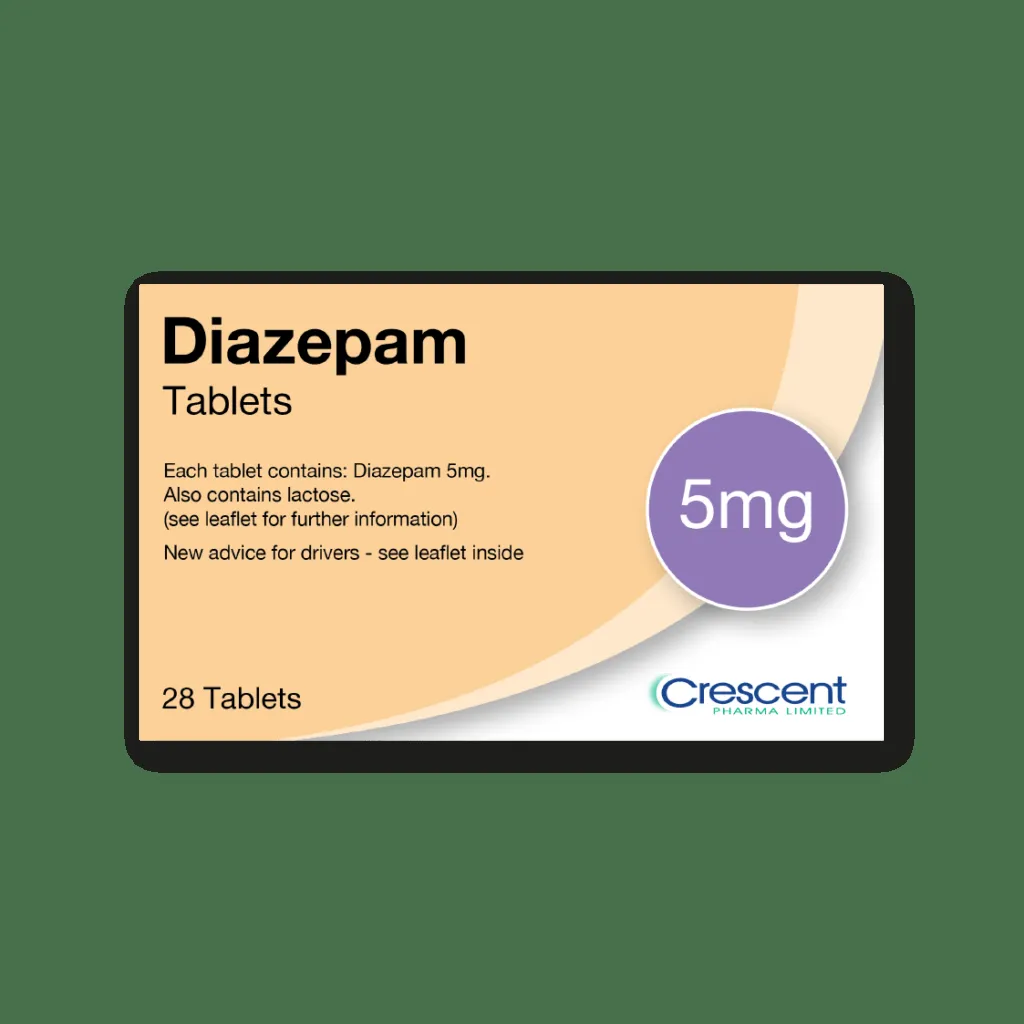
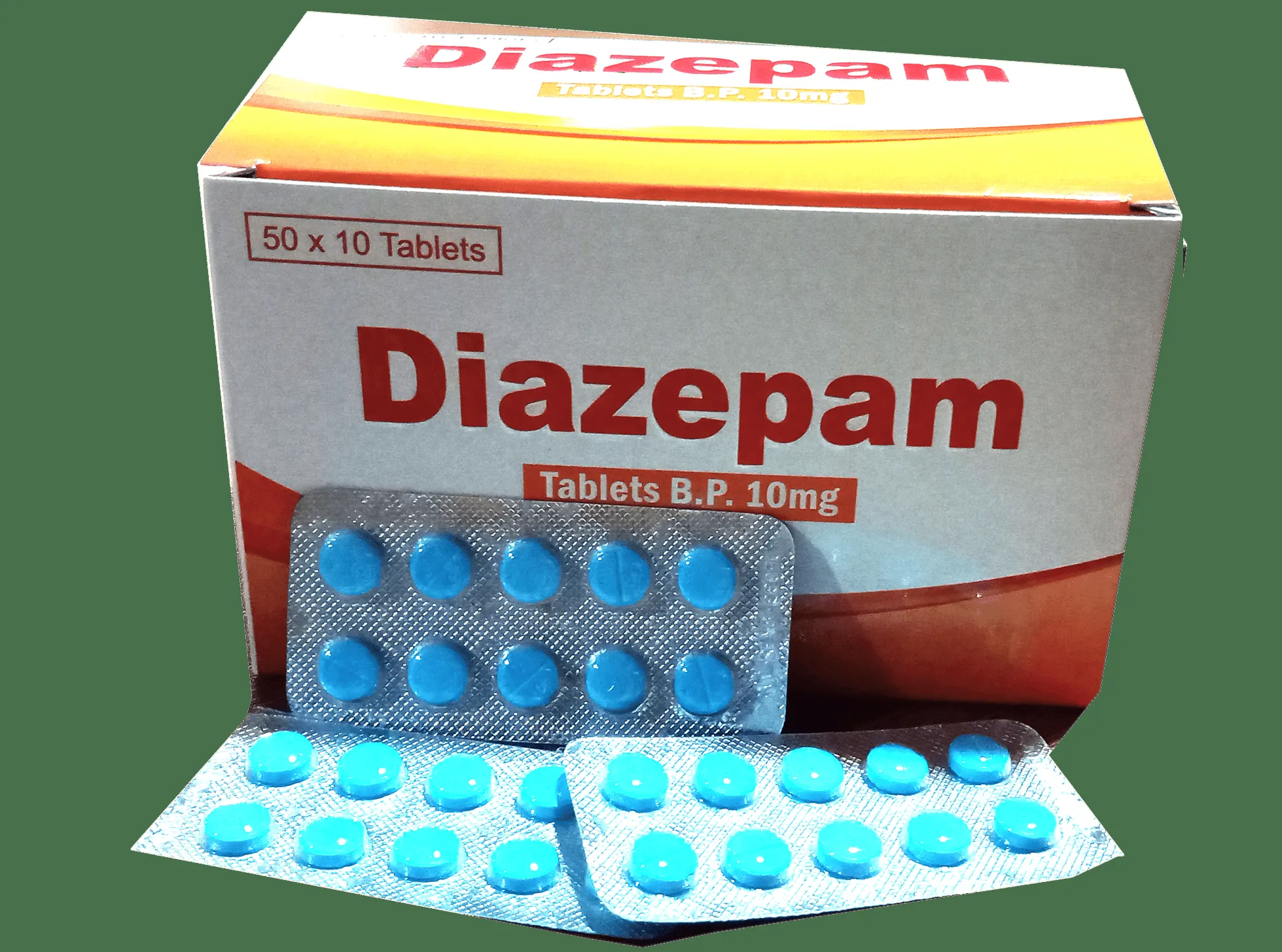

Comprehensive Guide to Diazepam: Clinical Overview
Diazepam, universally recognized by its original brand name Valium, is a potent pharmaceutical agent belonging to the benzodiazepine class. Since its introduction to the medical market in the 1960s, it has remained a cornerstone of pharmacotherapy for the management of anxiety, muscle spasms, and seizure disorders. As an orthopedic and neurological specialist, it is vital to understand the pharmacodynamic profile and the clinical nuances of this medication to ensure patient safety and therapeutic efficacy.
This guide serves as an exhaustive reference for clinicians and healthcare professionals, detailing the pharmacological properties, clinical applications, and critical safety parameters of Diazepam.
Mechanism of Action: The Neurobiological Perspective
Diazepam exerts its therapeutic effects primarily through the modulation of the central nervous system (CNS). It acts as a positive allosteric modulator of the Gamma-Aminobutyric Acid (GABA) type A receptors.
The GABAergic Pathway
GABA is the primary inhibitory neurotransmitter in the mammalian brain. Diazepam binds to specific benzodiazepine receptor sites located at the interface of the alpha and gamma subunits of the $GABA_A$ receptor complex.
- Increased Frequency of Channel Opening: Upon binding, Diazepam increases the frequency with which the chloride ion channel opens in response to GABA.
- Hyperpolarization: The resulting influx of chloride ions hyperpolarizes the neuronal membrane, effectively increasing the threshold for action potential generation.
- CNS Depression: This mechanism results in a broad-spectrum depressant effect on the CNS, manifesting as anxiolysis, sedation, skeletal muscle relaxation, and anticonvulsant activity.
Pharmacokinetics and Metabolism
Understanding the pharmacokinetic profile of Diazepam is essential for optimizing dosing intervals and predicting drug accumulation, particularly in patients with hepatic impairment.
| Feature | Description |
|---|---|
| Absorption | Rapidly and completely absorbed from the gastrointestinal tract. |
| Bioavailability | Approximately 90%–100%. |
| Lipophilicity | Highly lipophilic, allowing for rapid crossing of the blood-brain barrier. |
| Protein Binding | Highly protein-bound (98%–99%), primarily to albumin. |
| Metabolism | Hepatic metabolism via CYP2C19 and CYP3A4 enzymes. |
| Active Metabolites | Desmethyldiazepam (nordiazepam), temazepam, and oxazepam. |
| Half-Life | 20–100 hours (highly variable; prolonged in elderly patients). |
Clinical Indications and Therapeutic Usage
Diazepam is indicated for a variety of conditions where rapid onset and long-duration effects are required.
1. Anxiety and Psychosomatic Disorders
Used for the short-term relief of severe anxiety symptoms. It is generally recommended for use only when the disorder is severe, disabling, or causing the patient unacceptable distress.
2. Skeletal Muscle Spasms
In orthopedics, Diazepam is frequently utilized as an adjunct to rest and physical therapy for the relief of muscle spasms associated with acute, painful musculoskeletal conditions (e.g., severe back strain, muscle trauma).
3. Convulsive Disorders
It is considered a first-line agent for the emergency management of status epilepticus and severe recurrent convulsive seizures when administered intravenously.
4. Alcohol Withdrawal Syndrome
Effective in managing the acute agitation, tremors, and impending delirium tremens associated with alcohol cessation.
5. Preoperative Sedation
Used as an adjunct for pre-medication prior to surgical or endoscopic procedures to induce sedation and amnesia.
Dosage Guidelines
Dosage must be individualized based on the patient's age, weight, severity of the condition, and presence of comorbid conditions.
- Adult Anxiety: 2 mg to 10 mg, 2 to 4 times daily.
- Skeletal Muscle Spasm: 2 mg to 10 mg, 3 to 4 times daily.
- Status Epilepticus: 5 mg to 10 mg IV, repeated at 10–15 minute intervals if necessary (maximum dose 30 mg).
- Geriatric/Debilitated Patients: Start at the lowest possible dose (e.g., 2 mg, 1–2 times daily) due to increased sensitivity and slower clearance.
Risks, Side Effects, and Contraindications
Common Side Effects
- Drowsiness and fatigue
- Ataxia and dizziness
- Confusion (especially in the elderly)
- Dry mouth and constipation
Serious Risks
- Respiratory Depression: Increased risk when combined with opioids or other CNS depressants.
- Dependence and Withdrawal: Long-term use can lead to physical and psychological dependence. Abrupt cessation can trigger withdrawal seizures and rebound anxiety.
- Paradoxical Reactions: Rare instances of increased aggression, irritability, or hallucinations.
Contraindications
- Known hypersensitivity to benzodiazepines.
- Myasthenia gravis.
- Severe hepatic insufficiency.
- Severe respiratory insufficiency or sleep apnea.
- Acute narrow-angle glaucoma.
Pregnancy and Lactation Warnings
- Pregnancy: Diazepam is classified as a Category D drug. Benzodiazepines cross the placenta and may cause neonatal CNS depression, "floppy infant syndrome," or withdrawal symptoms in the newborn if used during the third trimester. Use only when the benefit outweighs the risk.
- Lactation: Diazepam is excreted in breast milk. It may cause sedation and feeding difficulties in the nursing infant. Breastfeeding is generally not recommended while on regular Diazepam therapy.
Overdose Management
Diazepam overdose is characterized by somnolence, confusion, diminished reflexes, and coma.
- Airway Management: Ensure a patent airway and provide assisted ventilation if necessary.
- Monitoring: Monitor vital signs, particularly blood pressure and respiratory rate.
- Flumazenil: A specific benzodiazepine receptor antagonist. However, it must be used with extreme caution, particularly in chronic users, as it may precipitate acute withdrawal seizures.
- Supportive Care: IV fluids and vasopressors if hypotension occurs.
Frequently Asked Questions (FAQ)
1. How long does it take for Diazepam to work?
Oral Diazepam typically starts working within 30 to 60 minutes. Intravenous administration provides almost immediate relief.
2. Can I consume alcohol while taking Diazepam?
No. Alcohol significantly potentiates the CNS-depressant effects of Diazepam, increasing the risk of respiratory failure and unconsciousness.
3. Is Diazepam addictive?
Yes, it has a high potential for physical and psychological dependence, especially with long-term use. It should be used for the shortest duration possible.
4. What should I do if I miss a dose?
Take it as soon as you remember. If it is almost time for your next dose, skip the missed dose. Do not double the dose to catch up.
5. Why is Diazepam used for muscle spasms?
It acts centrally to inhibit spinal cord polysynaptic pathways, which reduces the excessive muscle tone and reflex activity associated with acute injuries.
6. Can elderly patients take Diazepam safely?
Elderly patients are at higher risk for falls, confusion, and cognitive impairment due to the drug's long half-life. If used, the dose must be significantly reduced.
7. Does Diazepam interact with other medications?
Yes, it interacts with opioids, antidepressants, antihistamines, and anticonvulsants. Always consult a physician before combining medications.
8. What is the difference between Diazepam and Lorazepam?
Diazepam has a faster onset and a longer half-life compared to Lorazepam. Lorazepam is often preferred in patients with liver impairment because it does not undergo extensive hepatic oxidation.
9. Can Diazepam cause memory loss?
It can cause anterograde amnesia, which is why it is sometimes used preoperatively to ensure patients do not remember uncomfortable procedures.
10. How do I stop taking Diazepam?
Never stop abruptly. A gradual "tapering" schedule, supervised by a physician, is required to prevent withdrawal seizures and severe rebound symptoms.
Disclaimer: This guide is intended for medical professional information and educational purposes only. It does not replace professional medical advice, diagnosis, or treatment. Always seek the advice of your physician or qualified health provider with any questions regarding a medical condition or medication.