

Introduction to Diclofenac Topical Gel
Diclofenac topical gel is a nonsteroidal anti-inflammatory drug (NSAID) formulated for external application. It is primarily indicated for the relief of joint pain associated with osteoarthritis. By delivering the medication directly to the site of inflammation, topical diclofenac offers a targeted therapeutic approach, often reducing the systemic exposure associated with oral NSAIDs. This guide provides an authoritative overview of its pharmacological profile, clinical application, and safety considerations.
Mechanism of Action and Pharmacokinetics
Mechanism of Action
Diclofenac functions as a potent inhibitor of the cyclooxygenase (COX) enzymes, specifically COX-1 and COX-2. By inhibiting these enzymes, diclofenac suppresses the synthesis of prostaglandins—lipid compounds that mediate pain, inflammation, and fever. Unlike oral formulations that circulate systemically to achieve this effect, the topical gel achieves high local concentrations in the synovial fluid and surrounding tissues, providing localized analgesic and anti-inflammatory relief.
Pharmacokinetics
The pharmacokinetics of topical diclofenac are distinct from oral administration:
- Absorption: When applied to the skin, systemic absorption is approximately 6% to 10% of the dose compared to oral administration.
- Distribution: Diclofenac is highly protein-bound (primarily to albumin). It penetrates the dermis and subcutaneous tissues, reaching the joint space.
- Metabolism: The small amount of systemically absorbed drug undergoes hepatic metabolism via cytochrome P450 enzymes (primarily CYP2C9).
- Excretion: Metabolites are excreted primarily through the kidneys (renal) and to a lesser extent via bile (fecal).
| Parameter | Topical Diclofenac Profile |
|---|---|
| Bioavailability | Low systemic absorption |
| Peak Plasma Time | 10–16 hours post-application |
| Half-life | Approximately 1–2 hours |
| Protein Binding | >99% |
Clinical Indications and Dosage Guidelines
Indications
Diclofenac topical gel (commonly 1% concentration) is FDA-approved for the relief of pain in joints amenable to topical treatment, specifically:
* Osteoarthritis of the knees.
* Osteoarthritis of the hands.
* Minor musculoskeletal injuries (sprains, strains, and contusions).
Dosage and Administration
Adherence to dosing schedules is critical for efficacy and safety.
- Preparation: Clean and dry the skin area before application.
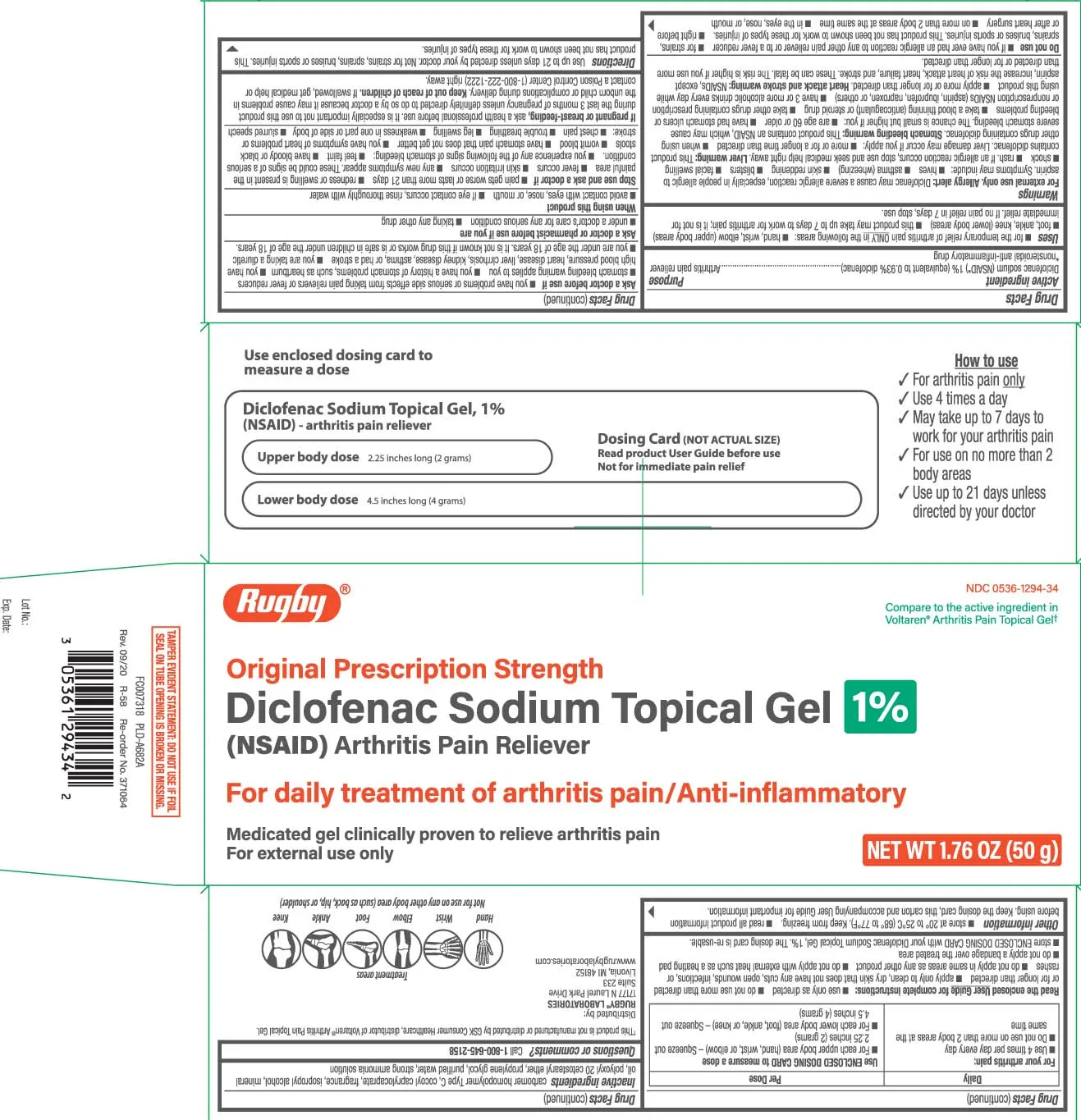
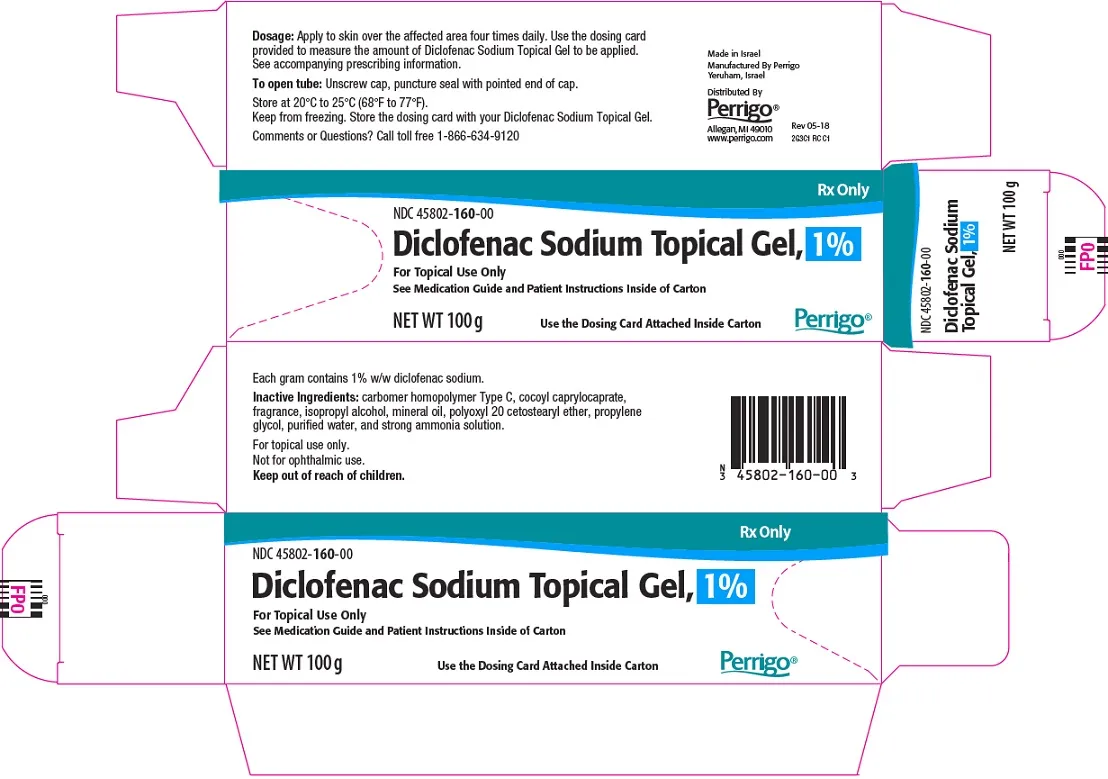
- Application: Apply the gel to the affected joint area. Use the provided dosing card to measure the correct amount.
- Rubbing: Gently massage the gel into the skin until it is absorbed.
- Frequency: Typically applied 4 times daily.
- Hygiene: Wash hands thoroughly after application unless the hands are the site of treatment.
Recommended Dosing Table
| Body Part | Suggested Dose (1% Gel) |
|---|---|
| Upper Extremities (Hand/Wrist/Elbow) | 2 grams per joint |
| Lower Extremities (Foot/Ankle/Knee) | 4 grams per joint |
| Daily Maximum | 32 grams total per day |
Risks, Side Effects, and Contraindications
Common Adverse Effects
While topical application reduces systemic side effects compared to oral NSAIDs, localized reactions are common:
* Application site dermatitis (rash, redness, itching).
* Dry skin or scaling.
* Paresthesia (tingling) at the application site.
Serious Risks
Though rare, systemic absorption can lead to traditional NSAID-related risks:
* Cardiovascular: Increased risk of myocardial infarction or stroke.
* Gastrointestinal: Potential for ulcers, bleeding, or perforation.
* Renal: Impairment or fluid retention.
Contraindications
- Hypersensitivity: Known allergy to diclofenac or other NSAIDs (including aspirin).
- Coronary Artery Bypass Graft (CABG): Contraindicated for the treatment of perioperative pain in this setting.
- Open Wounds: Should not be applied to damaged, infected, or blistered skin.
Pregnancy, Lactation, and Drug Interactions
Pregnancy and Lactation
- Pregnancy: Use of NSAIDs around 20 weeks gestation or later may cause rare but serious kidney problems in the fetus, leading to low amniotic fluid (oligohydramnios). Avoid use after 30 weeks due to the risk of premature closure of the fetal ductus arteriosus.
- Lactation: It is unknown if topical diclofenac is excreted in human milk. Consult a physician before use while breastfeeding.
Drug Interactions
While systemic interaction risk is lower, caution is advised when using:
* Oral NSAIDs: May increase the risk of systemic side effects.
* Anticoagulants (e.g., Warfarin): Increased risk of bleeding.
* ACE Inhibitors/Diuretics: May diminish the antihypertensive effect and increase renal risk.
Overdose Management
Overdose from topical gel is unlikely due to limited systemic absorption. However, if massive ingestion occurs:
1. Immediate Action: Seek emergency medical attention or contact a poison control center.
2. Symptoms: Nausea, vomiting, epigastric pain, or in severe cases, gastrointestinal hemorrhage.
3. Treatment: Supportive care. Activated charcoal may be considered if ingestion was recent.
Frequently Asked Questions (FAQ)
1. Can I use a heating pad after applying Diclofenac gel?
No. Heat can significantly increase the absorption rate of the medication through the skin, potentially leading to systemic side effects. Wait for the gel to dry completely, and avoid external heat sources.
2. How long does it take to see results?
While some patients report relief within a few days, it may take up to 7 days of consistent use to achieve the full therapeutic effect for osteoarthritis pain.
3. Should I wash the area after applying the gel?
Wait at least 30 to 60 minutes after application before washing the treated area to ensure the medication has fully penetrated the skin.
4. Can I use Diclofenac gel for back pain?
While some practitioners may prescribe it off-label, it is specifically FDA-approved for joint pain (knees/hands). Consult your doctor for back pain treatment.
5. What if I miss a dose?
Apply the missed dose as soon as you remember. However, if it is almost time for your next dose, skip the missed one. Do not apply double doses.
6. Is it safe to wear clothing over the treated area?
Yes, but ensure the gel has dried completely (usually 10–15 minutes) before covering the area with clothing or bandages.
7. Does Diclofenac gel interact with oral pain medications?
Using topical diclofenac alongside oral NSAIDs increases the total systemic load of NSAIDs, which may heighten the risk of side effects. Discuss this with your healthcare provider.
8. Is this medication available over the counter?
In many regions, lower-strength diclofenac (1%) is available over the counter, while higher strengths may require a prescription. Always check local regulations.
9. Can I use this on a sunburn or cut?
Absolutely not. Topical diclofenac should only be applied to intact, healthy skin. Application on broken or irritated skin can cause severe irritation.
10. Will it cause stomach issues like oral ibuprofen?
Because the systemic absorption is minimal, the risk of stomach ulcers and GI bleeding is significantly lower than with oral NSAIDs, but it is not zero. Monitor for any signs of abdominal discomfort.
Clinical Best Practices for Success
To maximize the therapeutic benefit of Diclofenac Topical Gel:
* Consistency: Treat the application as a scheduled medication, not just an "as needed" treatment.
* Sun Protection: Avoid exposing the treated area to direct sunlight or tanning lamps, as this can increase the risk of photosensitivity reactions.
* Documentation: Keep a pain diary to track improvements in mobility and pain levels, which assists your physician in evaluating treatment efficacy.
Disclaimer: This guide is for educational purposes only and does not constitute medical advice. Always consult with a licensed healthcare professional or orthopedic specialist before starting or changing any medication regimen.