

Comprehensive Guide to Diclofenac Topical Ointment
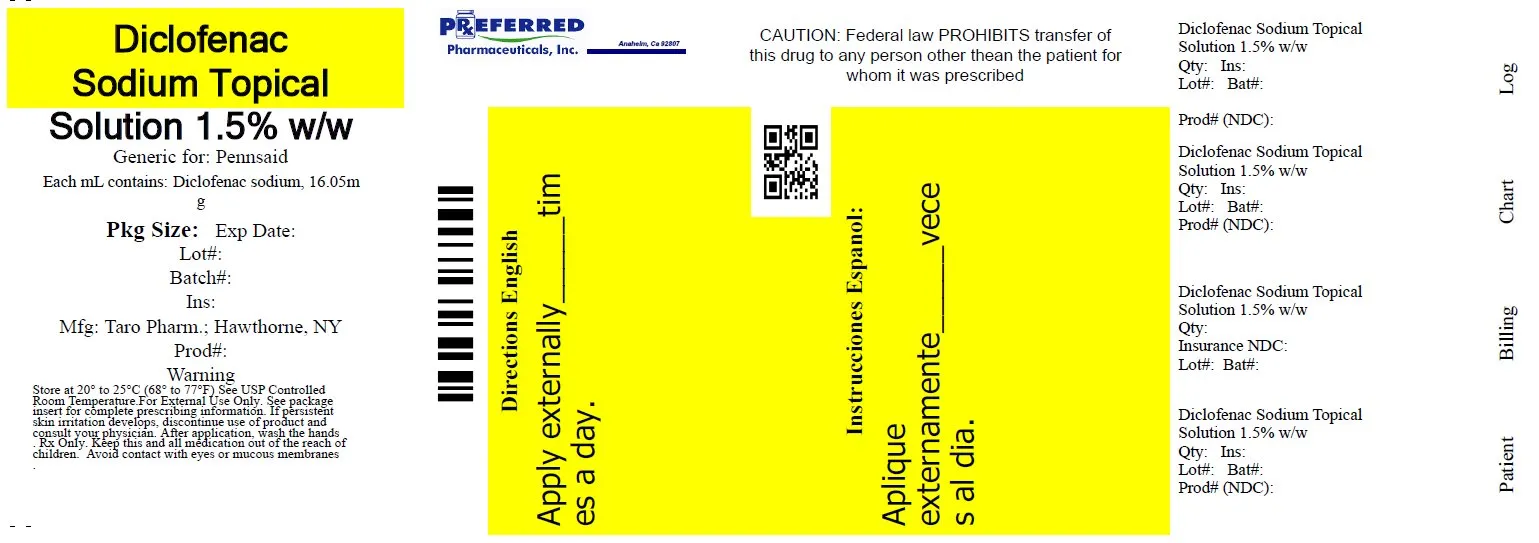
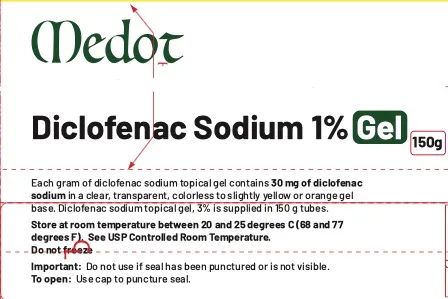
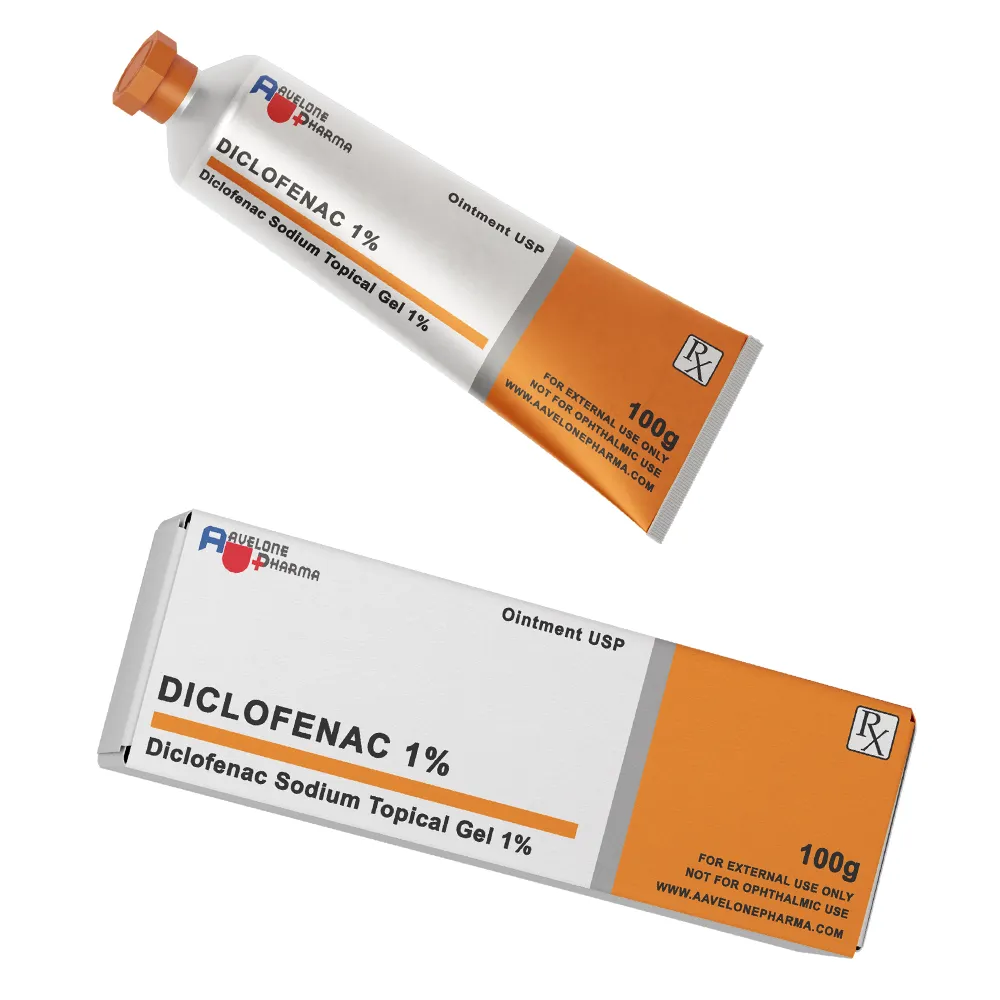
Diclofenac topical ointment (often formulated as a gel, such as Diclofenac Sodium 1%) is a nonsteroidal anti-inflammatory drug (NSAID) that has revolutionized the management of localized musculoskeletal pain. Unlike systemic oral NSAIDs, which circulate throughout the entire body, topical formulations offer a targeted approach, delivering high concentrations of the medication directly to the site of inflammation while minimizing systemic absorption and the associated risk of gastrointestinal and cardiovascular side effects.
This guide provides an exhaustive clinical overview for healthcare professionals and patients seeking to understand the pharmacological profile, therapeutic utility, and safety considerations of topical diclofenac.
Mechanism of Action: How Diclofenac Works
Diclofenac belongs to the phenylacetic acid class of NSAIDs. Its primary therapeutic effect is the inhibition of the enzyme cyclooxygenase (COX).
The COX Pathway
The body produces prostaglandins—hormones that mediate pain, inflammation, and fever—through the arachidonic acid pathway. This pathway is catalyzed by two primary isoforms of the enzyme cyclooxygenase:
* COX-1: Constitutively expressed; responsible for maintaining gastrointestinal mucosal integrity and platelet function.
* COX-2: Induced during states of inflammation; primarily responsible for the production of prostaglandins that cause pain and swelling.
Diclofenac is a non-selective inhibitor, meaning it blocks both COX-1 and COX-2. By inhibiting these enzymes, diclofenac prevents the conversion of arachidonic acid into pro-inflammatory prostaglandins. When applied topically, the drug penetrates the skin, reaches the synovial fluid, and targets the inflamed tissues, providing localized analgesia.
Pharmacokinetics and Absorption
Topical diclofenac is designed for percutaneous absorption. When applied to the skin, it forms a reservoir in the stratum corneum, from which it is slowly released into the underlying tissues.
| Parameter | Clinical Observation |
|---|---|
| Systemic Absorption | Approximately 6% to 10% of the topical dose. |
| Peak Plasma Concentration | Significantly lower than oral dosing (often 1/20th to 1/50th of oral levels). |
| Protein Binding | >99% bound to serum albumin. |
| Metabolism | Primarily hepatic (CYP2C9 isoenzyme). |
| Excretion | Primarily renal (65%) and biliary (35%). |
Because systemic exposure is minimal, the risk of systemic side effects is substantially reduced compared to oral diclofenac, making it an ideal choice for elderly patients or those with comorbid conditions that preclude the use of oral NSAIDs.
Clinical Indications and Usage
Diclofenac topical ointment is primarily indicated for the relief of pain associated with osteoarthritis and acute musculoskeletal injuries.
Primary Indications
- Osteoarthritis (OA): Specifically indicated for the relief of pain in joints amenable to topical treatment, such as the knees and hands.
- Acute Musculoskeletal Pain: Used for sprains, strains, and contusions resulting from minor sports injuries or daily activities.
- Chronic Soft Tissue Rheumatism: Effective in managing pain related to tendinitis or bursitis.
Dosage and Administration Guidelines
For optimal efficacy, the medication must be applied correctly:
* Application: Apply the specified amount (usually measured by a dosing card provided with the medication) to the affected area.
* Frequency: Typically applied 2 to 4 times daily, depending on the specific product concentration and physician recommendation.
* Technique: Gently rub the gel into the skin until it is fully absorbed. Wash hands immediately after application (unless the hands are the area being treated).
* Restrictions: Do not apply to open wounds, infected skin, or mucous membranes. Avoid covering the area with occlusive bandages or heat pads, as this may increase systemic absorption.
Risks, Side Effects, and Contraindications
While topical diclofenac is safer than its oral counterparts, it is not without risk.
Common Side Effects
- Application Site Reactions: Dermatitis, rash, dryness, scaling, or pruritus at the site of application.
- Photosensitivity: Increased susceptibility to sunburn; patients should avoid exposing the treated area to direct sunlight or tanning beds.
Serious Risks (Rare)
- Systemic NSAID effects: While rare, patients with a history of heart disease, hypertension, or severe renal impairment should exercise caution.
- Hypersensitivity: Anaphylactic reactions or severe skin reactions (e.g., Stevens-Johnson Syndrome) can occur, though they are extremely rare with topical use.
Contraindications
- Allergy: Known hypersensitivity to diclofenac or other NSAIDs (including aspirin).
- Asthma/Urticaria: Patients who experience asthma attacks or hives after taking aspirin or other NSAIDs should avoid topical diclofenac.
- Coronary Artery Bypass Graft (CABG): Contraindicated in the setting of CABG surgery.
Pregnancy and Lactation Warnings
- Pregnancy: Topical diclofenac should be avoided, particularly after 30 weeks of gestation. NSAIDs can cause premature closure of the ductus arteriosus in the fetus and potential renal dysfunction. Consult an obstetrician before use.
- Lactation: It is unknown if topical diclofenac is excreted in human milk. Because systemic absorption is low, it is generally considered safer than oral NSAIDs, but caution is advised.
Overdose Management
Systemic overdose via topical application is highly unlikely due to the limited absorption rate. However, if massive amounts are ingested or applied over large areas of broken skin, symptoms may include nausea, vomiting, epigastric pain, or gastrointestinal bleeding.
Management:
1. Stop use: Immediately wash the skin to remove residual medication.
2. Supportive Care: Maintain adequate hydration and monitor renal function.
3. Activated Charcoal: If ingested, activated charcoal may be considered if the patient presents early.
Frequently Asked Questions (FAQ)
1. Is topical diclofenac better than oral tablets?
For localized pain (like knee or hand arthritis), topical diclofenac is often preferred because it provides effective pain relief with a much lower risk of stomach ulcers and cardiovascular issues compared to oral tablets.
2. How long does it take to work?
Pain relief is often noticeable within a few days of consistent application. For chronic conditions like osteoarthritis, it may take up to 7 days of regular use to reach maximum therapeutic effect.
3. Can I use a heating pad after applying the gel?
No. Heat increases blood flow to the skin and can significantly increase the systemic absorption of the drug, which may lead to unwanted side effects.
4. What should I do if I miss a dose?
Apply it as soon as you remember. If it is almost time for your next dose, skip the missed dose and return to your regular schedule. Do not double the application amount.
5. Does it interact with other medications?
Topical diclofenac has fewer interactions than oral NSAIDs. However, use caution if you are already taking oral NSAIDs or anticoagulants like warfarin. Always consult your pharmacist.
6. Can I apply sunscreen or moisturizer over the gel?
It is recommended to wait until the diclofenac gel is completely dry (usually 10–15 minutes) before applying other topical products.
7. Is this medication available over the counter (OTC)?
In many regions, lower-strength diclofenac gels are available OTC, while higher-strength formulations require a prescription. Always check local regulations.
8. Will it cause stomach ulcers?
The risk is significantly lower than with oral NSAIDs, but it is not zero. If you have a history of severe peptic ulcer disease, consult your physician before use.
9. Can I use it for back pain?
Most topical diclofenac studies focus on peripheral joints (knees, hands). While some clinicians prescribe it for back pain, it is most effective on joints close to the skin surface.
10. How should I store the medication?
Store at room temperature, away from moisture and heat. Keep the tube tightly closed when not in use and keep it out of reach of children.
Conclusion
Diclofenac topical ointment represents a sophisticated, evidence-based approach to orthopedic pain management. By utilizing localized delivery, patients can achieve significant relief from inflammatory conditions while sparing their systemic health. As with any medication, adherence to dosing guidelines and awareness of contraindications are essential for safe and effective therapy. Always consult with a healthcare professional to determine if topical diclofenac is the right component for your specific pain management plan.