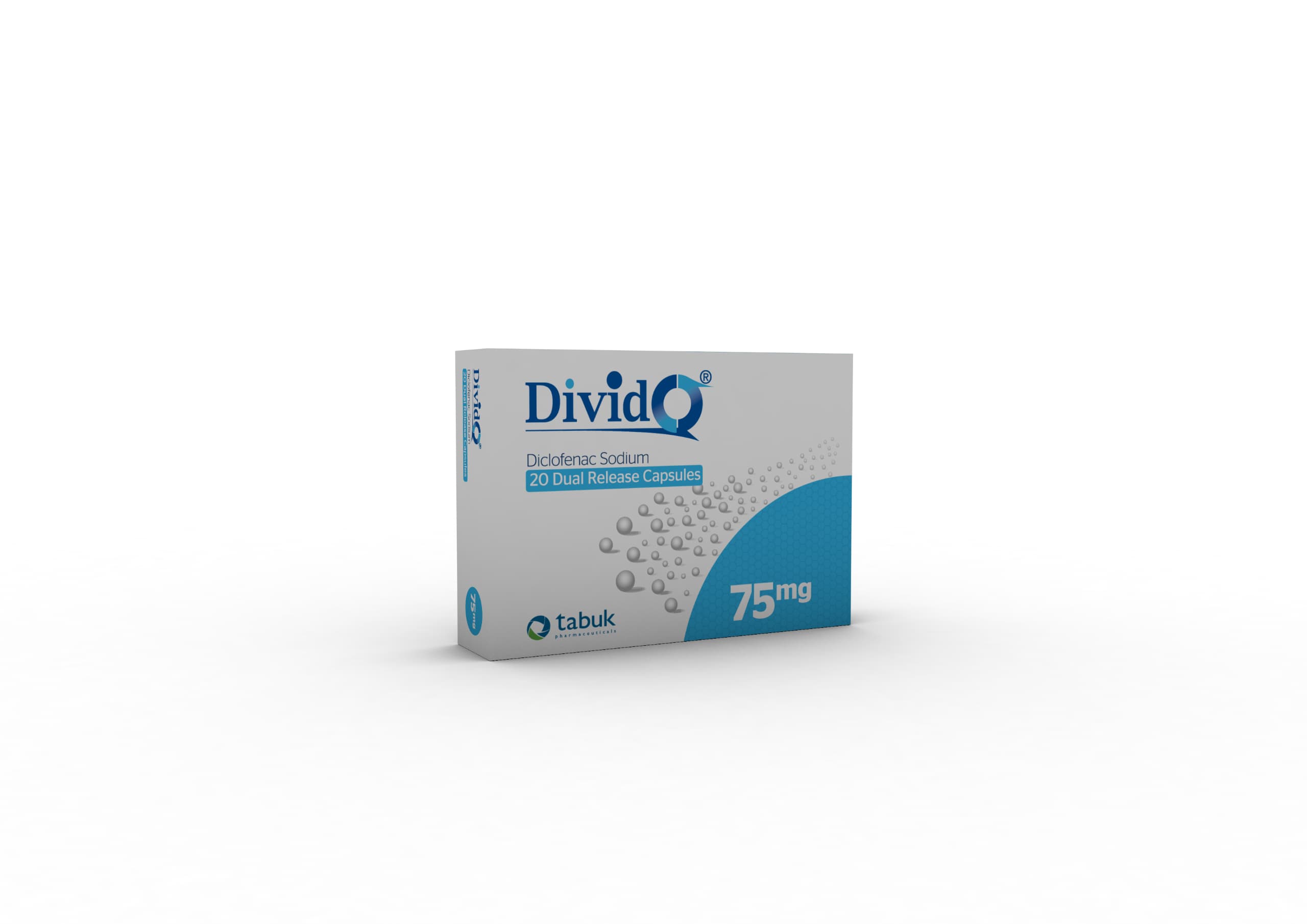
Comprehensive Guide to Divido 75 mg Capsules
Divido 75 mg capsules are a widely utilized pharmaceutical formulation containing Diclofenac Sodium, a potent non-steroidal anti-inflammatory drug (NSAID). In the field of orthopedics and pain management, Divido is frequently prescribed for its dual-action efficacy in mitigating inflammation and alleviating moderate to severe pain. This guide provides an exhaustive clinical overview of the medication, intended for informational purposes for healthcare professionals and patients alike.
1. Introduction and Overview
Divido 75 mg is a modified-release capsule designed to provide a sustained therapeutic effect. The "modified-release" formulation is critical in clinical practice, as it allows for a more stable plasma concentration of Diclofenac compared to conventional immediate-release tablets. This reduces the frequency of dosing while maintaining high efficacy in managing chronic and acute inflammatory conditions.
Diclofenac belongs to the phenylacetic acid derivative class of NSAIDs. It is widely recognized for its high potency compared to other traditional NSAIDs, making it a cornerstone in the treatment of musculoskeletal disorders.
2. Mechanism of Action and Pharmacokinetics
Mechanism of Action
The primary mechanism of Divido 75 mg involves the inhibition of the cyclooxygenase (COX) enzymes, specifically COX-1 and COX-2. By inhibiting these enzymes, the medication prevents the synthesis of prostaglandins—lipid compounds that act as mediators of pain, fever, and inflammation.
- Inhibition of Prostaglandin Synthesis: By blocking the arachidonic acid cascade, Divido effectively reduces the sensitization of pain receptors.
- Anti-inflammatory Effect: By suppressing the release of inflammatory cytokines, it helps reduce edema and tissue swelling.
Pharmacokinetics
Understanding the pharmacokinetics of Divido 75 mg is essential for optimizing clinical outcomes:
| Feature | Description |
|---|---|
| Absorption | Rapidly and completely absorbed after oral administration. |
| Protein Binding | Highly bound to serum albumin (>99%). |
| Metabolism | Hepatic metabolism via hydroxylation and conjugation. |
| Half-life | Terminal plasma half-life of approximately 1–2 hours, though the modified-release formulation extends the effect. |
| Excretion | Primarily excreted in urine (60%) and bile/feces (40%). |
3. Clinical Indications and Usage
Divido 75 mg is indicated for conditions where inflammation and pain are the primary symptoms. It is frequently employed in the following clinical scenarios:
- Rheumatoid Arthritis: Long-term management of joint inflammation.
- Osteoarthritis: Reducing pain and stiffness in weight-bearing joints.
- Ankylosing Spondylitis: Managing spinal inflammation.
- Acute Musculoskeletal Injuries: Including sprains, strains, and post-traumatic inflammation.
- Post-operative Pain: Management of inflammation following orthopedic surgery.
- Dysmenorrhea: Relief of primary menstrual pain.
- Acute Gout Attacks: Reducing the inflammatory response in acute flare-ups.
4. Dosage Guidelines
The dosage must be individualized based on the patient's age, the severity of the condition, and their history of gastrointestinal or cardiovascular disease.
- Standard Adult Dose: One 75 mg capsule once or twice daily, depending on the severity of the pain.
- Maximum Daily Dose: Should not exceed 150 mg per day.
- Administration: It is recommended to take the capsule with or after food to minimize the risk of gastrointestinal irritation. The capsule should be swallowed whole; it should not be crushed or chewed, as this may compromise the modified-release mechanism.
5. Risks, Side Effects, and Contraindications
Common Side Effects
While effective, Divido, like all NSAIDs, carries a profile of potential side effects:
* Gastrointestinal: Nausea, dyspepsia, abdominal pain, diarrhea.
* Central Nervous System: Dizziness, headache, fatigue.
* Dermatological: Rash or pruritus.
Serious Risks (Black Box Warnings)
- Cardiovascular Risk: Increased risk of serious cardiovascular thrombotic events, including myocardial infarction and stroke.
- Gastrointestinal Risk: Increased risk of serious GI adverse events, including bleeding, ulceration, and perforation of the stomach or intestines.
Contraindications
Divido 75 mg should not be used in patients with:
1. Known hypersensitivity to Diclofenac or any components of the capsule.
2. Active peptic ulcer disease or gastrointestinal bleeding.
3. History of asthma, urticaria, or allergic-type reactions after taking aspirin or other NSAIDs.
4. Established congestive heart failure (NYHA II-IV), ischemic heart disease, or peripheral arterial disease.
5. Severe hepatic or renal impairment.
6. Drug Interactions and Special Warnings
Important Drug Interactions
- Anticoagulants: Increased risk of bleeding when taken with Warfarin or Heparin.
- Other NSAIDs: Combined use increases the risk of GI toxicity.
- ACE Inhibitors/Diuretics: Diclofenac may diminish the antihypertensive effect and increase the risk of nephrotoxicity.
- Lithium/Methotrexate: Diclofenac can increase plasma concentrations of these drugs, leading to potential toxicity.
Pregnancy and Lactation
- Pregnancy: Divido is contraindicated, especially in the third trimester, due to the risk of premature closure of the ductus arteriosus and potential renal impairment in the fetus.
- Lactation: Diclofenac is excreted in breast milk in small amounts; however, caution is advised, and it is generally avoided in nursing mothers.
7. Overdose Management
Symptoms of Diclofenac overdose include headache, nausea, vomiting, epigastric pain, gastrointestinal bleeding, and in rare cases, hypertension, acute renal failure, or respiratory depression.
Management:
1. Supportive Care: Symptomatic and supportive treatment is required.
2. Gastric Decontamination: Activated charcoal may be administered if the ingestion is recent (within 1 hour).
3. Renal/Hepatic Monitoring: Close monitoring of renal and hepatic function is essential.
4. No Specific Antidote: There is no specific antidote for Diclofenac; forced diuresis or hemodialysis is generally ineffective due to high protein binding.
8. Frequently Asked Questions (FAQ)
1. Is Divido 75 mg an antibiotic?
No, Divido 75 mg is a non-steroidal anti-inflammatory drug (NSAID). It does not treat bacterial infections.
2. Can I take Divido on an empty stomach?
It is highly recommended to take Divido with food to reduce the risk of stomach irritation and gastric side effects.
3. How long can I safely take Divido?
Divido should be used for the shortest duration necessary to achieve pain control. Long-term use should be under strict medical supervision due to cardiovascular and GI risks.
4. Does Divido interact with blood pressure medication?
Yes, it can reduce the effectiveness of blood pressure medications and potentially affect kidney function if taken concurrently.
5. Can I take Divido if I have asthma?
Caution is advised. Some patients with asthma have "aspirin-sensitive asthma" and may experience severe bronchospasm if they take NSAIDs. Consult your doctor first.
6. What should I do if I miss a dose?
Take the dose as soon as you remember. If it is nearly time for your next dose, skip the missed dose. Do not take a double dose.
7. Is Divido safe for elderly patients?
Elderly patients are at higher risk for serious GI and cardiovascular events. If prescribed, the lowest effective dose should be used for the shortest duration.
8. Can I consume alcohol while taking Divido?
Alcohol can increase the risk of gastrointestinal irritation and bleeding when taken with NSAIDs. It is advisable to avoid alcohol.
9. Does Divido cause weight gain?
Fluid retention can occur with NSAID use, which may manifest as slight weight gain. If significant swelling (edema) occurs, contact your physician.
10. Can I drive after taking Divido?
If you experience dizziness, drowsiness, or visual disturbances after taking the medication, you should avoid driving or operating heavy machinery.
Disclaimer: This content is for educational purposes only and does not constitute professional medical advice, diagnosis, or treatment. Always seek the advice of your physician or qualified healthcare provider with any questions you may have regarding a medical condition or medication.