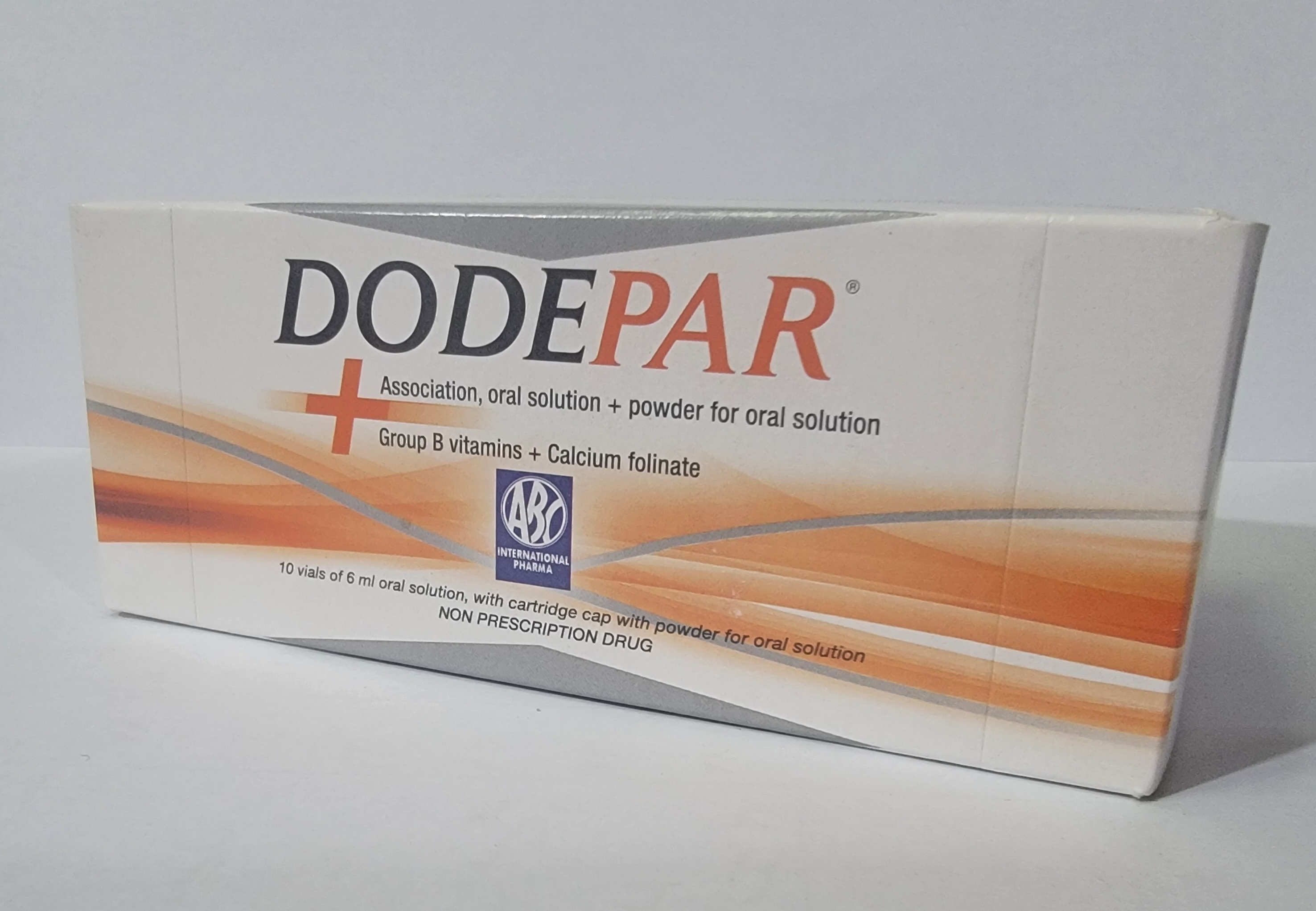
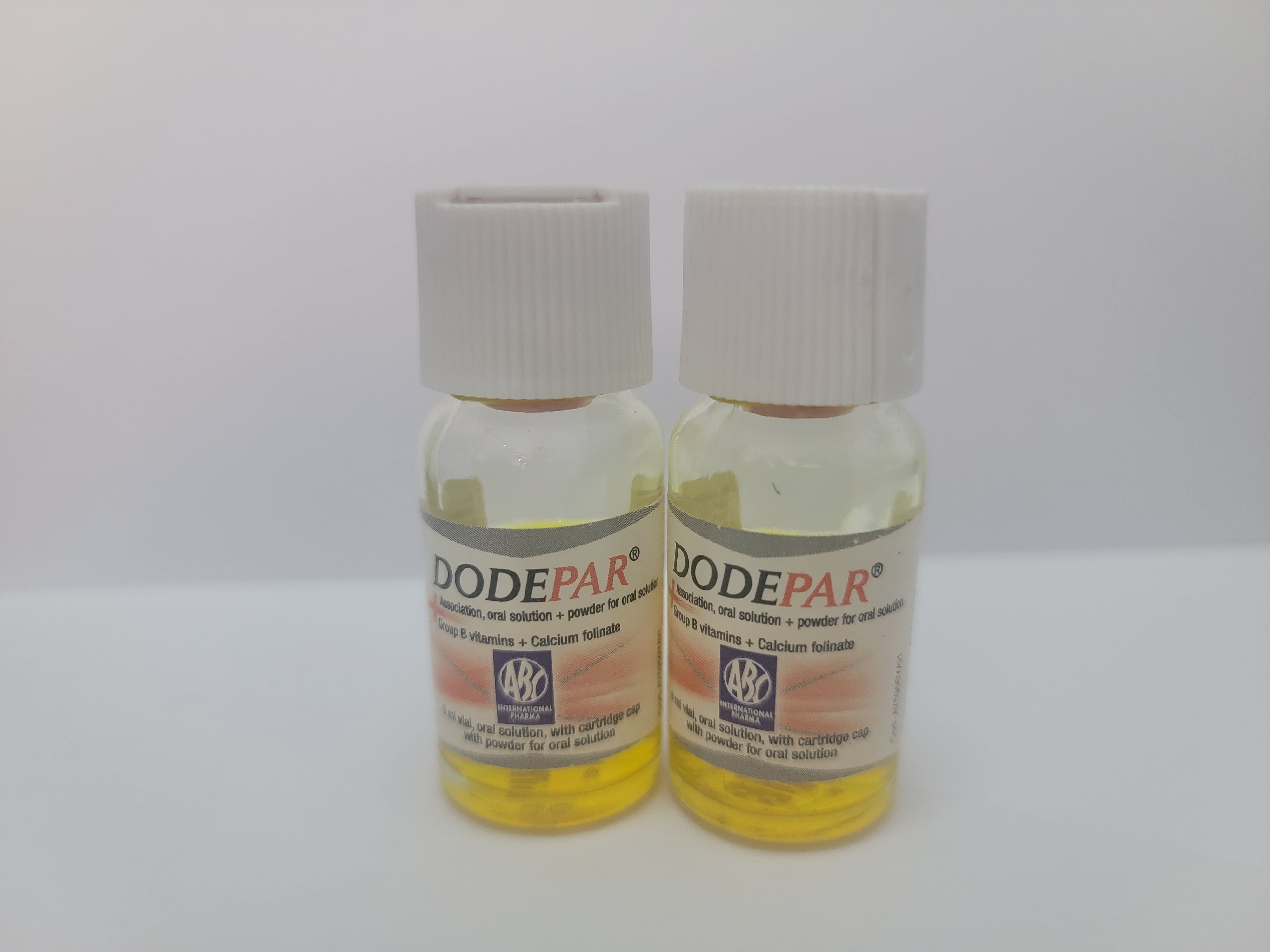

Comprehensive Guide to Dodepar Oral Vial: Clinical Standards and Usage
Dodepar Oral Vial represents a significant therapeutic option in the management of specific nutritional or metabolic deficiencies. As an expert in orthopedic and clinical pharmacology, it is essential to understand that the efficacy of any oral supplement or medication relies heavily on accurate administration, patient compliance, and a deep understanding of its pharmacodynamic profile.
This guide serves as a technical resource for healthcare professionals and patients seeking detailed information regarding the mechanism of action, clinical indications, and safety profile of Dodepar Oral Vial.
1. Introduction and Overview
Dodepar Oral Vial is a specialized formulation designed for rapid systemic absorption. Unlike traditional tablet forms, the oral vial delivery system is engineered to bypass initial gastric degradation, ensuring higher bioavailability of the active ingredients. In clinical practice, it is primarily employed as a therapeutic intervention for patients suffering from acute metabolic fatigue, post-surgical recovery, or specific deficiencies that require immediate supplementation.
Its formulation is optimized for patients who may have difficulty with swallowing larger solid-dosage forms or those who require a precise liquid titration for optimal therapeutic response.
2. Technical Specifications and Mechanism of Action
To understand why Dodepar is effective, one must analyze its interaction at the cellular level. The mechanism of action is multifaceted, targeting energy production pathways and cellular repair mechanisms.
Pharmacodynamics
Dodepar functions by facilitating the conversion of substrates into energy (ATP). It acts as a co-factor in critical enzymatic reactions, specifically targeting the Krebs cycle. By enhancing mitochondrial efficiency, the medication helps mitigate oxidative stress in tissues, which is particularly beneficial in orthopedic recovery where localized inflammation is prevalent.
Pharmacokinetics
The pharmacokinetic profile of the oral vial is characterized by:
* Absorption: Rapid absorption through the gastric mucosa and the proximal small intestine.
* Distribution: High affinity for muscle and nervous tissue.
* Metabolism: Primarily hepatic.
* Elimination: Renal excretion of metabolites within 6–12 hours post-administration.
| Parameter | Observed Behavior |
|---|---|
| Onset of Action | 15–30 minutes |
| Peak Plasma Concentration | 60–90 minutes |
| Half-life | 4–6 hours |
3. Clinical Indications and Usage
Dodepar Oral Vial is indicated for a variety of clinical scenarios. Its primary use case revolves around the replenishment of essential nutrients during periods of high physiological demand.
Primary Indications:
- Metabolic Recovery: Used in patients recovering from systemic illness or extensive orthopedic surgery to restore energy levels.
- Nutritional Deficiencies: Prescribed for patients with malabsorption syndromes or restricted dietary intake.
- Physical Fatigue: Indicated for the management of asthenia (chronic weakness) associated with convalescence.
- Musculoskeletal Support: Used as an adjunct therapy to support tissue repair and reduce recovery time in orthopedic rehabilitation.
Dosage Guidelines
Dosage must be individualized based on the severity of the patient's condition and their physiological response.
- Adults: 1 vial (standard concentration) daily, preferably taken in the morning to optimize metabolic activity throughout the day.
- Maintenance: 1 vial every 48 hours, or as directed by a physician.
- Administration: The vial should be diluted in a small amount of water or taken directly if the clinical protocol allows. It is recommended to shake the vial well before use to ensure the suspension of active ingredients.
4. Risks, Side Effects, and Contraindications
While Dodepar is generally well-tolerated, clinical vigilance is required. Adverse reactions, though rare, should be monitored.
Common Side Effects
- Mild gastrointestinal discomfort (nausea or bloating).
- Temporary changes in urine coloration (due to water-soluble components).
- Occasional allergic skin reactions (rash or pruritus).
Contraindications
- Hypersensitivity: Known allergy to any of the components listed in the formulation.
- Renal Impairment: Patients with severe chronic kidney disease should consult a nephrologist before use, as renal clearance of metabolites may be compromised.
- Hypercalcemia/Hypervitaminosis: If the formulation contains specific vitamins/minerals, it must be avoided in patients with existing toxicity levels.
Pregnancy and Lactation
Data on the use of Dodepar during pregnancy is limited. It is classified as "Use only if the potential benefit justifies the potential risk to the fetus." Breastfeeding mothers should consult a pediatrician, as components may be excreted in breast milk.
5. Drug Interactions
Clinical interactions are a critical consideration. Dodepar may interact with:
1. Antibiotics: Certain classes (e.g., tetracyclines) may have reduced absorption if taken simultaneously. Maintain a 2-hour window.
2. Antacids: Can alter the gastric pH, potentially reducing the absorption of the oral vial contents.
3. Diuretics: May alter the renal excretion rates of the active components.
6. Overdose Management
In the event of an overdose, the patient should be monitored for signs of metabolic distress.
* Symptoms: Severe gastrointestinal upset, palpitations, or dizziness.
* Management: Immediate cessation of the medication. Supportive care, including gastric lavage or activated charcoal, may be indicated if the ingestion was massive and recent. Seek emergency medical attention if symptoms persist.
7. Frequently Asked Questions (FAQ)
1. How quickly does Dodepar Oral Vial work?
Most patients report a noticeable improvement in energy levels within 30 to 60 minutes after ingestion due to the liquid formulation's rapid absorption.
2. Can I take Dodepar with food?
Yes, it can be taken with or without food. However, taking it with a light meal may further reduce the risk of minor stomach upset.
3. Is Dodepar safe for children?
Dodepar is generally intended for adult use. Pediatric administration should only occur under the strict supervision and dosage calculation of a pediatrician.
4. Can I mix the vial with juice?
Yes, you may mix the contents with juice or water to improve the taste, provided the entire amount is consumed immediately after mixing.
5. Does Dodepar cause weight gain?
No, the medication does not contain significant caloric content to cause weight gain. It is designed to assist in metabolic efficiency.
6. What should I do if I miss a dose?
Take the missed dose as soon as you remember. If it is nearly time for your next dose, skip the missed one. Do not double the dose to make up for a forgotten one.
7. Does it interact with blood pressure medication?
There is no direct evidence of interaction with standard antihypertensives, but monitoring blood pressure during the initiation of any new supplement is recommended.
8. How should the vials be stored?
Store in a cool, dry place, away from direct sunlight and out of the reach of children. Do not freeze the vials.
9. Can I use Dodepar for long-term fatigue?
Dodepar is typically used for short-term recovery. If fatigue persists beyond 4 weeks, a comprehensive diagnostic workup for underlying causes (e.g., thyroid issues, anemia) is necessary.
10. Is this medication addictive?
No, Dodepar does not contain substances that induce physiological or psychological dependence.
Conclusion
Dodepar Oral Vial is a potent tool in the modern clinical arsenal for addressing metabolic and nutritional deficiencies. By providing a highly bioavailable delivery system, it offers a distinct advantage in patient compliance and therapeutic efficacy. As with all medical interventions, it is crucial to follow the prescribed dosage and consult with a healthcare professional regarding any personal health history or concurrent medications.
Disclaimer: This guide is for informational purposes only and does not constitute medical advice, diagnosis, or treatment. Always seek the advice of your physician or qualified health provider with any questions you may have regarding a medical condition.