
Understanding Dona: A Comprehensive Clinical Overview
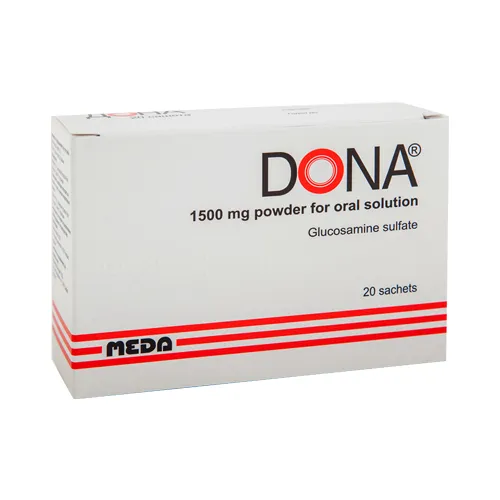
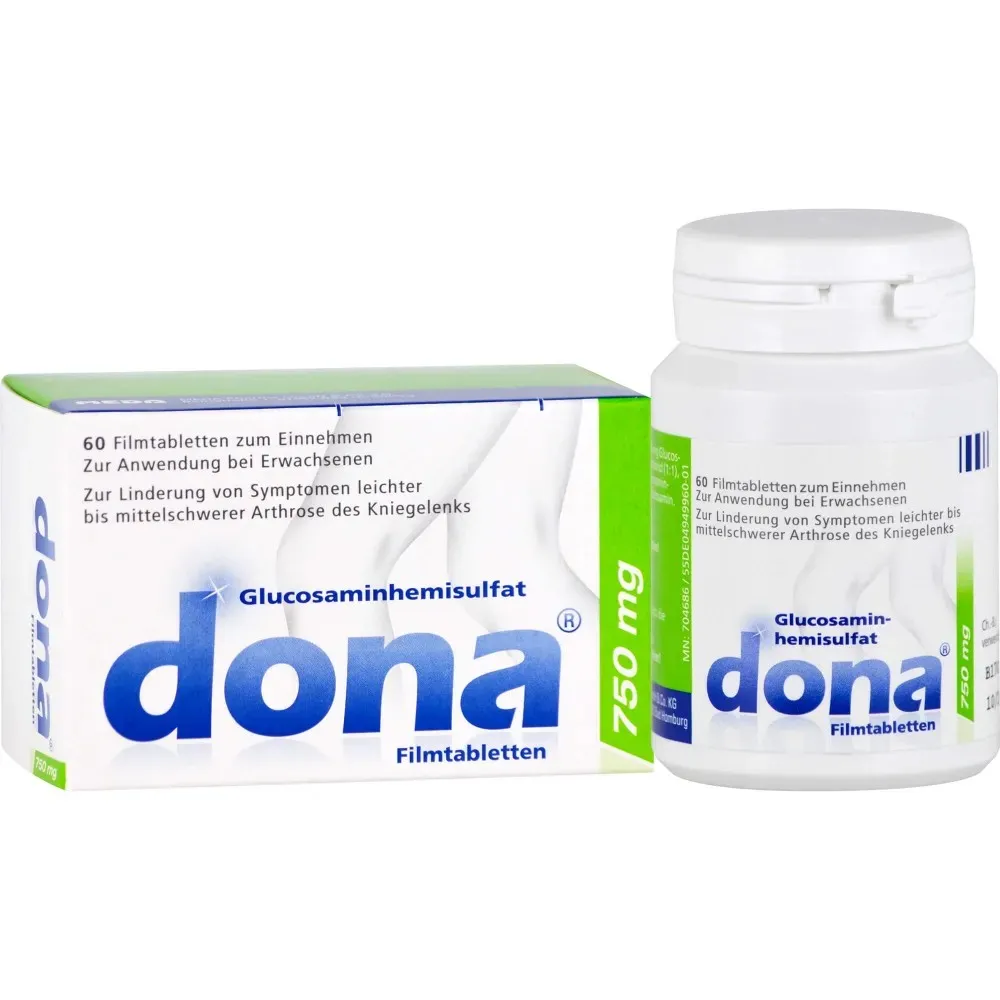
Dona is a specialized pharmaceutical-grade preparation containing crystalline glucosamine sulfate. Unlike over-the-counter dietary supplements, Dona is often classified as a therapeutic agent in many jurisdictions due to its standardized formulation and clinical validation. It is primarily utilized in the management of osteoarthritis (OA), focusing on symptomatic relief and the potential modification of structural joint degradation.
In the field of orthopedics and rheumatology, Dona serves as a cornerstone for patients seeking to manage chronic joint pain without relying solely on non-steroidal anti-inflammatory drugs (NSAIDs). By providing the essential building blocks for articular cartilage, Dona aims to address the underlying biochemical imbalances associated with joint wear and tear.
Technical Specifications and Mechanism of Action
To understand why Dona is effective, one must look at the biochemical requirements of healthy articular cartilage. Cartilage is composed of a complex matrix of collagen and proteoglycans. The synthesis of these proteoglycans requires glucosamine as a precursor.
The Mechanism of Action
Dona functions through several distinct pharmacological pathways:
- Substrate Provision: It provides the exogenous supply of glucosamine, an amino monosaccharide that acts as the preferred substrate for the biosynthesis of glycosaminoglycans (GAGs) and proteoglycans.
- Stimulation of Chondrocytes: It stimulates the chondrocytes to increase the production of the extracellular matrix.
- Anti-inflammatory Properties: Unlike NSAIDs, which block COX enzymes, Dona exerts a mild anti-inflammatory effect by inhibiting the expression of inflammatory cytokines, such as interleukin-1 beta (IL-1β), which are responsible for cartilage degradation.
- Protection against Degradation: It inhibits the activity of proteolytic enzymes, including collagenases and metalloproteinases, which break down the joint structure.
Pharmacokinetics
The bioavailability of crystalline glucosamine sulfate is high when administered orally.
* Absorption: The sulfate component ensures stability and high absorption rates in the gastrointestinal tract.
* Distribution: Upon absorption, it is primarily distributed to the articular cartilage and synovial fluid.
* Metabolism: It is integrated into the metabolic pathways of the joint tissues.
* Excretion: The remainder is excreted primarily via the renal route.
Clinical Indications and Dosage Guidelines
Dona is specifically indicated for the treatment of osteoarthritis of the knee and other synovial joints. It is most effective in patients with mild to moderate symptoms where the goal is to reduce pain and improve physical function.
Standard Dosage Regimen
The clinical efficacy of Dona is highly dependent on consistent administration. The following table outlines the standard therapeutic approach:
| Administration Method | Frequency | Daily Dose |
|---|---|---|
| Oral (Sachet/Tablet) | Once Daily | 1500 mg |
| Duration | Long-term | 3 to 6 months minimum |
Note: Clinical improvement is typically observed after 4 to 8 weeks of continuous therapy. If no improvement is noted after 6 months, consultation with a specialist is required to reassess the treatment plan.
Risks, Side Effects, and Contraindications
While Dona is generally well-tolerated, it is a pharmacological agent and carries specific risks that must be monitored by healthcare professionals.
Potential Side Effects
Most side effects are gastrointestinal in nature and are typically mild:
* Epigastric pain or discomfort
* Nausea or vomiting
* Diarrhea or constipation
* Skin reactions (rare, such as rash or pruritus)
Contraindications
- Shellfish Allergy: Since many glucosamine sources are derived from the exoskeletons of shellfish, patients with severe crustacean allergies should exercise extreme caution or avoid use.
- Phenylketonuria (PKU): Certain formulations of Dona (specifically sachets) may contain aspartame, which is contraindicated in patients with PKU.
- Renal/Hepatic Impairment: Patients with severe kidney or liver disease should consult a physician, as dose adjustments may be necessary.
Drug Interactions
- Warfarin/Coumarin Derivatives: There have been reports of increased INR levels in patients taking vitamin K antagonists (like warfarin) concurrently with glucosamine. Careful monitoring of coagulation status is advised.
- Tetracyclines: Glucosamine may affect the absorption of certain antibiotics; it is recommended to space dosages.
Pregnancy and Lactation Warnings
The clinical data regarding the use of Dona during pregnancy and breastfeeding is limited. As a general precautionary measure:
* Pregnancy: It is not recommended for use during pregnancy, particularly in the first trimester, due to a lack of long-term safety studies in human populations.
* Lactation: It is advised to avoid use during breastfeeding as it is unknown if the drug is excreted into breast milk.
Overdose Management
Acute toxicity of glucosamine is extremely low. However, in the event of an overdose:
1. Monitor: Observe the patient for gastrointestinal distress.
2. Symptomatic Treatment: Provide supportive care if nausea or abdominal pain occurs.
3. Medical Consultation: Contact a poison control center if a massive dose has been ingested, though significant systemic toxicity is not expected.
Frequently Asked Questions (FAQ)
1. Is Dona a cure for osteoarthritis?
No. Dona is a disease-modifying agent intended to manage symptoms and slow the progression of joint degradation. It cannot regenerate cartilage that has been completely destroyed.
2. How long does it take for Dona to start working?
Most patients report a reduction in pain and stiffness within 4 to 8 weeks of consistent, daily use.
3. Can I take Dona with my regular pain medications?
Yes, Dona is often used in combination with NSAIDs or analgesics. In many cases, it allows for a "tapering off" of these medications over time. Always consult your doctor before changing your regimen.
4. Is the sulfate form better than the hydrochloride form?
Yes. Clinical studies have specifically validated "crystalline glucosamine sulfate" (Dona) as the most effective form for treating osteoarthritis, as the sulfate moiety provides additional benefits to cartilage sulfur content.
5. Does Dona affect blood sugar levels?
While there were initial concerns regarding glucosamine and insulin resistance, large-scale studies have shown that standard therapeutic doses of Dona do not significantly affect glucose metabolism in non-diabetic or diabetic patients. However, diabetics should monitor their levels during the initiation of treatment.
6. Do I need a prescription for Dona?
This depends on your country’s regulations. In many regions, Dona is a prescription-only medicine due to its standardized pharmaceutical quality.
7. What should I do if I miss a dose?
Take the dose as soon as you remember. If it is nearly time for your next dose, skip the missed dose. Do not take a double dose to make up for a missed one.
8. Is Dona safe for long-term use?
Yes, Dona is designed for long-term management. Safety profiles from studies spanning several years suggest it is safe for chronic use.
9. Can vegetarians take Dona?
Unless the product is specifically labeled as "vegan" or "vegetarian" (derived from fungal fermentation), most standard Dona preparations are shellfish-derived.
10. Can Dona help with back pain?
Dona is indicated for synovial joints (like the knee). While some patients use it for spinal osteoarthritis, the clinical evidence is most robust for knee osteoarthritis.
Clinical Conclusion
Dona represents a significant advancement in the conservative management of osteoarthritis. By shifting the focus from mere symptom suppression to supporting the physiological integrity of the joint, it offers a sustainable option for long-term joint health. As with any medical intervention, patients should maintain open communication with their orthopedic specialist to ensure the treatment is tailored to their specific radiographic and symptomatic profile.