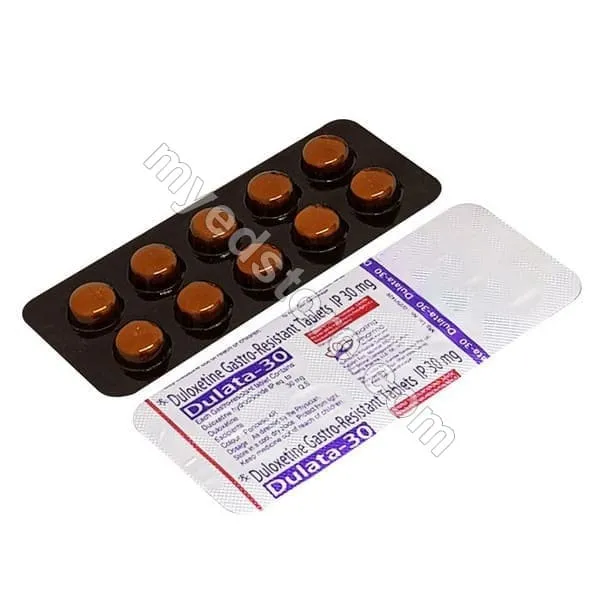

Comprehensive Guide to Duloxetine: Clinical Overview
Duloxetine, commonly known by the brand name Cymbalta, is a potent pharmaceutical agent classified as a Serotonin-Norepinephrine Reuptake Inhibitor (SNRI). Within the realm of orthopedics and pain management, it serves as a critical non-opioid intervention for chronic musculoskeletal conditions. Unlike traditional antidepressants, Duloxetine has unique neurological pathways that allow it to modulate pain signals, making it a cornerstone therapy for patients suffering from chronic pain, fibromyalgia, and neuropathic conditions.
This guide provides an exhaustive look at the clinical profile of Duloxetine, intended for healthcare providers and patients seeking a deep understanding of its pharmacological application.
Mechanism of Action and Pharmacokinetics
Pharmacological Mechanism
Duloxetine functions through the potent inhibition of neuronal serotonin and norepinephrine reuptake. By increasing the concentrations of these neurotransmitters in the synaptic clefts of the central nervous system, Duloxetine enhances descending inhibitory pain pathways.
In the context of chronic orthopedic pain, the modulation of norepinephrine is particularly significant. Norepinephrine plays a vital role in the spinal cord's ability to "gate" pain signals. By augmenting these levels, the drug effectively raises the pain threshold, providing relief for conditions that are often resistant to standard anti-inflammatory medications.
Pharmacokinetics
Understanding how the body processes Duloxetine is essential for optimizing therapeutic outcomes:
| Parameter | Clinical Detail |
|---|---|
| Absorption | Well-absorbed orally; peak plasma concentrations occur at 6 hours. |
| Bioavailability | Approximately 50% (variable due to first-pass metabolism). |
| Protein Binding | Highly bound (>90%) to albumin and alpha-1-acid glycoprotein. |
| Metabolism | Extensively metabolized in the liver via CYP1A2 and CYP2D6. |
| Elimination Half-life | Approximately 12 hours. |
Extensive Clinical Indications
Duloxetine is FDA-approved for a variety of psychiatric and somatic conditions. Its multifaceted approach makes it a versatile tool in modern medicine.
1. Chronic Musculoskeletal Pain
This is the primary application in orthopedic settings. It is specifically indicated for the management of chronic low back pain and pain associated with osteoarthritis. It provides a systemic approach to pain that local injections or topical NSAIDs cannot achieve.
2. Diabetic Peripheral Neuropathy
Duloxetine is a first-line treatment for the management of diabetic peripheral neuropathic pain, addressing the "burning" or "tingling" sensation that often accompanies metabolic nerve damage.
3. Fibromyalgia
Patients with fibromyalgia often report widespread musculoskeletal pain. Duloxetine helps manage this by addressing both the physical pain components and the comorbid depressive symptoms often seen in these patients.
4. Major Depressive Disorder (MDD) and Generalized Anxiety Disorder (GAD)
Beyond physical pain, Duloxetine serves as a primary treatment for MDD and GAD, helping to restore neurotransmitter balance in the frontal cortex.
Dosage Guidelines and Administration
Dosage is highly individualized based on the patient's condition, renal function, and hepatic health.
- General Dosage Range: Typically starts at 30 mg once daily, often titrated to 60 mg once daily.
- Maximum Dosage: 120 mg per day. There is no evidence that doses higher than 60 mg provide additional efficacy for pain conditions, though they may be used for depression.
- Administration: Capsules should be swallowed whole. Do not crush, chew, or open the capsules, as this may destroy the enteric coating designed to protect the drug from gastric acid.
Contraindications and Risks
Contraindications
- MAO Inhibitors: Do not use within 14 days of starting or stopping an MAO Inhibitor. This poses a severe risk of Serotonin Syndrome.
- Narrow-Angle Glaucoma: Duloxetine may increase the risk of mydriasis (pupillary dilation).
- Hepatic Impairment: Avoid in patients with chronic liver disease or substantial alcohol consumption, as it can cause hepatotoxicity.
Significant Side Effects
- Gastrointestinal: Nausea (most common), dry mouth, and constipation.
- Neurological: Dizziness, somnolence, and insomnia.
- Metabolic: Potential for weight changes and appetite suppression.
- Cardiovascular: Potential for mild increases in blood pressure.
Pregnancy and Lactation
- Pregnancy: Duloxetine should only be used if the potential benefit justifies the potential risk to the fetus. Neonatal withdrawal symptoms have been reported.
- Lactation: Duloxetine is excreted into human milk. Caution is advised when administering to nursing mothers.
Drug Interactions
The metabolic pathway of Duloxetine involves the CYP1A2 and CYP2D6 enzymes. Consequently, interactions are frequent and must be monitored:
- CYP1A2 Inhibitors (e.g., Fluvoxamine, Ciprofloxacin): Can significantly increase Duloxetine plasma concentrations.
- Alcohol: Concurrent use may increase the risk of liver damage.
- NSAIDs/Aspirin: Increased risk of gastrointestinal bleeding when combined with SNRIs.
- Triptans/SSRIs: Increased risk of Serotonin Syndrome.
Overdose Management
An overdose of Duloxetine can be life-threatening. Symptoms of toxicity include serotonin syndrome, convulsions, somnolence, and tachycardia.
- Management: There is no specific antidote for Duloxetine. Treatment is primarily supportive.
- Protocol:
- Maintain airway and ventilation.
- Monitor cardiac rhythm and vital signs.
- Activated charcoal may be useful if the ingestion is recent (within 1-2 hours).
- Gastric lavage is generally not recommended unless the ingestion is massive.
Frequently Asked Questions (FAQ)
1. How long does it take for Duloxetine to work?
While some patients report symptom relief within a week, it typically takes 2 to 4 weeks of consistent daily usage to achieve the full therapeutic effect.
2. Can I stop taking Duloxetine suddenly?
No. Sudden discontinuation can lead to "discontinuation syndrome," characterized by dizziness, nausea, headache, and irritability. Always taper the dose under physician supervision.
3. Does Duloxetine cause weight gain?
Unlike some other antidepressants, weight gain is not a primary side effect. In fact, some patients experience an initial loss of appetite.
4. Is Duloxetine an opioid?
No, it is not an opioid. It is a non-addictive, non-narcotic medication that works by balancing neurotransmitters.
5. Can I take Duloxetine with ibuprofen?
Generally, yes, but be aware that both can increase the risk of gastrointestinal irritation or bleeding. Consult your doctor for a personalized risk assessment.
6. Does it affect blood pressure?
Yes, some patients experience slight increases in blood pressure. It is recommended to monitor blood pressure periodically, especially when starting the medication.
7. What happens if I miss a dose?
Take the missed dose as soon as you remember. If it is almost time for your next dose, skip the missed one. Do not take double doses.
8. Is Duloxetine safe for elderly patients?
It can be used in the elderly, but lower starting doses are often recommended due to potential sensitivity and slower metabolism.
9. Will Duloxetine make me sleepy?
It can cause somnolence in some patients, while others might experience insomnia. It is usually recommended to take the medication at the same time each day, regardless of whether it is morning or night, to establish a routine.
10. Does it interact with herbal supplements?
Yes. Specifically, St. John’s Wort can increase the risk of serotonin syndrome when taken with Duloxetine. Always disclose all supplements to your healthcare provider.
Disclaimer: This guide is intended for informational purposes only and does not constitute medical advice, diagnosis, or treatment. Always seek the advice of a physician or other qualified health provider with any questions regarding a medical condition or medication.