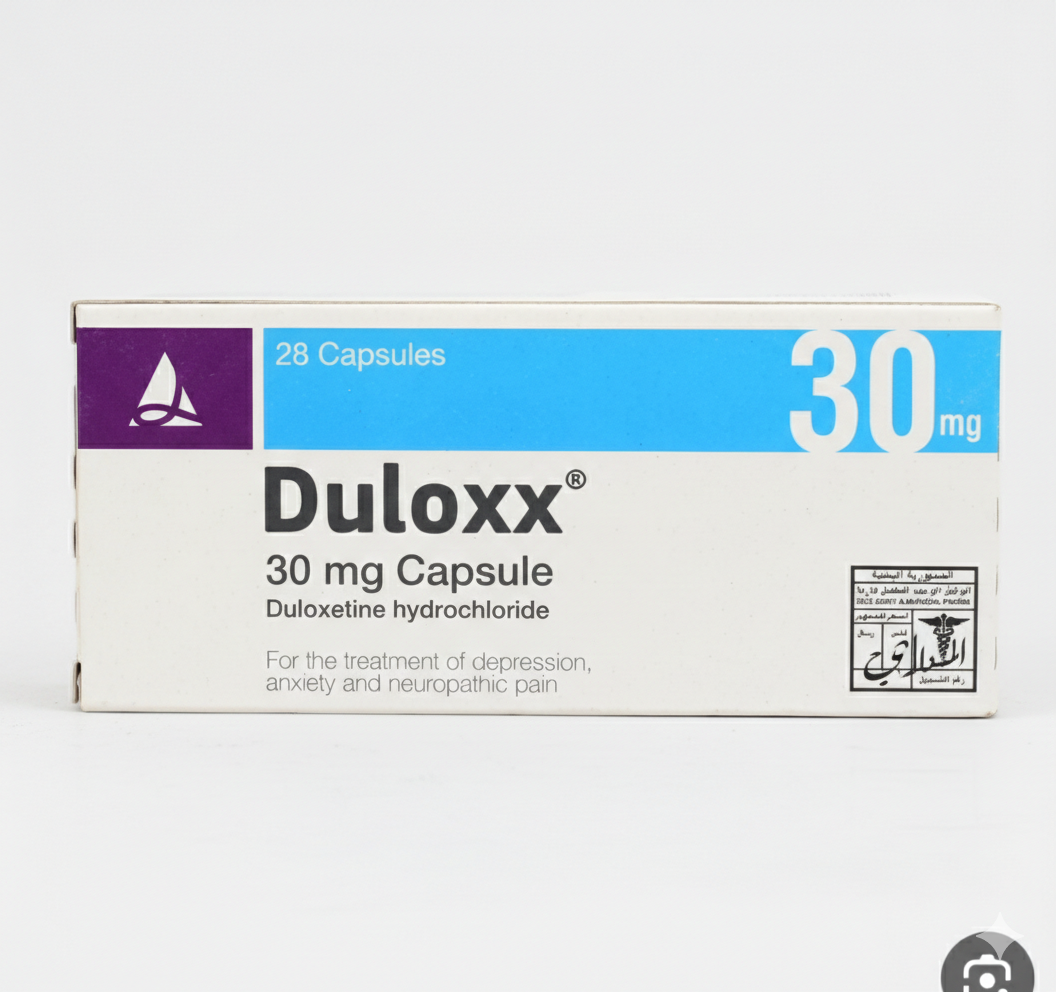
Understanding Duloxx: A Comprehensive Clinical Overview
Duloxx is a potent therapeutic agent widely utilized in the management of chronic pain syndromes and mood disorders. As an orthopedic specialist, I frequently encounter patients whose quality of life is severely compromised by musculoskeletal pain, neuropathic discomfort, and comorbid depressive symptoms. Duloxx serves as a cornerstone in multimodal pain management strategies, bridging the gap between physiological pain relief and psychological stability.
This guide provides an exhaustive review of Duloxx, designed for healthcare professionals and patients seeking a granular understanding of its pharmacological profile, clinical utility, and safety parameters.
Technical Specifications and Mechanism of Action
To understand the efficacy of Duloxx, one must first examine its pharmacodynamics. Duloxx functions primarily as a Serotonin-Norepinephrine Reuptake Inhibitor (SNRI).
The Neurochemical Pathway
Unlike traditional analgesics that target peripheral inflammation, Duloxx operates within the Central Nervous System (CNS). It inhibits the reuptake of serotonin (5-HT) and norepinephrine (NE) at the synaptic cleft.
- Descending Inhibitory Pathways: By increasing the concentrations of 5-HT and NE in the spinal cord, Duloxx enhances the descending inhibitory pain pathways. This effectively "dampens" the pain signals traveling from the peripheral nerves to the brain.
- Affinity Profile: Duloxx exhibits a high affinity for both serotonin and norepinephrine transporters, making it uniquely effective for patients who do not respond to selective serotonin reuptake inhibitors (SSRIs).
Pharmacokinetics
The clinical success of Duloxx is dictated by its predictable pharmacokinetic profile:
| Parameter | Clinical Significance |
|---|---|
| Absorption | Well-absorbed orally; peak plasma concentrations reached in ~6 hours. |
| Protein Binding | Highly bound to plasma proteins (>90%), primarily albumin and alpha-1 acid glycoprotein. |
| Metabolism | Extensive hepatic metabolism via CYP1A2 and CYP2D6 isoenzymes. |
| Elimination | Primarily excreted in urine as inactive metabolites; half-life ~12 hours. |
Clinical Indications and Therapeutic Usage
Duloxx is indicated for a spectrum of conditions where pain and mood regulation intersect. Its dual-action mechanism makes it a preferred choice for the following conditions:
1. Chronic Musculoskeletal Pain
In orthopedics, Duloxx is specifically indicated for chronic lower back pain and osteoarthritis-related pain. It is often prescribed when non-steroidal anti-inflammatory drugs (NSAIDs) are insufficient or contraindicated due to renal or cardiovascular risks.
2. Diabetic Peripheral Neuropathy
Duloxx is a first-line pharmacological intervention for the management of neuropathic pain associated with diabetic peripheral neuropathy, helping to mitigate the "burning" or "tingling" sensations reported by patients.
3. Major Depressive Disorder (MDD)
Beyond physical pain, Duloxx is indicated for MDD. The physical symptoms of depression—such as fatigue and localized muscle aches—often show marked improvement with Duloxx therapy.
4. Generalized Anxiety Disorder (GAD)
Duloxx is effective in reducing the psychological and physical manifestations of GAD, including tension, irritability, and sleep disturbances.
Dosage Guidelines and Administration
Individualization of dosage is critical when initiating Duloxx therapy. The following table outlines standard therapeutic ranges:
| Indication | Starting Dose | Maintenance Dose | Maximum Dose |
|---|---|---|---|
| MDD | 20–40 mg/day | 60 mg/day | 120 mg/day |
| Chronic Pain | 30–60 mg/day | 60 mg/day | 120 mg/day |
| GAD | 30–60 mg/day | 60 mg/day | 120 mg/day |
- Administration: Capsules should be swallowed whole. They must not be chewed, crushed, or opened, as the enteric coating is essential for preventing degradation by gastric acid.
- Titration: It is recommended to start at the lowest effective dose and titrate upward every 1–2 weeks based on clinical response and tolerability.
Risks, Contraindications, and Safety Warnings
While Duloxx is highly effective, it is not without risks. Rigorous patient screening is required.
Contraindications
- MAOIs: Concomitant use with Monoamine Oxidase Inhibitors (MAOIs) is strictly contraindicated due to the risk of serotonin syndrome. A washout period of at least 14 days is required when switching medications.
- Hepatic Impairment: Duloxx should be avoided in patients with substantial hepatic insufficiency, as it may lead to elevated plasma concentrations.
- Uncontrolled Narrow-Angle Glaucoma: The adrenergic effects of Duloxx can cause mydriasis, potentially exacerbating narrow-angle glaucoma.
Common Side Effects
Most side effects are dose-dependent and often subside after the first few weeks of treatment:
* Gastrointestinal: Nausea (most common), dry mouth, constipation, and reduced appetite.
* Neurological: Dizziness, somnolence, and fatigue.
* Sexual Dysfunction: Decreased libido or erectile dysfunction.
* Cardiovascular: Potential for transient increases in blood pressure.
Pregnancy and Lactation
- Pregnancy: Duloxx should only be used during pregnancy if the potential benefit outweighs the potential risk to the fetus. Neonatal complications have been reported following late-third-trimester exposure.
- Lactation: Duloxx is excreted in human milk. Consult with an obstetrician/pediatrician before use in breastfeeding mothers.
Overdose Management
An overdose of Duloxx can be life-threatening. Symptoms of toxicity include serotonin syndrome, tachycardia, seizures, and hypotension.
- Immediate Action: Seek emergency medical attention immediately.
- Supportive Care: There is no specific antidote for Duloxx. Management includes airway protection, cardiac monitoring, and aggressive supportive therapy.
- Activated Charcoal: May be considered if the ingestion is recent (within 1-2 hours) and the patient is conscious.
- Serotonin Syndrome Protocol: If serotonin syndrome is suspected, cease all serotonergic agents and provide cooling measures and benzodiazepines as indicated.
Frequently Asked Questions (FAQ)
1. How long does it take for Duloxx to start working?
Patients often report improvements in sleep and energy within the first week, but full therapeutic effect for pain or depression typically requires 2 to 4 weeks of consistent dosing.
2. Can I stop taking Duloxx suddenly?
No. Abrupt discontinuation can lead to withdrawal symptoms such as dizziness, headache, irritability, and "brain zaps." Always taper the dosage under medical supervision.
3. Does Duloxx cause weight gain?
Unlike some antidepressants, Duloxx is often weight-neutral. Some patients report weight loss due to an initial decrease in appetite, while others may experience stable weight.
4. Is Duloxx a narcotic or addictive?
No, Duloxx is not a narcotic. It is not classified as a controlled substance and does not produce the "high" associated with addictive opioids.
5. Can I drink alcohol while on Duloxx?
It is generally advised to avoid or limit alcohol intake, as both alcohol and Duloxx can impact the liver and increase the risk of CNS depression.
6. Will Duloxx affect my blood pressure?
Yes, it can cause a modest increase in blood pressure. Regular monitoring of blood pressure is recommended, especially for patients with pre-existing hypertension.
7. What should I do if I miss a dose?
Take the missed dose as soon as you remember. If it is almost time for your next dose, skip the missed one. Do not take two doses at once.
8. Is Duloxx safe for elderly patients?
Duloxx can be used in the elderly, but caution is advised due to the risk of hyponatremia (low sodium levels), especially in those taking diuretics.
9. Can Duloxx be taken with NSAIDs?
Yes, but be aware that the combination may increase the risk of gastrointestinal bleeding. Consult your physician regarding gastroprotective strategies.
10. Why must the capsule be swallowed whole?
The capsule contains enteric-coated pellets. If crushed or chewed, the medication is released prematurely in the stomach, which can lead to increased nausea and decreased bioavailability.
Disclaimer: This guide is for educational purposes only and does not constitute professional medical advice. Always consult with a licensed physician or orthopedic specialist before initiating or altering any medication regimen.