
Comprehensive Guide to the Elbow Hard Brace: Clinical Perspectives
In the field of orthopedic rehabilitation and trauma management, the Elbow Hard Brace—often classified as a rigid orthotic intervention—serves as a cornerstone device for stabilizing the humeroulnar and humeroradial joints. Unlike soft compression sleeves, the hard brace is a biomechanical tool designed to restrict range of motion (ROM), protect surgical sites, and facilitate tissue healing through structural immobilization.
This guide provides an exhaustive clinical overview of the Elbow Hard Brace, its mechanism of action, and the protocols required for effective patient outcomes.
1. Mechanism of Action and Technical Specifications
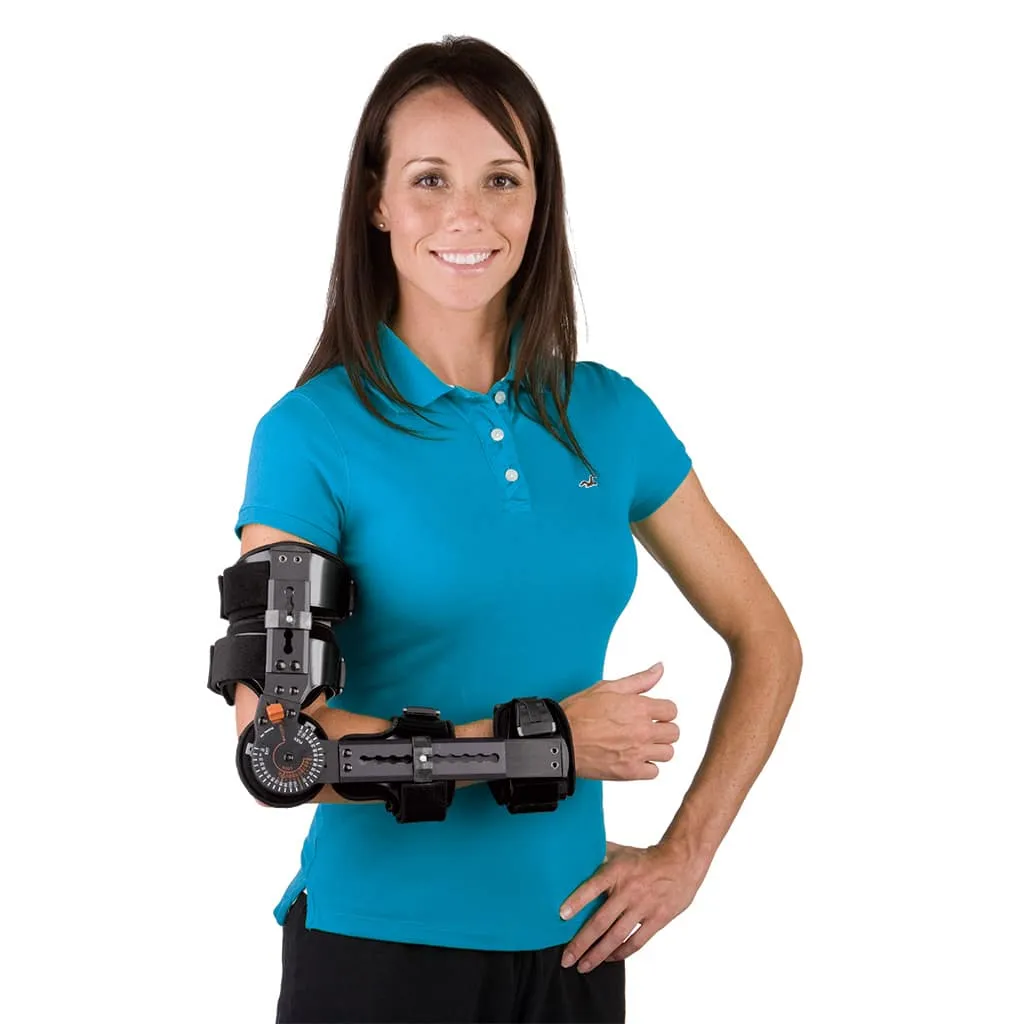
The primary objective of a hard elbow brace is the stabilization of the joint complex. By utilizing rigid lateral and medial struts, the device acts as an external skeleton that offloads the joint and prevents deleterious movements.
Biomechanical Principles
- Joint Immobilization: Prevents flexion/extension or pronation/supination depending on the specific model.
- Load Distribution: Transfers mechanical stress from the injured soft tissues (ligaments/tendons) to the rigid frame of the brace.
- ROM Control: Many modern hard braces feature adjustable dial-lock hinges, allowing clinicians to set specific flexion/extension limits (e.g., 30° to 90°) to prevent hyperextension or excessive strain.
Technical Components
| Component | Function | Material |
|---|---|---|
| Rigid Struts | Provide structural integrity | Aluminum or Carbon Fiber |
| Dial-Lock Hinge | Sets ROM parameters | Reinforced Steel/Polymer |
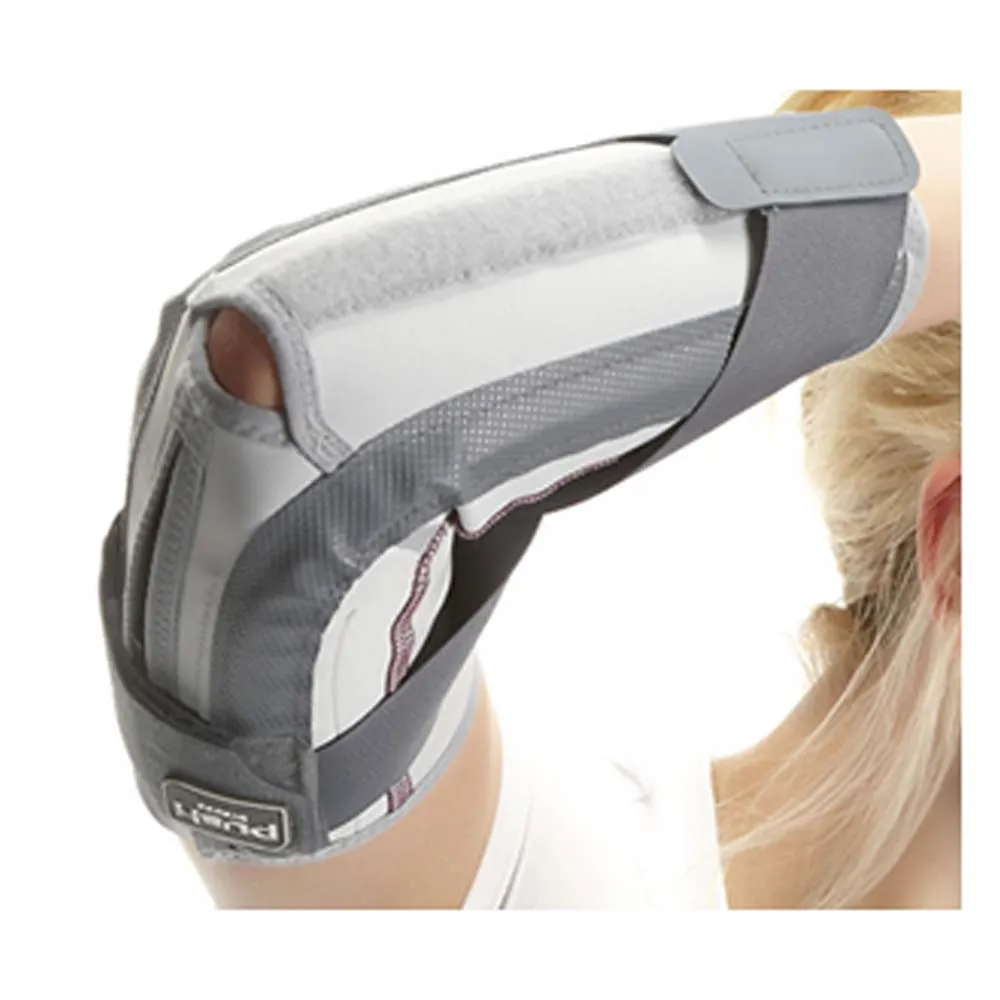
| Strapping System | Ensures compression and secure fit | Velcro/Non-stretch Nylon |
| Padding/Liner | Prevents skin irritation/pressure sores | Breathable Foam/Hypoallergenic Fabric |
2. Clinical Indications and Usage
The Elbow Hard Brace is indicated for conditions where joint integrity is compromised or where surgical intervention requires strict post-operative protection.
Primary Indications
- Post-Surgical Stabilization: Following ulnar collateral ligament (UCL) reconstruction (Tommy John surgery) or distal biceps tendon repair.
- Ligamentous Instability: Severe Grade III sprains of the medial or lateral collateral ligaments.
- Fracture Management: Stable fractures of the distal humerus, olecranon, or radial head that require immobilization during the initial healing phase.
- Post-Reduction: Following the reduction of a complex elbow dislocation to prevent recurrent instability.
Dosage and Duration of Usage
In orthopedic terms, "dosage" refers to the prescribed wear schedule:
* Acute Phase (Weeks 0–4): Typically 24/7 immobilization, removed only for hygiene and supervised physical therapy.
* Intermediate Phase (Weeks 4–8): Progressive increase in ROM as permitted by the surgeon.
* Discontinuation: Transition to a functional soft brace usually occurs once radiographic or clinical evidence of healing is confirmed.
3. Risks, Contraindications, and Safety Warnings
While essential for recovery, the use of a hard brace is not without risk. Clinicians must monitor for complications associated with prolonged immobilization.
Contraindications
- Compartment Syndrome: If the brace is applied too tightly, it may compress vascular structures.
- Skin Integrity Issues: Severe dermatitis, open wounds, or active infections in the area of brace contact.
- Neurological Deficits: Pre-existing severe nerve damage where the brace might exacerbate pressure on the ulnar nerve.
Potential Side Effects
- Muscle Atrophy: Prolonged disuse of the musculature surrounding the elbow.
- Joint Stiffness: Contractures may develop if the brace is kept in a fixed position for too long without controlled mobilization.
- Pressure Ulcers: Common in elderly patients with fragile skin or improper brace fitment.
Pregnancy and Lactation
There are no systemic pharmacological effects; however, pregnant patients should ensure the brace does not interfere with circulation or cause excessive physical strain during movement.
4. Overdose and Improper Application Management
In the context of orthotics, "overdose" refers to the Over-immobilization Syndrome. If a patient remains in a locked hard brace beyond the clinically necessary timeframe, they risk permanent loss of range of motion.
Management of Improper Application:
* Neurological Check: Check for tingling (paresthesia) or numbness in the fingers. If present, loosen straps immediately.
* Vascular Check: Capillary refill time should be less than two seconds.
* Skin Inspection: Daily checks for erythema or skin breakdown are mandatory.
5. Frequently Asked Questions (FAQ)
1. How tight should my Elbow Hard Brace be?
The brace should be snug enough to prevent rotation or sliding on the arm but not so tight that it restricts blood flow or causes nerve tingling. You should be able to slide one finger under the straps.
2. Can I wear the brace while sleeping?
In the initial stages of post-operative care, yes. Your surgeon will provide specific instructions on whether it can be removed at night as you progress in your recovery.
3. How do I clean the brace liners?
Most liners are removable. Hand wash them with mild soap and cold water, then air dry. Avoid using harsh chemicals that could irritate the skin.
4. What should I do if the brace causes skin irritation?
Ensure the skin is clean and dry before application. If irritation persists, consult your orthotist to adjust the padding or fit. Do not apply lotions directly under the brace as they may trap moisture and cause rashes.
5. Can I drive while wearing this brace?
Driving with a restricted elbow is generally contraindicated due to the inability to react quickly in an emergency. Consult your physician regarding your specific recovery timeline.
6. Why does my arm feel stiff after taking off the brace?
Stiffness is normal due to inactivity. This is why supervised physical therapy is essential to regain flexibility through controlled, gentle movement.
7. How long will I need to wear the brace?
The duration depends on your injury. Simple fractures may require 4–6 weeks, while complex ligament reconstructions may require up to 3 months of varying support levels.
8. Can I get the brace wet?
Most hard braces are not waterproof. If you must shower, check with your doctor about whether you are allowed to remove the brace or if you need a protective waterproof sleeve.
9. Should I wear a sleeve under the brace?
Yes, a thin, breathable cotton or synthetic sleeve is highly recommended to prevent direct contact between the brace and your skin, reducing the risk of chafing.
10. What are the signs of "over-immobilization"?
If you notice that your joint feels "frozen" or if you cannot achieve the ROM prescribed by your therapist, you may be experiencing joint contracture and should contact your orthopedic specialist immediately.
Conclusion: The Path to Recovery
The Elbow Hard Brace is a vital medical device that, when used according to strict orthopedic protocols, significantly improves the prognosis of severe elbow trauma. By understanding the mechanical function, adhering to the prescribed wear schedule, and maintaining vigilant skin and nerve health, patients can effectively navigate the recovery process. Always consult with your healthcare provider for a personalized rehabilitation plan tailored to your specific clinical needs.