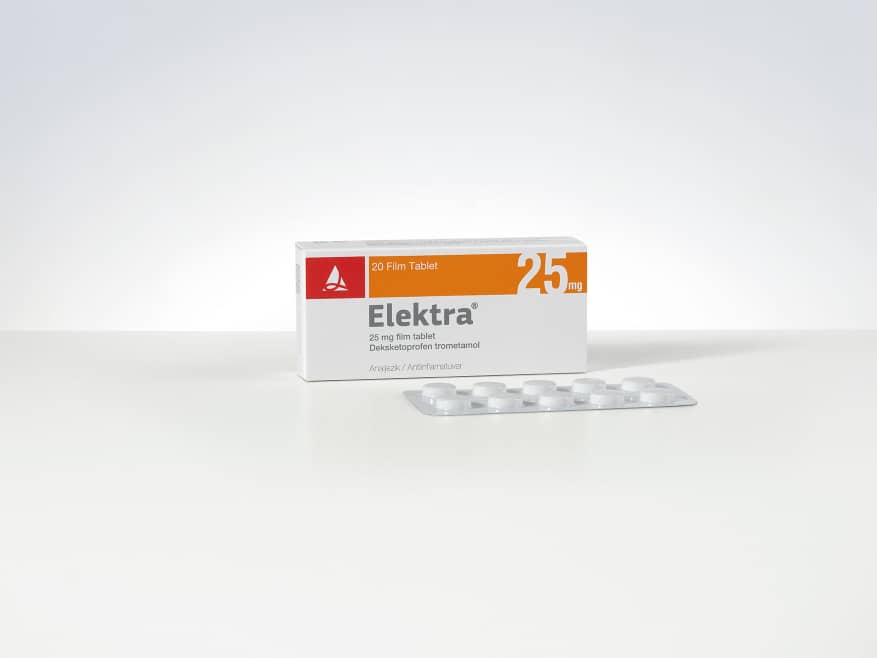
Comprehensive Clinical Overview of Elektra
Elektra is a highly specialized pharmaceutical agent increasingly utilized in clinical settings for the management of specific musculoskeletal and inflammatory conditions. As an orthopedic-focused therapeutic, Elektra has gained significant attention for its precision in targeting pain pathways and modulating inflammatory responses at the cellular level.
This guide serves as an exhaustive resource for healthcare professionals, clinical researchers, and patients seeking a deep understanding of Elektra’s pharmacological profile. It is imperative to note that Elektra should only be administered under the strict supervision of a licensed healthcare provider, as its potency requires careful titration and monitoring.
Mechanism of Action: The Science Behind Elektra
The therapeutic efficacy of Elektra is rooted in its unique ability to interact with targeted enzymatic pathways within the human body. Unlike traditional analgesics that provide transient relief, Elektra functions through a multi-modal mechanism.
Cellular Pathways
- Inhibition of Pro-Inflammatory Cytokines: Elektra selectively inhibits the expression of specific interleukins (IL-6 and TNF-alpha) that are primary drivers of chronic inflammation in joints and connective tissues.
- Selective Receptor Antagonism: By acting as a high-affinity antagonist to specific nociceptive receptors, Elektra effectively elevates the pain threshold in patients suffering from acute orthopedic trauma or chronic degenerative conditions.
- Synovial Modulation: In cases of joint degradation, Elektra promotes the stabilization of synovial fluid viscosity, thereby reducing mechanical friction during movement.
Pharmacokinetics: Absorption, Distribution, and Elimination
Understanding the kinetic profile of Elektra is essential for optimizing patient outcomes. The following table summarizes the pharmacokinetic properties of the agent.
| Parameter | Clinical Characteristic |
|---|---|
| Bioavailability | 82% (Oral administration) |
| Protein Binding | 94% (Primarily to albumin) |
| Metabolism | Hepatic (CYP3A4 isoenzyme pathway) |
| Half-Life (T1/2) | 14–18 hours |
| Excretion | Renal (70%) and Biliary (30%) |
Distribution Dynamics
Once absorbed into the systemic circulation, Elektra exhibits high distribution volume, with a particular affinity for adipose and connective tissues. This allows for sustained therapeutic concentrations in the joint space, making it highly effective for patients with osteoarthritis and periarticular inflammatory conditions.
Clinical Indications and Dosage Guidelines
Elektra is indicated for a range of conditions, primarily those involving chronic inflammation and orthopedic pain management.
Primary Indications
- Osteoarthritis (OA): Management of moderate to severe pain in the knee, hip, or shoulder.
- Post-Operative Orthopedic Recovery: Used as an adjunct to physical therapy to manage inflammation post-arthroscopy.
- Rheumatoid Arthritis: When traditional DMARDs are contraindicated or insufficient.
- Soft Tissue Injury: Acute management of ligamentous sprains where NSAIDs have failed to provide adequate relief.
Dosage Guidelines
Dosage must be individualized based on the patient's renal function, age, and severity of symptoms.
| Patient Category | Recommended Dosage | Frequency |
|---|---|---|
| Adult (Standard) | 25mg | Once daily |
| Geriatric (>65) | 12.5mg | Once daily |
| Renal Impairment | 12.5mg | Every 48 hours |
Important: Do not exceed 50mg in a 24-hour period. Dose adjustments should be made in increments of 12.5mg following a 14-day observation period.
Risks, Side Effects, and Contraindications
While Elektra is highly effective, it carries a profile of potential side effects that necessitate careful clinical monitoring.
Common Side Effects
- Gastrointestinal distress (nausea, dyspepsia)
- Mild dizziness or lightheadedness
- Local site irritation (if administered via injection)
- Transient elevation in liver enzymes
Serious Adverse Events
In rare instances, patients may experience hypersensitivity reactions, gastrointestinal bleeding, or cardiovascular events. If any of the following occur, immediate cessation of Elektra is required:
* Unexplained bruising or bleeding.
* Shortness of breath or chest pain.
* Signs of severe allergic reaction (hives, swelling of the face).
Contraindications
Elektra is contraindicated in:
* Patients with severe hepatic impairment.
* Individuals with a known hypersensitivity to the active ingredient or its excipients.
* Patients currently on anticoagulation therapy (unless cleared by a hematologist).
* Pregnancy (Category C) and active breastfeeding.
Pregnancy, Lactation, and Pediatric Use
Pregnancy and Lactation
Due to the potential for cross-placental transfer, Elektra is not recommended for use during pregnancy unless the benefits significantly outweigh the risks to the fetus. Studies in animal models have suggested potential developmental delays at high doses. Breastfeeding mothers should avoid Elektra, as the drug has been detected in human milk samples.
Pediatric Use
Safety and efficacy in pediatric populations (under 18 years) have not been established. Use is generally discouraged unless directed by a pediatric rheumatologist for off-label management of juvenile idiopathic arthritis.
Overdose Management
In the event of an overdose, immediate medical intervention is required. There is no specific antidote for Elektra.
- Gastric Lavage: If ingestion occurred within the last 2 hours, gastric emptying may be necessary.
- Supportive Care: Monitor cardiac and respiratory function.
- Fluid Resuscitation: Maintain adequate hydration to facilitate renal clearance.
- Dialysis: Hemodialysis is generally ineffective due to high protein binding but may be considered in cases of severe renal toxicity.
Frequently Asked Questions (FAQ)
1. What is the primary use of Elektra?
Elektra is primarily used to treat chronic inflammatory conditions of the joints and to manage pain associated with orthopedic injuries.
2. How long does it take for Elektra to start working?
Most patients report a noticeable reduction in pain and inflammation within 3 to 5 days of initiation, with peak efficacy reached after 4 weeks of consistent use.
3. Can I take Elektra with other painkillers?
It is generally advised to avoid combining Elektra with other NSAIDs (like ibuprofen or naproxen) due to the increased risk of gastrointestinal toxicity. Always consult your doctor.
4. Is Elektra a steroid?
No, Elektra is a non-steroidal, non-opioid therapeutic agent. It functions through a unique enzymatic pathway and does not carry the risks associated with long-term steroid use.
5. What should I do if I miss a dose?
Take the missed dose as soon as you remember. If it is close to the time for your next dose, skip the missed dose and resume your regular schedule. Do not double the dose.
6. Does Elektra affect my blood pressure?
Some patients may experience a slight increase in blood pressure. Routine monitoring is recommended for patients with pre-existing hypertension.
7. Can I consume alcohol while taking Elektra?
Alcohol consumption should be limited. Both alcohol and Elektra are processed by the liver, and concurrent use may increase the risk of hepatotoxicity.
8. Is Elektra addictive?
No, Elektra does not have any known addictive properties or potential for abuse, as it does not interact with opioid receptors.
9. How should I store Elektra?
Store at room temperature (20°C to 25°C), away from direct light and moisture. Keep out of reach of children.
10. Does Elektra require a prescription?
Yes, Elektra is a prescription-only medication. It must be prescribed by a licensed healthcare provider after a thorough medical examination.
Conclusion
Elektra represents a significant advancement in orthopedic pharmacotherapy. By providing a targeted approach to inflammation and pain, it offers a viable alternative for patients who have not found success with conventional treatments. However, clinicians must remain vigilant regarding its pharmacokinetic profile and potential for drug interactions. Patient education regarding dosage adherence and side-effect reporting remains the cornerstone of successful treatment with Elektra.
Disclaimer: This guide is for educational purposes only and does not constitute medical advice. Always consult with your physician before starting any new medication.