
Comprehensive Guide to Eliquis (Apixaban): Clinical Overview
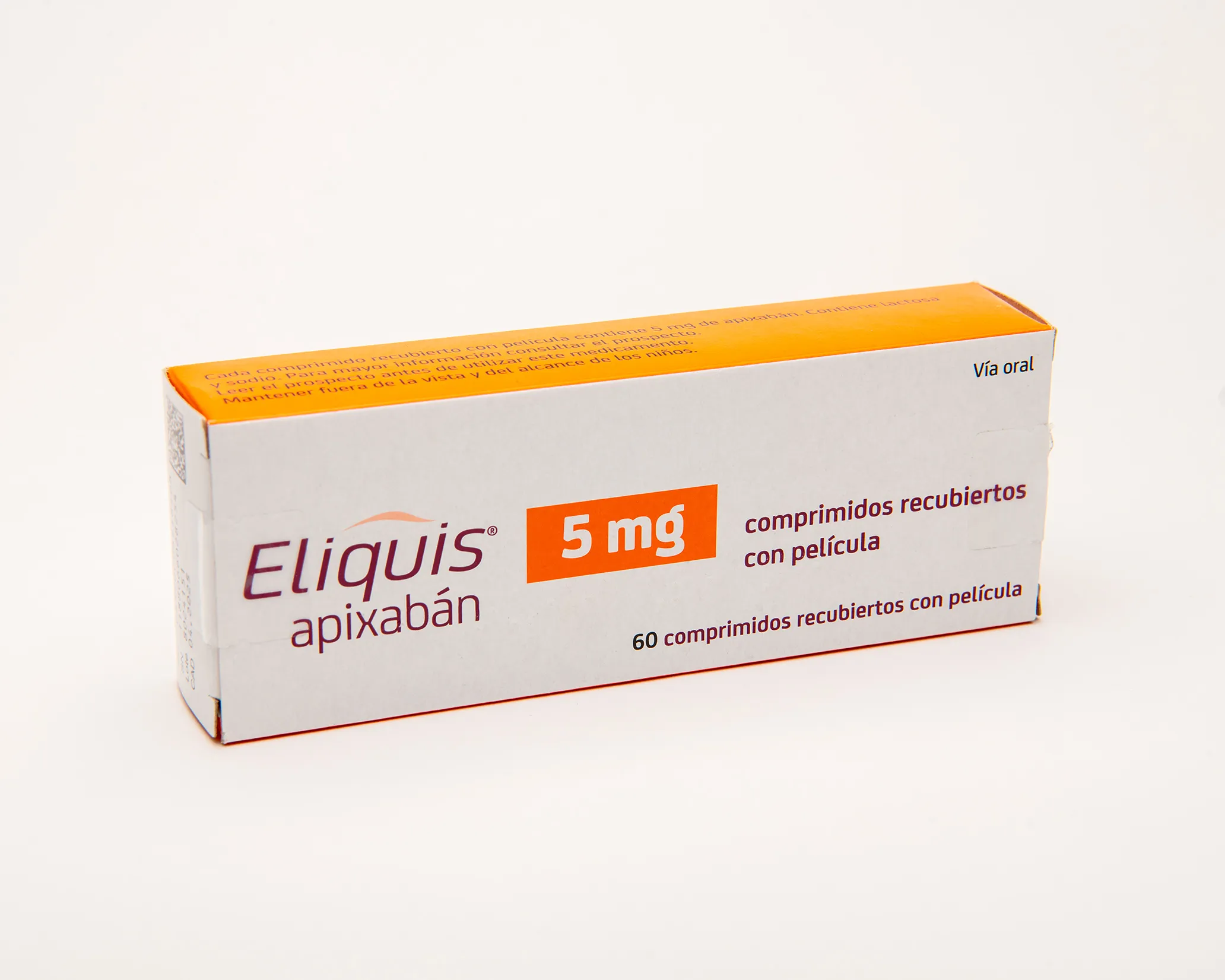
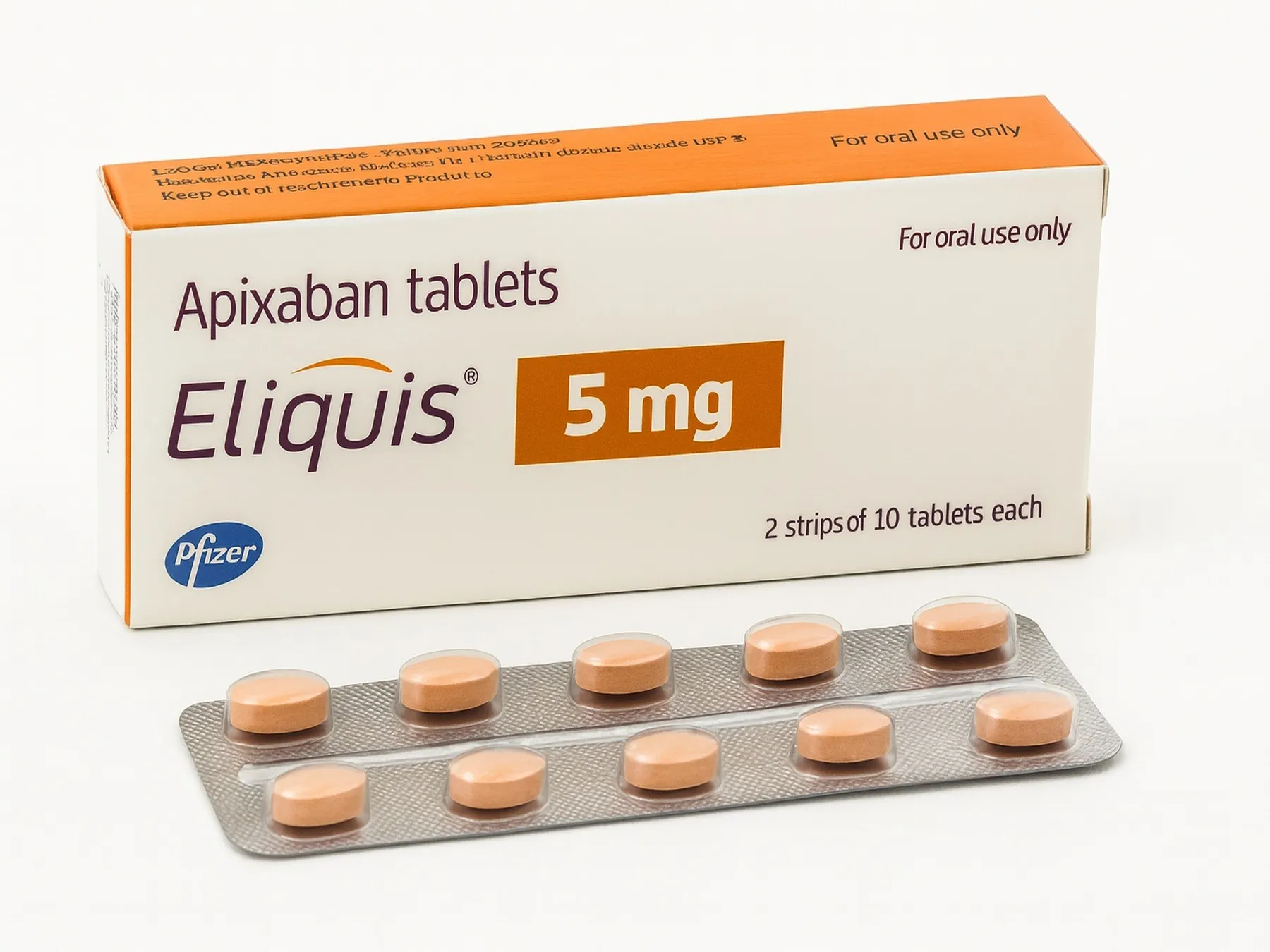
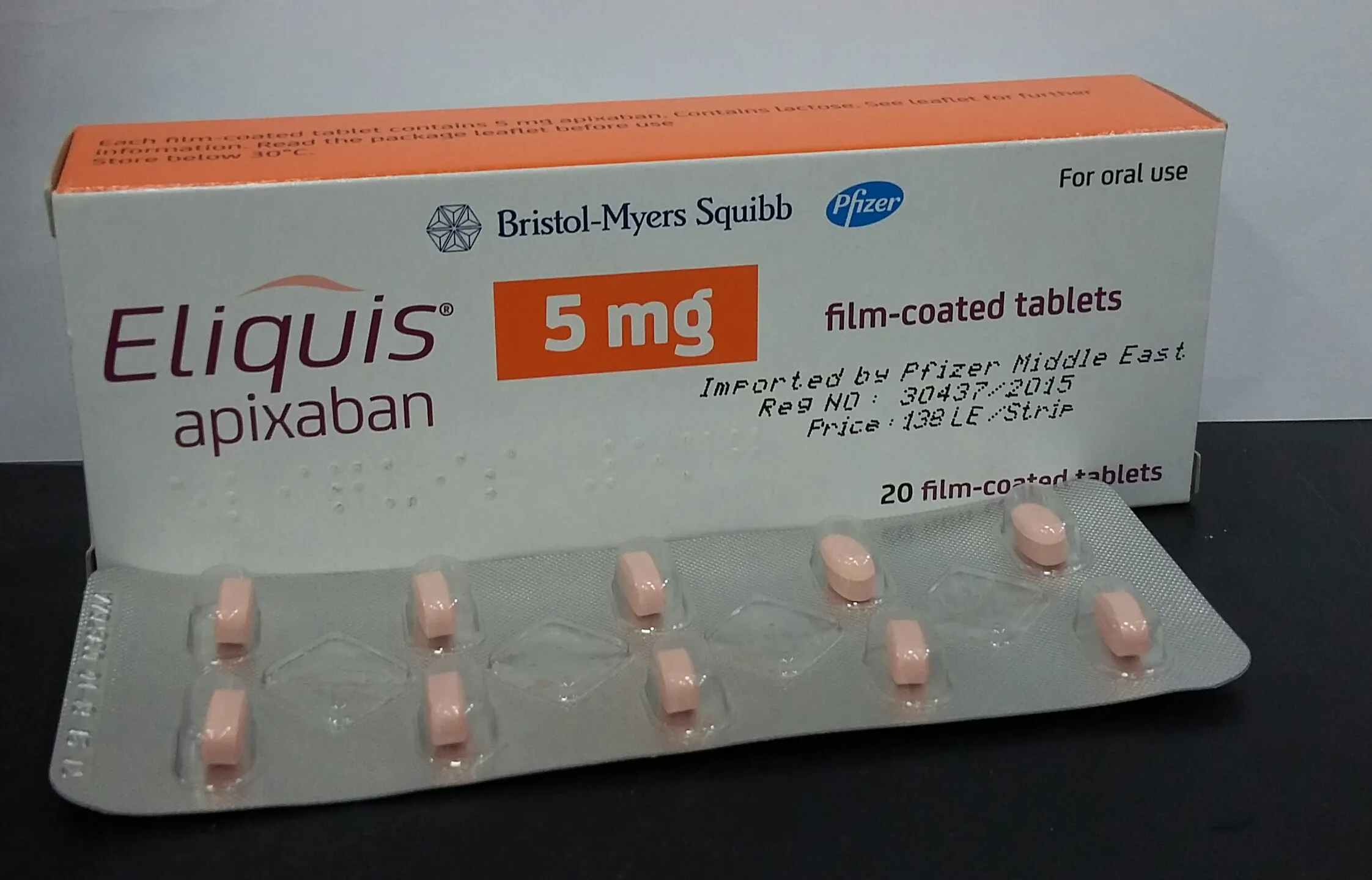
Eliquis, known generically as apixaban, represents a cornerstone in modern anticoagulation therapy. As an orthopedic specialist, I frequently encounter patients who require prophylactic or therapeutic anticoagulation, particularly following major orthopedic surgeries like total hip or knee arthroplasty. Understanding the nuances of this medication is vital for patient safety and optimal clinical outcomes.
This guide provides an exhaustive look into the pharmacological, clinical, and safety aspects of Eliquis.
Technical Specifications and Mechanism of Action
Eliquis is classified as a direct oral anticoagulant (DOAC). Unlike traditional vitamin K antagonists (such as warfarin), which require constant INR monitoring, Eliquis offers a predictable pharmacokinetic profile.
The Mechanism of Action
Eliquis functions as a highly selective, reversible inhibitor of free and clot-bound Factor Xa. Factor Xa is the critical convergence point of both the intrinsic and extrinsic pathways of the coagulation cascade. By inhibiting this enzyme, Eliquis effectively prevents the conversion of prothrombin to thrombin, thereby inhibiting thrombin-induced platelet aggregation and fibrin clot formation.
Pharmacokinetics Profile
- Absorption: Rapidly absorbed with peak plasma concentrations (Cmax) occurring 3–4 hours after oral administration.
- Bioavailability: Approximately 50% for the 10 mg dose.
- Protein Binding: Highly bound to plasma proteins (approx. 87%).
- Metabolism: Primarily metabolized via CYP3A4/5, with minor contributions from CYP1A2, 2B6, 2C8, and 2J2.
- Elimination: Primarily excreted in feces (approx. 27% as unchanged drug) and urine (approx. 25%).
- Half-life: Approximately 12 hours in healthy subjects.
Clinical Indications and Usage
Eliquis is FDA-approved for several high-risk cardiovascular and orthopedic conditions.
| Indication | Purpose |
|---|---|
| Nonvalvular Atrial Fibrillation | To reduce the risk of stroke and systemic embolism. |
| Deep Vein Thrombosis (DVT) | Treatment of DVT and Pulmonary Embolism (PE). |
| Recurrence Prevention | Reduction in the risk of recurrent DVT and PE following initial therapy. |
| Orthopedic Prophylaxis | Prophylaxis of DVT following hip or knee replacement surgery. |
Dosage Guidelines
Dosage is highly individualized based on the patient's renal function, age, and weight.
- For Atrial Fibrillation: Standard dose is 5 mg twice daily. A reduced dose of 2.5 mg twice daily is indicated if the patient meets at least two of the following criteria: age ≥ 80, weight ≤ 60 kg, or serum creatinine ≥ 1.5 mg/dL.
- For DVT/PE Treatment: 10 mg twice daily for the first 7 days, followed by 5 mg twice daily thereafter.
- For Orthopedic Prophylaxis (Hip/Knee): 2.5 mg twice daily, initiated 12–24 hours after surgery.
Risks, Side Effects, and Contraindications
While Eliquis is generally safer than warfarin regarding intracranial hemorrhage, it remains a potent anticoagulant.
Major Risks
The most significant clinical concern is hemorrhage. Patients must be monitored for signs of internal bleeding, including hematuria, epistaxis, gingival bleeding, or unexpected bruising.
Contraindications
- Active Pathological Bleeding: Patients with current, clinically significant bleeding should not take Eliquis.
- Hypersensitivity: Known hypersensitivity to apixaban or any component of the formulation.
- Mechanical Heart Valves: Eliquis is not indicated for patients with prosthetic heart valves.
Drug Interactions
Eliquis is a substrate of CYP3A4 and P-glycoprotein (P-gp). Concurrent use with strong dual inhibitors (e.g., ketoconazole, ritonavir) or strong dual inducers (e.g., rifampin, phenytoin) should be avoided as they significantly alter plasma concentrations.
Pregnancy and Lactation
Eliquis is categorized as Pregnancy Category B (by older standards) or generally advised against unless the benefits outweigh the risks. There is limited data regarding the presence of apixaban in human milk; therefore, breastfeeding is generally discouraged during therapy due to the risk of bleeding in the infant.
Overdose Management
In the event of an overdose, there is no specific antidote for routine use, though Andexanet alfa is an FDA-approved reversal agent for life-threatening or uncontrolled bleeding associated with Eliquis. Activated charcoal may be utilized to reduce absorption if the ingestion was recent.
Frequently Asked Questions (FAQ)
1. Does Eliquis require regular blood tests?
No. Unlike warfarin (Coumadin), Eliquis does not require routine INR monitoring because its anticoagulant effect is predictable.
2. What should I do if I miss a dose?
Take the missed dose as soon as you remember on the same day. Do not take two doses at the same time to make up for a missed dose.
3. Can I take aspirin while on Eliquis?
Only if specifically directed by your physician. Combining anticoagulants with antiplatelet agents significantly increases the risk of major bleeding.
4. Is it safe to undergo surgery while on Eliquis?
Usually, Eliquis must be discontinued 24–48 hours before elective surgery to minimize the risk of intraoperative bleeding. Always consult your surgeon.
5. What are the signs of internal bleeding I should watch for?
Watch for black/tarry stools, coughing up blood, red/brown urine, or severe, persistent headaches.
6. Does diet affect Eliquis?
Unlike warfarin, Eliquis is not affected by Vitamin K intake. You do not need to restrict leafy greens or other specific foods.
7. How long will I need to take Eliquis?
The duration depends on your condition. For orthopedic surgery, it is typically for a set period (e.g., 12–35 days). For atrial fibrillation, it is often a lifelong therapy.
8. Can I drink alcohol while taking Eliquis?
While moderate alcohol consumption is generally not contraindicated, heavy drinking increases the risk of falls and gastric irritation, which can lead to bleeding.
9. Is Eliquis safe for the elderly?
Yes, but dose adjustments may be necessary based on weight, renal function, and age (over 80).
10. How should I store Eliquis?
Store at room temperature (20°C to 25°C) away from moisture and direct sunlight. Keep out of reach of children.
Conclusion
Eliquis (Apixaban) has revolutionized the standard of care for preventing thromboembolic events. Its ease of use and favorable safety profile make it an excellent choice for many, especially in the postoperative orthopedic setting. However, patient education regarding bleeding risks and strict adherence to dosage schedules remains the responsibility of both the clinician and the patient. Always consult with your healthcare provider before making changes to your medication regimen.
Disclaimer: This guide is for educational purposes and does not replace professional medical advice. Always seek the advice of your physician or qualified health provider with any questions regarding a medical condition.