
Comprehensive Guide to Emuflex Cream: Clinical Overview and Therapeutic Application
In the realm of orthopedic support and topical pain management, Emuflex Cream has emerged as a specialized formulation designed to address musculoskeletal discomfort. As a topical therapeutic agent, it serves as a critical tool for clinicians and patients seeking non-invasive relief from inflammatory conditions, joint stiffness, and minor soft tissue trauma. This guide provides an exhaustive analysis of the pharmacology, clinical application, and safety profile of Emuflex Cream.
Understanding Emuflex Cream: An Introduction
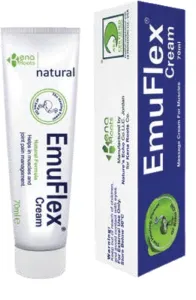
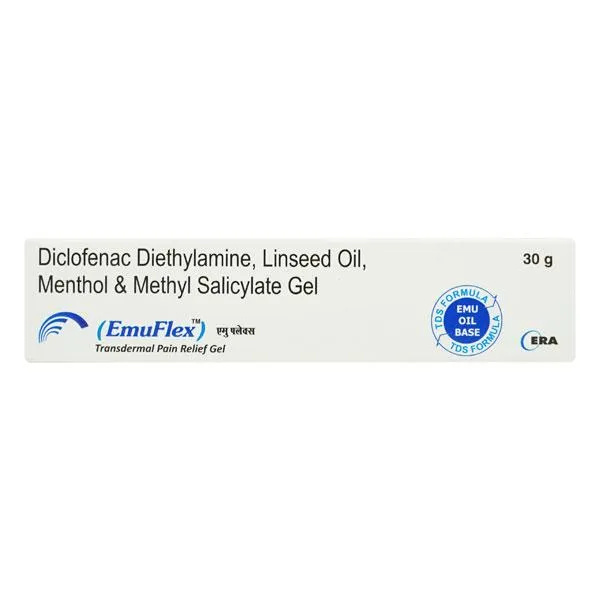
Emuflex Cream is a topical analgesic and anti-inflammatory formulation primarily indicated for the management of localized musculoskeletal pain. Unlike systemic medications (such as oral NSAIDs), which distribute throughout the entire body, Emuflex is engineered for transdermal absorption, allowing for high concentrations of active ingredients to reach the targeted site of inflammation with minimal systemic exposure.
The primary appeal of Emuflex lies in its dual-action approach: providing immediate cooling or soothing sensations while simultaneously addressing the biochemical pathways of pain transmission and inflammatory response.
Mechanism of Action and Pharmacokinetics
To understand why Emuflex is effective, one must look at the pharmacodynamics of its constituent ingredients. Most formulations of this class utilize a synergistic blend of counter-irritants and anti-inflammatory compounds.
Pharmacological Mechanism
- Counter-Irritation: Emuflex often utilizes compounds that stimulate sensory receptors in the skin (thermoreceptors). This creates a sensation of cooling or warming, which interferes with the transmission of pain signals via the "Gate Control Theory" of pain. By flooding the nerve pathways with non-painful stimuli, the brain perceives less pain from the underlying joint or muscle.
- Transdermal Delivery: The cream base is formulated to penetrate the stratum corneum, the outermost layer of the skin. This allows the active ingredients to bypass the hepatic first-pass metabolism, directly accessing the subcutaneous tissues, ligaments, and tendons.
- Inhibition of Pro-inflammatory Mediators: By modulating the local microenvironment, the cream can help reduce the concentration of prostaglandins and bradykinins, which are the primary chemical messengers responsible for triggering the pain response in injured tissues.
Pharmacokinetics
- Absorption: Rapid onset through the lipid-rich layers of the skin.
- Distribution: Localized, with minimal systemic plasma concentration, reducing the risk of systemic side effects.
- Metabolism: Primarily metabolized locally by skin enzymes or via distal systemic routes if absorbed in large quantities.
- Excretion: Generally via renal pathways if systemic absorption occurs.
Clinical Indications and Usage Guidelines
Emuflex Cream is indicated for a wide variety of orthopedic and physical therapy-related conditions. Clinicians typically recommend it as an adjunct therapy alongside physical rehabilitation.
Primary Indications
| Condition | Clinical Context |
|---|---|
| Osteoarthritis | Management of chronic joint stiffness and pain. |
| Sports Injuries | Treatment of acute muscle strains and ligament sprains. |
| Tendonitis | Reduction of inflammation in tendons (e.g., Achilles, rotator cuff). |
| Myalgia | Relief of muscle soreness following strenuous exercise. |
| Back Pain | Symptomatic relief of lower back muscular tension. |
Dosage and Administration
For optimal therapeutic outcomes, patients should adhere to the following protocol:
* Application Frequency: Apply a thin layer to the affected area 3–4 times daily, or as directed by a healthcare professional.
* Technique: Gently massage the cream into the skin until fully absorbed. Do not apply to broken, irritated, or infected skin.
* Hygiene: Always wash hands thoroughly after application to prevent accidental transfer to mucous membranes or eyes.
Risks, Contraindications, and Safety Profiles
While topical creams are generally safer than oral medications, they are not without risks. Proper patient education is essential to minimize adverse reactions.
Contraindications
- Hypersensitivity: Do not use if there is a known allergy to any component of the cream (e.g., specific essential oils, preservatives, or active pharmaceutical ingredients).
- Broken Skin: Avoid application on open wounds, burns, or sites of active dermatological infection.
- Mucous Membranes: Never apply to the eyes, nose, mouth, or genital regions.
Potential Side Effects
- Dermatological Reactions: Erythema (redness), pruritus (itching), or a burning sensation at the application site.
- Contact Dermatitis: In rare cases, individuals may develop an allergic rash.
- Systemic Absorption: While rare, excessive application over large surface areas can lead to systemic effects.
Pregnancy and Lactation
Data regarding the safety of topical analgesics during pregnancy and lactation is limited. As a precautionary measure, clinicians usually advise against the use of Emuflex during the first trimester and throughout breastfeeding unless the potential benefits outweigh the risks. Always consult an obstetrician before use.
Overdose Management and Drug Interactions
Overdose Management
Topical overdose is rare but typically manifests as localized skin irritation or systemic toxicity (if applied over a massive surface area).
1. Immediate Action: Wash the skin thoroughly with mild soap and lukewarm water to remove the product.
2. Medical Intervention: If the patient experiences systemic symptoms like dizziness, nausea, or labored breathing, seek emergency medical care immediately.
3. Supportive Care: Monitor vital signs and address dermatological symptoms with topical emollients if needed.
Drug Interactions
- Topical Interactions: Do not apply other topical products (e.g., heating pads, other medicated creams) simultaneously, as this can increase systemic absorption or cause chemical burns.
- Systemic Interactions: While topical absorption is low, patients on blood-thinning medications (e.g., Warfarin) should consult their doctor if they intend to use large amounts of topical anti-inflammatories over an extended period.
Frequently Asked Questions (FAQ)
1. How quickly does Emuflex Cream start working?
Most patients report a noticeable reduction in pain or a soothing sensation within 15 to 30 minutes of application.
2. Can I use Emuflex with a heating pad?
No. Applying external heat over the area where Emuflex has been applied can significantly increase the rate of absorption, potentially leading to skin irritation or systemic toxicity.
3. Is Emuflex safe for children?
Usage in pediatric populations should only occur under the strict supervision and recommendation of a pediatrician.
4. How long can I continue using this cream?
Emuflex is generally intended for short-term symptom relief. If symptoms persist beyond 7–10 days, consult an orthopedic specialist to investigate the underlying cause.
5. Does it leave a greasy residue?
Most modern formulations of Emuflex are designed to be non-greasy and fast-absorbing, but application amount should be limited to what the skin can absorb to avoid residue.
6. Can I use it for nerve pain?
Emuflex is primarily designed for musculoskeletal pain (muscles and joints). While it may provide minor relief, it is not a primary treatment for neuropathic pain.
7. What should I do if I get it in my eyes?
Immediately flush the eyes with cool running water for at least 15 minutes and seek medical attention if irritation persists.
8. Will this interact with my oral blood pressure medication?
Topical application generally poses minimal risk for systemic drug interactions, but always disclose all medications to your physician.
9. Can I use it on my neck and shoulders?
Yes, it is indicated for musculoskeletal pain in these areas, provided the skin is intact and you avoid the face and eyes.
10. Does Emuflex expire?
Yes. Like all pharmaceutical products, Emuflex has an expiration date. Using expired product may result in reduced efficacy or potential contamination.
Conclusion
Emuflex Cream represents a vital component of a comprehensive orthopedic pain management strategy. By providing targeted, localized relief, it allows patients to maintain mobility and participate more effectively in physical rehabilitation. However, as with any medical intervention, it must be used responsibly, following dosage guidelines and respecting contraindications. By integrating Emuflex into a broader care plan—including exercise, physical therapy, and appropriate medical supervision—patients can achieve significant improvements in their quality of life and musculoskeletal health.
Disclaimer: This guide is for informational purposes only and does not constitute professional medical advice, diagnosis, or treatment. Always seek the advice of your physician or other qualified health provider with any questions you may have regarding a medical condition or the use of medications.