
Comprehensive Overview of Enbrel (Etanercept)
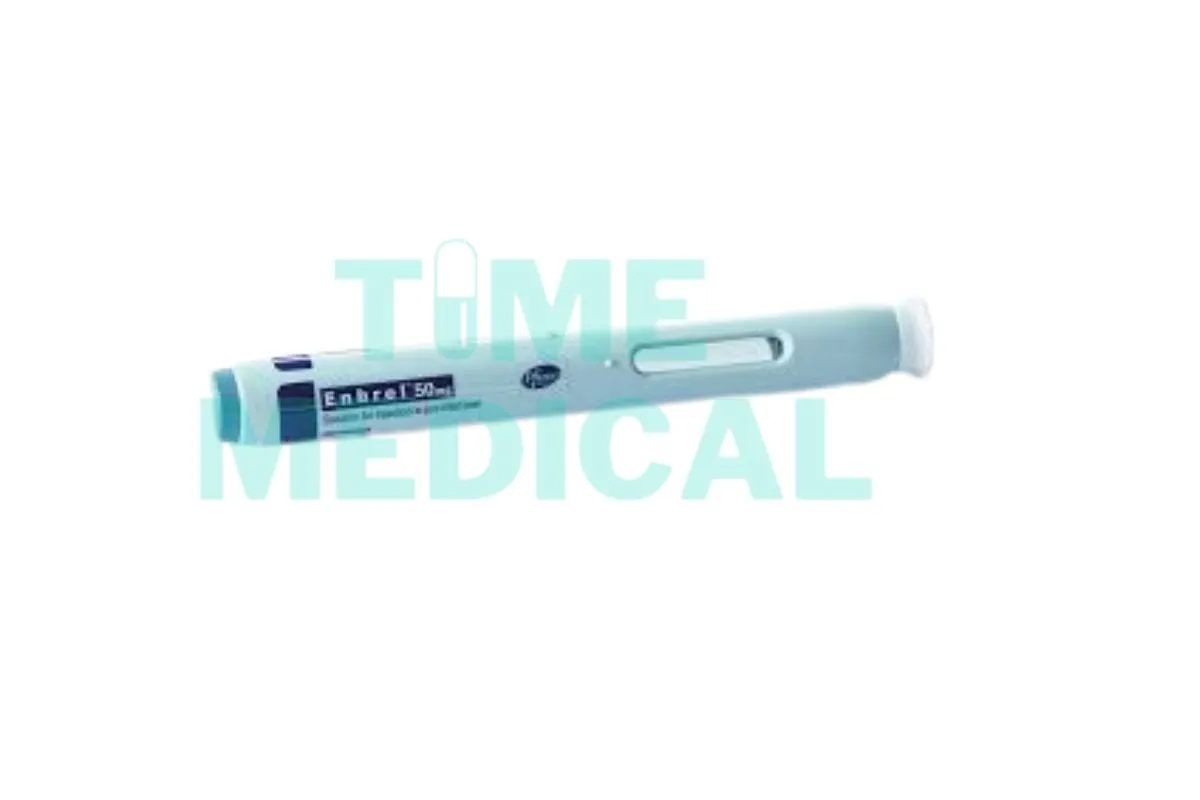
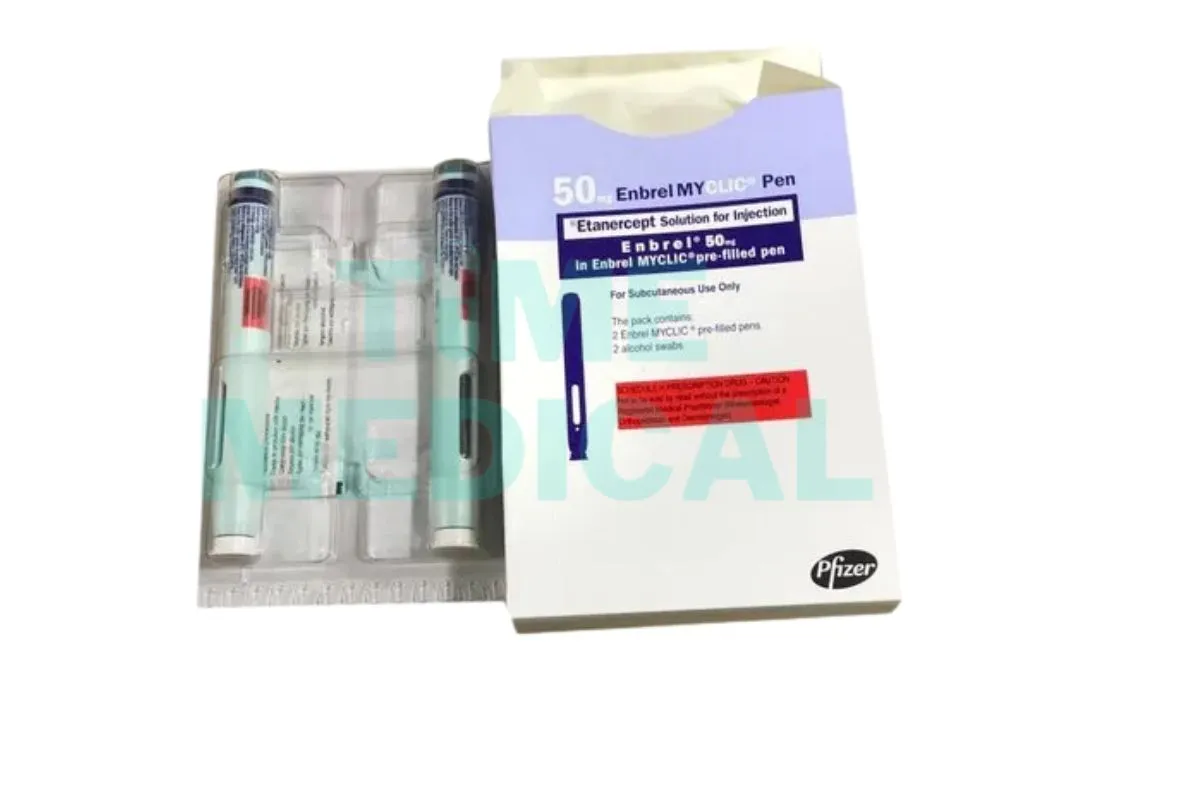
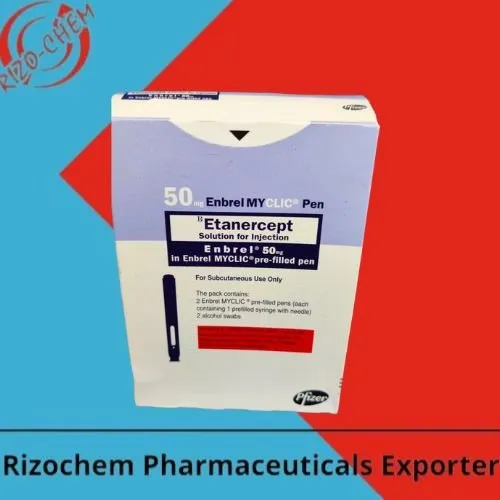
Enbrel, known by its generic name etanercept, is a potent biologic medication classified as a Tumor Necrosis Factor (TNF) inhibitor. Since its approval, it has revolutionized the management of various autoimmune and inflammatory conditions. By selectively binding to TNF-alpha, Enbrel effectively reduces the inflammatory cascade that leads to joint damage, skin lesions, and systemic distress in patients with chronic autoimmune diseases.
As a fusion protein, Enbrel is produced via recombinant DNA technology. It is designed to mimic the naturally occurring human TNF receptor, effectively "soaking up" excess TNF-alpha before it can trigger an inflammatory response in the body.
Mechanism of Action and Pharmacokinetics
Mechanism of Action
The pathophysiology of diseases like Rheumatoid Arthritis (RA) and Psoriatic Arthritis (PsA) is driven largely by the overexpression of Tumor Necrosis Factor (TNF). TNF is a naturally occurring cytokine involved in normal inflammatory and immune responses.
Enbrel functions as a TNF inhibitor. It binds specifically to TNF-alpha and blocks its interaction with cell surface TNF receptors. By neutralizing the biological activity of TNF, Enbrel prevents:
* The activation of inflammatory pathways.
* The recruitment of white blood cells to the site of inflammation.
* The subsequent destruction of cartilage and bone tissue.
Pharmacokinetics
Understanding how the body processes Enbrel is essential for clinical dosing:
* Absorption: After subcutaneous injection, the mean serum concentration peaks in approximately 48 hours.
* Bioavailability: The absolute bioavailability is approximately 60% after a single subcutaneous dose.
* Elimination: Enbrel is cleared from the body primarily through the kidneys and the reticuloendothelial system. The terminal half-life is approximately 100 hours (roughly 4 days).
Clinical Indications and Dosage Guidelines
Enbrel is indicated for several chronic inflammatory conditions. Below is a breakdown of its primary clinical applications:
| Condition | Patient Population |
|---|---|
| Rheumatoid Arthritis (RA) | Moderately to severely active in adults |
| Psoriatic Arthritis (PsA) | Active in adults |
| Ankylosing Spondylitis (AS) | Active in adults |
| Plaque Psoriasis (PsO) | Chronic moderate to severe in adults & children (4+ years) |
| Polyarticular JIA | Active juvenile idiopathic arthritis in children (2+ years) |
General Dosage Guidelines
Dosage is highly individualized based on the condition being treated and the patient's age.
- Adult Rheumatoid Arthritis / Psoriatic Arthritis / AS: The standard recommended dose is 50 mg administered once weekly via subcutaneous injection.
- Plaque Psoriasis (Adults): Typically 50 mg twice weekly for the first 3 months, followed by 50 mg once weekly as maintenance.
- Pediatric Indications: Dosage is strictly weight-based (typically 0.8 mg/kg per week, not to exceed 50 mg).
Note: Always consult with a rheumatologist or specialized clinician before adjusting any dosage protocols.
Risks, Side Effects, and Contraindications
Contraindications
Enbrel must not be used in patients with:
1. Sepsis: Active systemic infection or risk of sepsis.
2. Hypersensitivity: Known severe allergic reactions to etanercept or any component of the formulation.
3. Live Vaccines: Concurrent administration with live vaccines is strongly contraindicated due to the risk of secondary infection.
Serious Risks (Black Box Warning)
Patients treated with Enbrel are at an increased risk of developing serious infections that may lead to hospitalization or death. These include:
* Tuberculosis (TB)
* Invasive fungal infections (e.g., histoplasmosis)
* Bacterial or viral infections
* Malignancies (e.g., lymphoma)
Common Side Effects
- Injection site reactions (redness, swelling, itching)
- Upper respiratory tract infections
- Headache
- Abdominal pain
Pregnancy and Lactation
Data regarding the use of Enbrel during pregnancy is limited but generally does not suggest a high risk of major birth defects. However, it should only be used if clearly necessary. Etanercept is excreted in human milk; however, because it is a large protein, it is likely degraded in the infant's digestive tract, resulting in minimal systemic absorption. Consult an obstetrician for a risk-benefit analysis.
Overdose Management
There is no known antidote for Enbrel overdose. In the event of an accidental overdose, the patient should be monitored closely for signs or symptoms of adverse reactions and receive appropriate supportive treatment immediately.
Frequently Asked Questions (FAQ)
1. How long does it take for Enbrel to start working?
Most patients begin to notice a reduction in joint pain and stiffness within 2 to 4 weeks, though maximum clinical benefit may take 3 to 6 months.
2. Can I continue taking other medications while on Enbrel?
Yes, Enbrel is often prescribed in combination with Methotrexate. However, you must inform your doctor of all medications, including biologics, as combining two biologics can significantly increase infection risk.
3. What should I do if I miss a dose?
Administer the missed dose as soon as you remember, unless it is almost time for your next scheduled dose. Do not "double up" to make up for a missed injection.
4. Does Enbrel suppress the immune system?
Yes. As a TNF inhibitor, it modulates the immune system, which is why it is effective for autoimmune diseases but also why it increases susceptibility to infections.
5. Can I receive vaccinations while on Enbrel?
You may receive inactive (killed) vaccines. You must avoid live vaccines (e.g., MMR, oral polio, yellow fever) while on this medication.
6. Is Enbrel a steroid?
No. Enbrel is a biologic DMARD (Disease-Modifying Antirheumatic Drug). It is not a corticosteroid and does not carry the same side effects as long-term steroid use (such as weight gain or thinning skin).
7. How should I store my Enbrel?
Enbrel must be stored in the refrigerator (36°F to 46°F / 2°C to 8°C) in its original carton. Do not freeze it.
8. What are the signs of a serious infection?
Contact your doctor immediately if you develop a fever, persistent cough, night sweats, fatigue, or red/painful skin sores.
9. Can I drink alcohol while taking Enbrel?
There is no direct contraindication, but alcohol can exacerbate inflammation and impact liver function, so moderate consumption is advised.
10. Does Enbrel cause weight gain?
Weight gain is not a common side effect of Enbrel. If you experience sudden weight gain, consult your doctor to rule out other medical issues, such as heart failure.
Disclaimer: This guide is for educational purposes only and does not constitute medical advice, diagnosis, or treatment. Always seek the advice of your physician or other qualified health provider with any questions you may have regarding a medical condition or medication.