
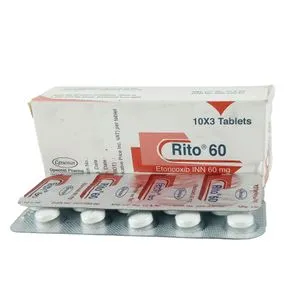

Comprehensive Guide to Etoflam: Clinical Overview and Pharmacological Profile
Etoflam is a potent non-steroidal anti-inflammatory drug (NSAID) widely utilized in orthopedic and general practice to manage acute and chronic inflammatory conditions. By inhibiting specific pathways responsible for pain and inflammation, Etoflam provides significant relief to patients suffering from musculoskeletal disorders. This guide serves as a clinical resource for understanding its pharmacological properties, therapeutic applications, and safety parameters.
Technical Specifications and Mechanism of Action
To understand the efficacy of Etoflam, one must analyze its interaction with the human body at the molecular level. Etoflam functions primarily as an inhibitor of the cyclooxygenase (COX) enzyme system.
The COX Inhibition Pathway
The therapeutic effect of Etoflam is mediated through the inhibition of COX-1 and COX-2 enzymes. These enzymes are responsible for the conversion of arachidonic acid into prostaglandins—lipid compounds that act as local hormones to signal pain, induce fever, and promote inflammation.
- COX-1 Inhibition: Provides protection for the gastric mucosa and regulates platelet aggregation.
- COX-2 Inhibition: Primarily involved in the inflammatory response and pain transduction at the site of tissue injury.
By effectively reducing the synthesis of these prostaglandins, Etoflam diminishes the sensitivity of nociceptors (pain receptors) and reduces the inflammatory swelling that often causes joint stiffness and limited range of motion in orthopedic patients.
Pharmacokinetics
The pharmacokinetic profile of Etoflam is characterized by high bioavailability and efficient distribution.
| Parameter | Description |
|---|---|
| Absorption | Rapidly absorbed following oral administration. |
| Metabolism | Primarily hepatic via the cytochrome P450 enzyme system. |
| Protein Binding | High (typically >95% to plasma albumin). |
| Excretion | Primarily renal (via urine) as metabolites. |
| Half-life | Generally ranges between 4 to 8 hours depending on formulation. |
Clinical Indications and Usage
Etoflam is indicated for the symptomatic treatment of various inflammatory and painful conditions. In the orthopedic setting, it is frequently prescribed to manage the following:
Primary Indications
- Osteoarthritis: Management of pain and inflammation associated with degenerative joint disease.
- Rheumatoid Arthritis: Symptomatic relief of joint swelling and morning stiffness.
- Ankylosing Spondylitis: Reduction of spinal inflammation and associated pain.
- Acute Musculoskeletal Injury: Easing pain post-sprain, strain, or orthopedic trauma.
- Post-Operative Pain: Management of inflammation following orthopedic surgery (as part of a multimodal analgesia plan).
Dosage Guidelines
Dosage must be individualized based on the severity of the condition and the patient’s renal/hepatic status. Generally, the lowest effective dose for the shortest duration is recommended to minimize adverse effects.
- Standard Adult Dose: 50mg to 100mg, administered twice daily (or as directed by a physician).
- Maximum Daily Dose: Should not exceed 200mg unless under strict clinical supervision.
- Administration: It is recommended to take Etoflam with food or milk to minimize potential gastric irritation.
Risks, Side Effects, and Contraindications
While effective, Etoflam carries risks inherent to the NSAID class of medications. Clinical vigilance is required, particularly in patients with cardiovascular or gastrointestinal vulnerabilities.
Common Adverse Effects
- Gastrointestinal: Nausea, dyspepsia, abdominal pain, or diarrhea.
- Neurological: Mild headaches or dizziness.
- Dermatological: Rare skin rashes or pruritus.
Serious Risks (Requires Immediate Medical Attention)
- Gastrointestinal Ulceration/Bleeding: Prolonged use can lead to gastric erosions.
- Cardiovascular Events: Increased risk of myocardial infarction or stroke with high-dose, long-term usage.
- Renal Impairment: Potential for reduced glomerular filtration rate in vulnerable patients.
Contraindications
Etoflam should be avoided or used with extreme caution in patients with:
* Known hypersensitivity to the drug or other NSAIDs (including aspirin).
* Active peptic ulcer disease or gastrointestinal bleeding.
* Severe hepatic or renal insufficiency.
* History of coronary artery bypass graft (CABG) surgery.
* Third trimester of pregnancy.
Pregnancy, Lactation, and Special Populations
Pregnancy Warnings
Etoflam is categorized as a drug that should be avoided during the third trimester of pregnancy due to the risk of premature closure of the fetal ductus arteriosus and potential inhibition of uterine contractions. Use during the first and second trimesters should only occur if the potential benefit justifies the potential risk to the fetus.
Lactation
It is currently unclear if Etoflam is excreted in human breast milk. As a precaution, breastfeeding mothers should consult a physician to weigh the risks versus the benefits of continued treatment.
Pediatric and Elderly Use
- Pediatrics: Not recommended for use in children under 12 years of age unless specifically indicated by a pediatric rheumatologist.
- Elderly: Patients over 65 years are at a higher risk of adverse reactions, particularly gastrointestinal bleeding. Dose reduction is often necessary.
Overdose Management
An overdose of Etoflam can lead to severe toxic effects. Symptoms of overdose include severe nausea, vomiting, epigastric pain, and in extreme cases, gastrointestinal hemorrhage or acute renal failure.
Management Protocol:
1. Immediate Action: Discontinue the medication immediately.
2. Supportive Care: Maintain airway, breathing, and circulation.
3. Gastric Lavage: If ingestion occurred within the last hour, activated charcoal may be considered.
4. Monitoring: Monitor renal function and electrolyte balance. There is no specific antidote for Etoflam; management is strictly symptomatic and supportive.
Frequently Asked Questions (FAQ)
1. Can I take Etoflam on an empty stomach?
It is strongly recommended to take Etoflam with food or a glass of milk to reduce the risk of gastric irritation, a common side effect of NSAIDs.
2. Is Etoflam a steroid?
No, Etoflam is a Non-Steroidal Anti-Inflammatory Drug (NSAID). It does not have the immunosuppressive or metabolic side effects associated with corticosteroid usage.
3. How long does it take for Etoflam to start working?
Most patients report initial pain relief within 30 to 60 minutes of oral administration, with peak efficacy reached within a few hours.
4. Can I combine Etoflam with other pain relievers?
Combining Etoflam with other NSAIDs (like ibuprofen or naproxen) significantly increases the risk of side effects and is generally contraindicated. Always consult your doctor before combining medications.
5. Does Etoflam cause weight gain?
Fluid retention is a known side effect of many NSAIDs, which may manifest as temporary weight gain or swelling (edema).
6. Is Etoflam addictive?
No, Etoflam does not have addictive potential or chemical properties that lead to drug dependency.
7. What should I do if I miss a dose?
If you miss a dose, take it as soon as you remember. If it is nearly time for your next dose, skip the missed one. Do not take a double dose to make up for a forgotten one.
8. Can I consume alcohol while taking Etoflam?
Alcohol may increase the risk of gastric irritation and bleeding when taken with NSAIDs. It is advisable to avoid or limit alcohol consumption during treatment.
9. Does Etoflam interact with blood thinners?
Yes, Etoflam may enhance the effects of anticoagulants (like warfarin). Patients on blood thinners must be monitored closely by a healthcare professional.
10. How should I store Etoflam?
Store in a cool, dry place away from direct sunlight, at room temperature. Keep out of reach of children and pets.
Disclaimer: This guide is intended for informational purposes only and does not constitute professional medical advice, diagnosis, or treatment. Always seek the advice of your physician or qualified health provider with any questions regarding a medical condition or medication.