
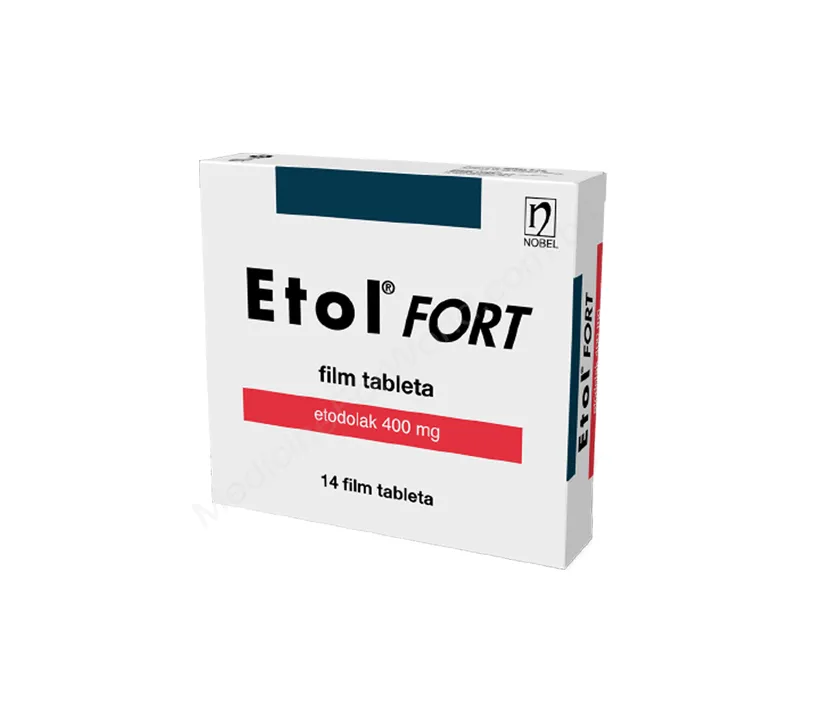

Introduction to Etol Fort Tablets
Etol Fort is a potent non-steroidal anti-inflammatory drug (NSAID) widely utilized in orthopedic and rheumatological practice for the management of acute and chronic pain conditions. Containing Etodolac as its primary active ingredient, Etol Fort is engineered to provide targeted relief by inhibiting the pathways responsible for inflammation and pain perception.
In the clinical landscape, Etol Fort is frequently prescribed for patients suffering from musculoskeletal disorders, post-operative pain, and degenerative joint diseases. As a member of the pyranocarboxylic acid class, it exhibits a distinct pharmacokinetic profile that often results in a favorable gastrointestinal tolerability compared to traditional NSAIDs. However, like all pharmacological agents, its use must be governed by strict adherence to clinical guidelines and patient-specific medical histories.
Mechanism of Action: The Science of Pain Relief
The therapeutic efficacy of Etol Fort is derived from its ability to modulate the body’s inflammatory response at the molecular level.
Prostaglandin Inhibition
The primary mechanism of action of Etodolac involves the non-selective inhibition of the cyclooxygenase (COX) enzymes—specifically COX-1 and COX-2. These enzymes are critical catalysts in the biosynthesis of prostaglandins from arachidonic acid.
- COX-2 Inhibition: Responsible for the reduction of pain, fever, and inflammation at the site of injury or disease.
- COX-1 Inhibition: While this contributes to the drug's anti-inflammatory effect, it is also the primary site of action that leads to traditional NSAID-related gastrointestinal side effects.
Etol Fort is categorized as a "preferential" COX-2 inhibitor, meaning that at therapeutic doses, it demonstrates a degree of selectivity that may reduce the incidence of gastric mucosal damage compared to non-selective inhibitors like aspirin or indomethacin.
Pharmacokinetics: Absorption, Distribution, and Metabolism
Understanding how Etol Fort moves through the human body is essential for determining the correct dosing intervals and predicting drug-drug interactions.
| Parameter | Description |
|---|---|
| Absorption | Rapidly and well-absorbed following oral administration. |
| Bioavailability | Approximately 80% to 100%. |
| Protein Binding | Highly bound to plasma proteins (approx. 99%). |
| Metabolism | Hepatic metabolism via glucuronidation. |
| Half-life | 6 to 8 hours, allowing for convenient dosing. |
| Excretion | Primarily renal (approx. 72%) and fecal (approx. 16%). |
Clinical Indications and Therapeutic Usage
Etol Fort is indicated for the relief of mild to moderate pain and inflammation associated with various orthopedic and systemic conditions. Physicians typically prescribe this medication for:
1. Rheumatoid Arthritis and Osteoarthritis
Etol Fort helps reduce joint stiffness, swelling, and tenderness, significantly improving the functional mobility of patients with chronic degenerative joint diseases.
2. Ankylosing Spondylitis
Used to manage the chronic inflammation of the spinal vertebrae, providing relief from the restrictive mobility associated with this condition.
3. Post-Operative Pain Management
Following orthopedic surgery (such as arthroscopy or fracture fixation), Etol Fort is effective in managing acute post-surgical inflammation and pain.
4. Soft Tissue Injuries
Indicated for tendonitis, bursitis, and acute musculoskeletal sprains/strains.
5. Dental and Minor Surgical Procedures
Used as a short-term intervention for pain control following dental extractions or minor soft tissue surgeries.
Dosage Guidelines
Dosage must be individualized based on the patient's condition, age, and renal/hepatic status. The goal is to achieve the lowest effective dose for the shortest duration necessary.
- Adults (Osteoarthritis/Rheumatoid Arthritis): The typical starting dose is 300 mg to 400 mg twice daily. Total daily dose should not exceed 1,000 mg.
- Acute Pain Management: 400 mg every 6 to 8 hours as needed.
- Pediatric Use: Not recommended for children under the age of 18 unless under strict specialist supervision.
- Administration: It is recommended to take Etol Fort with food or milk to minimize potential gastric irritation.
Contraindications and Safety Warnings
Etol Fort is not suitable for all patients. Practitioners must perform a thorough screening before initiation.
Absolute Contraindications
- Hypersensitivity: Known allergy to Etodolac or any component of the formulation.
- Asthma/Urticaria: History of asthma or allergic-type reactions after taking aspirin or other NSAIDs.
- Peri-operative Pain: Use in the setting of coronary artery bypass graft (CABG) surgery is strictly contraindicated.
- Active GI Bleeding: History of peptic ulcer disease or active gastrointestinal hemorrhage.
Cardiovascular and Renal Risks
- Cardiovascular Risk: NSAIDs may increase the risk of serious cardiovascular thrombotic events, myocardial infarction, and stroke.
- Renal Impairment: Long-term use of NSAIDs can result in renal papillary necrosis and other renal injury. Patients with pre-existing renal disease require close monitoring of creatinine levels.
Pregnancy and Lactation Warnings
- Pregnancy: Etol Fort should be avoided, especially during the third trimester, as it may cause premature closure of the ductus arteriosus in the fetus.
- Lactation: It is unknown if Etodolac is excreted in human milk. Caution should be exercised when administering to nursing mothers.
Drug Interactions
Etol Fort may interact with several common medications:
1. Anticoagulants (e.g., Warfarin): Increased risk of bleeding due to platelet inhibition.
2. ACE Inhibitors/Diuretics: NSAIDs may diminish the antihypertensive effect and increase the risk of renal failure.
3. Lithium: May increase serum lithium concentrations to toxic levels.
4. Methotrexate: May increase the risk of methotrexate toxicity.
5. Corticosteroids: Concomitant use increases the risk of gastrointestinal ulceration.
Overdose Management
Symptoms of an Etol Fort overdose include lethargy, drowsiness, nausea, vomiting, and epigastric pain. In severe cases, gastrointestinal hemorrhage, hypertension, acute renal failure, or respiratory depression may occur.
Management Protocol:
1. Immediate Action: Seek emergency medical attention.
2. Gastric Decontamination: Activated charcoal should be administered if the ingestion is recent (within 1–2 hours).
3. Supportive Care: Monitor vital signs, maintain airway, and manage symptoms. There is no specific antidote for Etodolac. Dialysis is generally ineffective due to high protein binding.
Frequently Asked Questions (FAQ)
1. Can I take Etol Fort on an empty stomach?
While it can be taken without food, it is highly recommended to take it with food or milk to reduce the risk of stomach irritation.
2. Is Etol Fort a steroid?
No. Etol Fort is a Non-Steroidal Anti-Inflammatory Drug (NSAID). It does not contain corticosteroids.
3. How long does it take for Etol Fort to start working?
Most patients report initial pain relief within 30 to 60 minutes after oral administration.
4. Can I drink alcohol while taking Etol Fort?
Alcohol consumption should be avoided or strictly limited, as it increases the risk of gastrointestinal bleeding and irritation.
5. Is Etol Fort habit-forming?
No, Etodolac is not considered an addictive substance or a controlled narcotic.
6. What should I do if I miss a dose?
Take the missed dose as soon as you remember. If it is almost time for your next dose, skip the missed one. Do not double the dose to make up for a forgotten one.
7. Can elderly patients take Etol Fort?
Elderly patients are at higher risk for NSAID-related adverse events, particularly GI bleeding and renal complications. They should be monitored closely and started on the lowest possible dose.
8. Does Etol Fort interact with blood pressure medication?
Yes, it can interfere with the effectiveness of many blood pressure medications (e.g., ACE inhibitors and diuretics). Consult your physician before combining these.
9. Can I take Etol Fort with other pain relievers like Paracetamol?
Generally, yes, but you must ensure you are not taking multiple NSAIDs (like Ibuprofen or Naproxen) simultaneously, as this significantly increases the risk of side effects.
10. Should I stop taking Etol Fort before surgery?
Yes, you should inform your surgeon that you are taking Etol Fort, as it may affect platelet function and increase bleeding risk. It is typically recommended to stop 5–7 days before elective procedures.
Disclaimer: This guide is for informational purposes only and does not constitute medical advice. Always consult with a licensed healthcare professional or pharmacist before starting any new medication. If you suspect an adverse reaction, contact emergency services immediately.