




Comprehensive Guide to Etoricoxib: Mechanism, Usage, and Clinical Safety
Etoricoxib is a potent, non-steroidal anti-inflammatory drug (NSAID) belonging to the class of selective cyclooxygenase-2 (COX-2) inhibitors. In the field of orthopedics and pain management, it is widely recognized for its efficacy in treating acute and chronic inflammatory conditions. Unlike non-selective NSAIDs, which inhibit both COX-1 and COX-2 enzymes, Etoricoxib is designed to target COX-2 specifically, theoretically reducing the risk of gastrointestinal adverse effects.
1. Mechanism of Action and Pharmacokinetics
The COX-2 Inhibition Pathway
The therapeutic efficacy of Etoricoxib stems from its ability to inhibit the COX-2 enzyme. Prostaglandins are lipid compounds that act as mediators in the inflammatory response, causing pain, fever, and swelling. By inhibiting COX-2, Etoricoxib suppresses the production of these prostaglandins at the site of injury or inflammation.
- Selectivity: Etoricoxib shows a high degree of selectivity for COX-2 over COX-1 (approximately 106-fold more selective).
- COX-1 Preservation: Because it spares COX-1, the protective prostaglandins in the gastric mucosa and the thromboxane production in platelets remain largely unaffected, which is the primary pharmacological differentiator from traditional NSAIDs like Ibuprofen or Naproxen.
Pharmacokinetics Profile
- Absorption: Rapidly absorbed after oral administration with high bioavailability (approximately 100%).
- Distribution: Highly protein-bound (approx. 92%) in human plasma.
- Metabolism: Extensively metabolized in the liver, primarily via the cytochrome P450 (CYP) system (CYP3A4).
- Elimination: Primarily excreted through the kidneys as metabolites. The terminal half-life is approximately 22 hours, allowing for once-daily dosing.
2. Clinical Indications and Therapeutic Usage
Etoricoxib is indicated for the symptomatic relief of several orthopedic and inflammatory conditions. It is not a curative treatment but a powerful tool for managing pain and inflammation.
Primary Indications
| Condition | Typical Dosage |
|---|---|
| Osteoarthritis | 30 mg to 60 mg once daily |
| Rheumatoid Arthritis | 60 mg to 90 mg once daily |
| Ankylosing Spondylitis | 60 mg to 90 mg once daily |
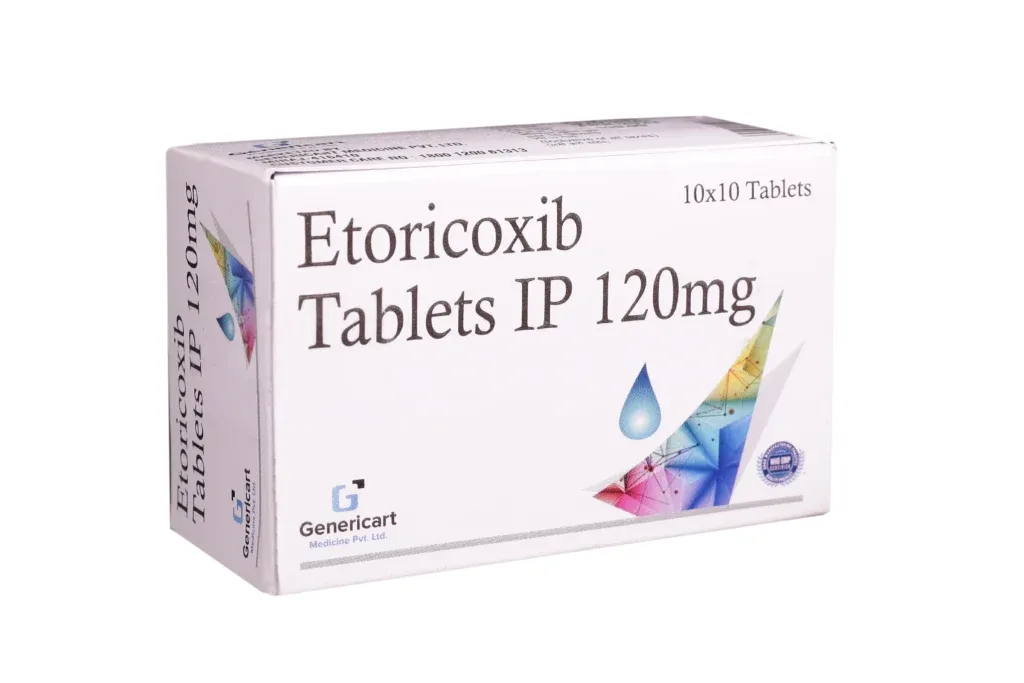
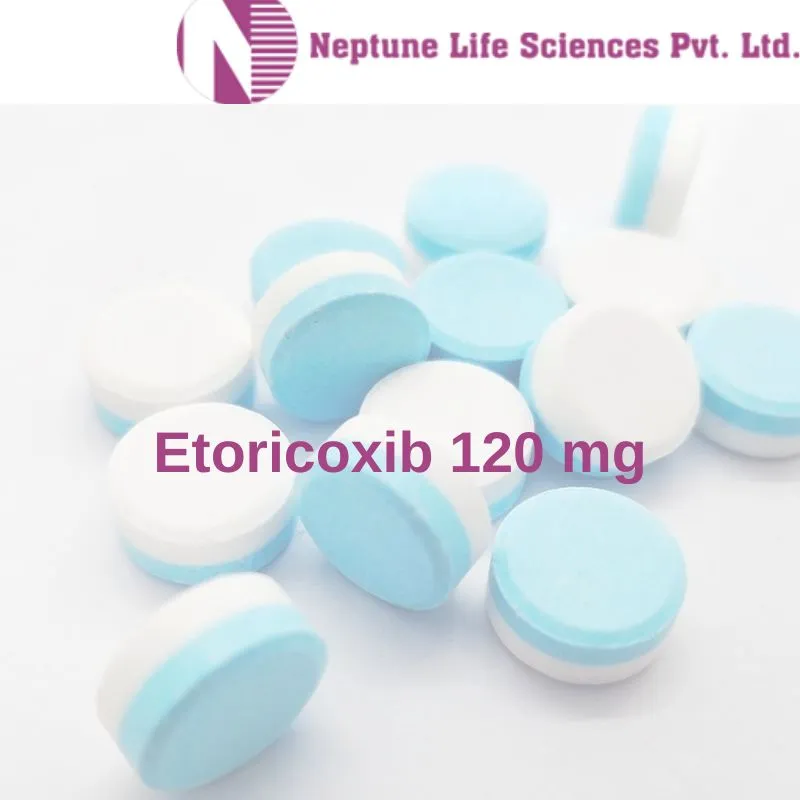
| Acute Gouty Arthritis | 120 mg once daily (max 8 days) |
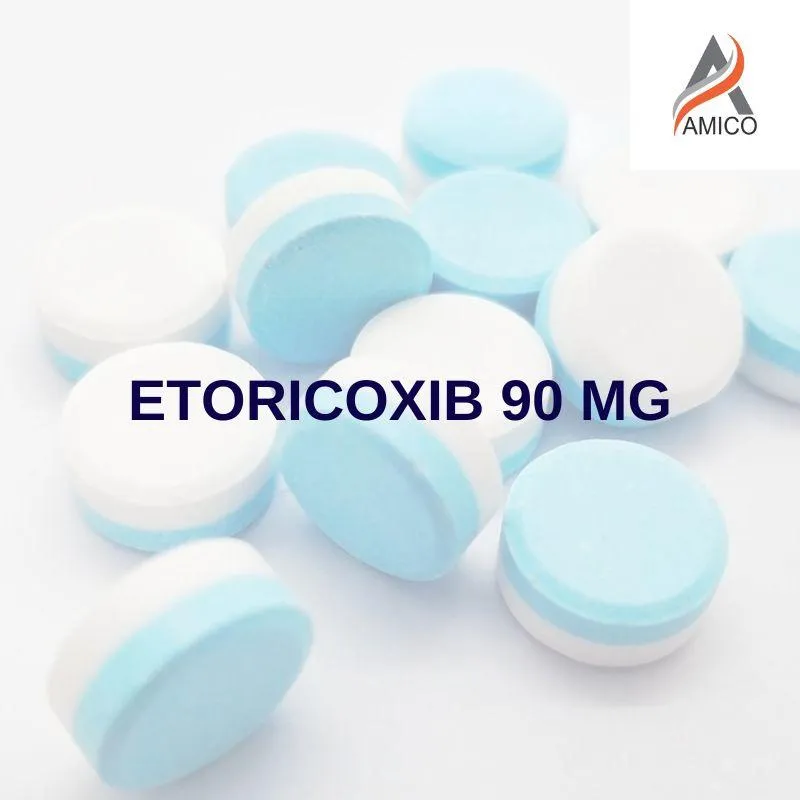
| Acute Post-operative Dental Pain | 90 mg once daily (max 3 days) |
| Chronic Musculoskeletal Pain | 60 mg once daily |
Note: Always consult a healthcare provider for dosage adjustments based on individual renal or hepatic function.
3. Contraindications and Safety Warnings
While Etoricoxib is highly effective, it carries significant risks that necessitate careful patient screening.
Absolute Contraindications
- Hypersensitivity: Known allergy to Etoricoxib or other sulfonamides.
- Active Peptic Ulceration: History of active gastrointestinal (GI) bleeding.
- Cardiovascular Disease: Patients with established ischemic heart disease, peripheral arterial disease, or cerebrovascular disease.
- Severe Hepatic Dysfunction: Patients with Child-Pugh scores indicating severe impairment.
- Severe Renal Impairment: Creatinine clearance <30 mL/min.
- Pregnancy: Particularly in the third trimester due to potential premature closure of the ductus arteriosus.
Cardiovascular and Gastrointestinal Risks
All COX-2 inhibitors carry a potential risk for thrombotic events (myocardial infarction and stroke). Clinicians are advised to use the lowest effective dose for the shortest possible duration. Patients with hypertension should have their blood pressure closely monitored while on this medication.
4. Drug Interactions
Etoricoxib interacts with several common medications. It is critical to review a patient's full medication profile:
- Warfarin/Anticoagulants: Increased risk of bleeding; monitor International Normalized Ratio (INR).
- ACE Inhibitors/ARBs: Reduced antihypertensive effect; potential for renal impairment.
- Lithium: Etoricoxib may increase plasma concentrations of lithium.
- Methotrexate: Potential for increased toxicity; monitoring of blood counts is recommended.
- Oral Contraceptives: Etoricoxib may increase the serum concentration of ethinyl estradiol.
5. Pregnancy, Lactation, and Special Populations
- Pregnancy: Etoricoxib should be avoided during pregnancy. NSAIDs can cause fetal renal dysfunction and oligohydramnios.
- Lactation: It is unknown if Etoricoxib is excreted in human milk. Breastfeeding is generally not recommended during treatment.
- Geriatric Patients: No dosage adjustment is required based on age, but lower starting doses should be considered for frail or underweight elderly patients.
6. Overdose Management
Symptoms of overdose are generally consistent with excessive pharmacological effects, including GI toxicity and renal impairment.
- Management: There is no specific antidote. In the event of an overdose, standard supportive measures should be taken:
- Gastric lavage if ingestion was recent.
- Clinical monitoring of vital signs.
- Symptomatic treatment (e.g., fluid replacement for dehydration).
- Etoricoxib is not dialyzable via hemodialysis.
7. Frequently Asked Questions (FAQ)
1. Is Etoricoxib safer for the stomach than Ibuprofen?
Yes, because Etoricoxib is a selective COX-2 inhibitor, it causes significantly fewer gastrointestinal ulcers and bleeds compared to non-selective NSAIDs. However, the risk is not zero.
2. How long can I take Etoricoxib?
For chronic conditions like arthritis, it is prescribed for long-term use at the lowest effective dose. For acute pain like gout or dental surgery, it should be limited to the shortest duration possible (3–8 days).
3. Can I take Etoricoxib with food?
Etoricoxib can be taken with or without food. Taking it with food may slightly delay the rate of absorption but does not affect the total extent of absorption.
4. Does Etoricoxib cause high blood pressure?
Etoricoxib can cause blood pressure to rise in some patients. Regular blood pressure monitoring is recommended for all patients, especially those with pre-existing hypertension.
5. Can I drink alcohol while on Etoricoxib?
While there is no direct interaction, alcohol can irritate the stomach lining, which may counteract the gastrointestinal safety profile of Etoricoxib. It is best to avoid or limit alcohol intake.
6. What should I do if I miss a dose?
Take the missed dose as soon as you remember. If it is almost time for your next dose, skip the missed one. Do not take a double dose to make up for a forgotten one.
7. Is Etoricoxib a narcotic or addictive?
No, Etoricoxib is a non-narcotic, non-steroidal anti-inflammatory medication. It carries no risk of physical dependence or addiction.
8. Can children take Etoricoxib?
Etoricoxib is generally not recommended for children or adolescents under 16 years of age.
9. Why does my doctor monitor my kidney function?
NSAIDs, including Etoricoxib, can affect renal blood flow. Monitoring is a standard precaution to ensure that the kidneys are processing the drug safely, particularly in older adults.
10. Can I take other painkillers with Etoricoxib?
You should avoid taking other NSAIDs (like Ibuprofen, Diclofenac, or Aspirin) alongside Etoricoxib, as this significantly increases the risk of side effects without providing additional pain relief. Paracetamol (Acetaminophen) is generally considered safe to combine if approved by your physician.
Conclusion
Etoricoxib remains a cornerstone in the management of orthopedic pain and inflammatory arthropathies. By providing potent relief with a favorable gastrointestinal profile, it significantly improves the quality of life for many patients. However, its use requires a balanced approach, weighing the benefits of pain relief against potential cardiovascular risks. Always adhere to the guidance of your healthcare professional and report any adverse effects immediately.
Disclaimer: This guide is for educational purposes only and does not constitute medical advice. Always consult with a licensed physician or pharmacist before starting or changing any medication regimen.