
Comprehensive Guide to Etoritan: Clinical Overview and Therapeutic Applications
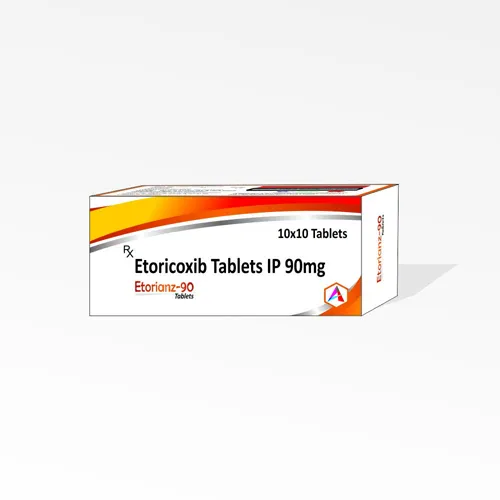
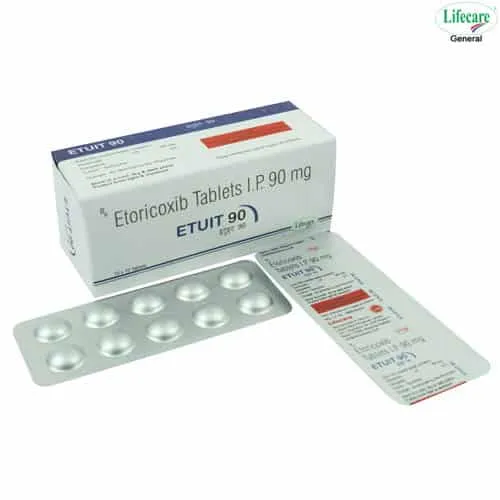
Etoritan represents a significant pharmacological intervention in the management of inflammatory conditions and chronic pain syndromes. As an orthopedic-focused therapeutic agent, understanding its nuanced role in clinical practice is essential for healthcare providers and patients alike. This guide explores the pharmacodynamics, clinical utility, and safety profile of Etoritan.
1. Introduction and Overview
Etoritan is a specialized pharmacological agent primarily utilized for its potent anti-inflammatory and analgesic properties. In the orthopedic field, it is frequently prescribed to manage acute musculoskeletal distress, chronic joint inflammation, and post-operative recovery phases. By targeting specific enzymatic pathways responsible for the synthesis of pro-inflammatory mediators, Etoritan provides relief where traditional non-steroidal anti-inflammatory drugs (NSAIDs) may prove insufficient or contraindicated.
2. Mechanism of Action and Pharmacokinetics
Mechanism of Action
Etoritan functions primarily as a selective inhibitor of the cyclooxygenase-2 (COX-2) enzyme. Unlike non-selective NSAIDs that inhibit both COX-1 and COX-2, Etoritan’s selectivity allows for the reduction of prostaglandin synthesis—the chemicals responsible for pain and inflammation—while sparing the protective prostaglandins associated with gastric mucosal integrity and platelet function.
Pharmacokinetics
Understanding how the body processes Etoritan is critical for optimizing therapeutic efficacy.
| Feature | Description |
|---|---|
| Absorption | Highly bioavailable following oral administration; peak plasma concentrations reached within 2–4 hours. |
| Distribution | Extensive protein binding (approximately 90-95%), primarily to albumin. |
| Metabolism | Primarily hepatic, involving cytochrome P450 isoenzymes (CYP3A4). |
| Excretion | Predominantly renal (approx. 70%) with the remainder via biliary pathways. |
| Half-life | Approximately 18–22 hours, allowing for once-daily dosing regimens. |
3. Clinical Indications and Usage
Etoritan is indicated for the symptomatic management of several orthopedic and rheumatological conditions:
- Osteoarthritis (OA): Management of signs and symptoms of OA of the knee, hip, and spine.
- Rheumatoid Arthritis (RA): Reduction of inflammation and joint pain associated with chronic autoimmune involvement.
- Ankylosing Spondylitis: Alleviation of spinal pain and stiffness.
- Acute Post-Operative Pain: Short-term management of pain following orthopedic surgical interventions (e.g., arthroplasty).
- Acute Gouty Arthritis: Reduction of acute inflammatory flares in synovial tissues.
Dosage Guidelines
Dosage must be individualized based on the patient's renal function, cardiovascular risk profile, and the severity of the condition.
- Standard Adult Dose: 60 mg orally once daily.
- Acute Pain/Gout: May be increased to 90 mg or 120 mg once daily for a maximum of 8 days.
- Geriatric Considerations: No specific dose adjustment is usually required, but monitoring for renal impairment is advised.
- Hepatic Impairment: Reduce dosage by 50% in patients with mild-to-moderate hepatic dysfunction (Child-Pugh score 5-9).
4. Risks, Side Effects, and Contraindications
Contraindications
Etoritan should not be administered to patients with:
1. History of hypersensitivity to the drug or sulfonamides.
2. Active peptic ulceration or gastrointestinal bleeding.
3. Severe congestive heart failure (NYHA II-IV).
4. Established ischemic heart disease or peripheral arterial disease.
5. Severe renal impairment (Creatinine clearance < 30 mL/min).
Potential Side Effects
While generally well-tolerated, clinical monitoring is required for the following:
- Common: Peripheral edema, hypertension, dyspepsia, headache, and dizziness.
- Less Common: Elevation of liver enzymes, insomnia, and palpitations.
- Serious (Rare): Gastrointestinal perforation, myocardial infarction, Stevens-Johnson syndrome, and acute renal failure.
5. Pregnancy, Lactation, and Drug Interactions
Pregnancy and Lactation
- Pregnancy: Etoritan is categorized as Pregnancy Category C/D (depending on trimester). It should be avoided during the third trimester due to the risk of premature closure of the ductus arteriosus.
- Lactation: It is unknown if Etoritan is excreted in human milk. Breastfeeding is generally advised against while on therapy.
Critical Drug Interactions
| Interacting Agent | Potential Effect |
|---|---|
| Warfarin | Increased risk of bleeding; monitor INR closely. |
| ACE Inhibitors | Reduced antihypertensive effect and risk of renal impairment. |
| Lithium | Increased plasma lithium levels; risk of toxicity. |
| Methotrexate | Increased risk of hematologic toxicity. |
6. Overdose Management
In the event of an overdose, standard supportive measures should be implemented immediately:
1. Gastric Decontamination: Induce emesis or perform gastric lavage if the ingestion occurred within 1–2 hours.
2. Activated Charcoal: Administer to reduce systemic absorption.
3. Monitoring: Continuous ECG monitoring and assessment of vital signs.
4. Supportive Care: Maintenance of fluid and electrolyte balance. Etoritan is not significantly removed by hemodialysis.
7. Frequently Asked Questions (FAQ)
1. How long does it take for Etoritan to start working?
Most patients report a noticeable reduction in pain and stiffness within 24 to 48 hours of starting the medication.
2. Can I take Etoritan with food?
Yes, Etoritan can be taken with or without food. However, taking it with food may minimize potential gastric irritation.
3. Does Etoritan cause stomach ulcers like other NSAIDs?
Because it is a selective COX-2 inhibitor, the risk of gastrointestinal ulcers is significantly lower compared to non-selective NSAIDs. However, the risk is not entirely eliminated.
4. Is Etoritan a narcotic or opioid?
No, Etoritan is a non-narcotic, non-steroidal anti-inflammatory medication and does not have addictive potential.
5. What should I do if I miss a dose?
Take the missed dose as soon as you remember. If it is close to the time for your next dose, skip the missed one. Do not double the dose.
6. Can I drink alcohol while taking Etoritan?
Alcohol may increase the risk of stomach irritation and liver stress. It is advised to consume alcohol in moderation or avoid it entirely.
7. Does Etoritan affect blood pressure?
Yes, like many anti-inflammatory medications, Etoritan may cause a modest increase in blood pressure. Regular monitoring is recommended for patients with existing hypertension.
8. Is this medication safe for patients with asthma?
Use with caution. Some patients with aspirin-sensitive asthma may experience bronchospasms when taking COX-2 inhibitors.
9. Can I take Etoritan for a headache?
Etoritan is not indicated for the treatment of tension headaches or migraines. It is specifically designed for inflammatory musculoskeletal conditions.
10. How long can I safely stay on Etoritan?
Long-term use should be determined by your orthopedic specialist. Regular follow-up appointments are necessary to monitor cardiovascular and renal health during chronic therapy.
Conclusion
Etoritan serves as a robust tool in the orthopedic arsenal, offering targeted relief for inflammatory pain. While its selective action provides a superior safety profile regarding the gastrointestinal tract, its cardiovascular and renal implications necessitate diligent clinical oversight. Always consult with a licensed medical professional before initiating, adjusting, or discontinuing Etoritan therapy to ensure it aligns with your specific clinical profile.
Disclaimer: This guide is for educational purposes only and does not constitute medical advice, diagnosis, or treatment. Always seek the advice of your physician or other qualified health provider with any questions you may have regarding a medical condition.