
Comprehensive Guide to Etoxib (Etoricoxib): Clinical Overview
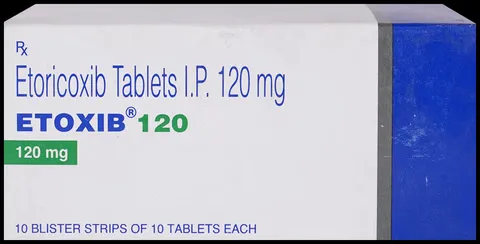
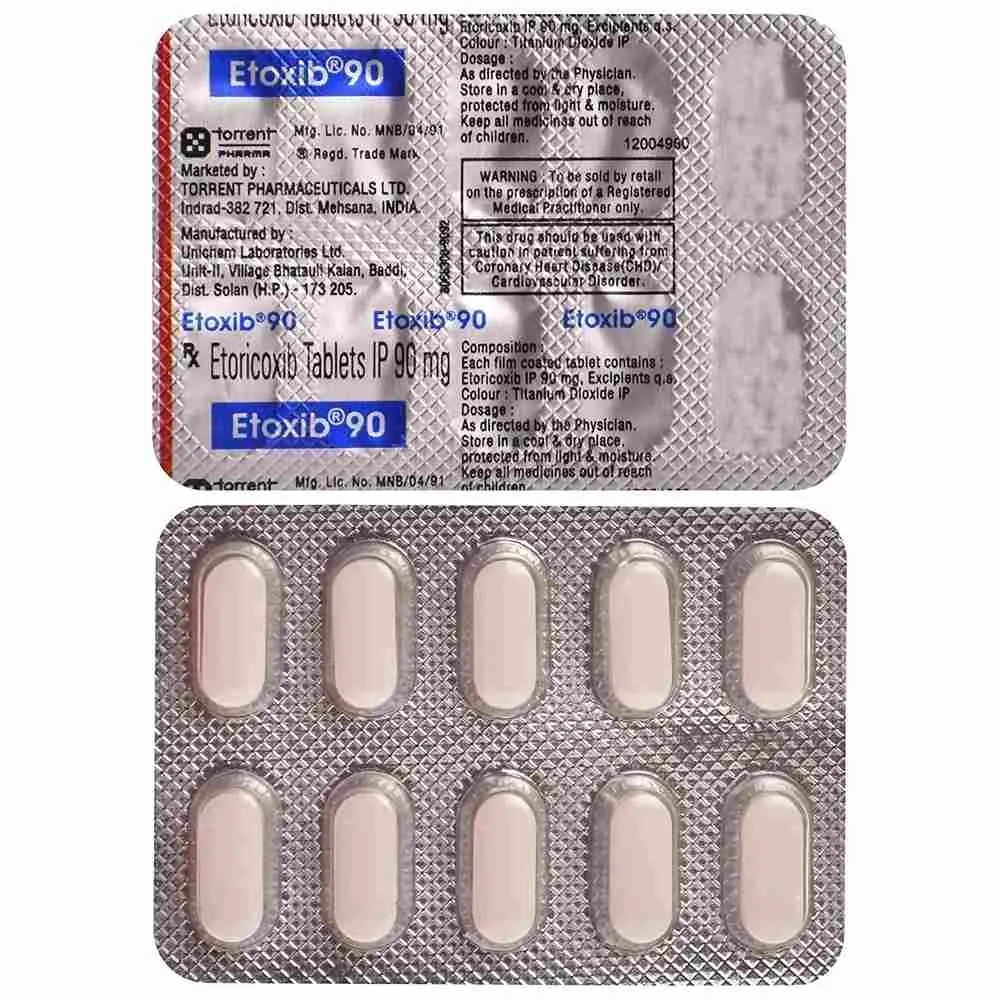
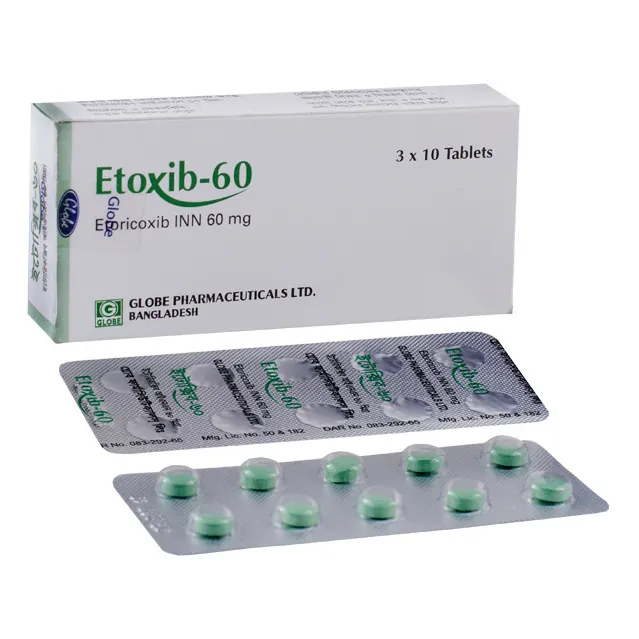
Etoxib, internationally recognized by its generic name Etoricoxib, is a potent, selective cyclooxygenase-2 (COX-2) inhibitor belonging to the non-steroidal anti-inflammatory drug (NSAID) class. Unlike traditional NSAIDs that inhibit both COX-1 and COX-2 enzymes, Etoxib is engineered to selectively target the COX-2 isoenzyme. This selectivity is designed to provide robust anti-inflammatory, analgesic, and antipyretic effects while theoretically reducing the gastrointestinal (GI) toxicity often associated with non-selective NSAIDs.
In clinical orthopedics and rheumatology, Etoxib has become a cornerstone therapy for managing chronic inflammatory conditions and acute pain. This guide provides an exhaustive look into its pharmacological profile, clinical application, and safety parameters.
Technical Specifications and Mechanism of Action
The Science of Selective Inhibition
The therapeutic efficacy of Etoxib is derived from its ability to inhibit the synthesis of prostaglandins. Prostaglandins are lipid compounds that act as mediators in the inflammatory response, pain signaling, and fever regulation.
- COX-1 (Constitutive): Responsible for maintaining the gastric mucosal lining and renal blood flow.
- COX-2 (Inducible): Induced primarily by inflammatory stimuli, leading to the production of pro-inflammatory prostaglandins.
Etoxib binds to the COX-2 enzyme with significantly higher affinity than COX-1. By blocking the catalytic site of COX-2, Etoxib prevents the conversion of arachidonic acid into prostaglandin H2. This suppression of prostaglandin E2 (PGE2) leads to a rapid reduction in inflammation and pain perception.
Pharmacokinetics Profile
Understanding how the body processes Etoxib is critical for optimizing therapeutic outcomes:
| Feature | Description |
|---|---|
| Absorption | Rapidly and well-absorbed after oral administration. |
| Bioavailability | Approximately 100%. |
| Protein Binding | Highly bound to plasma proteins (~92%). |
| Metabolism | Primarily hepatic via cytochrome P450 enzymes (CYP3A4). |
| Elimination | Excreted mainly as metabolites in urine (70%) and feces (20%). |
| Half-life | Approximately 22 hours, allowing for once-daily dosing. |
Clinical Indications and Usage
Etoxib is indicated for the symptomatic relief of various musculoskeletal and inflammatory conditions. It is not a disease-modifying drug but acts as a powerful tool for pain management and functional improvement.
Primary Indications
- Osteoarthritis (OA): Management of signs and symptoms of OA of the knee, hip, and spine.
- Rheumatoid Arthritis (RA): Reduction of joint pain and swelling in patients with RA.
- Ankylosing Spondylitis: Relief of pain and stiffness associated with this autoimmune condition.
- Acute Gouty Arthritis: Rapid intervention for acute flares.
- Acute Musculoskeletal Pain: Short-term management of muscle strains, sprains, and soft tissue injuries.
- Post-Operative Dental Pain: Short-term relief following dental procedures.
Dosage Guidelines
Dosage must be individualized based on the condition being treated and the patient’s response.
- Osteoarthritis: 30 mg to 60 mg once daily.
- Rheumatoid Arthritis: 60 mg to 90 mg once daily.
- Ankylosing Spondylitis: 60 mg to 90 mg once daily.
- Acute Gouty Arthritis: 120 mg once daily (for a maximum of 8 days).
- Acute Pain/Dental Pain: 90 mg to 120 mg daily for a maximum of 8 days.
Risks, Side Effects, and Contraindications
While Etoxib offers a favorable GI profile compared to traditional NSAIDs, it carries specific risks, particularly regarding cardiovascular safety.
Common Side Effects
- Gastrointestinal: Epigastric pain, flatulence, diarrhea, dyspepsia.
- Central Nervous System: Headache, dizziness, fatigue.
- Cardiovascular: Edema, hypertension (due to sodium and water retention).
- Hepatic: Elevated liver enzymes (ALT/AST).
Serious Adverse Events (Requires Medical Attention)
- Cardiovascular thrombotic events (myocardial infarction, stroke).
- Gastrointestinal ulceration or hemorrhage (rare, but possible).
- Severe allergic reactions (Stevens-Johnson syndrome, anaphylaxis).
- Renal impairment or failure in predisposed patients.
Contraindications
Etoxib should strictly be avoided in patients with:
* Known hypersensitivity to Etoricoxib or any component of the medication.
* Active peptic ulcer disease or gastrointestinal bleeding.
* Severe hepatic dysfunction (Child-Pugh score ≥ 9).
* Severe renal impairment (Creatinine clearance < 30 mL/min).
* Inflammatory bowel disease (Crohn’s, Ulcerative Colitis).
* Congestive heart failure (NYHA II-IV).
* Established ischemic heart disease, peripheral arterial disease, or cerebrovascular disease.
Drug Interactions and Special Populations
Important Drug Interactions
- Warfarin: Increased risk of bleeding; monitor INR closely.
- ACE Inhibitors/ARBs: Reduced antihypertensive effect; potential for renal function decline.
- Diuretics: Decreased natriuretic effect.
- Lithium: Increased plasma levels of lithium, increasing toxicity risk.
- Methotrexate: Increased risk of hematological toxicity.
Pregnancy and Lactation
- Pregnancy: Etoxib is generally contraindicated, especially in the third trimester, as NSAIDs can cause premature closure of the ductus arteriosus and fetal renal impairment.
- Lactation: It is unknown if Etoxib is excreted in human milk. Due to potential adverse effects, breastfeeding is not recommended while taking this medication.
Massive FAQ Section
1. Is Etoxib the same as Ibuprofen?
No. While both are NSAIDs, Ibuprofen is a non-selective inhibitor of both COX-1 and COX-2. Etoxib is a selective COX-2 inhibitor, which generally makes it gentler on the stomach lining.
2. Can I take Etoxib on an empty stomach?
Yes, Etoxib can be taken with or without food. However, taking it with food may help minimize potential GI irritation in sensitive individuals.
3. What should I do if I miss a dose?
Take the missed dose as soon as you remember. If it is almost time for your next dose, skip the missed dose. Do not take two doses at the same time.
4. Why is there a maximum duration for Gout treatment?
The 8-day limit for acute gout and acute pain is due to the increased risk of cardiovascular and gastrointestinal side effects associated with high-dose, long-term use.
5. Does Etoxib cause weight gain?
Etoxib can cause fluid retention (edema), which may present as mild weight gain or swelling in the ankles.
6. Can patients with high blood pressure take Etoxib?
Patients with hypertension should use Etoxib with caution. Regular monitoring of blood pressure is required, as the drug can exacerbate high blood pressure.
7. Is a prescription required for Etoxib?
Yes, Etoxib is a prescription-only medication due to its potential cardiovascular and safety profile.
8. Can I drink alcohol while taking Etoxib?
It is advised to limit alcohol consumption, as both alcohol and Etoxib can irritate the stomach lining and increase the risk of GI complications.
9. How long does it take for Etoxib to start working?
Most patients experience relief within 30 to 60 minutes after taking the medication.
10. Is Etoxib suitable for children?
No, Etoxib is not indicated for children or adolescents under the age of 16.
Overdose Management
In the event of an Etoxib overdose, the patient must be monitored closely for signs of toxicity, particularly cardiovascular or renal complications. There is no specific antidote for Etoxib.
Management steps include:
1. Gastric Decontamination: If ingestion is recent, activated charcoal may be considered.
2. Supportive Care: Monitor vital signs, particularly blood pressure and cardiac rhythm.
3. Renal Monitoring: Assess creatinine and electrolyte levels to check for acute renal injury.
4. Symptomatic Treatment: Address specific symptoms like hypertension or GI distress under medical supervision.
Disclaimer: This guide is for informational purposes only and does not constitute medical advice. Always consult with a licensed healthcare professional before starting or altering any medication regimen.