


Comprehensive Guide to Fastum Gel (Ketoprofen)
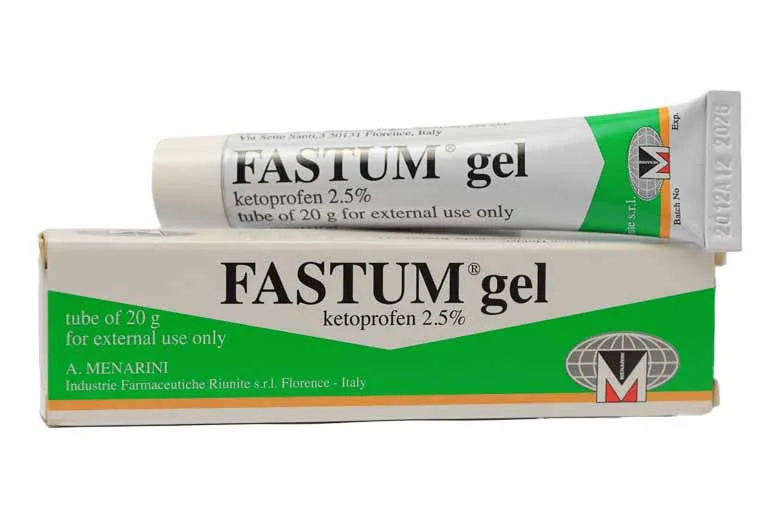
Fastum Gel is a widely recognized topical non-steroidal anti-inflammatory drug (NSAID) used extensively in orthopedic and sports medicine settings. Containing the active ingredient ketoprofen, it is formulated to provide targeted relief for musculoskeletal pain, inflammation, and localized trauma. As an expert-level resource, this guide explores the pharmacological profile, therapeutic applications, and safety protocols essential for healthcare providers and informed patients.
1. Pharmacology and Mechanism of Action
To understand the efficacy of Fastum Gel, one must examine its molecular interaction with the human inflammatory response.
The Cyclooxygenase (COX) Pathway
Ketoprofen, the active constituent in Fastum Gel, acts primarily by inhibiting the cyclooxygenase enzymes (COX-1 and COX-2). By blocking these enzymes, the gel prevents the conversion of arachidonic acid into prostaglandins. Prostaglandins are key lipid mediators that sensitize nerve endings to pain and promote vasodilation and edema at the site of injury.
Topical Pharmacokinetics
Unlike oral NSAIDs, which undergo significant first-pass metabolism in the liver, Fastum Gel is designed for transdermal absorption.
* Absorption: The gel base allows ketoprofen to penetrate the stratum corneum and reach underlying soft tissues (muscles, tendons, ligaments).
* Systemic Exposure: Topical application results in significantly lower plasma concentrations compared to oral administration, thereby reducing the risk of systemic gastrointestinal and cardiovascular side effects.
* Distribution: Once absorbed, the drug concentrates in the localized synovial and soft tissue spaces, providing high local concentrations without requiring high systemic doses.
2. Clinical Indications and Usage
Fastum Gel is indicated for the symptomatic relief of painful and inflammatory conditions of the musculoskeletal system.
Primary Indications
| Condition | Clinical Application |
|---|---|
| Acute Musculoskeletal Trauma | Sprains, strains, and contusions resulting from sports injuries. |
| Tendonitis | Inflammation of the tendons, including tennis elbow or Achilles tendinitis. |
| Bursitis | Localized inflammation of the fluid-filled sacs surrounding joints. |
| Myalgia | Muscle soreness and localized pain caused by exertion or minor injury. |
| Osteoarthritis | Management of localized joint pain in accessible joints (e.g., knee). |
Application Guidelines
Proper application is critical for therapeutic success.
1. Preparation: Clean and dry the affected area thoroughly before application.
2. Dosing: Apply a thin layer of the gel (usually 3–5 cm depending on the size of the area) 1 to 3 times daily.
3. Massage: Gently massage the gel into the skin until it is fully absorbed.
4. Hygiene: Wash hands thoroughly after application to prevent contact with mucous membranes.
3. Risks, Contraindications, and Safety Warnings
While topical NSAIDs are generally safer than oral counterparts, specific contraindications must be respected to ensure patient safety.
Contraindications
- Hypersensitivity: Known allergy to ketoprofen, aspirin, or other NSAIDs.
- Photosensitivity: Ketoprofen is known to cause photo-allergic reactions. Patients must avoid exposing the treated area to direct sunlight or UV lamps during and for two weeks after treatment.
- Skin Integrity: Do not apply to open wounds, infected skin, or dermatological conditions such as eczema or acne.
- Asthma: Patients with a history of NSAID-induced asthma must use this product with extreme caution.
Pregnancy and Lactation
- Pregnancy: The use of Fastum Gel is not recommended during the third trimester due to the potential risk of premature closure of the ductus arteriosus. Consult an obstetrician before use during any stage of pregnancy.
- Lactation: It is unknown if topically applied ketoprofen is excreted in breast milk. Use only if clearly necessary and after consulting a physician.
4. Drug Interactions and Overdose Management
Known Interactions
Although systemic absorption is low, the possibility of interaction exists, particularly if applied over large surface areas:
* Oral NSAIDs/Aspirin: May increase the risk of gastrointestinal adverse effects.
* Anticoagulants (e.g., Warfarin): May increase the risk of bleeding, though this is rare with topical use.
* Methotrexate: Potential for increased toxicity if systemic levels rise significantly.
Overdose Management
An overdose of topical Fastum Gel is highly unlikely due to the nature of the application. However, if massive ingestion occurs:
1. Immediate Action: Seek emergency medical attention.
2. Decontamination: Gastric lavage or activated charcoal may be considered if ingestion is recent.
3. Supportive Care: Monitor renal function and provide symptomatic treatment for potential systemic NSAID toxicity.
5. Frequently Asked Questions (FAQ)
1. How long can I use Fastum Gel continuously?
Treatment should generally be limited to 7–10 days. If pain persists beyond this period, consult a healthcare professional to rule out more serious pathology.
2. Can I use a bandage over the treated area?
It is generally recommended to avoid occlusive dressings or airtight bandages, as these can increase systemic absorption and skin irritation.
3. Will Fastum Gel interact with my blood pressure medication?
The systemic absorption of Fastum Gel is minimal, making interactions with antihypertensives unlikely. However, always verify with your doctor if you have chronic hypertension.
4. What should I do if the gel gets in my eyes?
Rinse the eyes thoroughly with clean water for several minutes. If irritation persists, seek medical advice.
5. Can children use Fastum Gel?
The safety and efficacy of Fastum Gel in pediatric patients under 15 years of age have not been established. Consult a pediatrician before use.
6. Is it safe to apply Fastum Gel to my back?
Yes, it is effective for lower back pain (lumbago), provided the skin is intact and you are not allergic to the ingredients.
7. Why is sunlight dangerous while using this gel?
Ketoprofen can cause a photo-toxic or photo-allergic reaction, leading to severe skin rashes or burns when exposed to UV light. Always cover the treated area.
8. Does the gel stain clothing?
Fastum Gel is formulated to be non-greasy and generally does not stain, but it is best to allow it to dry completely before dressing.
9. Can I use Fastum Gel with other topical creams?
Avoid using multiple topical products on the same site simultaneously, as this may alter the absorption profile of the medication.
10. How should I store the medication?
Store in a cool, dry place at room temperature (below 25°C). Keep the tube tightly closed and out of reach of children.
6. Conclusion for Healthcare Professionals
Fastum Gel remains a gold-standard topical intervention for localized musculoskeletal pain. Its ability to provide rapid, targeted relief with a favorable side-effect profile makes it an essential tool in the orthopedic toolkit. By strictly adhering to application guidelines and emphasizing the importance of sun avoidance, clinicians can maximize therapeutic outcomes while minimizing patient risk.
Disclaimer: This guide is for informational purposes only and does not replace professional medical advice, diagnosis, or treatment. Always seek the advice of your physician or qualified health provider with any questions regarding a medical condition.