
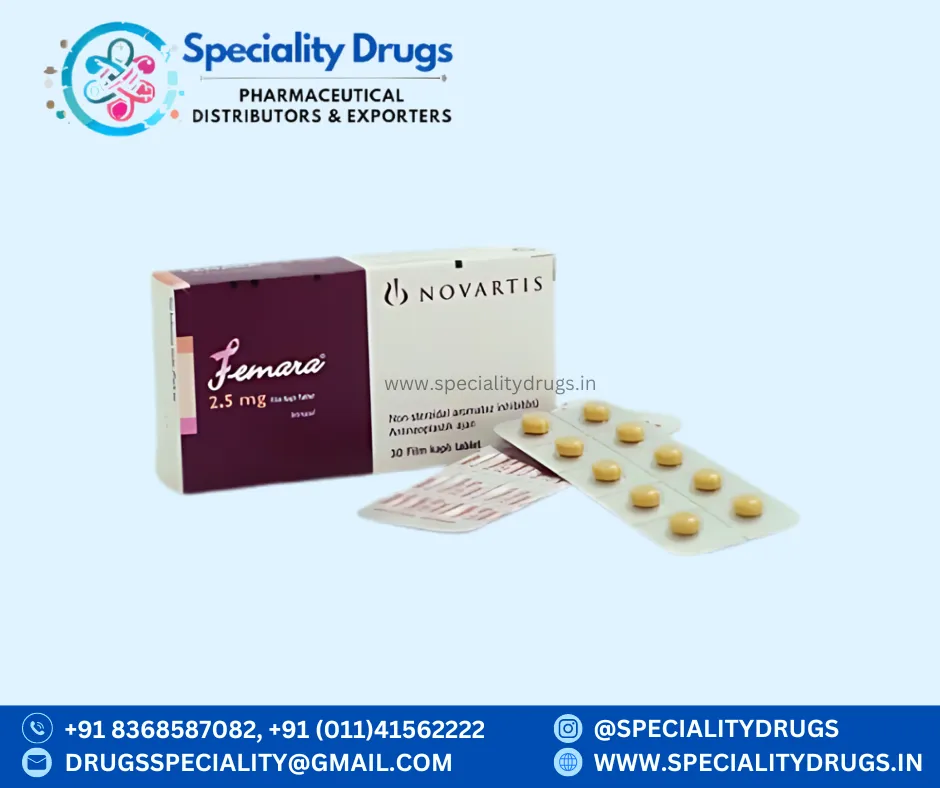
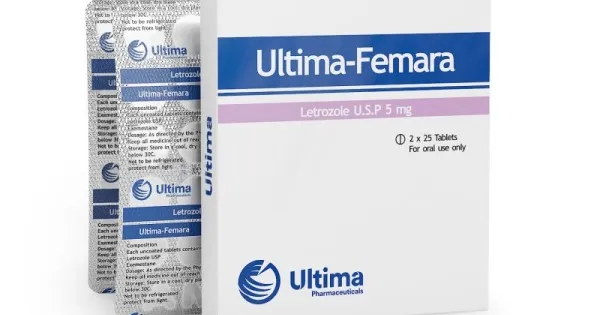

Comprehensive Overview of Femara (Letrozole)
Femara, known generically as Letrozole, is a potent, non-steroidal aromatase inhibitor that has revolutionized the management of hormone receptor-positive (HR+) breast cancer in postmenopausal women. By effectively suppressing the production of estrogen—the primary fuel for many types of breast cancer—Femara plays a critical role in adjuvant therapy, extended adjuvant therapy, and the treatment of advanced metastatic disease.
As an orthopedic and medical specialist consultant, it is vital to understand that while Femara is primarily an oncological agent, its systemic effects on estrogen levels have significant implications for bone metabolism and musculoskeletal health, necessitating a multidisciplinary approach to patient care.
Mechanism of Action and Pharmacokinetics
Mechanism of Action
Femara functions as a highly selective inhibitor of the enzyme aromatase. Aromatase is responsible for the conversion of androgens (such as androstenedione and testosterone) into estrogens (estrone and estradiol) in peripheral tissues.
In postmenopausal women, the primary source of estrogen is not the ovaries, but the peripheral conversion of adrenal androgens. By binding to the heme group of the aromatase cytochrome P450 enzyme complex, Femara inhibits this conversion, resulting in a profound reduction in systemic estrogen levels. This process is crucial because HR+ breast cancer cells rely on estrogen signaling for growth and proliferation.
Pharmacokinetics
The pharmacokinetic profile of Letrozole is characterized by rapid and complete absorption, regardless of food intake.
- Bioavailability: Nearly 100%.
- Protein Binding: Approximately 60%, mainly to albumin.
- Metabolism: Primarily metabolized in the liver via the cytochrome P450 system (specifically CYP3A4 and CYP2A6) to an inactive carbinol metabolite.
- Elimination: Excreted primarily in the urine as metabolites.
- Half-life: Approximately 2 days (48 hours).
Clinical Indications and Usage
Femara is indicated for several distinct clinical scenarios, primarily within the oncology setting:
| Indication | Clinical Context |
|---|---|
| Adjuvant Therapy | Treatment of postmenopausal women with HR+ early breast cancer. |
| Extended Adjuvant | Treatment of postmenopausal women who have completed 5 years of prior adjuvant tamoxifen. |
| First-Line Treatment | Treatment of postmenopausal women with HR+ or unknown receptor status advanced breast cancer. |
| Second-Line Treatment | Treatment of advanced breast cancer in women with disease progression following anti-estrogen therapy. |
Dosage Guidelines
The standard recommended dosage for Femara is 2.5 mg administered orally once daily.
- Duration: The duration is determined by the treating oncologist, often spanning 5 years or more depending on the stage of cancer and risk of recurrence.
- Missed Dose: If a dose is missed, it should be taken as soon as the patient remembers. If it is almost time for the next dose, the missed dose should be skipped to avoid double dosing.
Risks, Side Effects, and Contraindications
Common Side Effects
Patients on Femara therapy frequently report side effects linked to the systemic depletion of estrogen:
* Musculoskeletal: Arthralgia (joint pain), myalgia, and bone density loss (osteopenia/osteoporosis).
* Vasomotor: Hot flashes and night sweats.
* General: Fatigue, nausea, and increased cholesterol levels.
Contraindications
- Pregnancy: Femara is strictly contraindicated in women who are or may become pregnant. It can cause fetal harm.
- Premenopausal Status: It is generally ineffective in premenopausal women because the ovaries continue to produce estrogen, which overrides the aromatase inhibition.
- Hypersensitivity: Known allergy to letrozole or any components of the tablet.
Important Warnings
- Bone Health: Due to estrogen suppression, bone mineral density (BMD) may decline. Regular DEXA scans and supplementation with Calcium and Vitamin D are standard clinical recommendations.
- Cardiovascular Risk: Patients should be monitored for hypercholesterolemia and cardiovascular health, as long-term aromatase inhibition can adversely impact lipid profiles.
Drug Interactions
Femara is metabolized by CYP3A4. While it has a lower potential for interactions compared to other medications, caution is advised when using:
* Tamoxifen: Co-administration is generally avoided as it may reduce the plasma concentrations of Letrozole.
* Strong CYP3A4 Inducers/Inhibitors: Medications like rifampin or ketoconazole may theoretically alter the metabolism of letrozole, though clinical significance is often limited.
Overdose Management
There is no specific antidote for Femara overdose. Management is supportive and symptomatic. Gastric lavage may be considered if the ingestion is recent. Due to the long half-life of 48 hours, prolonged monitoring of the patient's vital signs and clinical status is recommended.
Frequently Asked Questions (FAQ)
1. Does Femara cause weight gain?
While weight gain is not a primary clinical finding in all patients, some report metabolic changes that may lead to fluid retention or weight gain. A balanced diet and regular exercise are recommended.
2. Can Femara be used for fertility treatments?
Yes, in off-label practice, Femara is used to induce ovulation in women with PCOS. However, this is distinct from its oncological use and requires strict supervision by a fertility specialist.
3. How does Femara affect my bone health?
Because estrogen protects bone density, long-term use of Femara can increase the risk of fractures. We recommend baseline and periodic DEXA scans.
4. What should I do if I experience severe joint pain?
Joint pain (aromatase inhibitor-induced arthralgia) is common. Discuss this with your oncologist; they may suggest a switch to a different medication or recommend physical therapy.
5. Can I consume alcohol while taking Femara?
There is no direct contraindication for moderate alcohol consumption, but it is best to discuss this with your physician, especially if you are on other medications.
6. Is Femara a form of chemotherapy?
No, Femara is an endocrine (hormonal) therapy. It works by blocking the production of hormones that fuel cancer, rather than directly killing rapidly dividing cells like traditional chemotherapy.
7. How long will I need to take Femara?
The duration depends on your specific diagnosis. Adjuvant therapy is typically prescribed for 5 years, but some patients may continue for longer based on individual risk assessments.
8. Does Femara interact with herbal supplements?
Some herbal supplements, particularly St. John’s Wort, can induce liver enzymes and potentially interfere with the efficacy of Femara. Always disclose all supplements to your doctor.
9. Will I experience menopause symptoms?
Since Femara lowers estrogen, many women experience symptoms similar to menopause, such as hot flashes, mood swings, and vaginal dryness.
10. Can I drive while taking Femara?
Femara is not known to cause drowsiness, but if you experience fatigue or dizziness, use caution when operating machinery or driving until you understand how the medication affects you.
Medical Disclaimer: This guide is for informational purposes only and does not constitute professional medical advice, diagnosis, or treatment. Always seek the advice of your oncologist or a qualified healthcare provider regarding any medical condition or medication.