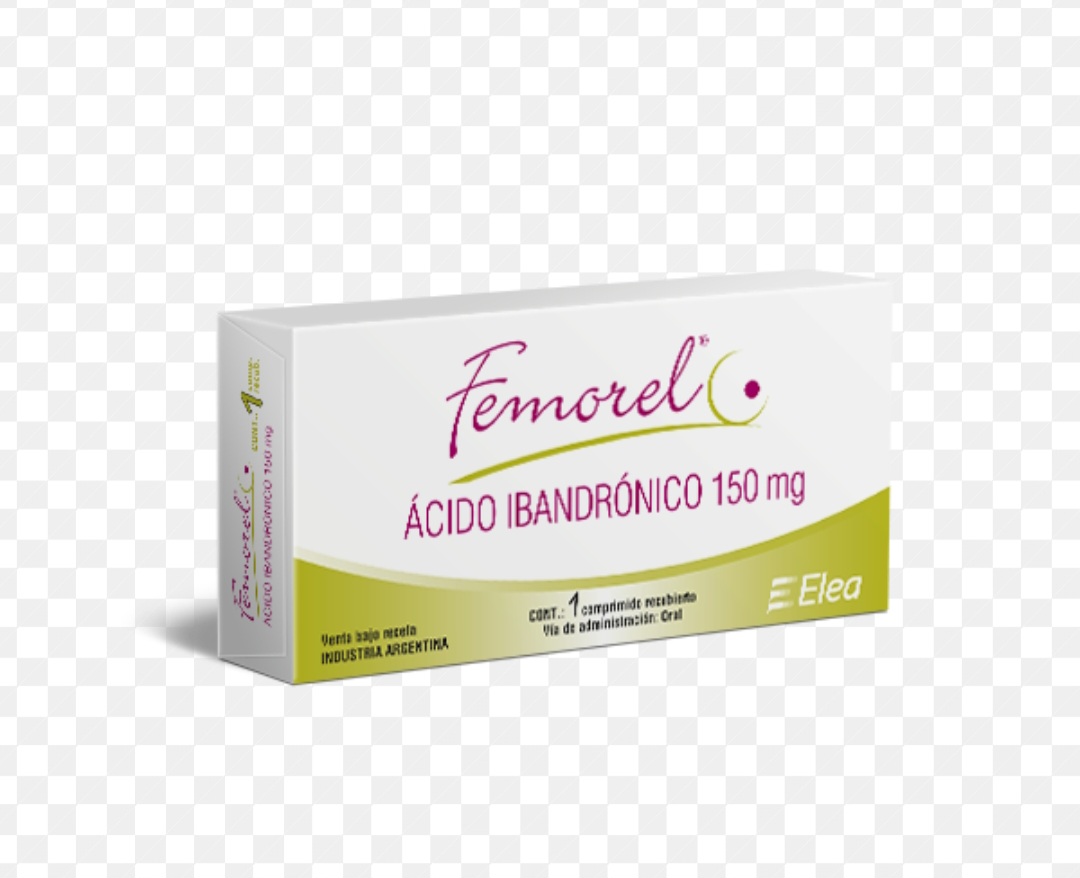
Comprehensive Overview of Ibandronate
Ibandronate, commonly marketed under the brand name Boniva, is a potent nitrogen-containing bisphosphonate medication primarily utilized in the management and prevention of osteoporosis in postmenopausal women. As an orthopedic specialist, I recognize Ibandronate as a cornerstone therapy for patients at high risk of fragility fractures. By inhibiting osteoclast-mediated bone resorption, it helps maintain bone mineral density (BMD) and structural integrity.
Unlike oral daily bisphosphonates, Ibandronate offers flexible dosing regimens, including monthly oral tablets or quarterly intravenous (IV) injections, which significantly improve patient adherence—a critical factor in the long-term success of osteoporosis treatment.
Mechanism of Action: The Science of Bone Preservation
Ibandronate functions by targeting the bone remodeling cycle. To understand its efficacy, one must look at the cellular level.
The Osteoclast Inhibition Pathway
- Binding Affinity: Ibandronate binds to hydroxyapatite crystals in the bone matrix.
- Cellular Uptake: Osteoclasts, the cells responsible for breaking down bone tissue, ingest the medication during the resorption process.
- Enzymatic Interference: Once inside the osteoclast, Ibandronate inhibits the farnesyl pyrophosphate synthase (FPPS) enzyme. This interruption prevents the prenylation of small GTPase proteins (such as Ras, Rho, and Rac), which are essential for osteoclast survival, morphology, and attachment to the bone surface.
- Apoptosis: Deprived of these essential proteins, the osteoclast undergoes apoptosis (programmed cell death), effectively halting the resorption process and allowing osteoblasts (bone-building cells) to work in a more favorable environment.
Pharmacokinetics and Clinical Pharmacology
Understanding the pharmacokinetics of Ibandronate is essential for clinical dosing.
| Parameter | Clinical Note |
|---|---|
| Bioavailability | Low (approx. 0.6% oral) |
| Protein Binding | High (85–99%) |
| Metabolism | Not metabolized; excreted unchanged |
| Elimination | Primarily renal excretion |
| Half-life | Terminal half-life ranges from 10 to 60 hours |
Absorption Considerations
Oral bioavailability is significantly reduced by food, calcium, magnesium, or iron supplements. Therefore, strict adherence to fasting protocols (taking the medication with plain water at least 60 minutes before the first meal) is mandatory to ensure therapeutic efficacy.
Clinical Indications and Usage
Ibandronate is indicated for the following clinical scenarios:
- Postmenopausal Osteoporosis: Treatment to reduce the risk of vertebral fractures.
- Prevention of Osteoporosis: Indicated in postmenopausal women who are at risk of developing the condition.
- Bone Metastasis (Off-label/Specialized): While primarily used for osteoporosis, bisphosphonates are occasionally utilized in palliative care to manage bone lesions, though specific oncology protocols vary.
Dosage Guidelines
| Formulation | Dosage | Frequency |
|---|---|---|
| Oral Tablet | 150 mg | Once monthly |
| Intravenous | 3 mg | Once every 3 months |
Note: Patients must remain upright (sitting or standing) for at least 60 minutes after taking the oral tablet to prevent esophageal irritation.
Risks, Side Effects, and Contraindications
While highly effective, Ibandronate carries specific safety profiles that clinicians and patients must monitor.
Common Adverse Effects
- Gastrointestinal: Esophagitis, esophageal ulcers, or erosions (specifically with oral formulations).
- Musculoskeletal: Arthralgia, myalgia, and back pain.
- General: Flu-like symptoms (especially common after the first IV administration).
Rare but Serious Risks
- Osteonecrosis of the Jaw (ONJ): Rare, but associated with long-term use. Dental examinations are recommended prior to starting therapy.
- Atypical Femoral Fractures (AFF): Long-term bisphosphonate use has been linked to stress fractures of the femoral shaft.
- Hypocalcemia: Patients must have adequate Vitamin D and calcium levels before starting treatment to prevent severe hypocalcemia.
Contraindications
- Esophageal Abnormalities: Patients with strictures or achalasia that delay esophageal emptying.
- Inability to Stand/Sit: Patients who cannot remain upright for 60 minutes.
- Renal Impairment: Not recommended for patients with severe renal impairment (creatinine clearance < 30 mL/min).
- Hypocalcemia: Must be corrected before initiation.
Pregnancy and Lactation Warnings
Ibandronate is classified under Pregnancy Category C. It is generally not recommended for use in pregnant women because bisphosphonates are incorporated into the bone matrix and are released gradually over periods of years. There is a theoretical risk of fetal harm. Furthermore, it is unknown whether Ibandronate is excreted in human milk; therefore, it is advised to avoid use during breastfeeding.
Overdose Management
Acute oral overdose may result in hypocalcemia, hypophosphatemia, and upper gastrointestinal adverse events.
- Management: Administer milk or antacids to bind Ibandronate. Do not induce vomiting to avoid esophageal irritation.
- Monitoring: Monitor serum calcium and phosphorus levels. Intravenous calcium gluconate may be required if severe hypocalcemia occurs.
Frequently Asked Questions (FAQ)
1. How long can I take Ibandronate?
Clinical guidelines suggest reassessing therapy after 3–5 years. Some patients may be candidates for a "drug holiday" if their fracture risk is low, but this must be determined by a specialist.
2. Can I take Ibandronate with coffee or tea?
No. Ibandronate must be taken with plain water only. Coffee, tea, juice, or mineral water can significantly inhibit absorption.
3. What if I miss a monthly dose?
If the next scheduled dose is more than 7 days away, take the missed dose the next morning. If the next dose is less than 7 days away, skip the missed dose and resume your regular schedule.
4. Is the IV injection better than the pill?
The IV injection ensures 100% bioavailability and eliminates the risk of esophageal irritation. It is often preferred for patients with gastrointestinal sensitivity.
5. Do I need to see a dentist before starting treatment?
Yes. It is highly recommended to complete necessary dental work before starting Ibandronate to minimize the risk of Osteonecrosis of the Jaw (ONJ).
6. Will Ibandronate cure my osteoporosis?
Ibandronate is a management tool, not a cure. It stabilizes bone density and reduces fracture risk, but it does not "reverse" the condition to a youthful state.
7. Does Ibandronate cause bone pain?
Some patients report musculoskeletal pain. If the pain becomes severe or persistent, consult your physician to rule out other causes.
8. Can I take calcium supplements at the same time as Ibandronate?
No. You must wait at least 60 minutes after taking your Ibandronate tablet before consuming calcium, magnesium, or iron supplements.
9. How do I know if the medication is working?
Your doctor will typically order a DEXA scan every 1–2 years to monitor changes in your bone mineral density.
10. Are there any interactions with common blood pressure medications?
Generally, Ibandronate does not interact with most antihypertensives; however, you should always provide your doctor with a full list of your medications to ensure safety.
Conclusion
Ibandronate remains a pivotal pharmacological intervention in the orthopedic management of osteoporosis. By reducing the rate of bone resorption, it provides patients with a reliable method to protect their skeletal structure and maintain independence. However, success depends heavily on adherence to administration protocols and regular monitoring by a healthcare professional. Always consult with your specialist to determine if Ibandronate is the right choice for your specific bone health profile.
Disclaimer: This information is for educational purposes and does not constitute medical advice. Always consult with a licensed healthcare provider for diagnosis and treatment.