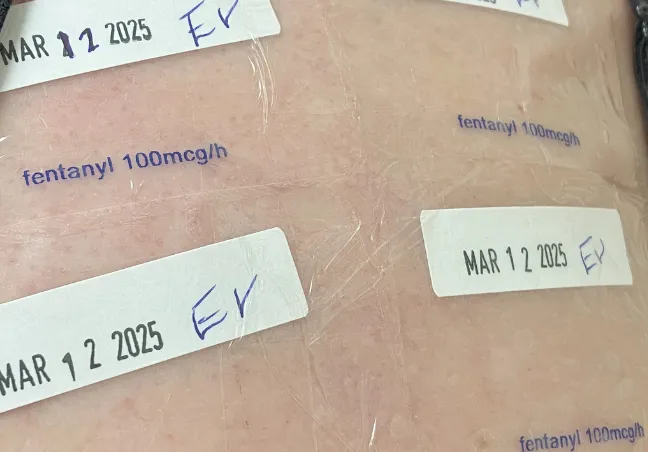

Understanding the Fentanyl Patch: A Comprehensive Clinical Overview
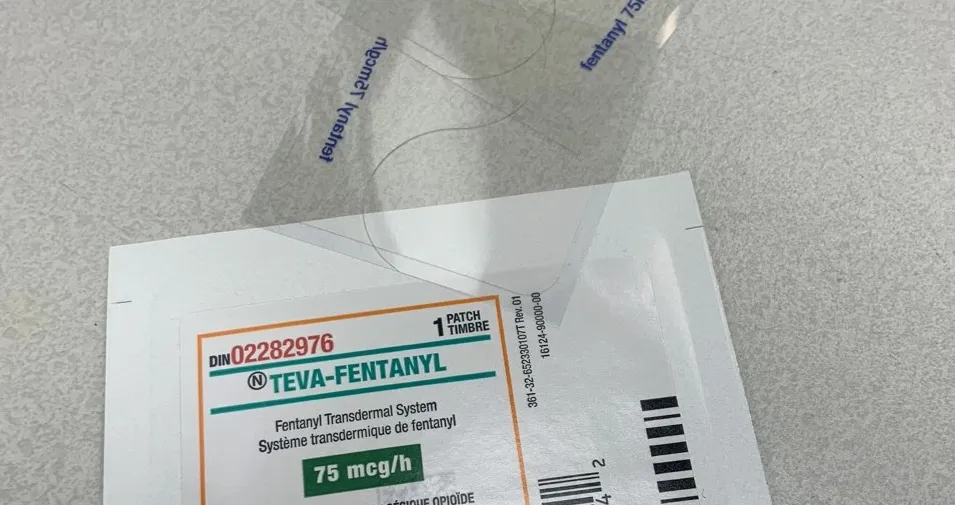
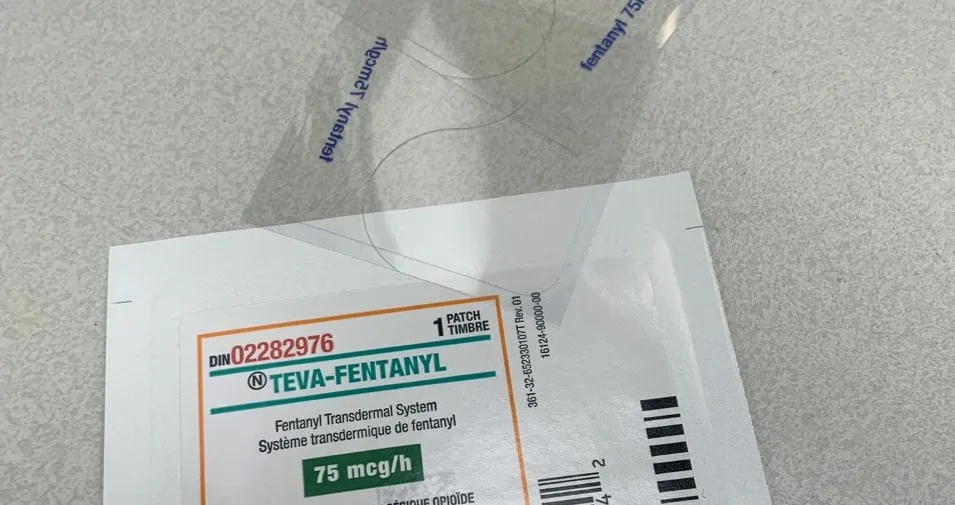
The Fentanyl transdermal system, commonly known as the Fentanyl patch, represents a potent pharmacological intervention in the management of chronic pain. As a synthetic opioid agonist, it is reserved for patients who require around-the-clock opioid analgesia for pain severe enough to require an opioid when alternative treatment options (such as non-opioid analgesics or immediate-release opioids) are inadequate. Due to its high potency, this medication requires strict adherence to clinical guidelines to ensure patient safety and therapeutic efficacy.
Mechanism of Action and Pharmacokinetics
Fentanyl is a highly lipophilic phenylpiperidine derivative. Its primary mechanism of action involves binding to mu-opioid receptors in the central nervous system (CNS).
Pharmacodynamics
- Receptor Affinity: Fentanyl acts as a potent agonist at the mu-opioid receptor, which is responsible for analgesia, sedation, and euphoria.
- Analgesic Effect: By binding to these receptors, fentanyl inhibits the ascending pain pathways, alters the perception of and response to pain, and produces generalized CNS depression.
Pharmacokinetics
The Fentanyl patch is designed for transdermal delivery, providing a steady-state concentration of the drug into the systemic circulation.
| Feature | Description |
|---|---|
| Onset | 12 to 24 hours to reach initial therapeutic levels. |
| Steady State | Typically achieved after the second or third application. |
| Metabolism | Primarily hepatic (CYP3A4 isoenzyme). |
| Elimination | Primarily renal (excreted as inactive metabolites). |
| Half-life | 17 to 22 hours after patch removal. |
Detailed Clinical Indications and Usage
The Fentanyl patch is strictly indicated for opioid-tolerant patients suffering from chronic pain. It is not intended for acute, postoperative, or intermittent pain management.
Establishing Opioid Tolerance
Patients are generally considered opioid-tolerant if they have been taking at least:
* 60 mg of oral morphine daily.
* 30 mg of oral oxycodone daily.
* 8 mg of oral hydromorphone daily.
* An equianalgesic dose of another opioid for a week or longer.
Dosage Guidelines
Dosage must be individualized based on the patient's prior opioid exposure. The patch is usually replaced every 72 hours.
- Initial Dose: Calculated based on the patient's current 24-hour opioid requirement using standard conversion tables.
- Titration: If pain control is inadequate, the dose should not be increased until the patch has been in place for at least 3 days.
- Application: Apply to clean, dry, non-irritated skin on the upper torso. Rotate sites to prevent local skin irritation.
Risks, Side Effects, and Contraindications
Due to the extreme potency of fentanyl (approximately 50 to 100 times more potent than morphine), the risks associated with its use are significant.
Common Side Effects
- Nausea and vomiting
- Constipation (frequent and often persistent)
- Drowsiness and sedation
- Dizziness and confusion
- Diaphoresis (excessive sweating)
Serious Risks
- Respiratory Depression: The most dangerous side effect; can be fatal if the dose is too high or if the patient is opioid-naive.
- Serotonin Syndrome: Risk increases when used with other serotonergic medications.
- Addiction, Abuse, and Misuse: High potential for dependency.
Contraindications
- Acute or postoperative pain.
- Intermittent pain management.
- Patients who are not opioid-tolerant.
- Known hypersensitivity to fentanyl or the adhesive material.
- Severe bronchial asthma or upper airway obstruction.
Drug Interactions and Safety Warnings
Fentanyl is a substrate of the CYP3A4 enzyme. Consequently, co-administration with inhibitors or inducers of this enzyme can significantly alter plasma concentrations.
- CYP3A4 Inhibitors: (e.g., ritonavir, ketoconazole, clarithromycin) can lead to increased fentanyl levels and potential fatal respiratory depression.
- CNS Depressants: Concomitant use of alcohol, benzodiazepines, or other opioids increases the risk of sedation and respiratory failure.
- Pregnancy and Lactation: Fentanyl crosses the placenta. Chronic use during pregnancy may lead to neonatal opioid withdrawal syndrome (NOWS). It is excreted in breast milk and should be used with extreme caution in nursing mothers.
Overdose Management
Fentanyl overdose is a medical emergency. Symptoms include pinpoint pupils, extreme somnolence progressing to stupor or coma, skeletal muscle flaccidity, and cold/clammy skin.
- Immediate Action: Remove the patch immediately.
- Airway Management: Ensure a patent airway and provide assisted ventilation if necessary.
- Pharmacological Reversal: Administer Naloxone (an opioid antagonist). Note that because fentanyl has a long half-life, multiple doses or a continuous infusion of naloxone may be required.
Frequently Asked Questions (FAQ)
1. Can I cut the Fentanyl patch to adjust the dose?
No. Cutting the patch destroys the delivery mechanism and can lead to a sudden, fatal release of the entire dose of medication.
2. What should I do if the patch falls off?
If the patch falls off, it should be replaced immediately with a new patch on a different skin site. Contact your healthcare provider if you experience withdrawal symptoms.
3. Is it safe to use a heating pad over the patch?
No. Heat increases the absorption of fentanyl through the skin, which can lead to a dangerous overdose. Avoid saunas, hot tubs, and direct sunlight on the patch site.
4. How do I dispose of a used patch?
Used patches still contain significant amounts of medication. Fold the sticky sides together and flush them down the toilet immediately to prevent accidental exposure to children or pets.
5. Can I exercise while wearing the patch?
Moderate activity is generally fine, but avoid activities that cause excessive sweating or heat, as these can increase drug absorption.
6. Why am I still in pain after applying the patch?
It takes 12–24 hours for the medication to reach therapeutic levels. You may need "rescue medication" (short-acting opioids) during the first day of treatment.
7. What are the signs of opioid withdrawal?
Withdrawal symptoms include restlessness, anxiety, muscle aches, insomnia, diarrhea, and vomiting. Do not stop the patch abruptly; consult your doctor for a tapering schedule.
8. Can I take other pain medications with the patch?
Only as directed by your physician. Some medications may interact with fentanyl and increase the risk of side effects.
9. Does the patch cause constipation?
Yes, constipation is a very common side effect. Most patients require a bowel regimen (stool softeners or laxatives) while using the patch.
10. How long can I stay on the Fentanyl patch?
The duration depends on the underlying condition. It should be used for the shortest duration necessary, and your pain management plan should be re-evaluated regularly by your doctor.
Conclusion
The Fentanyl patch is a powerful tool for chronic pain management, but it carries substantial risks that necessitate a cautious, clinical approach. Patients must be educated on proper application, the dangers of heat exposure, and the importance of safe disposal. Always maintain open communication with your healthcare provider to ensure that the benefits of therapy continue to outweigh the potential risks.
Disclaimer: This guide is for informational purposes only and does not constitute medical advice, diagnosis, or treatment. Always seek the advice of your physician or other qualified health provider with any questions you may have regarding a medical condition or medication.