

Comprehensive Guide to Ferrous Fumarate: Pharmacology and Clinical Application
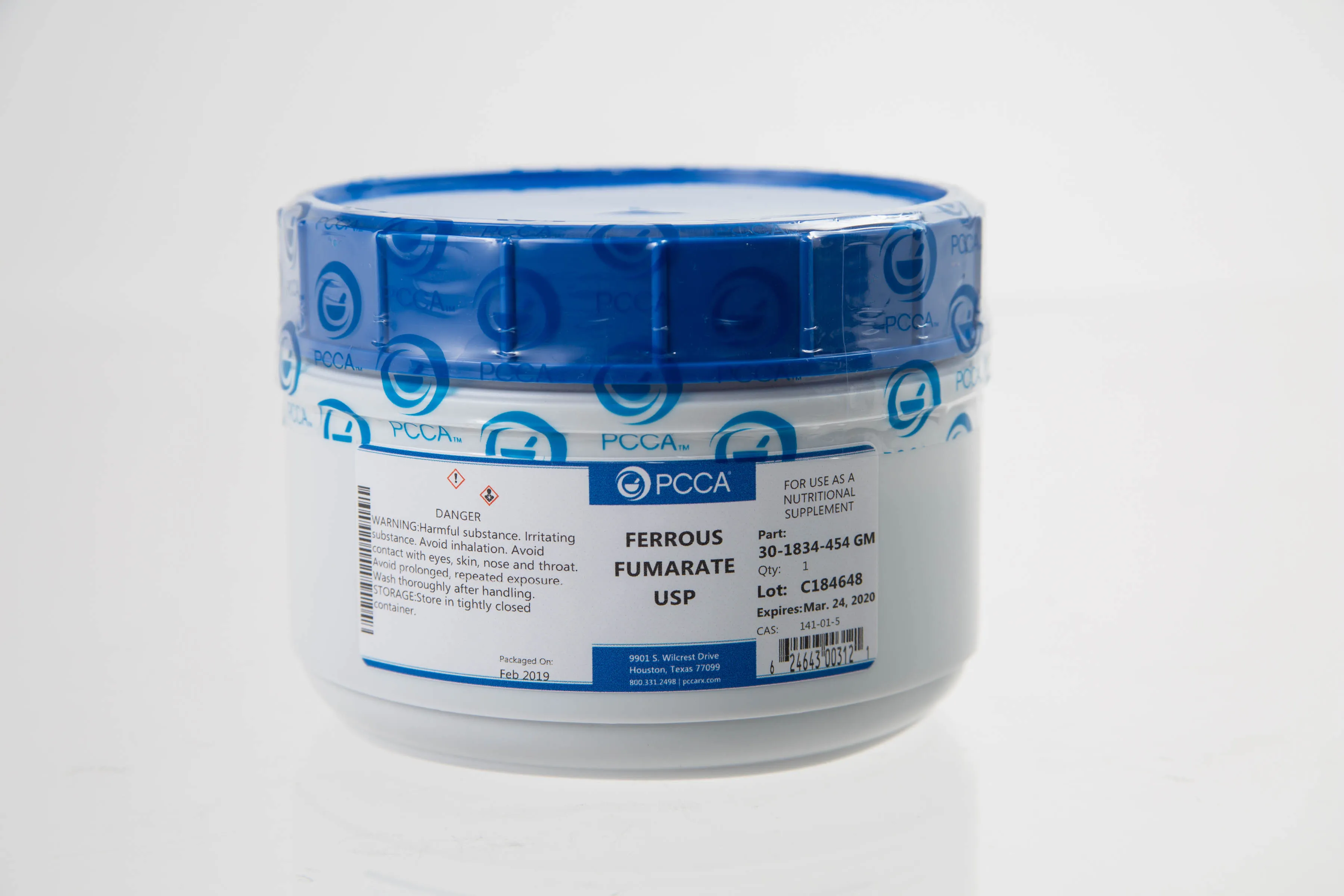
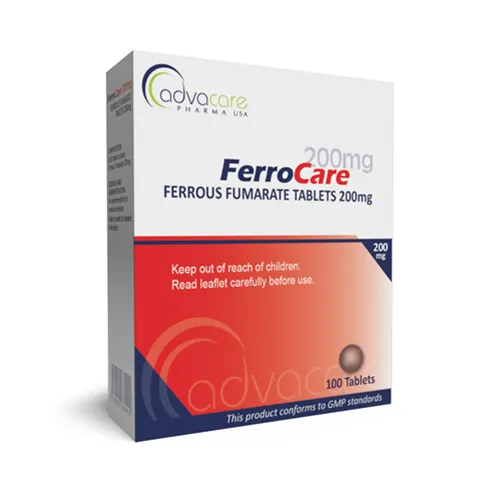
Ferrous Fumarate is a critical therapeutic agent in the management of iron-deficiency anemia (IDA). As an oral iron supplement, it is widely utilized in clinical practice due to its high elemental iron content and relative bioavailability. This guide provides an in-depth examination of its pharmacological profile, clinical utility, and safety considerations for healthcare providers and patients.
1. Introduction & Overview
Ferrous Fumarate is an iron salt of fumaric acid. In the realm of hematology, it is classified as a hematinic agent. Iron is an essential mineral required for the synthesis of hemoglobin, myoglobin, and various enzymes involved in oxidative metabolism and electron transport. When dietary intake is insufficient or physiological demand increases—such as during pregnancy or chronic blood loss—supplementation becomes necessary to prevent or treat iron-deficiency anemia.
Ferrous Fumarate is preferred in many clinical settings because it contains approximately 33% elemental iron by weight, which is significantly higher than other common supplements like ferrous sulfate (20%) or ferrous gluconate (12%).
2. Mechanism of Action and Pharmacokinetics
Mechanism of Action
The primary function of Ferrous Fumarate is to replace depleted iron stores in the body. Once ingested, the iron is absorbed primarily in the duodenum and proximal jejunum.
- Absorption: Iron is absorbed via the divalent metal transporter 1 (DMT1) on the apical membrane of enterocytes.
- Transport: Upon entering the bloodstream, iron binds to transferrin, a plasma glycoprotein that transports iron to the bone marrow for erythropoiesis.
- Storage: Surplus iron is stored in the liver, spleen, and bone marrow in the form of ferritin or hemosiderin.
Pharmacokinetics
- Absorption: Bioavailability is influenced by the acidity of the stomach and the presence of dietary inhibitors or enhancers (e.g., Vitamin C).
- Distribution: Iron is transported throughout the body bound to transferrin; it is utilized by cells for oxygen transport and cellular respiration.
- Elimination: There is no physiological mechanism for the active excretion of iron. Iron is lost through the shedding of mucosal cells, menstruation, and blood loss.
3. Clinical Indications and Usage
Ferrous Fumarate is indicated for the prevention and treatment of iron-deficiency anemia.
| Indication | Clinical Context |
|---|---|
| Iron-Deficiency Anemia | Treatment of symptomatic anemia confirmed by low ferritin/serum iron. |
| Prophylaxis | Prevention of anemia in high-risk groups (e.g., pregnant women). |
| Chronic Blood Loss | Management of iron loss due to GI pathology, menorrhagia, or surgery. |
| Malabsorption | Support for patients with celiac disease or post-gastrectomy. |
Dosage Guidelines
Dosage must be individualized based on the patient's hemoglobin levels and underlying pathology.
- Adults: Typical therapeutic dose ranges from 200 mg to 400 mg daily, divided into 1–3 doses.
- Pediatrics: Dosage is strictly weight-based (e.g., 3–6 mg/kg/day of elemental iron).
- Administration Tip: Taking iron with a glass of orange juice (Vitamin C) enhances absorption, while taking it with milk, tea, or coffee may inhibit it.
4. Risks, Side Effects, and Contraindications
Common Side Effects
Most patients experience gastrointestinal discomfort, which is dose-dependent.
* Nausea and epigastric pain
* Constipation or diarrhea
* Dark/black stools (a harmless but common side effect)
Contraindications
Ferrous Fumarate should not be used in patients with:
* Hemochromatosis: Iron overload conditions.
* Hemosiderosis: Excessive iron storage.
* Hemolytic Anemia: Unless iron deficiency is also present.
* Peptic Ulcers: May exacerbate mucosal irritation.
Drug Interactions
| Interacting Agent | Effect |
|---|---|
| Antacids/PPIs | Reduced iron absorption due to increased gastric pH. |
| Tetracyclines/Quinolones | Decreased absorption of both the antibiotic and the iron. |
| Levodopa/Methyldopa | Iron can reduce the bioavailability of these medications. |
| Dimercaprol | Forms toxic complexes with iron. |
5. Pregnancy, Lactation, and Overdose Management
Pregnancy and Lactation
Iron supplementation is generally considered safe and is standard practice during pregnancy to support increased maternal blood volume and fetal development. However, it should only be taken under medical supervision. Iron is excreted in breast milk, but usually in amounts that do not cause adverse effects in the nursing infant.
Overdose Management
Iron toxicity is a medical emergency, particularly in children.
* Symptoms: Severe vomiting, hematemesis, abdominal pain, diarrhea, shock, and metabolic acidosis.
* Management:
1. Immediate gastric lavage if ingestion was recent.
2. Administration of Deferoxamine as a chelating agent to bind excess iron.
3. Supportive care, including IV fluids and electrolyte correction.
6. Frequently Asked Questions (FAQ)
1. Why are my stools black while taking Ferrous Fumarate?
This is a normal, benign side effect caused by the excretion of unabsorbed iron in the stool. It does not indicate internal bleeding.
2. Should I take iron with food?
While taking iron with food can reduce stomach upset, it significantly decreases absorption. It is best to take it on an empty stomach unless gastrointestinal side effects are intolerable.
3. How long does it take to see results?
Hemoglobin levels typically begin to rise after 2–4 weeks of treatment, but therapy is often continued for 3–6 months to replenish iron stores.
4. Can I take Ferrous Fumarate with my multivitamin?
Check your multivitamin label. If it contains calcium, it may interfere with iron absorption. It is best to space them out by at least 2 hours.
5. What is the difference between Ferrous Fumarate and Ferrous Sulfate?
Ferrous Fumarate contains a higher percentage of elemental iron, meaning a smaller physical dose may provide the same amount of iron as a larger dose of Ferrous Sulfate.
6. Is iron toxicity common?
Accidental overdose is a leading cause of pediatric poisoning. Always keep iron supplements in child-proof containers and out of reach of children.
7. Can I drink coffee with my iron supplement?
Coffee, tea, and dairy products contain tannins and calcium, which inhibit iron absorption. Avoid these for 2 hours before and after taking your dose.
8. Will this medication interact with my thyroid medication?
Yes, iron supplements can reduce the absorption of levothyroxine. Separate these doses by at least 4 hours.
9. What should I do if I miss a dose?
Take it as soon as you remember. If it is almost time for your next dose, skip the missed dose and resume your regular schedule. Do not double the dose.
10. Is an iron injection better than oral tablets?
Oral iron is the first-line treatment. Parenteral (IV) iron is reserved for patients who cannot tolerate oral iron, have severe malabsorption, or require rapid iron replacement.
Conclusion
Ferrous Fumarate remains a cornerstone in the treatment of iron-deficiency anemia. By understanding its pharmacokinetics, potential for drug interactions, and the necessity of proper dosing, patients and clinicians can maximize therapeutic outcomes while minimizing adverse gastrointestinal effects. Always consult with a healthcare professional before starting or altering a regimen of iron supplementation to ensure it is appropriate for your specific clinical profile.
Disclaimer: This guide is for educational purposes only and does not constitute medical advice. Always seek the counsel of your physician regarding health conditions or medication.