
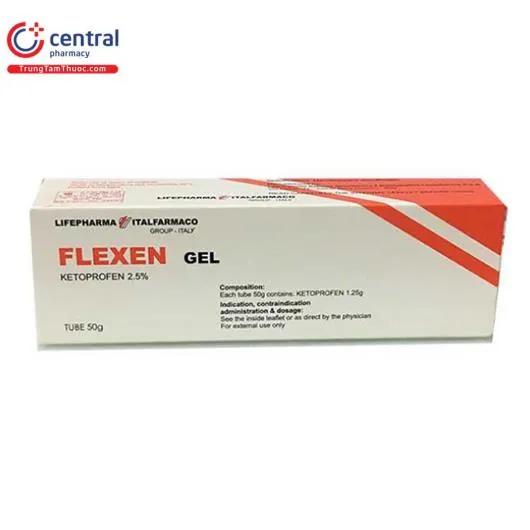
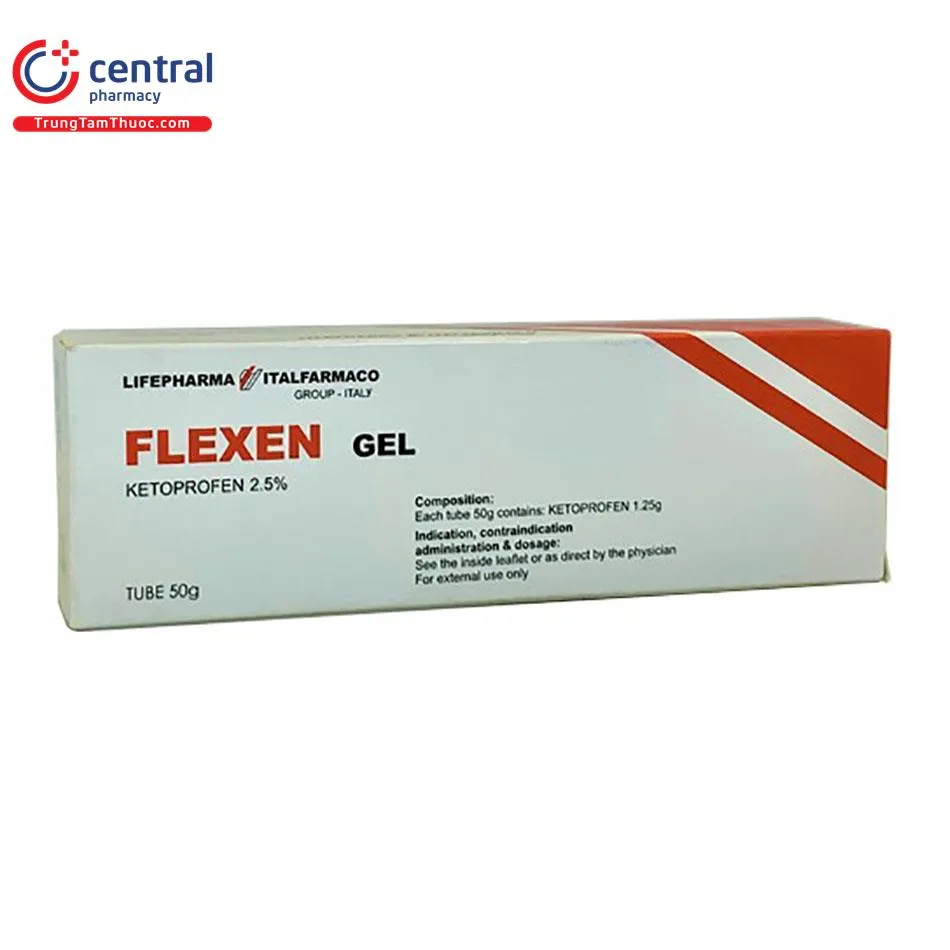


Understanding Flexen: A Comprehensive Clinical Overview
Flexen is a widely recognized pharmaceutical preparation containing Naproxen Sodium, a potent non-steroidal anti-inflammatory drug (NSAID). In the field of orthopedics and pain management, Flexen serves as a cornerstone treatment for musculoskeletal conditions characterized by inflammation, stiffness, and acute or chronic pain. As an NSAID, it functions primarily by inhibiting the cyclooxygenase (COX) enzymes, thereby reducing the production of prostaglandins—the chemical mediators responsible for pain signaling and inflammatory responses in the body.
This guide provides an exhaustive look into the pharmacological profile, clinical application, and safety considerations for Flexen.
Mechanism of Action: How Flexen Works
The efficacy of Flexen is rooted in its ability to modulate the body’s inflammatory cascade. Unlike opioid analgesics that act on the central nervous system, Flexen works at the site of tissue injury.
The COX Inhibition Pathway
Flexen acts as a non-selective inhibitor of cyclooxygenase-1 (COX-1) and cyclooxygenase-2 (COX-2) enzymes.
* COX-1 Inhibition: While associated with gastric side effects, this pathway is involved in baseline prostaglandin production that maintains gastric mucosal integrity and platelet aggregation.
* COX-2 Inhibition: This is the primary target for anti-inflammatory relief. COX-2 is induced during inflammation, leading to the synthesis of prostaglandins that cause vasodilation, edema, and pain sensitization.
By inhibiting these enzymes, Flexen effectively reduces the synthesis of pro-inflammatory prostaglandins, leading to a decrease in pain sensitivity and the reduction of localized inflammatory swelling.
Pharmacokinetics and Metabolism
Understanding how Flexen moves through the human body is essential for optimizing therapeutic outcomes.
| Feature | Description |
|---|---|
| Absorption | Rapidly and completely absorbed after oral administration. |
| Peak Plasma Concentration | Typically reached within 1 to 2 hours. |
| Protein Binding | Highly bound to plasma albumin (>99%). |
| Metabolism | Metabolized primarily in the liver via demethylation. |
| Excretion | Primarily excreted through the kidneys (approx. 95%). |
| Half-Life | Approximately 12–17 hours, allowing for twice-daily dosing. |
Extensive Clinical Indications
Flexen is indicated for a variety of conditions where inflammation and pain management are required. Its long half-life makes it particularly useful for conditions requiring sustained relief.
Primary Orthopedic and Rheumatic Indications
- Rheumatoid Arthritis: Management of chronic joint inflammation and systemic stiffness.
- Osteoarthritis: Reduction of pain and improvement in joint mobility in degenerative joint disease.
- Ankylosing Spondylitis: Managing spinal inflammation and stiffness.
- Acute Gout: Rapid reduction of inflammation in acute flare-ups.
- Soft Tissue Injuries: Treatment of bursitis, tendonitis, and acute musculoskeletal sprains or strains.
Other Indications
- Primary Dysmenorrhea: Relief of uterine cramping.
- Post-Operative Analgesia: Management of mild to moderate pain following orthopedic surgical interventions.
Dosage Guidelines
Dosage must be individualized based on the patient's severity of symptoms, history of gastrointestinal tolerance, and renal function.
- General Adult Dose: 250 mg to 500 mg twice daily.
- Maximum Daily Dose: Should not exceed 1,000 mg to 1,250 mg in most clinical settings, depending on the specific formulation and medical supervision.
- Geriatric Considerations: Use the lowest effective dose for the shortest duration, as older patients have a higher risk of gastrointestinal bleeding and renal impairment.
Risks, Side Effects, and Contraindications
While highly effective, Flexen carries the standard risks associated with the NSAID class.
Common Side Effects
- Gastrointestinal: Dyspepsia, nausea, abdominal pain, and heartburn.
- Central Nervous System: Mild headaches, dizziness, or drowsiness.
- Dermatological: Rashes or pruritus.
Serious Risks (Black Box Warnings)
- Cardiovascular Risk: Increased risk of serious cardiovascular thrombotic events, including myocardial infarction and stroke.
- Gastrointestinal Risk: Increased risk of serious gastrointestinal adverse events, including bleeding, ulceration, and perforation of the stomach or intestines.
Contraindications
Flexen should not be used in the following scenarios:
* Patients with a known hypersensitivity to Naproxen or other NSAIDs.
* Patients who have experienced asthma, urticaria, or allergic-type reactions after taking aspirin or other NSAIDs.
* Setting of coronary artery bypass graft (CABG) surgery.
* Active gastrointestinal bleeding or peptic ulcer disease.
Pregnancy and Lactation Warnings
- Pregnancy: Use of NSAIDs, including Flexen, should be avoided, especially in the third trimester. It may cause premature closure of the ductus arteriosus in the fetus and renal impairment in the newborn.
- Lactation: Naproxen is excreted in breast milk in low concentrations. While generally considered safer than other NSAIDs, it should be used with caution, and the infant should be monitored for adverse effects.
Drug Interactions
Flexen can interact with a variety of medications, altering their efficacy or increasing toxicity:
* Anticoagulants (e.g., Warfarin): Increased risk of bleeding due to platelet inhibition and gastric mucosal injury.
* ACE Inhibitors/Diuretics: Reduced antihypertensive effect and increased risk of renal impairment.
* Lithium: May increase lithium plasma levels, leading to toxicity.
* Methotrexate: May increase the risk of methotrexate toxicity by reducing renal clearance.
Overdose Management
Symptoms of overdose include lethargy, drowsiness, nausea, vomiting, and epigastric pain. In severe cases, gastrointestinal bleeding, hypertension, acute renal failure, and respiratory depression may occur.
Management Protocol:
1. Supportive Care: Monitor vital signs and maintain airway.
2. Gastric Decontamination: Activated charcoal if the patient presents within 1-2 hours of ingestion.
3. Symptomatic Treatment: Use of proton pump inhibitors (PPIs) for gastric protection and monitoring of renal function markers.
Frequently Asked Questions (FAQ)
1. How long does it take for Flexen to start working?
Flexen typically begins to provide pain relief within 30 to 60 minutes after oral administration, with peak efficacy reached in 1–2 hours.
2. Can I take Flexen on an empty stomach?
It is strongly recommended to take Flexen with food or milk to minimize the risk of gastrointestinal irritation.
3. Is Flexen a steroid?
No, Flexen is a Non-Steroidal Anti-Inflammatory Drug (NSAID). It does not contain corticosteroids.
4. Can I combine Flexen with Tylenol (Acetaminophen)?
Yes, they have different mechanisms of action, but you should consult your healthcare provider to ensure the combination is safe for your specific liver and kidney profile.
5. Does Flexen cause weight gain?
Flexen may cause fluid retention in some patients, which can lead to a slight increase in weight. If you notice significant swelling (edema), consult your doctor.
6. Is it safe for patients with high blood pressure?
NSAIDs like Flexen can elevate blood pressure and interfere with antihypertensive medications. Regular monitoring is required.
7. What should I do if I miss a dose?
Take the missed dose as soon as you remember. If it is almost time for your next dose, skip the missed one. Do not double the dose.
8. Can children take Flexen?
Dosage in children should only be determined by a pediatrician, as it is generally not indicated for children under 12 years of age for many conditions.
9. Does Flexen interact with alcohol?
Alcohol consumption increases the risk of gastrointestinal bleeding while taking NSAIDs. It is best to avoid alcohol during treatment.
10. Can I take Flexen long-term?
Long-term use requires medical supervision, regular blood tests (to check kidney and liver function), and potential use of a gastroprotective agent (like a PPI) to prevent ulcers.
Disclaimer: This guide is for educational purposes only and does not constitute medical advice. Always seek the counsel of a physician or qualified healthcare provider regarding any medical condition or the use of medications.