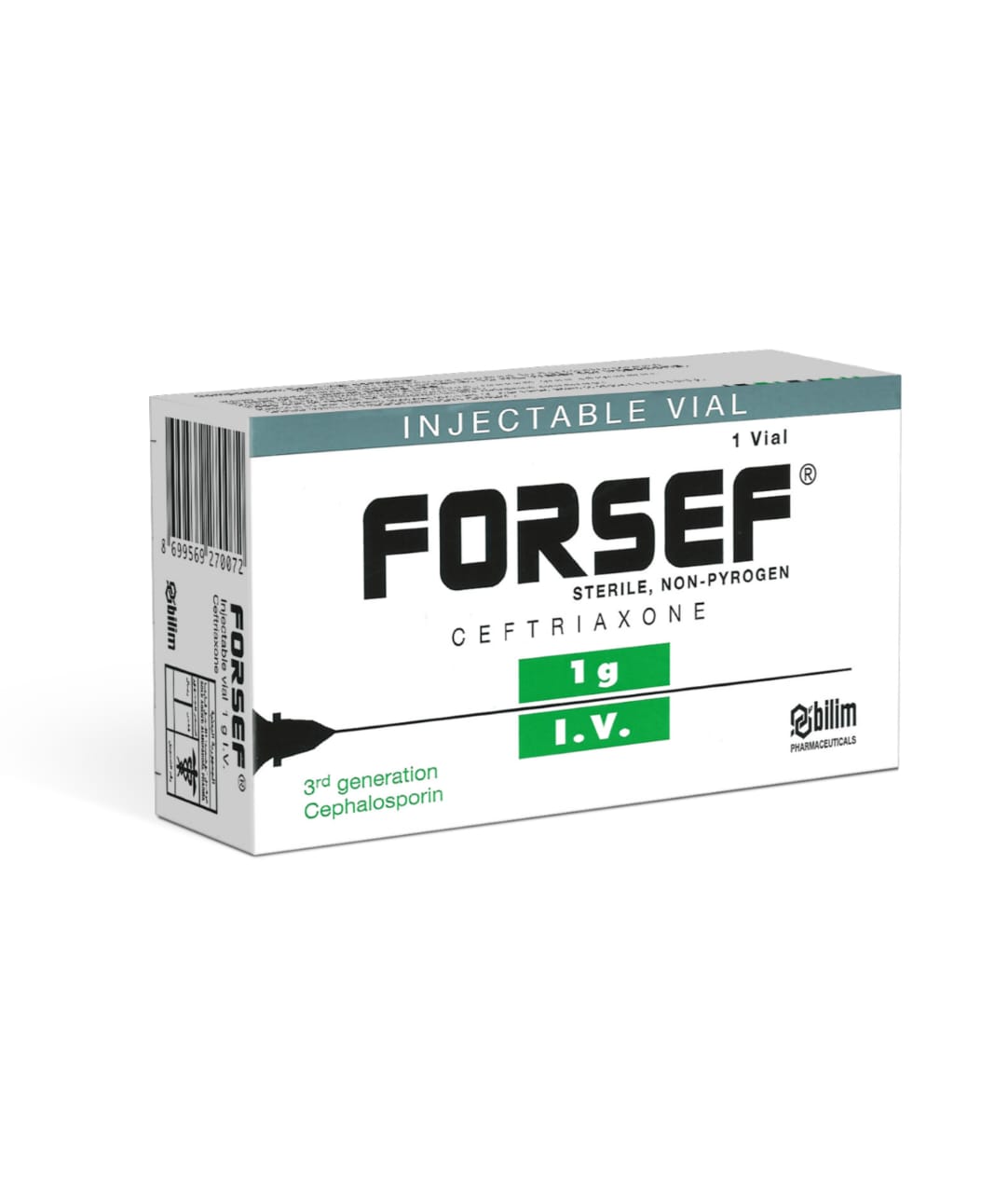
Comprehensive Guide to FORSEF 1g I.V (Ceftriaxone Sodium)
FORSEF 1g I.V is a potent, third-generation cephalosporin antibiotic widely utilized in clinical practice for its broad-spectrum efficacy against both Gram-positive and Gram-negative bacteria. As an orthopedic specialist, I frequently encounter the use of FORSEF in perioperative prophylaxis and the management of deep-seated bone and joint infections. This guide serves as an authoritative resource for healthcare professionals and clinical students regarding the pharmacological profile and therapeutic application of this essential medication.
1. Introduction and Clinical Overview
FORSEF 1g I.V contains Ceftriaxone, a beta-lactam antibiotic characterized by its long half-life and high protein binding. Unlike earlier generations of cephalosporins, Ceftriaxone exhibits remarkable stability against beta-lactamase-producing organisms. Its ability to achieve high concentrations in body fluids, including synovial fluid, cerebrospinal fluid, and bile, makes it a cornerstone in hospital-based antimicrobial therapy.
In the orthopedic setting, FORSEF is specifically valued for its activity against common pathogens such as Staphylococcus aureus (methicillin-susceptible) and various Enterobacteriaceae, which are frequently implicated in surgical site infections (SSIs) and osteomyelitis.
2. Mechanism of Action and Pharmacokinetics
Mechanism of Action
FORSEF functions by inhibiting bacterial cell wall synthesis. It binds to specific penicillin-binding proteins (PBPs) located inside the bacterial cell wall. This binding prevents the final transpeptidation step of peptidoglycan synthesis, which is essential for bacterial cell wall integrity. Consequently, the bacteria undergo cell lysis and death.
Pharmacokinetics Profile
The clinical utility of FORSEF is defined by its unique pharmacokinetic properties:
| Parameter | Description |
|---|---|
| Half-life | Approximately 8 hours (variable in neonates/elderly) |
| Protein Binding | Highly bound (85-95%) in a concentration-dependent manner |
| Metabolism | Minimal; mostly excreted unchanged |
| Excretion | Dual pathway: 33-67% renal, remainder via bile/feces |
Because of its long half-life, FORSEF can be administered once daily, which significantly improves patient compliance and reduces nursing workload in inpatient settings.
3. Extensive Clinical Indications
FORSEF 1g I.V is indicated for the treatment of severe infections caused by susceptible organisms. Its broad spectrum makes it a go-to choice for empiric therapy.
- Orthopedic Infections: Used in the treatment of septic arthritis, osteomyelitis, and as a prophylactic agent for major orthopedic surgeries (e.g., total joint arthroplasty).
- Lower Respiratory Tract Infections: Effective against Streptococcus pneumoniae and Haemophilus influenzae.
- Skin and Soft Tissue Infections: Management of complicated cellulitis and wound infections.
- Urinary Tract Infections: Indicated for complicated pyelonephritis.
- Septicemia/Bacteremia: Empiric treatment for suspected Gram-negative sepsis.
- Meningitis: Excellent penetration into the CNS, making it the drug of choice for bacterial meningitis (except Listeria).
- Surgical Prophylaxis: Administered 30-60 minutes prior to incision to prevent post-operative infections.
4. Dosage Guidelines
Dosage must be adjusted based on the severity of the infection and the patient's renal/hepatic function.
Standard Adult Dosage
- General Infections: 1g to 2g once daily.
- Severe/Life-Threatening Infections: Up to 4g once daily.
- Surgical Prophylaxis: A single 1g to 2g dose administered intravenously 30–60 minutes before the procedure.
Pediatric Dosage
- Standard Infections: 50–75 mg/kg once daily.
- Meningitis: 100 mg/kg (not to exceed 4g) once daily.
Note: In cases of combined severe renal and hepatic impairment, serum levels of Ceftriaxone should be monitored, and dosage adjustments may be required.
5. Contraindications and Risks
Contraindications
- Hypersensitivity: Known allergy to Ceftriaxone or any other cephalosporin.
- Neonates: Should not be used in neonates (≤ 28 days) if they require (or are expected to require) treatment with calcium-containing intravenous solutions, including total parenteral nutrition, due to the risk of ceftriaxone-calcium salt precipitation.
Major Risks and Precautions
- Biliary Sludging: Prolonged use can lead to the formation of ceftriaxone-calcium precipitates in the gallbladder, which may mimic gallstones.
- Clostridioides difficile-associated diarrhea (CDAD): Like most antibiotics, FORSEF can alter the normal flora of the colon, leading to overgrowth of C. difficile.
- Superinfection: Prolonged use may result in the overgrowth of non-susceptible organisms, such as Enterococcus or Candida species.
6. Drug Interactions
FORSEF 1g I.V interacts with several classes of medications:
- Calcium-containing solutions: Fatal precipitation can occur in the lungs and kidneys of neonates.
- Aminoglycosides: While synergistic, they must not be mixed in the same IV line as they will inactivate each other.
- Oral Contraceptives: May reduce the efficacy of hormonal contraceptives; backup barrier methods are recommended during therapy.
- Anticoagulants: May enhance the effect of Vitamin K antagonists (e.g., Warfarin); monitoring of INR is advised.
7. Pregnancy and Lactation
- Pregnancy: Ceftriaxone crosses the placenta. It is classified as Pregnancy Category B. It should only be used during pregnancy if clearly needed.
- Lactation: Low concentrations of Ceftriaxone are excreted in human milk. Caution should be exercised when administering to nursing mothers.
8. Management of Overdose
Overdose of Ceftriaxone is rare due to its wide therapeutic index. Clinical manifestations may include nausea, vomiting, and diarrhea. In cases of massive overdose, hemodialysis or peritoneal dialysis will not remove the drug effectively from the systemic circulation. Treatment is primarily symptomatic and supportive, focusing on maintaining vital functions and monitoring for neurological hypersensitivity (e.g., seizures).
9. Frequently Asked Questions (FAQ)
1. Is FORSEF 1g I.V effective against MRSA?
No. FORSEF (Ceftriaxone) is not effective against Methicillin-resistant Staphylococcus aureus (MRSA).
2. Can I mix FORSEF with Ringer’s Lactate?
No. FORSEF should not be mixed with calcium-containing solutions (like Ringer’s Lactate or Hartmann’s solution) due to the risk of precipitation.
3. How long should I continue the treatment?
The duration depends on the infection site and severity. Typically, orthopedic infections require 4–6 weeks of therapy, while simple infections may only require 3–7 days.
4. Does FORSEF cause kidney damage?
Ceftriaxone is generally well-tolerated by the kidneys, but it can occasionally cause crystalluria if the patient is dehydrated. Ensure adequate hydration.
5. Why is it given only once a day?
Due to its long biological half-life of approximately 8 hours and high protein binding, it maintains therapeutic levels in the blood for 24 hours.
6. Can I take FORSEF if I have a Penicillin allergy?
Patients with a history of severe anaphylactic reactions to penicillin should avoid cephalosporins. However, patients with mild non-anaphylactic rashes may sometimes be considered for cephalosporin therapy under strict medical supervision.
7. What should I do if I miss a dose?
Administer the dose as soon as you remember. If it is almost time for the next dose, skip the missed dose. Do not double the dose.
8. Does it affect blood tests?
Yes, it can cause a false-positive result in the Coombs' test and can interfere with certain glucose monitoring tests.
9. Is it safe for children?
Yes, it is widely used in pediatrics, provided the contraindication regarding calcium-containing IV solutions in neonates is strictly followed.
10. Does FORSEF cause "sludge" in the gallbladder?
Yes, this is a known side effect called biliary pseudolithiasis. It is usually reversible upon discontinuation of the medication.
10. Conclusion
FORSEF 1g I.V is a robust and reliable antibiotic that remains a staple in modern medicine. Its pharmacokinetic advantage, combined with a broad spectrum of activity, makes it indispensable for managing serious bacterial infections. However, clinicians must remain vigilant regarding its potential for biliary precipitation and the necessity of avoiding calcium-containing diluents. Always consult institutional antibiotic stewardship guidelines before prescribing to ensure optimal patient outcomes and to minimize the development of antibiotic resistance.
Disclaimer: This guide is intended for educational purposes for healthcare professionals. Always consult the official package insert and your local hospital pharmacy protocols before administration.