

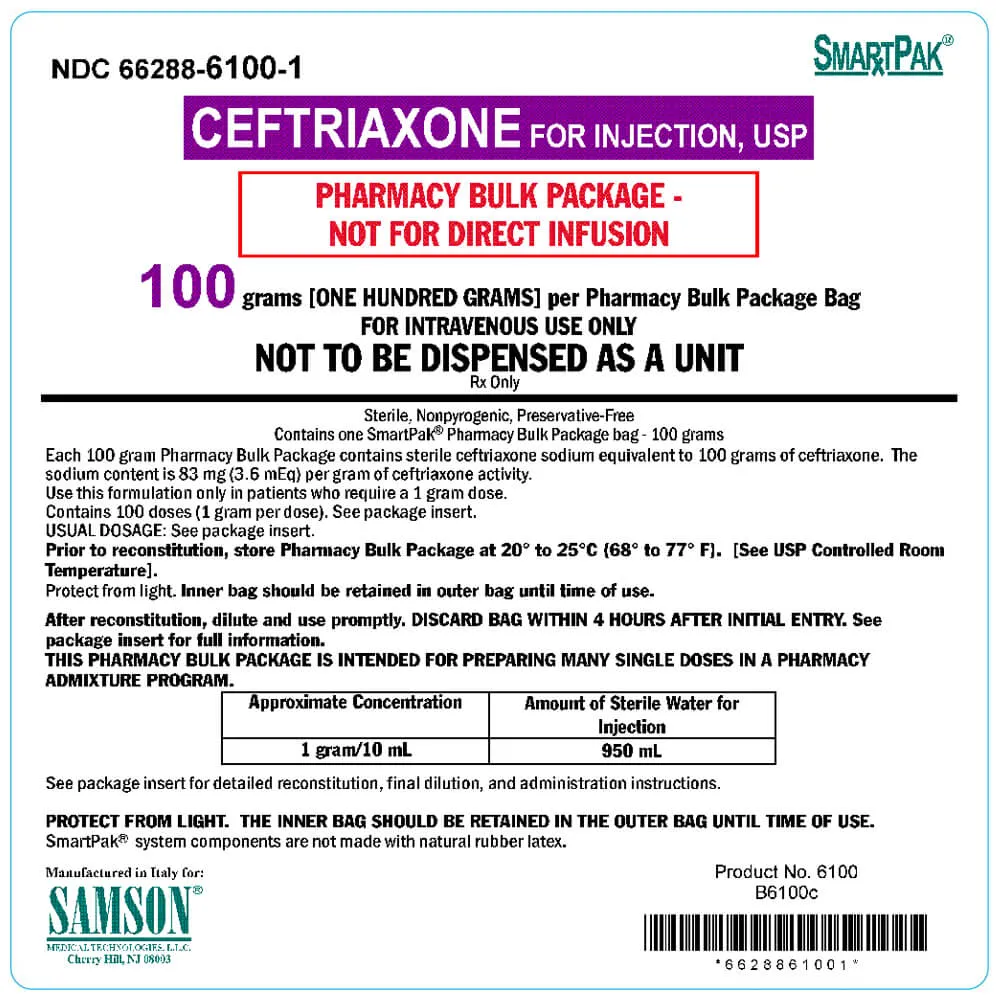

Introduction to Forsef (Ceftriaxone)
Forsef, the brand name for the generic antibiotic Ceftriaxone, represents a cornerstone in modern antimicrobial therapy. As a third-generation cephalosporin, it possesses a broad spectrum of activity against both Gram-positive and Gram-negative bacteria. In the orthopedic and surgical fields, it is frequently utilized for its potent bactericidal activity and favorable pharmacokinetic profile, which allows for once-daily dosing.
This guide serves as an authoritative resource for healthcare professionals, detailing the pharmacological nuances, clinical applications, and safety parameters surrounding the use of Forsef.
Mechanism of Action: The Science of Bacterial Inhibition
Ceftriaxone functions by inhibiting bacterial cell wall synthesis. Like other beta-lactam antibiotics, it targets penicillin-binding proteins (PBPs) located inside the bacterial cell wall.
The Biochemical Process
- Binding: Ceftriaxone binds to specific PBPs, which are enzymes responsible for the final stages of peptidoglycan synthesis.
- Inhibition: By binding to these enzymes, the drug prevents the cross-linking of peptidoglycan chains.
- Lysis: The resulting structural weakness in the cell wall leads to cell lysis and death, effectively neutralizing the infection.
Ceftriaxone is uniquely stable against many beta-lactamases, which are enzymes produced by bacteria to resist antibiotic treatment, making it highly effective against resistant strains that earlier cephalosporins might fail to treat.
Pharmacokinetics and Clinical Profile
Understanding how Forsef behaves within the human body is essential for optimizing therapeutic outcomes.
| Feature | Description |
|---|---|
| Route | Intramuscular (IM) or Intravenous (IV) |
| Half-life | Approximately 5.8 to 8.7 hours |
| Protein Binding | Highly bound to albumin (85-95%) |
| Metabolism | Not metabolized systemically; excreted in urine and bile |
| Distribution | Excellent penetration into CSF, pleural fluid, and synovial fluid |
Because of its long half-life, Forsef maintains therapeutic concentrations in the blood for 24 hours, facilitating a convenient once-daily administration schedule.
Clinical Indications and Usage
Forsef is indicated for a wide variety of bacterial infections. Its high tissue penetration makes it particularly valuable in orthopedic and systemic infection management.
Common Clinical Indications
- Lower Respiratory Tract Infections: Effective against Streptococcus pneumoniae and Haemophilus influenzae.
- Skin and Skin Structure Infections: Useful for complicated soft tissue infections.
- Bone and Joint Infections: Frequently used in prophylactic and therapeutic settings for osteomyelitis and septic arthritis.
- Urinary Tract Infections (UTIs): Indicated for complicated infections.
- Meningitis: Due to its excellent penetration of the blood-brain barrier.
- Gonorrhea: Recommended as a first-line treatment for uncomplicated gonococcal infections.
- Surgical Prophylaxis: Used prior to orthopedic surgeries to prevent post-operative site infections.
Dosage Guidelines
Dosage must be adjusted based on the severity of the infection, the patient's renal/hepatic function, and the susceptibility of the causative organism.
Standard Adult Dosage
- General Infections: 1 to 2 grams administered once daily.
- Severe Infections: Up to 4 grams daily may be administered in divided doses.
- Surgical Prophylaxis: A single 1-gram dose administered 30 minutes to 2 hours before the surgical procedure.
Pediatric Dosage
- General: 50–75 mg/kg administered once daily.
- Meningitis: 100 mg/kg (not to exceed 4g) once daily.
Note: Always consult hospital protocols and current infectious disease guidelines, as resistance patterns change.
Contraindications and Drug Interactions
Contraindications
- Hypersensitivity: Known allergy to ceftriaxone or any other cephalosporin.
- Neonates: Should not be used in neonates (≤28 days) if they require (or are expected to require) treatment with calcium-containing IV solutions, due to the risk of ceftriaxone-calcium salt precipitation.
Major Drug Interactions
- Calcium-containing products: Mixing with Ringer’s solution or Hartmann’s solution can lead to precipitation.
- Aminoglycosides: While often used together, they must be administered separately to avoid chemical inactivation.
- Oral Contraceptives: Antibiotics may decrease the efficacy of hormonal birth control.
Risks, Side Effects, and Safety Warnings
While generally well-tolerated, Forsef is associated with specific risks that clinicians must monitor.
Common Side Effects
- Gastrointestinal: Diarrhea, nausea, and abdominal pain.
- Injection Site Reactions: Pain, tenderness, or phlebitis at the IV site.
- Hematologic: Eosinophilia, thrombocytosis, and leukopenia.
Serious Risks
- Clostridioides difficile-associated diarrhea (CDAD): Can occur weeks after treatment.
- Biliary Sludging: Precipitation of ceftriaxone-calcium in the gallbladder, which may mimic gallstones.
- Anaphylaxis: Severe allergic reactions require immediate discontinuation and emergency intervention.
Pregnancy and Lactation
- Pregnancy: Ceftriaxone crosses the placental barrier. It is categorized as Pregnancy Category B. It should be used during pregnancy only if clearly needed.
- Lactation: Small amounts are excreted in human milk. Caution is advised when administering to nursing mothers, though it is generally considered safe.
Overdose Management
There is no specific antidote for Forsef overdose. In cases of accidental overdose:
1. Discontinue: Stop the administration immediately.
2. Supportive Care: Monitor vital signs and provide symptomatic treatment.
3. Hemodialysis/Peritoneal Dialysis: These methods are not effective in removing Ceftriaxone from the bloodstream.
Massive FAQ Section
1. Can I take Forsef orally?
No. Forsef (Ceftriaxone) is not absorbed through the gastrointestinal tract and must be administered via intravenous infusion or intramuscular injection.
2. How long should treatment last?
The duration depends on the severity of the infection. Typically, treatment continues for at least 48 to 72 hours after the patient becomes asymptomatic.
3. Does Forsef interact with alcohol?
While not strictly contraindicated, alcohol can exacerbate side effects like nausea and dizziness. It is best to avoid alcohol during antibiotic treatment.
4. Why is it important not to mix Forsef with calcium?
Mixing Forsef with calcium-containing IV fluids can cause the formation of insoluble precipitates in the lungs and kidneys, which can be fatal, particularly in newborns.
5. Is Forsef effective against viruses?
No. Forsef is an antibiotic and is only effective against bacterial infections. It has no effect on viruses like the common cold or flu.
6. Can I stop taking Forsef if I feel better?
No. You must complete the full course of therapy prescribed by your physician to prevent the development of antibiotic-resistant bacteria.
7. What should I do if I miss a dose?
Administer the missed dose as soon as you remember. However, if it is almost time for your next dose, skip the missed one. Do not double the dose.
8. Does Forsef cause weight gain?
No, there is no evidence that Forsef causes weight gain. If you notice swelling, contact your doctor as it may be a sign of an allergic reaction or fluid retention.
9. Can Forsef be used for dental infections?
While it has activity against many oral pathogens, it is usually not the first-line choice for dental infections unless the patient is hospitalized or has a systemic infection.
10. How should Forsef be stored?
Vials should be stored at room temperature (below 25°C) and protected from light. Once reconstituted, the solution should be used promptly.
Conclusion
Forsef (Ceftriaxone) remains an indispensable tool in the medical arsenal. Its broad-spectrum efficacy, combined with a once-daily dosing regimen, makes it a preferred choice for clinicians managing serious bacterial infections. By adhering to strict dosage guidelines and monitoring for potential side effects, healthcare providers can maximize the therapeutic benefits of this powerful cephalosporin while minimizing patient risk.
Disclaimer: This guide is for educational purposes only and does not constitute medical advice. Always consult with a licensed healthcare professional regarding medication and treatment plans.