
Comprehensive Guide to Gaviscon: Clinical Overview and Therapeutic Application
Gaviscon represents a unique class of gastrointestinal therapeutic agents known as "raft-forming" antacids. Unlike standard antacids that simply neutralize gastric acid, Gaviscon employs a sophisticated physical mechanism to mitigate the symptoms of gastroesophageal reflux disease (GERD) and dyspepsia. This guide provides an exhaustive clinical breakdown of Gaviscon’s properties, pharmacological profile, and safety standards.
1. Introduction to Gaviscon
Gaviscon is widely utilized in both clinical and over-the-counter settings for the rapid relief of heartburn and acid reflux. Its primary therapeutic advantage lies in its ability to create a physical barrier—a "raft"—atop the gastric contents, effectively preventing the reflux of acidic chyme into the esophagus.
Therapeutic Classification
- Pharmacological Class: Alginate-based anti-reflux agent.
- Mechanism: Physical barrier formation (Rafting).
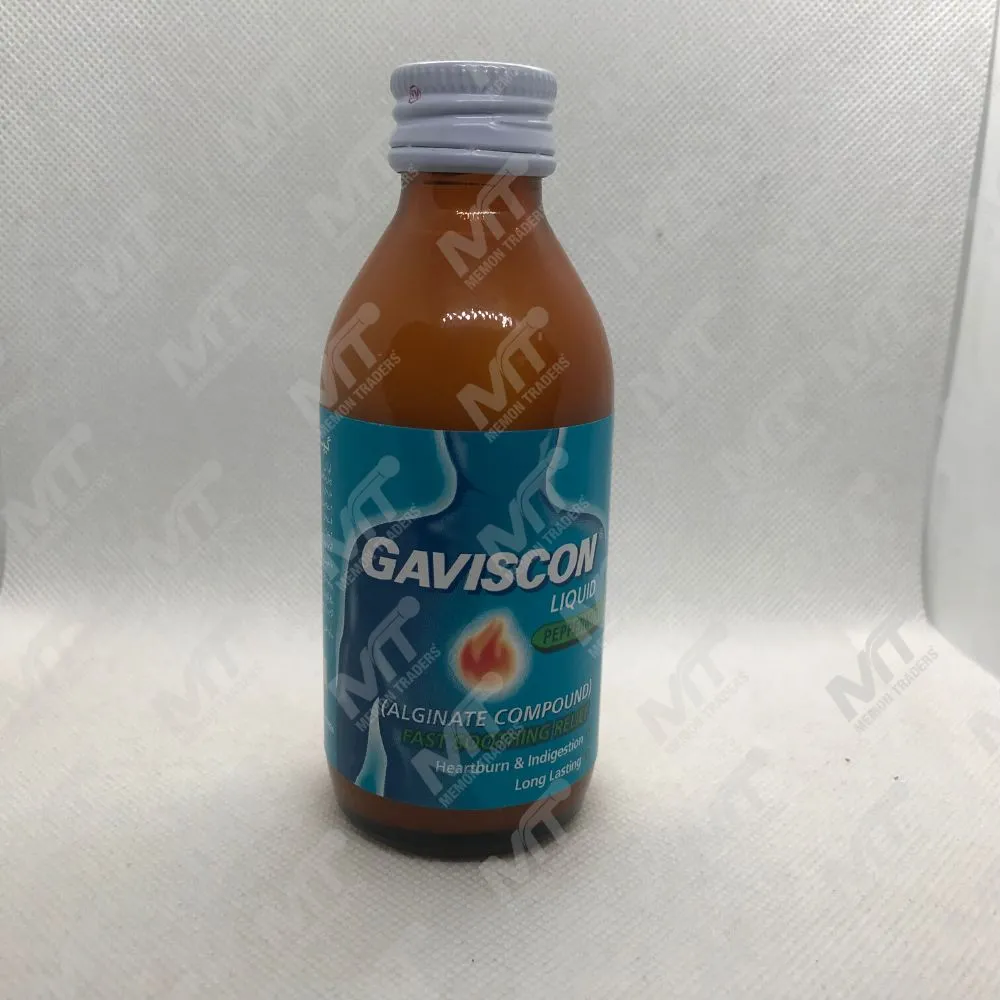
- Administration: Oral (Suspension or Tablets).
2. Deep-Dive: Mechanism of Action and Pharmacokinetics
The efficacy of Gaviscon is derived from its chemical reaction within the stomach environment. Understanding this process is essential for healthcare professionals prescribing or recommending the medication.
Mechanism of Action
When Gaviscon enters the stomach, the interaction between its active ingredients and gastric acid triggers a rapid gelation process:
- Sodium Alginate: Derived from brown seaweed, this polysaccharide reacts with gastric acid to form a viscous, low-density gel.
- Calcium Carbonate & Sodium Bicarbonate: These components act as a source of calcium ions and carbon dioxide. The CO2 bubbles become trapped within the alginate gel, causing it to float like a "raft" on the surface of the gastric contents.
- Physical Barrier: This raft serves as a mechanical blockade, physically preventing the reflux of stomach acid, pepsin, and bile salts into the esophagus.
Pharmacokinetics
- Absorption: Gaviscon is non-systemic. Its action is strictly localized within the gastric lumen. It is not absorbed into the bloodstream, which minimizes the risk of systemic side effects.
- Metabolism: The product undergoes no hepatic or renal metabolism.
- Excretion: The alginate raft is eventually broken down and eliminated via the gastrointestinal tract as fiber.
3. Clinical Indications and Usage
Gaviscon is indicated for the symptomatic treatment of conditions related to gastroesophageal reflux.
Primary Indications
- Gastroesophageal Reflux Disease (GERD): Relief of retrosternal pain and acid regurgitation.
- Heartburn: Particularly post-prandial symptoms.
- Dyspepsia: Symptoms associated with gastric acid hypersecretion.
- Pregnancy-related Reflux: Due to its non-systemic nature, it is often preferred for managing reflux in pregnant patients.
Dosage Guidelines
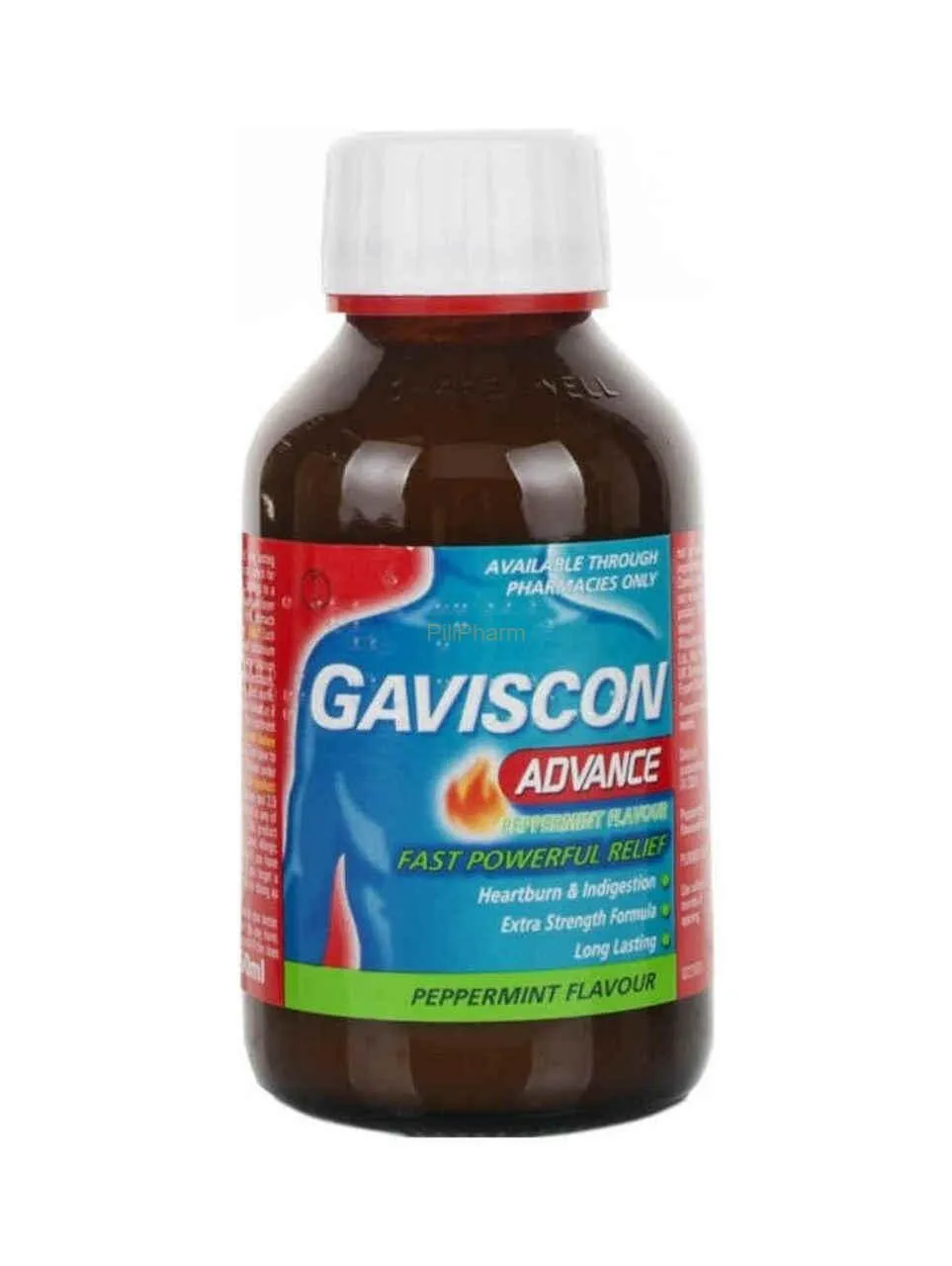
Dosage should be adjusted based on the specific product formulation (Advance, Double Action, or Original).
| Patient Population | Typical Dosage | Frequency |
|---|---|---|
| Adults & Children 12+ | 10–20 mL (Liquid) or 1–2 Tabs | After meals and at bedtime |
| Children 6–12 Years | 5–10 mL | After meals and at bedtime |
| Elderly | No adjustment required | Per adult dosage |
Note: Always consult the specific product label, as concentrations vary between "Advance" and "Standard" formulations.
4. Risks, Side Effects, and Contraindications
While Gaviscon is generally well-tolerated due to its non-systemic action, specific clinical considerations must be addressed.
Contraindications
- Hypersensitivity: Known allergy to sodium alginate, calcium carbonate, or sodium bicarbonate.
- Severe Renal Impairment: Patients with chronic kidney disease should use caution due to the sodium and calcium content.
- Hypercalcemia: Individuals with pre-existing high calcium levels should be monitored.
Potential Side Effects
- Gastrointestinal: Constipation or diarrhea (rarely reported).
- Allergic Reactions: Urticaria, bronchospasm, or anaphylaxis (extremely rare).
- Electrolyte Imbalance: Excessive consumption may lead to metabolic alkalosis in predisposed individuals.
5. Drug Interactions and Special Populations
Drug Interactions
Because Gaviscon creates a physical barrier, it can potentially interfere with the absorption of other oral medications.
* Recommendation: Administer other medications at least 2 hours before or after taking Gaviscon.
* Affected Drugs: Tetracyclines, fluoroquinolones, iron salts, thyroid hormones, and bisphosphonates.
Pregnancy and Lactation
Gaviscon is considered one of the safest treatments for pregnancy-induced heartburn. Because it acts locally and is not absorbed systemically, it does not cross the placental barrier nor is it secreted into breast milk in meaningful quantities.
6. Overdose Management
Due to the nature of the product, overdose is unlikely to cause systemic toxicity. However, excessive ingestion may cause:
* Abdominal Distension: Due to the carbon dioxide release.
* Gastrointestinal Obstruction: In rare cases of massive ingestion.
Management:
* Symptomatic and supportive treatment.
* Ensure adequate hydration.
* Monitor for electrolyte imbalances if massive quantities are ingested.
7. Frequently Asked Questions (FAQ)
1. How long does Gaviscon take to work?
Gaviscon typically provides relief within 3–5 minutes of ingestion as the raft forms rapidly in the stomach.
2. Can I take Gaviscon every day?
Yes, it is safe for daily use, but if symptoms persist for more than 14 days, you should consult a physician to rule out underlying conditions like H. pylori infection or Barrett’s esophagus.
3. Does Gaviscon interact with PPIs?
Gaviscon can be safely taken alongside Proton Pump Inhibitors (PPIs). In fact, they are often prescribed together for "dual therapy" in severe GERD cases.
4. Is Gaviscon safe for children?
Gaviscon is indicated for children, but the dosage must be strictly followed based on age and weight. Consult a pediatrician before administration.
5. Does Gaviscon contain aluminum?
Most modern Gaviscon formulations are aluminum-free. Always check the specific product ingredient list.
6. Can I take Gaviscon if I am on a low-sodium diet?
Gaviscon contains sodium. Patients on a strictly controlled sodium diet should consult their doctor before regular use.
7. What is the difference between Gaviscon and standard antacids?
Standard antacids (like Tums) neutralize existing acid. Gaviscon creates a physical raft that stops the acid from rising into the esophagus in the first place.
8. Should I chew the tablets or swallow them whole?
Gaviscon tablets must be thoroughly chewed before swallowing to ensure they mix with saliva and prepare for the reaction in the stomach.
9. What should I do if I miss a dose?
Do not take a double dose. Simply take the next dose as scheduled after your next meal.
10. Can Gaviscon cause constipation?
While rare, the calcium carbonate component can cause mild constipation in some individuals. Increasing water intake is usually sufficient to mitigate this.
8. Conclusion for Medical Professionals
Gaviscon remains a cornerstone in the management of episodic heartburn and mild-to-moderate GERD. Its unique mechanism of action—the formation of a protective alginate raft—offers a clinical advantage over traditional acid-neutralizing agents. When used appropriately, with due consideration for drug-interaction timing, it provides a safe, non-systemic solution for patients suffering from acid-related discomfort.
Disclaimer: This guide is for educational purposes only and does not constitute professional medical advice, diagnosis, or treatment. Always seek the advice of your physician or other qualified health provider with any questions regarding a medical condition.