
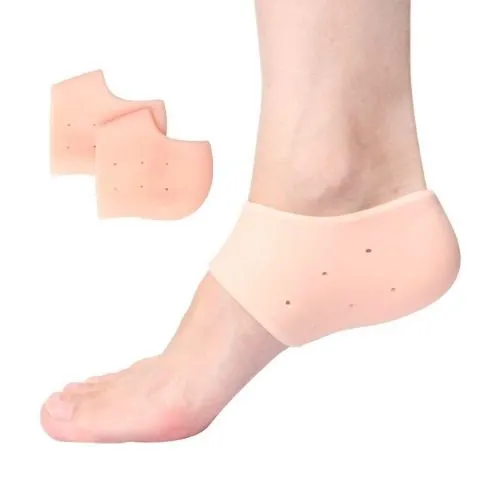
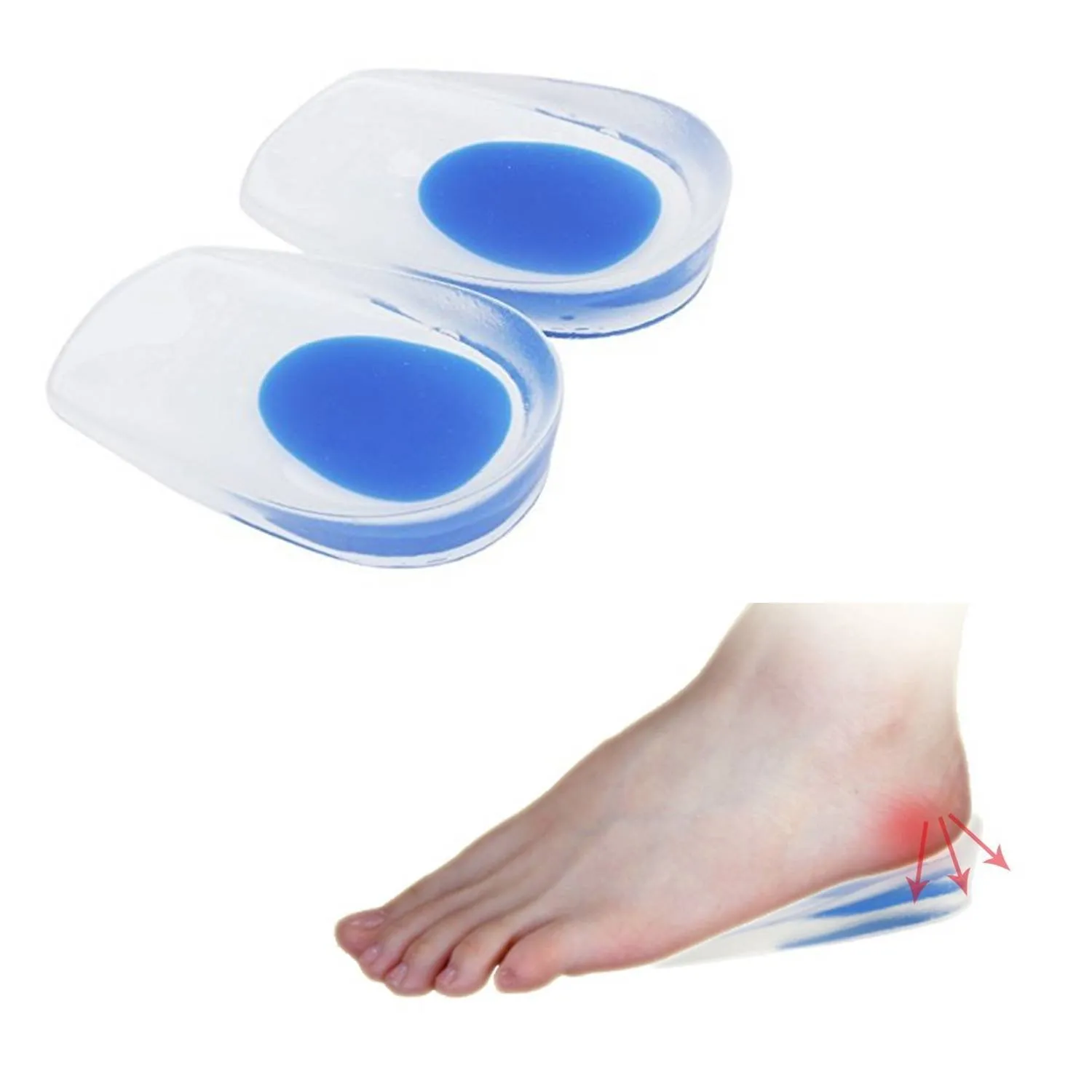

Comprehensive Introduction to Silicone Heel Pads
In the realm of podiatric medicine and orthopedic rehabilitation, the Silicone Heel Pad stands as a foundational non-pharmacological intervention for the management of chronic heel pain. While often categorized under orthopedic devices or medical accessories, its clinical utility mimics the therapeutic outcomes of localized soft-tissue support and mechanical offloading.
Heel pain, most notably stemming from conditions such as Plantar Fasciitis, Calcaneal Spurs, and Retrocalcaneal Bursitis, represents a significant burden on patient mobility. Silicone heel pads are engineered to address the biomechanical deficiencies that lead to these pathologies. By providing a viscoelastic interface between the calcaneus and the ground, these pads serve as a shock-absorption medium, redistributing plantar pressure and reducing the impact forces that exacerbate inflammatory conditions.
Technical Specifications and Mechanisms of Action
To understand the efficacy of silicone heel pads, one must look at the material science and biomechanical principles involved.
Material Properties
Medical-grade silicone is chosen for its unique viscoelastic properties. Unlike foam or gel, high-density silicone exhibits:
* Hysteresis: The ability to absorb energy and dissipate it slowly, preventing the "rebound" effect that can jar the heel bone.
* Durability: Resistance to permanent deformation under constant compressive loads.
* Biocompatibility: Hypoallergenic surfaces that prevent contact dermatitis, a common issue with synthetic polymers.
Mechanism of Action: The Biomechanical Interface
- Shock Absorption: During the heel-strike phase of the gait cycle, the calcaneus undergoes significant impact. Silicone heel pads provide a dampening effect, reducing the peak vertical ground reaction force (vGRF).
- Pressure Redistribution: By elevating the heel slightly, the pad alters the angle of the ankle joint, which can reduce the tension placed on the plantar fascia.
- Soft Tissue Protection: The material acts as a secondary "fat pad." As humans age, the natural fat pad under the calcaneus atrophies; silicone pads provide a synthetic replacement for this lost cushioning.
Clinical Indications and Usage
Silicone heel pads are indicated for a variety of orthopedic conditions. Their application is typically conservative, serving as a first-line treatment before surgical intervention is considered.
Primary Indications
| Condition | Therapeutic Goal |
|---|---|
| Plantar Fasciitis | Reduce longitudinal arch tension and alleviate insertion-point pain. |
| Calcaneal Spur | Provide a "cushioning zone" to prevent direct pressure on the bony outgrowth. |
| Fat Pad Atrophy | Restore natural shock absorption for geriatric patients. |
| Sever’s Disease | Reduce traction forces on the calcaneal apophysis in pediatric patients. |
| Achilles Tendonitis | Slight elevation reduces the eccentric load on the Achilles tendon. |
Dosage and Application Guidelines
While not a "drug" in the traditional sense, "dosage" in this context refers to the duration and frequency of wear.
* Initial Phase: Wear for 2–4 hours per day to allow the musculoskeletal system to adapt to the change in gait geometry.
* Maintenance Phase: Full-time wear during weight-bearing activities (walking, standing) for a duration of 6–12 weeks.
* Hygiene: Pads should be washed with mild soap and water daily to maintain surface tackiness and prevent bacterial accumulation.
Risks, Contraindications, and Safety Warnings
While considered low-risk, improper use or underlying medical conditions can lead to complications.
Contraindications
- Diabetic Neuropathy: Patients with diminished sensation must exercise extreme caution. Improperly fitted pads can cause friction sores or ulcers that the patient may not feel.
- Open Wounds: Never place a heel pad directly over an ulcerated or broken skin area.
- Acute Fractures: In cases of calcaneal or stress fractures, orthopedic immobilization is required; heel pads are insufficient and may cause misalignment.
Potential Side Effects
- Skin Maceration: Excessive moisture trapping can lead to breakdown of the skin integrity.
- Gait Alteration: Over-correction of the heel height can inadvertently shift pressure to the forefoot, potentially causing metatarsalgia.
Pregnancy and Lactation
There are no systemic contraindications for the use of silicone heel pads during pregnancy. However, as the center of gravity shifts during gestation, patients should be monitored for secondary knee or hip pain resulting from the altered gait caused by the pads.
Interactions and Overdose Management
Drug Interactions
There are no pharmacological interactions with systemic medications. However, if using topical analgesics (e.g., Diclofenac gel or lidocaine patches) on the heel, ensure the skin is completely dry before applying the silicone pad to prevent the pad from slipping or degrading the silicone structure.
Overdose Management
The concept of "overdose" is not applicable; however, "over-usage" can lead to muscle fatigue or secondary joint pain. If a patient experiences pain in the calves or knees after starting use, they should reduce the daily wear time and consult with a podiatrist for a gait analysis.
Frequently Asked Questions (FAQ)
1. How long do silicone heel pads typically last?
Depending on weight and activity level, high-quality medical-grade silicone pads generally last between 6 to 12 months before losing their density.
2. Can I wear them in all types of shoes?
Yes, but they are most effective in closed-heel shoes. They may slide in open-backed sandals or mules.
3. Do I need a prescription?
In most jurisdictions, silicone heel pads are available over-the-counter. However, they are often covered by insurance if prescribed by a physician for a diagnosed orthopedic condition.
4. Will these cure my Plantar Fasciitis?
They are part of a comprehensive treatment plan that should include stretching, physical therapy, and proper footwear. They are a tool for pain management, not a standalone cure.
5. Can I use these if I have flat feet?
Yes, but you may also require arch support inserts. The heel pad addresses the impact, while arch supports address the structural alignment.
6. Do they cause sweating?
Silicone is non-porous. Some patients may experience increased moisture. Using a moisture-wicking sock is recommended.
7. Should I wear them in both shoes?
Even if pain is unilateral, it is strongly recommended to wear them in both shoes to prevent a leg-length discrepancy and subsequent pelvic misalignment.
8. Are they washable?
Yes, they should be cleaned with mild soap and lukewarm water. Avoid harsh chemicals or drying them on a radiator, which can damage the silicone.
9. Can children use them?
Yes, particularly for conditions like Sever’s disease. Always consult a pediatrician or pediatric podiatrist for the correct sizing.
10. What if my pain gets worse?
Discontinue use immediately and consult a healthcare professional. Increased pain may indicate an incorrect diagnosis or an improper fit that is exacerbating your biomechanical issues.
Clinical Summary and Recommendations
Silicone heel pads are a highly effective, low-cost, and safe intervention for various foot pathologies. Their ability to mimic the body's natural shock-absorption mechanisms makes them a staple in orthopedic care. As with any medical device, efficacy is maximized when they are utilized as part of a holistic treatment protocol, including targeted stretching, appropriate footwear selection, and professional clinical guidance.
Patients should prioritize hygiene and monitor skin integrity, especially those with underlying conditions like diabetes. By following the prescribed usage guidelines and maintaining the device, patients can significantly improve their quality of life and reduce the debilitating effects of chronic heel pain.