
Comprehensive Guide to Hyalgan (Hyaluronate Sodium)
Osteoarthritis (OA) remains one of the most prevalent musculoskeletal conditions globally, characterized by the progressive degradation of articular cartilage and the loss of synovial fluid viscosity. For patients who have failed to respond to conservative treatments such as physical therapy, weight management, and simple analgesics, viscosupplementation has emerged as a cornerstone therapeutic intervention.
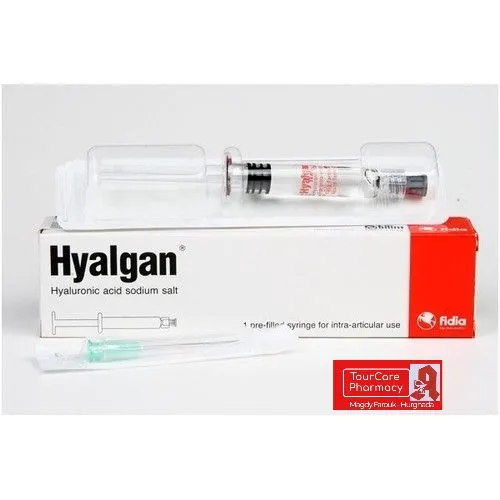
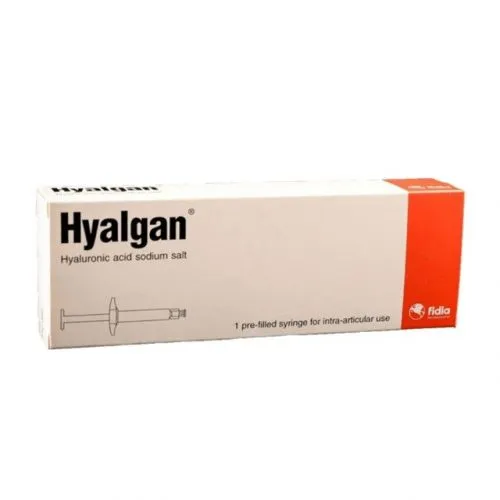
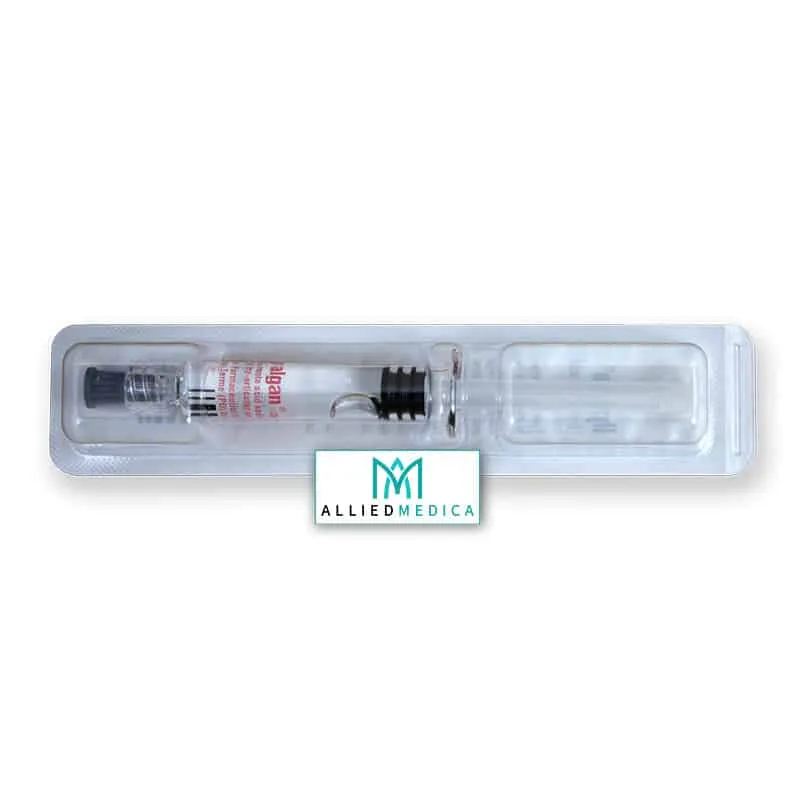
Hyalgan is a sterile, non-pyrogenic, viscoelastic solution of purified high molecular weight hyaluronate sodium. This guide provides an exhaustive clinical overview of Hyalgan, designed for healthcare professionals and patients seeking an in-depth understanding of its pharmacodynamics, clinical application, and safety profile.
Technical Specifications and Mechanism of Action
Hyalgan is derived from avian sources (rooster combs) and is processed to ensure a high degree of purity. The primary component is sodium hyaluronate, a natural complex sugar of the glycosaminoglycan family.
The Role of Hyaluronic Acid (HA)
In a healthy knee joint, hyaluronic acid provides the necessary lubrication and shock absorption required for smooth articular movement. In an osteoarthritic joint, the concentration and molecular weight of endogenous HA are significantly reduced, leading to increased friction, mechanical wear, and pain.
Mechanism of Action
Hyalgan functions through several physiological pathways:
1. Viscosupplementation: By injecting a high-viscosity solution into the joint space, Hyalgan restores the rheological properties of the synovial fluid, reducing mechanical stress on the cartilage.
2. Lubrication: It coats the articular surfaces, creating a protective barrier that facilitates joint articulation.
3. Anti-inflammatory Modulation: Hyalgan has been shown to inhibit the expression of pro-inflammatory cytokines (such as IL-1β) and mediators that contribute to cartilage degradation.
4. Chondroprotection: By stimulating the synthesis of endogenous hyaluronic acid by synoviocytes, it supports the joint’s natural repair mechanisms.
Clinical Indications and Usage
Hyalgan is strictly indicated for the treatment of pain in osteoarthritis (OA) of the knee in patients who have failed to respond adequately to conservative non-pharmacologic therapy and simple analgesics (e.g., acetaminophen).
Pharmacokinetics
- Absorption: Upon intra-articular injection, Hyalgan is slowly cleared from the joint space.
- Distribution: It distributes primarily within the synovial fluid and to the superficial layers of the articular cartilage.
- Metabolism: The molecule is broken down by hyaluronidase enzymes within the synovial tissue and local lymph nodes.
- Elimination: Degradation products are processed via the liver and excreted through the urine.
Dosage and Administration Guidelines
The standard regimen for Hyalgan involves a series of intra-articular injections.
| Regimen Type | Number of Injections | Frequency |
|---|---|---|
| Standard Course | 5 Injections | Once weekly |
| Administration | Intra-articular | Sterile technique |
Clinical Note: The injection must be performed under strict aseptic conditions. If joint effusion is present, it should be aspirated prior to the administration of Hyalgan.
Risks, Side Effects, and Contraindications
While Hyalgan is generally well-tolerated, clinicians must exercise caution and screen patients for specific risks.
Contraindications
- Hypersensitivity: Patients with known hypersensitivity to hyaluronate preparations or avian proteins.
- Joint Infection: Do not administer Hyalgan if there is an active infection in the knee joint or skin surrounding the injection site.
- Bleeding Disorders: Use with caution in patients with severe coagulopathies.
Potential Side Effects
Most adverse reactions are local and transient.
* Common: Injection site pain, swelling, warmth, or redness.
* Less Common: Arthralgia, stiffness, or transient effusion.
* Rare: Systemic hypersensitivity reactions, including anaphylaxis.
Pregnancy and Lactation
- Pregnancy: There are no adequate, well-controlled studies in pregnant women. Hyalgan should be used during pregnancy only if the potential benefit justifies the potential risk to the fetus.
- Lactation: It is not known whether Hyalgan is excreted in human milk. Caution should be exercised when administered to a nursing woman.
Overdose Management
Due to the nature of intra-articular administration and the limited volume injected (typically 2mL), systemic overdose is practically impossible. In the event of accidental over-injection into the joint space, the primary concern is increased joint pressure. Management involves aspiration of the excess fluid and the application of ice packs to reduce discomfort.
Frequently Asked Questions (FAQ)
1. How long does the pain relief from Hyalgan last?
Most patients experience significant pain reduction that lasts between 6 to 12 months, depending on the severity of the osteoarthritis and the patient's activity level.
2. Is Hyalgan a cure for osteoarthritis?
No. Hyalgan is a symptomatic treatment designed to manage pain and improve joint function. It does not reverse the structural damage of cartilage.
3. Can I use Hyalgan if I have an egg allergy?
Since Hyalgan is derived from avian sources (rooster combs), individuals with severe avian protein allergies should consult their physician before use.
4. How soon will I feel the effects?
While some patients report immediate relief, the therapeutic effect of Hyalgan is often cumulative, with optimal results observed after the full course of injections.
5. Can Hyalgan be used in other joints?
Hyalgan is FDA-approved specifically for the knee. While off-label use in other joints (like the hip or shoulder) occurs, it is not the primary indication.
6. Are there specific activities to avoid after an injection?
Patients are generally advised to avoid strenuous physical activity, such as jogging, heavy lifting, or prolonged standing, for 48 hours following the injection.
7. Does insurance typically cover Hyalgan?
Most private insurance plans and Medicare cover Hyalgan for knee osteoarthritis when conservative measures have failed, but prior authorization is often required.
8. Can I take other pain medications with Hyalgan?
Yes, Hyalgan can be used in conjunction with other treatments, including NSAIDs or physical therapy, provided your physician has approved the treatment plan.
9. What should I do if I experience swelling after the injection?
Mild swelling is a common reaction. Applying an ice pack for 15–20 minutes several times a day is usually sufficient. If swelling is severe or persistent, contact your doctor immediately.
10. Does the injection hurt?
The pain associated with the injection is typically minimal, similar to a standard blood draw. Topical anesthetics can be used to numb the area if the patient is anxious.
Clinical Summary for Healthcare Providers
Hyalgan remains a reliable tool in the orthopedic armamentarium. By providing a high-quality, purified hyaluronate solution, it offers a non-surgical pathway to mobility for patients suffering from knee OA. Clinicians should ensure that patients are appropriately screened for avian allergies and that all injections are performed under strictly sterile, ultrasound-guided (or landmark-guided) conditions to ensure maximum efficacy and safety.
Disclaimer: This guide is for informational purposes only and does not constitute medical advice. Always consult with a licensed orthopedic specialist or healthcare provider regarding treatment options, diagnoses, and medical procedures.