
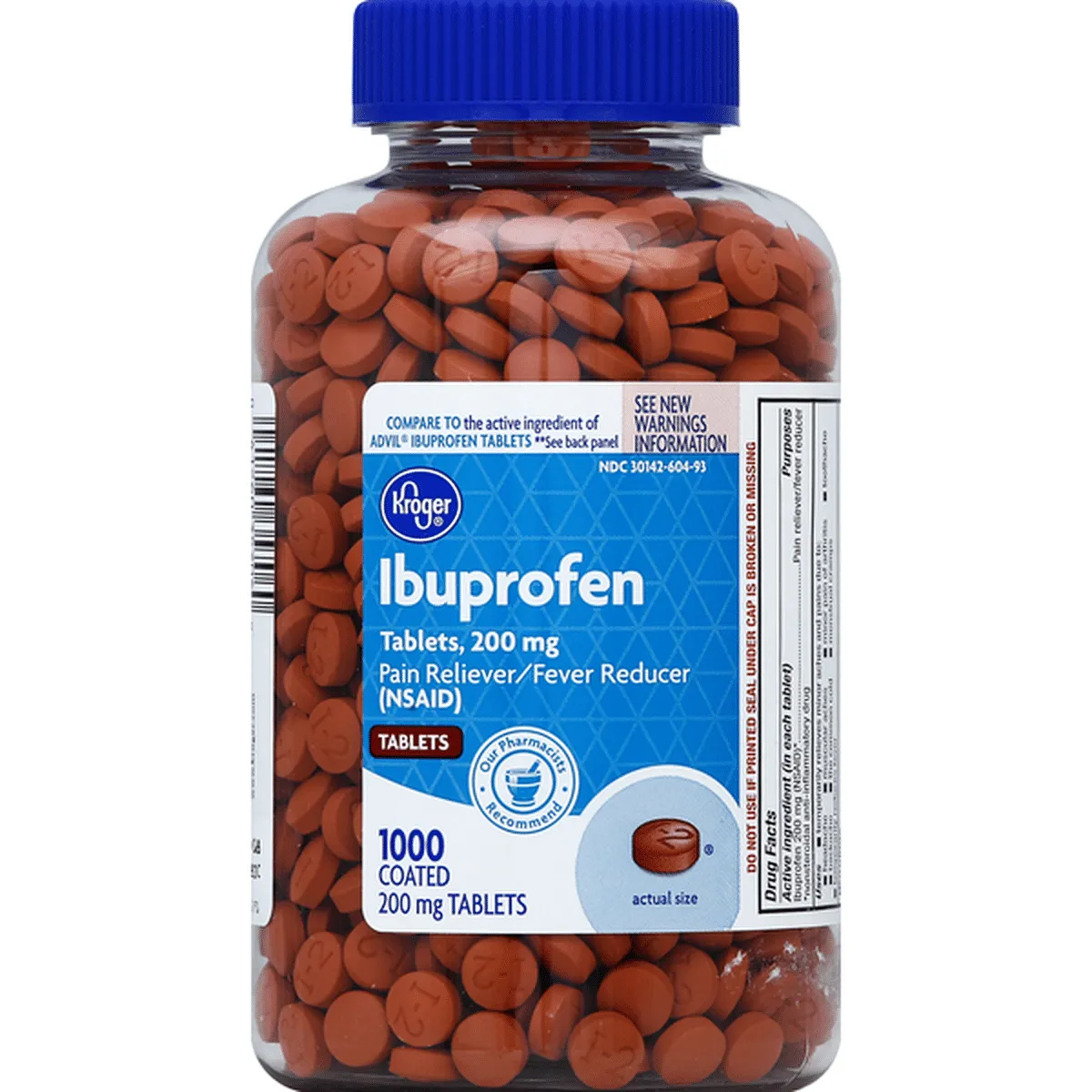

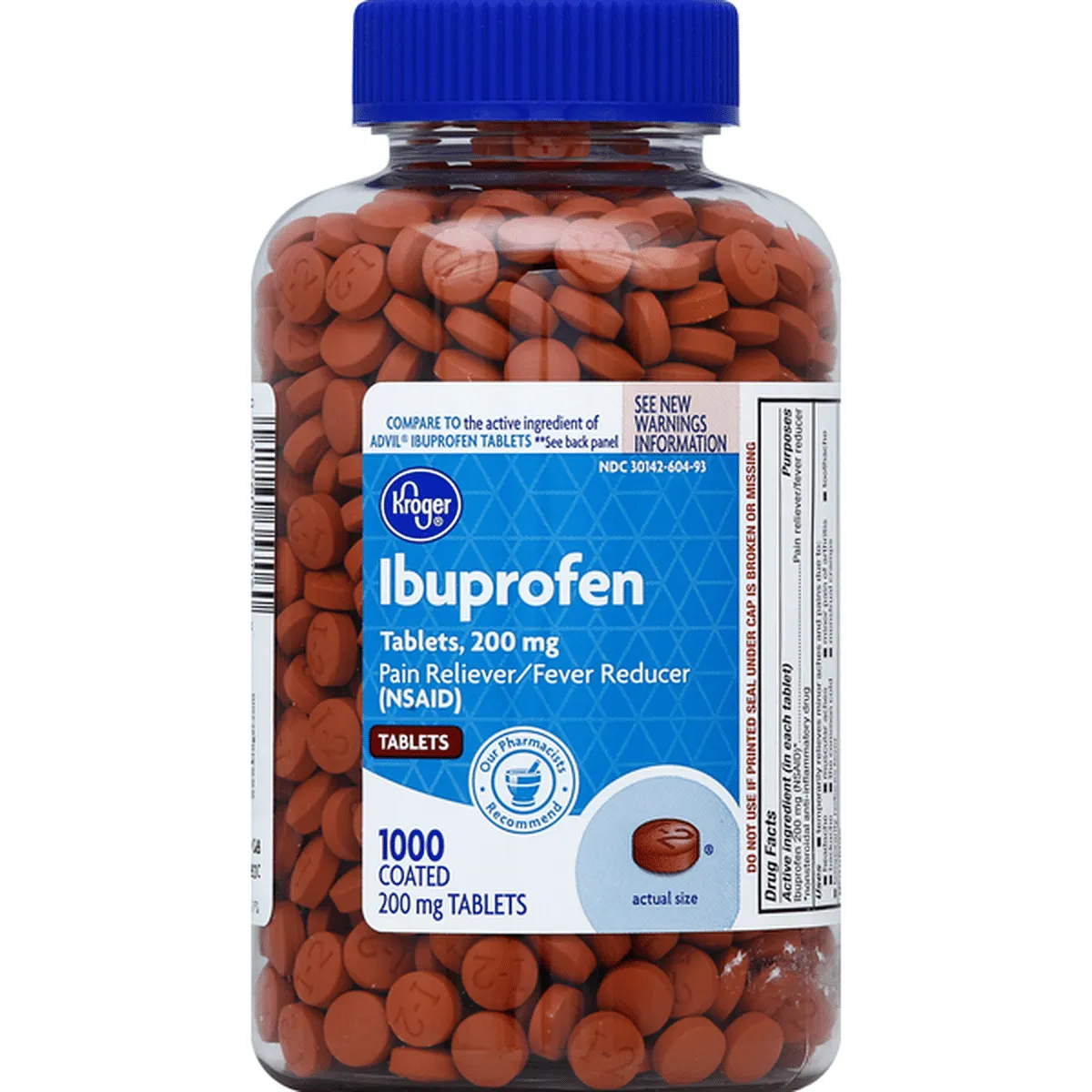

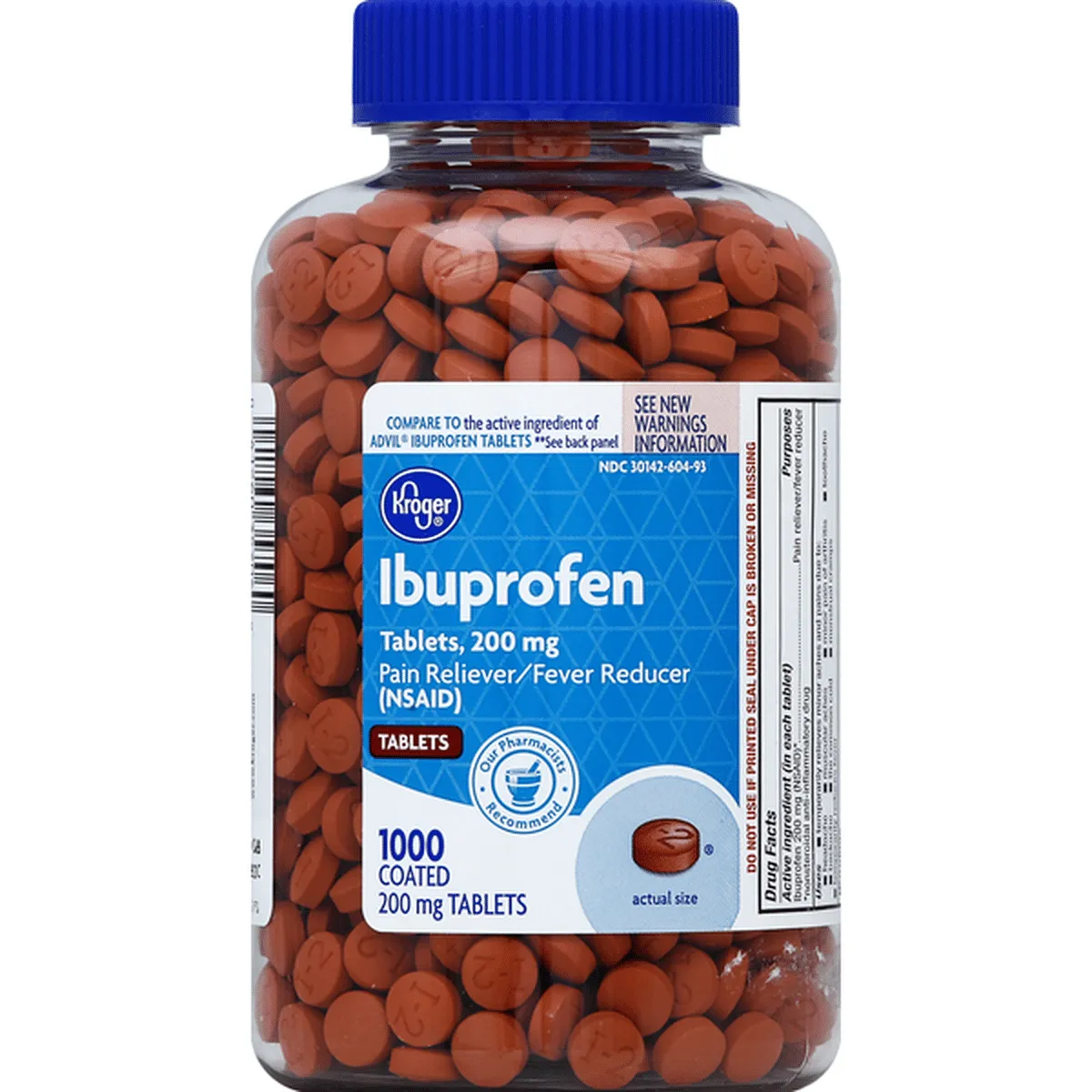

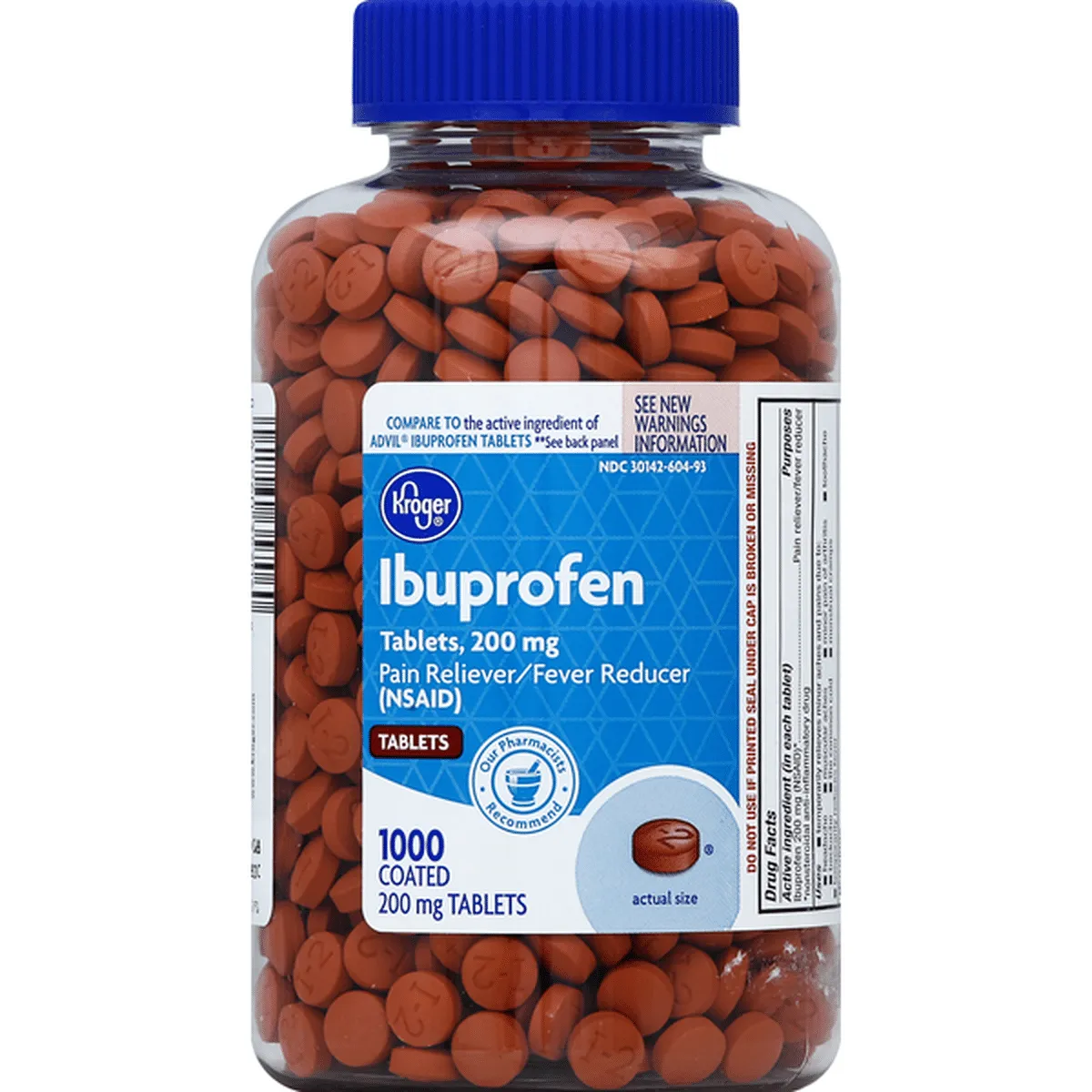


Comprehensive Introduction to Ibuprofen
Ibuprofen is a nonsteroidal anti-inflammatory drug (NSAID) that has become a cornerstone of modern pain management and inflammation control. Since its discovery in the 1960s, it has evolved into one of the most widely utilized pharmacological agents globally. In the field of orthopedics and musculoskeletal medicine, Ibuprofen is frequently the first-line intervention for managing acute soft tissue injuries, osteoarthritis, and rheumatoid arthritis.
As a propionic acid derivative, Ibuprofen offers a balanced profile of analgesic, antipyretic, and anti-inflammatory properties. While it is available over-the-counter (OTC) in many jurisdictions, its physiological impact on the body is profound, necessitating a thorough understanding of its mechanisms, pharmacokinetics, and clinical risks.
Mechanism of Action: How Ibuprofen Works
The efficacy of Ibuprofen is primarily rooted in its ability to inhibit the cyclooxygenase (COX) enzymes. Understanding this pathway is essential for grasping both its therapeutic benefits and its potential for adverse effects.
The Arachidonic Acid Cascade
Ibuprofen acts as a non-selective inhibitor of both COX-1 and COX-2 enzymes. These enzymes are responsible for the conversion of arachidonic acid into prostaglandins, prostacyclin, and thromboxanes.
* COX-1 Inhibition: Primarily responsible for the gastrointestinal (GI) side effects, as COX-1 maintains the protective mucosal lining of the stomach and supports platelet aggregation.
* COX-2 Inhibition: Responsible for the analgesic and anti-inflammatory effects by reducing the production of prostaglandins that mediate pain and inflammation at the site of tissue injury.
By suppressing these mediators, Ibuprofen reduces the sensitization of nociceptors (pain receptors) and dampens the inflammatory response, providing relief for orthopedic conditions involving localized swelling or joint degradation.
Pharmacokinetics
Understanding how the body processes Ibuprofen is critical for optimizing dosing intervals and minimizing toxicity.
| Feature | Description |
|---|---|
| Absorption | Rapidly absorbed after oral administration; peak plasma concentrations reached in 1–2 hours. |
| Bioavailability | Approximately 80–100%. |
| Protein Binding | Highly bound to plasma proteins (approx. 99%). |
| Metabolism | Primarily hepatic via cytochrome P450 enzymes. |
| Half-life | Relatively short, typically 1.8 to 2 hours. |
| Excretion | Primarily renal (90% of a dose is excreted in urine as metabolites). |
Clinical Indications and Usage
In orthopedic and general clinical practice, Ibuprofen is indicated for a wide array of conditions:
- Rheumatoid Arthritis and Osteoarthritis: Used to manage chronic joint pain and stiffness.
- Acute Musculoskeletal Trauma: Effective for sprains, strains, and tendonitis to reduce acute inflammatory swelling.
- Dysmenorrhea: Frequently used to manage primary dysmenorrhea by reducing uterine prostaglandin levels.
- Mild to Moderate Pain: Post-operative dental pain, headaches, and general body aches.
- Antipyretic: Effective for the reduction of fever associated with viral or bacterial infections.
Recommended Dosage Guidelines
Dosage must be individualized based on the patient's age, weight, and renal/hepatic function.
- Adults (Pain/Fever): 200–400 mg every 4–6 hours as needed. Do not exceed 1,200 mg daily unless directed by a physician.
- Adults (Rheumatoid/Osteoarthritis): 400–800 mg three to four times daily (Max 3,200 mg/day).
- Pediatrics: Dosage is weight-based, typically 5–10 mg/kg every 6–8 hours.
Risks, Side Effects, and Contraindications
While effective, Ibuprofen is not without risk. Chronic use or high-dose therapy can lead to systemic complications.
Common Side Effects
- Gastrointestinal: Nausea, dyspepsia, gastric ulceration, and occult blood loss.
- Renal: Fluid retention, edema, and, in susceptible patients, acute renal insufficiency.
- Cardiovascular: Potential increase in blood pressure and a slight increase in the risk of thrombotic events (myocardial infarction or stroke).
Absolute Contraindications
- Asthma/Allergy: Patients with a history of "aspirin triad" (asthma, nasal polyps, and aspirin sensitivity).
- Peri-operative Pain: Specifically patients undergoing coronary artery bypass graft (CABG) surgery.
- Severe Renal Impairment: Due to the risk of exacerbating renal failure.
- Active GI Bleeding: History of peptic ulcer disease or active gastrointestinal bleeding.
Pregnancy and Lactation
- First and Second Trimester: Use only if clearly indicated and under medical supervision.
- Third Trimester: Generally avoided, as NSAIDs can cause premature closure of the ductus arteriosus in the fetus and potential oligohydramnios.
- Lactation: Generally considered compatible with breastfeeding, as minimal amounts pass into breast milk.
Drug Interactions
Ibuprofen interacts with several common medications, potentially altering their therapeutic profiles:
* Anticoagulants (e.g., Warfarin): Increases the risk of significant bleeding.
* ACE Inhibitors/Diuretics: Ibuprofen may attenuate the antihypertensive effect and increase the risk of renal failure.
* Lithium: May increase serum lithium levels, leading to toxicity.
* Methotrexate: May increase the risk of methotrexate toxicity by reducing renal clearance.
Overdose Management
An overdose of Ibuprofen can lead to metabolic acidosis, hypotension, and, in severe cases, seizures or renal failure.
1. Immediate Action: Contact a poison control center or seek emergency medical attention.
2. Decontamination: Activated charcoal may be useful if administered shortly after ingestion.
3. Supportive Care: Focus on maintaining airway, breathing, and circulation. Monitoring renal function and electrolyte balance is vital. There is no specific pharmacological antidote for Ibuprofen overdose.
Frequently Asked Questions (FAQ)
1. Is it safe to take Ibuprofen on an empty stomach?
While it is often recommended to take Ibuprofen with food or milk to minimize gastric irritation, it is not strictly required. However, individuals with sensitive stomachs should always take it with food.
2. Can I combine Ibuprofen with Tylenol (Acetaminophen)?
Yes, they have different mechanisms of action. Many clinicians suggest alternating them for fever or severe pain, but always consult your doctor to ensure you are not exceeding total daily limits.
3. Does Ibuprofen slow down bone healing?
Some clinical studies suggest that high-dose, long-term NSAID use may delay bone healing in fracture patients. Consult your orthopedic surgeon regarding pain management if you have a recent fracture.
4. How long can I safely take Ibuprofen?
For OTC use, it is generally recommended not to exceed 10 days for pain or 3 days for fever without consulting a physician. Chronic use requires medical monitoring.
5. Does Ibuprofen cause weight gain?
Ibuprofen can cause mild fluid retention, which may appear as slight weight gain. If you notice rapid swelling in your ankles or feet, contact your doctor.
6. Can children take Ibuprofen?
Yes, but only age-appropriate formulations. Always use the provided dosing device and follow weight-based guidelines.
7. Does Ibuprofen interact with alcohol?
Combining alcohol with Ibuprofen increases the risk of stomach irritation and gastrointestinal bleeding. It is best to avoid alcohol while taking this medication.
8. Will Ibuprofen show up on a drug test?
Ibuprofen can occasionally cause a false-positive result for barbiturates or cannabinoids on some preliminary urine drug screens. If this occurs, a confirmatory test (GC/MS) will show the true result.
9. Is Ibuprofen better than Aspirin for pain?
Ibuprofen is generally considered more effective for inflammation and musculoskeletal pain, while Aspirin is often utilized for its anti-platelet (blood-thinning) properties.
10. Can I take Ibuprofen if I have high blood pressure?
Ibuprofen can increase blood pressure. Patients with hypertension should discuss its use with their primary care provider, as long-term use may interfere with blood pressure control medications.
Disclaimer: This guide is for educational purposes only and does not constitute medical advice. Always consult with a licensed healthcare professional or pharmacist before starting or changing any medication regimen.