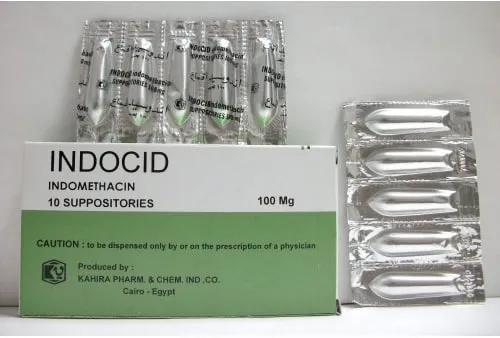

Comprehensive Guide to Indocid (Indomethacin): Clinical Overview
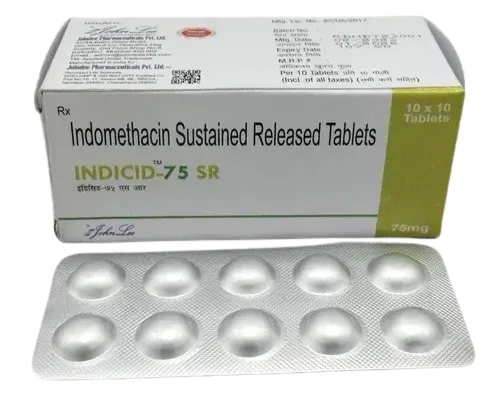
Indocid, the brand name for the nonsteroidal anti-inflammatory drug (NSAID) known generically as indomethacin, remains one of the most potent and widely utilized agents in the management of acute inflammatory conditions. As an orthopedic specialist, I recognize Indocid not merely as a pain reliever, but as a sophisticated pharmacological tool that requires precise understanding of its pharmacokinetics and safety profile to ensure patient welfare.
Indomethacin is a methylated indole derivative that exhibits significant anti-inflammatory, analgesic, and antipyretic properties. Unlike milder NSAIDs, Indocid is often reserved for conditions where rapid and robust inhibition of prostaglandin synthesis is required.
Mechanism of Action: The Science Behind the Relief
To understand how Indocid functions, one must examine the arachidonic acid cascade. The primary mechanism of action for Indocid is the non-selective inhibition of cyclooxygenase enzymes (COX-1 and COX-2).
The Biochemical Pathway
- Inhibition of Prostaglandins: By inhibiting COX enzymes, Indocid prevents the conversion of arachidonic acid into cyclic endoperoxides, which are precursors to prostaglandins, prostacyclin, and thromboxanes.
- Reduced Inflammation: Prostaglandins are key mediators of the inflammatory response, causing vasodilation and increased vascular permeability. By suppressing these, Indocid reduces swelling and heat at the site of injury.
- Analgesic Effect: The reduction of peripheral prostaglandin levels decreases the sensitivity of nociceptors (pain receptors) to bradykinin and other inflammatory mediators.
Unlike some modern COX-2 selective inhibitors, Indocid’s non-selective nature contributes to both its high efficacy and its specific gastrointestinal and renal side-effect profile.
Pharmacokinetics and Metabolism
Understanding the journey of Indocid through the human body is essential for managing dosage intervals and anticipating therapeutic onset.
| Parameter | Clinical Characteristic |
|---|---|
| Absorption | Rapidly and well-absorbed from the GI tract. |
| Bioavailability | Approximately 100%. |
| Protein Binding | Highly bound to plasma albumin (approx. 90-99%). |
| Metabolism | Hepatic (demethylation and deacetylation). |
| Half-Life | Approximately 4.5 to 6 hours. |
| Excretion | Primarily renal (urine) and biliary (feces). |
Clinical Indications and Orthopedic Usage
Indocid is indicated for a range of conditions, particularly those involving acute musculoskeletal inflammation. It is often considered a "gold standard" for specific inflammatory crises.
Primary Indications
- Acute Gouty Arthritis: Indocid is frequently the first-line pharmacological intervention for an acute gout flare due to its rapid onset and potency in quelling crystal-induced inflammation.
- Ankylosing Spondylitis: It is highly effective in managing the stiffness and pain associated with axial spondyloarthritis.
- Osteoarthritis: Used in cases where other NSAIDs have failed to provide adequate symptomatic relief.
- Rheumatoid Arthritis: Utilized for managing flare-ups.
- Acute Shoulder Pain: Specifically for bursitis or tendinitis involving the rotator cuff.
Dosage Guidelines
Dosage must be individualized based on the severity of the condition and the patient's renal/cardiac profile.
Standard Adult Dosage
- Acute Gout: 50 mg three times daily until pain is tolerable, followed by a rapid taper to avoid gastrointestinal toxicity.
- Chronic Musculoskeletal Conditions: 25 mg twice or three times daily. If tolerated, the dose may be increased by 25 mg increments weekly up to a maximum of 150-200 mg/day.
Note: Always administer with food, milk, or an antacid to mitigate the risk of gastric mucosal irritation.
Contraindications and Safety Warnings
Due to its potent pharmacological activity, Indocid is not suitable for all patients.
Absolute Contraindications
- Hypersensitivity: Known allergy to indomethacin or other NSAIDs (aspirin sensitivity).
- Active Peptic Ulcer Disease: High risk of gastrointestinal bleeding.
- Perioperative Pain: Specifically in the setting of coronary artery bypass graft (CABG) surgery.
- Renal Impairment: Advanced chronic kidney disease (CKD).
Pregnancy and Lactation
- Pregnancy: Indocid should be avoided, especially in the third trimester, as it can cause premature closure of the ductus arteriosus in the fetus and oligohydramnios.
- Lactation: Indomethacin is excreted in breast milk. It is generally advised to consult a pediatrician or switch to a safer alternative if breastfeeding.
Drug Interactions: Navigating Polypharmacy
Indocid is known for significant drug-drug interactions, which can lead to toxicity or reduced therapeutic efficacy.
- Anticoagulants (e.g., Warfarin): Increases the risk of severe hemorrhage due to anti-platelet effects.
- Antihypertensives: Indocid can blunt the effect of ACE inhibitors, beta-blockers, and diuretics, leading to uncontrolled blood pressure.
- Lithium: Indocid may increase plasma lithium levels, potentially leading to lithium toxicity.
- Methotrexate: Concomitant use can lead to serious methotrexate toxicity due to reduced renal clearance.
Side Effects Management
While effective, Indocid is associated with a higher incidence of side effects compared to newer NSAIDs.
Common Side Effects
- Gastrointestinal: Nausea, dyspepsia, and gastric ulceration.
- Central Nervous System: Headache (very common), dizziness, and lightheadedness.
- Renal: Fluid retention and peripheral edema.
Serious Adverse Events
- Gastrointestinal perforation or bleeding.
- Myocardial infarction or stroke (increased risk with long-term use).
- Hepatotoxicity.
Frequently Asked Questions (FAQ)
1. Is Indocid the same as Ibuprofen?
No. While both are NSAIDs, Indocid (Indomethacin) is generally considered much more potent and has a more significant side-effect profile, making it a second-line or specialized treatment compared to over-the-counter Ibuprofen.
2. Why do I get a headache when taking Indocid?
Headache is a well-documented side effect of indomethacin, affecting a significant portion of patients. It is often dose-dependent. If the headache is severe, consult your physician to adjust the dosage.
3. Should I take Indocid on an empty stomach?
Absolutely not. Indocid is highly irritating to the stomach lining. It should always be taken with food, a full glass of milk, or an antacid to reduce the risk of gastritis.
4. How long does it take for Indocid to work for gout?
Many patients report significant pain relief within 2 to 4 hours of the first dose. It is highly effective at stopping the inflammatory cascade of an acute gout flare.
5. Can I drink alcohol while taking Indocid?
Combining alcohol with Indocid significantly increases the risk of stomach bleeding and gastric ulcers. It is strongly advised to avoid alcohol during treatment.
6. Is Indocid safe for long-term use?
Long-term use is generally discouraged due to the risks of cardiovascular, renal, and gastrointestinal complications. It is best used for the shortest duration necessary to control symptoms.
7. Does Indocid affect my blood pressure?
Yes, Indocid can cause sodium and water retention, which may lead to increased blood pressure and reduced effectiveness of antihypertensive medications.
8. What should I do if I miss a dose?
Take the missed dose as soon as you remember. However, if it is almost time for your next dose, skip the missed one. Do not take a double dose to make up for a forgotten one.
9. Can I take Indocid with other pain relievers?
You should avoid taking Indocid concurrently with other NSAIDs (like aspirin, naproxen, or ibuprofen), as this significantly increases the risk of serious side effects without providing additional pain relief.
10. What are the signs of an Indocid overdose?
Symptoms of overdose may include severe nausea, vomiting, epigastric pain, lethargy, confusion, or in severe cases, seizures and renal failure. Seek emergency medical attention immediately if an overdose is suspected.
Conclusion
Indocid remains a cornerstone in the treatment of specific, acute inflammatory conditions when prescribed with clinical rigor. Its potency is its greatest asset, but it demands respect for its potential side effects. Patients must be monitored closely for renal function, blood pressure changes, and gastrointestinal integrity. Always consult with your orthopedic surgeon or rheumatologist to determine if Indocid is the appropriate therapeutic choice for your specific clinical presentation.
Disclaimer: This guide is for educational purposes only and does not constitute medical advice, diagnosis, or treatment. Always seek the advice of your physician or other qualified health provider with any questions you may have regarding a medical condition or medication.