


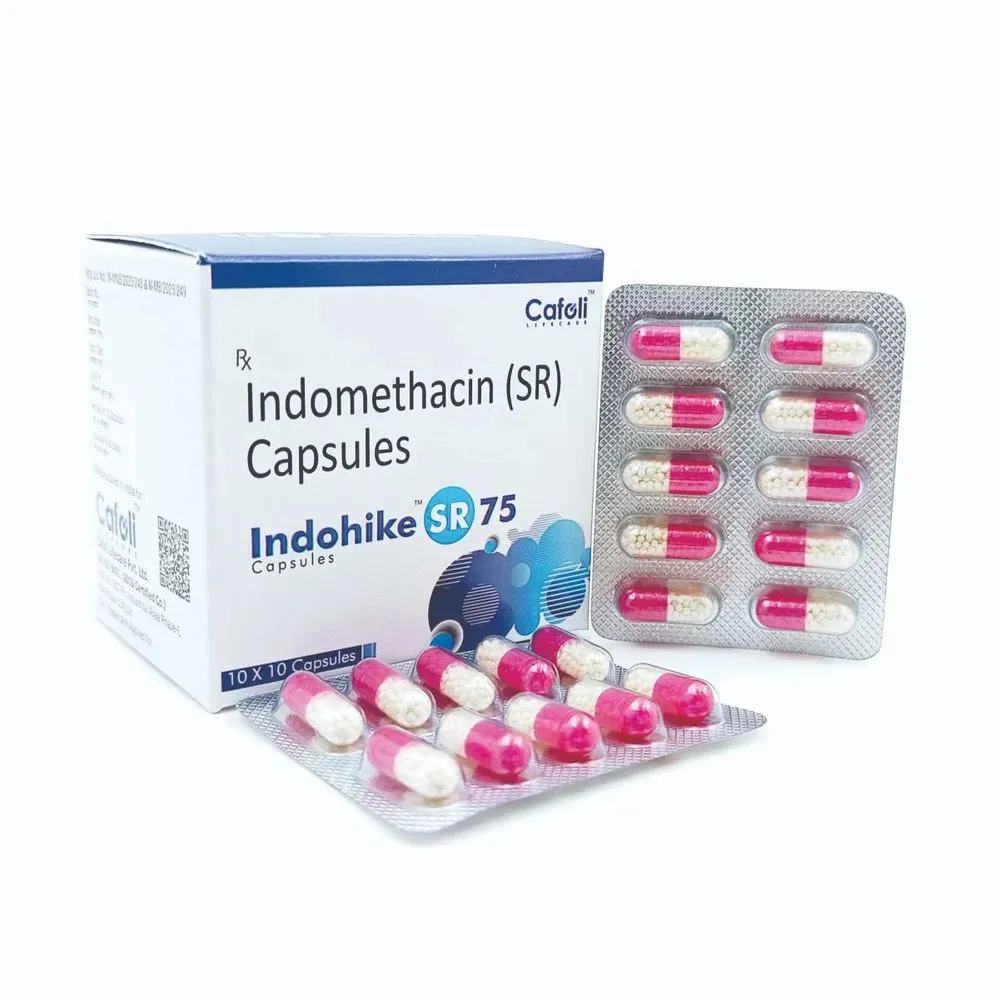
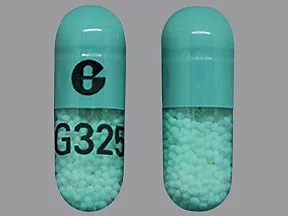

Comprehensive Overview of Indomethacin
Indomethacin is a potent, non-steroidal anti-inflammatory drug (NSAID) that has remained a cornerstone in the management of severe inflammatory conditions for decades. Chemically categorized as an indoleacetic acid derivative, it is renowned for its rapid onset of action and high efficacy in inhibiting prostaglandin synthesis. Unlike many over-the-counter NSAIDs, Indomethacin is typically reserved for cases where other treatments have failed or where rapid, aggressive control of inflammation is required.
In orthopedic and rheumatological medicine, it is frequently utilized for gouty arthritis, ankylosing spondylitis, and acute musculoskeletal pain. Due to its significant side-effect profile, particularly concerning gastrointestinal and cardiovascular safety, its administration requires careful clinical oversight.
Mechanism of Action: The Science Behind the Relief
The therapeutic efficacy of Indomethacin is primarily derived from its ability to inhibit the enzyme cyclooxygenase (COX), specifically both COX-1 and COX-2 isoforms.
The COX Pathway Inhibition
- Prostaglandin Synthesis Suppression: By inhibiting the conversion of arachidonic acid into prostaglandins (specifically PGE2 and PGI2), Indomethacin effectively reduces the chemical signaling that leads to pain, fever, and inflammation.
- Leukocyte Migration: Beyond simple prostaglandin inhibition, Indomethacin has been shown to inhibit the motility of polymorphonuclear leukocytes. This prevents the infiltration of inflammatory cells into the site of injury or joint space, making it exceptionally effective in acute gout flare-ups.
- COX-1 vs. COX-2: Indomethacin is a non-selective inhibitor. While this provides powerful anti-inflammatory effects, it also accounts for the drug's gastrointestinal toxicity, as COX-1 is responsible for maintaining the protective gastric mucosal lining.
Pharmacokinetics and Metabolism
Understanding how the body processes Indomethacin is crucial for clinicians to minimize toxicity while maximizing therapeutic windows.
| Parameter | Clinical Characteristic |
|---|---|
| Bioavailability | Nearly 100% following oral administration |
| Protein Binding | Highly bound to plasma proteins (approx. 90-99%) |
| Metabolism | Hepatic metabolism via O-demethylation and N-deacetylation |
| Half-life | Approximately 4.5 to 6 hours |
| Excretion | Primarily renal (60%) and biliary (33%) |
Clinical Indications and Therapeutic Usage
Indomethacin is indicated for conditions characterized by severe inflammation where rapid symptom resolution is the clinical goal.
Primary Indications
- Acute Gouty Arthritis: Often considered a first-line treatment for acute flares due to its potent anti-inflammatory properties.
- Ankylosing Spondylitis: Effective in managing spinal inflammation and stiffness.
- Acute Painful Shoulder: Specifically for bursitis or tendinitis.
- Osteoarthritis: Used when other NSAIDs are insufficient.
- Patent Ductus Arteriosus (PDA): In neonatal medicine, IV Indomethacin is used to close a persistent PDA in premature infants.
Dosage Guidelines
Dosage must be individualized based on the patient's age, weight, and renal/hepatic function.
- Adults (Arthritis/Gout): Initial doses are typically 25–50 mg, administered 2–3 times daily. The total daily dose should rarely exceed 200 mg.
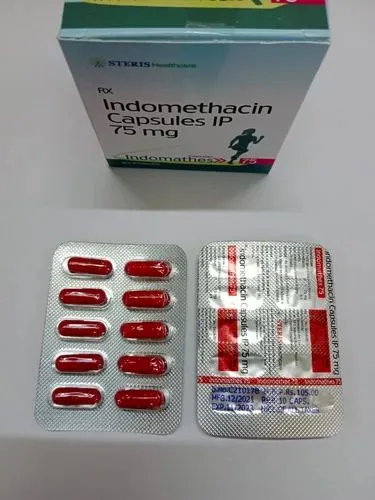
- Extended-Release: 75 mg once or twice daily.
- Pediatric Usage: Only under strict neonatal intensive care protocols for PDA; not generally indicated for pediatric pain management.
Risks, Contraindications, and Safety Warnings
Due to its high potency, Indomethacin carries significant warnings.
Contraindications
- Hypersensitivity: Patients with a history of asthma, urticaria, or allergic reactions to aspirin or other NSAIDs.
- Perioperative Pain: Specifically contraindicated in the setting of coronary artery bypass graft (CABG) surgery.
- Gastrointestinal History: Patients with active peptic ulcer disease or history of recurrent GI bleeding.
- Renal Impairment: Caution is required in patients with pre-existing renal insufficiency due to the risk of exacerbating renal failure.
Common Side Effects
- Gastrointestinal: Dyspepsia, nausea, abdominal pain, and potential for peptic ulcers.
- Central Nervous System: Headache (very common, often severe), dizziness, and confusion.
- Cardiovascular: Increased risk of hypertension, fluid retention, and edema.
Drug Interactions
Indomethacin interacts with a wide range of medications, necessitating careful medication reconciliation.
| Interacting Drug | Potential Consequence |
|---|---|
| Warfarin/Anticoagulants | Increased risk of bleeding due to platelet inhibition. |
| ACE Inhibitors | Reduced antihypertensive effect and increased risk of renal failure. |
| Lithium | Indomethacin can increase serum lithium levels, leading to toxicity. |
| Methotrexate | Reduced renal clearance of methotrexate, increasing toxicity. |
| Diuretics | Diminished natriuretic effect and potential for renal insufficiency. |
Pregnancy and Lactation
- Pregnancy: Indomethacin is classified as Pregnancy Category C (before 30 weeks) and Category D (starting at 30 weeks). Use in the third trimester is strictly avoided due to the risk of premature closure of the fetal ductus arteriosus and oligohydramnios.
- Lactation: Indomethacin is excreted into breast milk. While generally considered compatible with breastfeeding, it should be used with caution, monitoring the infant for potential side effects.
Overdose Management
Acute overdose of Indomethacin requires immediate medical intervention. Symptoms include lethargy, drowsiness, nausea, vomiting, and epigastric pain. Gastrointestinal bleeding and seizures may occur in severe cases.
- Decontamination: If the ingestion is recent, activated charcoal may be administered.
- Supportive Care: Focus on maintaining airway, breathing, and circulation.
- Monitoring: Serial monitoring of renal function, electrolytes, and coagulation profiles is essential. There is no specific antidote; treatment is symptomatic.
Frequently Asked Questions (FAQ)
1. Is Indomethacin stronger than Ibuprofen?
Yes, Indomethacin is generally considered more potent than ibuprofen, but it also carries a significantly higher risk profile regarding side effects, particularly headaches and gastrointestinal distress.
2. Can I take Indomethacin on an empty stomach?
It is strongly recommended to take Indomethacin with food, milk, or an antacid to minimize the risk of gastric irritation.
3. Why does Indomethacin cause headaches?
Headaches are a well-documented side effect of Indomethacin, occurring in a significant percentage of patients. The exact mechanism is unknown, but it is believed to be related to the drug's effect on cerebral blood flow and prostaglandin inhibition in the central nervous system.
4. How long does it take for Indomethacin to start working?
In cases of acute gout, patients often report significant relief within 2 to 4 hours of the first dose.
5. Can Indomethacin be used for long-term chronic pain?
While it can be used for chronic conditions like ankylosing spondylitis, it is usually used at the lowest effective dose for the shortest duration possible due to long-term safety concerns.
6. Is Indomethacin a steroid?
No, it is a Non-Steroidal Anti-Inflammatory Drug (NSAID). It does not have the same metabolic or immune-suppressing effects as corticosteroid medications.
7. Does Indomethacin interact with alcohol?
Alcohol consumption can increase the risk of gastrointestinal bleeding when combined with NSAIDs like Indomethacin. It is best to avoid alcohol while on this medication.
8. What should I do if I miss a dose?
Take the missed dose as soon as you remember. If it is almost time for your next scheduled dose, skip the missed dose and resume your regular schedule. Never double the dose.
9. Can I drive while taking Indomethacin?
Because Indomethacin can cause dizziness, drowsiness, or confusion, you should avoid operating heavy machinery or driving until you know how the medication affects you.
10. Does Indomethacin affect blood pressure?
Yes, like most NSAIDs, Indomethacin can cause fluid retention and increase blood pressure, which may interfere with the effectiveness of antihypertensive medications.
Disclaimer: This guide is for informational purposes only and does not constitute medical advice. Always consult with a licensed healthcare professional or orthopedic specialist before starting any new medication. If you suspect an overdose or severe reaction, seek emergency medical care immediately.