
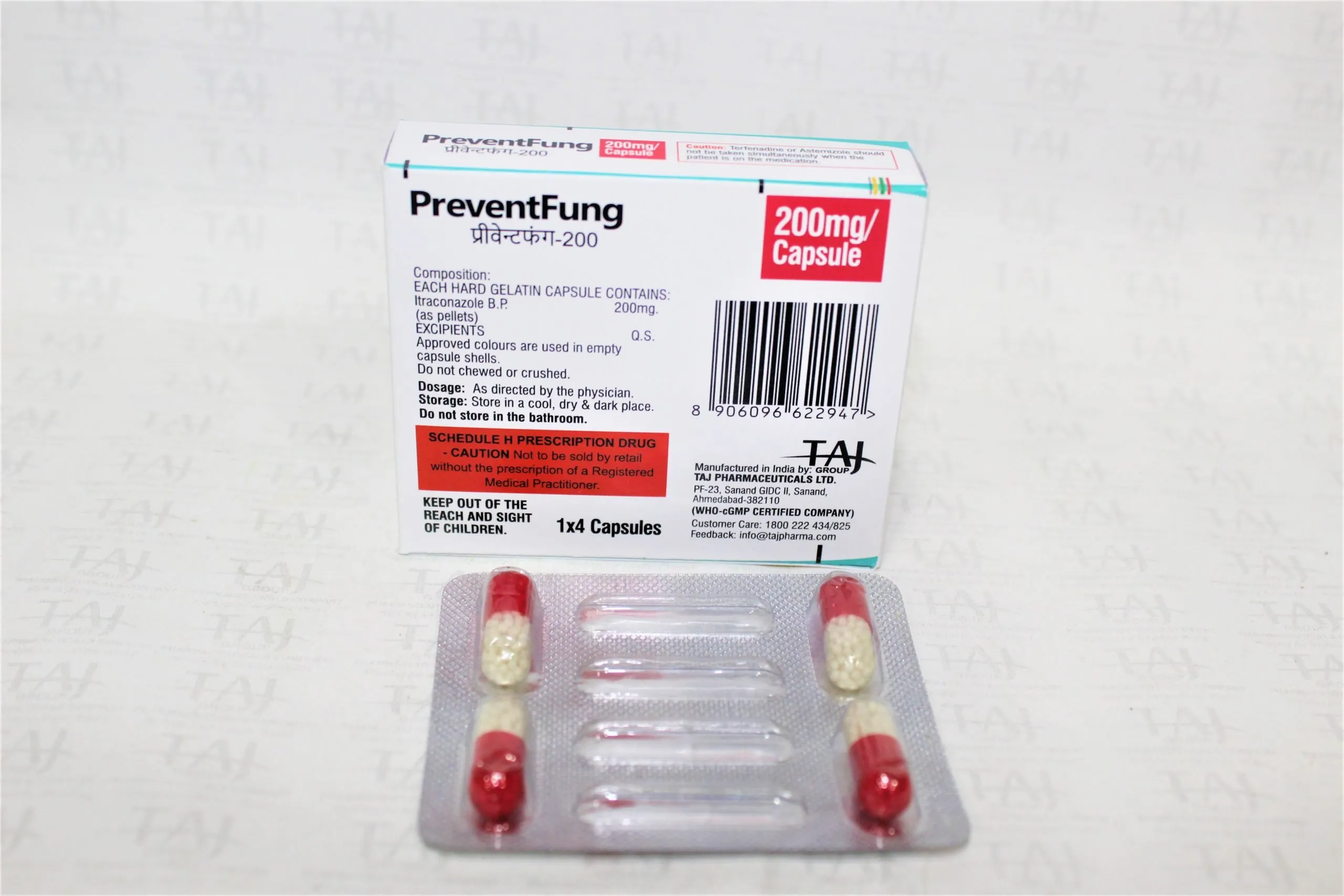
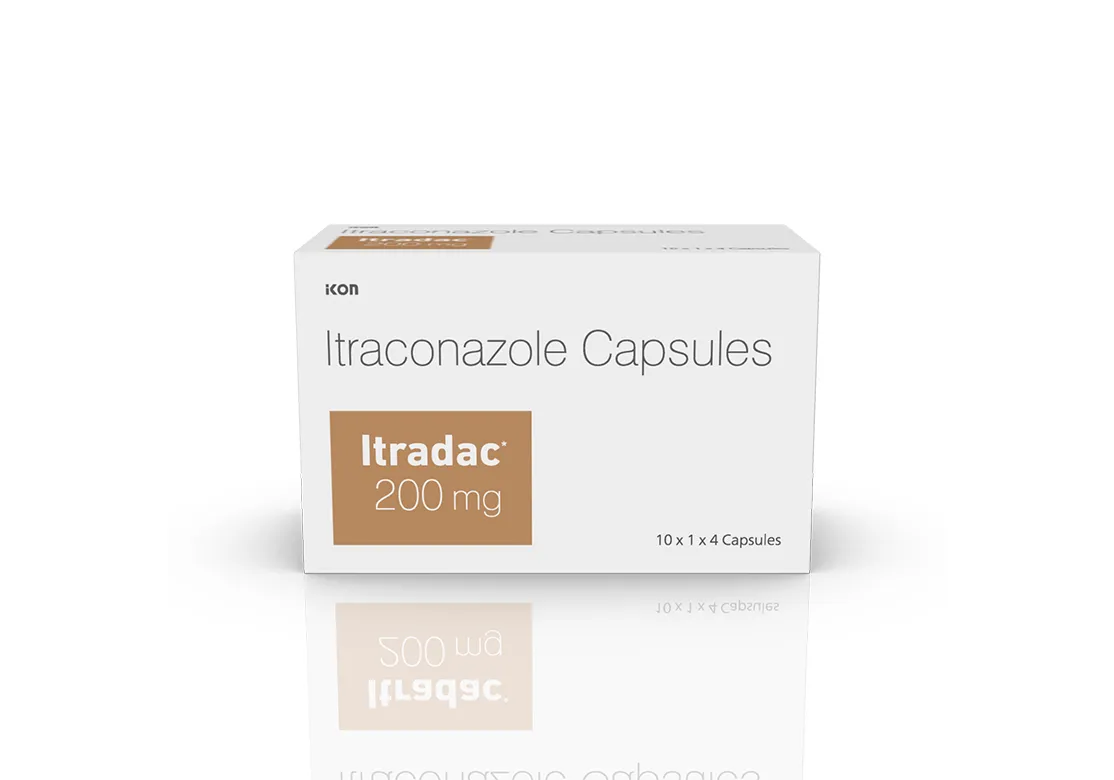

Introduction to Itraconazole
Itraconazole is a potent, broad-spectrum synthetic triazole antifungal agent that has become a cornerstone in the treatment of systemic, subcutaneous, and superficial fungal infections. Since its clinical introduction, it has demonstrated superior efficacy against a wide range of pathogenic fungi, including Aspergillus, Blastomyces, Histoplasma, and various dermatophytes. Unlike its predecessors, Itraconazole offers a unique pharmacokinetic profile, making it a versatile tool for clinicians managing both localized and life-threatening disseminated fungal diseases.
As an orthopedic specialist, I frequently encounter patients who require long-term antifungal therapy for chronic osteomyelitis or prosthetic joint infections caused by fungal pathogens. Understanding the nuances of Itraconazole—from its absorption variability to its complex drug-drug interaction profile—is critical for ensuring patient safety and therapeutic success.
Mechanism of Action: How Itraconazole Works
Itraconazole functions by inhibiting the fungal enzyme lanosterol 14α-demethylase. This enzyme is a cytochrome P450-dependent protein essential for the conversion of lanosterol to ergosterol, which is the primary sterol component of the fungal cell membrane.
The Pathophysiological Impact
- Ergosterol Depletion: By blocking the synthesis of ergosterol, Itraconazole destabilizes the fungal cell membrane.
- Membrane Permeability: The depletion of ergosterol leads to increased membrane permeability, resulting in the leakage of essential intracellular components.
- Growth Inhibition: The disruption of membrane integrity effectively inhibits the growth and replication of the fungus, exerting a fungistatic effect.
Pharmacokinetics and Bioavailability
Itraconazole is available in two distinct formulations: capsules and oral solution. Each has unique absorption requirements:
* Capsules: Require an acidic gastric environment for optimal dissolution and absorption. They should be taken with a full meal.
* Oral Solution: Uses hydroxypropyl-β-cyclodextrin as a solubilizer, allowing for absorption that is independent of gastric pH. It is best taken in a fasted state to maximize bioavailability.
| Parameter | Characteristic |
|---|---|
| Metabolism | Hepatic (primarily via CYP3A4) |
| Protein Binding | >99% (primarily to albumin) |
| Distribution | High lipid solubility; concentrates in adipose, liver, and skin |
| Elimination Half-life | 24–48 hours (after steady-state) |
Clinical Indications and Usage
Itraconazole is indicated for a wide array of infections. Its efficacy extends to both dimorphic fungi and filamentous molds.
Primary Indications
- Blastomycosis: Pulmonary and extrapulmonary.
- Histoplasmosis: Including chronic cavitary pulmonary and disseminated disease.
- Aspergillosis: For patients intolerant or refractory to other antifungal therapies.
- Onychomycosis: Fungal infections of the fingernails or toenails caused by dermatophytes.
- Candidiasis: Oropharyngeal and esophageal infections.
Dosage Guidelines
Note: Dosage must be individualized based on the infection severity and clinical response.
| Indication | Dosage Recommendation |
|---|---|
| Onychomycosis (fingernail) | 200 mg twice daily for 1 week (pulse regimen) |
| Onychomycosis (toenail) | 200 mg once daily for 12 weeks |
| Histoplasmosis | 200 mg once to three times daily |
| Aspergillosis | 200 mg twice daily |
Risks, Side Effects, and Contraindications
While highly effective, Itraconazole carries significant risks that necessitate regular clinical monitoring.
Common Adverse Effects
- Nausea and abdominal pain
- Rash or pruritus
- Headache
- Dizziness
- Peripheral edema
Serious Warnings
- Hepatotoxicity: Itraconazole can cause serious liver injury. Patients should be monitored for signs of jaundice, dark urine, or fatigue.
- Congestive Heart Failure (CHF): Itraconazole has been associated with a negative inotropic effect. It is contraindicated in patients with a history of ventricular dysfunction or CHF.
- Drug Interactions: Because it is a potent inhibitor of CYP3A4, it can significantly elevate the plasma concentrations of other medications, leading to toxicity.
Contraindications
- Concomitant use of CYP3A4 substrates: Medications such as cisapride, pimozide, quinidine, or HMG-CoA reductase inhibitors (simvastatin/lovastatin) are strictly contraindicated due to the risk of life-threatening arrhythmias or rhabdomyolysis.
- Known Hypersensitivity: Patients with a documented allergy to azole antifungals.
Pregnancy and Lactation
Itraconazole is classified as FDA Pregnancy Category C. Use during pregnancy is generally avoided unless the potential benefit outweighs the risk to the fetus. It is excreted into breast milk; therefore, nursing mothers are advised to discontinue breastfeeding while on therapy.
Overdose Management
There is no specific antidote for Itraconazole overdose. In cases of ingestion of large quantities, gastric lavage and administration of activated charcoal are recommended. Supportive care, including monitoring of vital signs and hepatic function, is essential. Hemodialysis does not effectively remove Itraconazole due to its extensive protein binding.
Frequently Asked Questions (FAQ)
1. Can I take Itraconazole with an antacid?
No. Antacids, H2-blockers, and Proton Pump Inhibitors (PPIs) raise gastric pH, which significantly reduces the absorption of Itraconazole capsules. If you must use acid-reducing medication, consult your doctor about switching to the oral solution formulation.
2. How long does it take for Itraconazole to work?
For systemic infections, response times vary. For superficial infections like nail fungus, it may take several months to see clinical improvement because the medication must be incorporated into the new nail growth.
3. What should I do if I miss a dose?
Take the missed dose as soon as you remember. However, if it is almost time for your next dose, skip the missed dose and resume your regular schedule. Do not double the dose.
4. Does Itraconazole cause hair loss?
Alopecia is a rare but reported side effect of long-term Itraconazole therapy. If you notice significant hair thinning, consult your healthcare provider.
5. Why do I need regular blood tests while on this medication?
Because Itraconazole can affect liver enzymes, regular blood work (Liver Function Tests) is necessary to ensure the medication is not causing subclinical liver damage.
6. Can I drink alcohol while taking Itraconazole?
While there is no direct chemical interaction, alcohol can exacerbate liver strain and increase the risk of side effects like nausea and dizziness. It is best to avoid alcohol during treatment.
7. Is Itraconazole safe for patients with kidney disease?
Itraconazole is primarily metabolized by the liver, so dose adjustment for renal impairment is generally not required. However, clinical caution is always advised.
8. What is the difference between pulse dosing and continuous dosing?
Pulse dosing (used for nail infections) involves taking the medication for one week followed by a break, whereas continuous dosing involves taking it daily for a set period. Pulse dosing reduces the cumulative exposure to the drug.
9. Can Itraconazole interact with birth control pills?
There is no direct evidence that Itraconazole reduces the efficacy of oral contraceptives, but it is always wise to consult your pharmacist regarding all concurrent medications.
10. Should Itraconazole be taken with food?
Capsules should be taken with a full meal to ensure optimal absorption. The oral solution, conversely, should be taken on an empty stomach. Always check the specific instructions provided with your prescription.
Conclusion
Itraconazole remains a potent and vital component of the antifungal arsenal. Its broad spectrum of activity makes it indispensable for treating complex fungal infections. However, its complex pharmacokinetic behavior—specifically its dependence on gastric pH and its status as a potent CYP3A4 inhibitor—requires vigilant management. By adhering to dosing guidelines, monitoring liver health, and strictly avoiding contraindicated medications, clinicians can maximize the benefits of Itraconazole while minimizing the risk of adverse events. Always consult with your primary physician or a specialist before initiating or altering your antifungal treatment regimen.