

Comprehensive Guide to Ketoconazole Cream: Clinical Overview
Ketoconazole cream is a potent imidazole antifungal agent widely utilized in dermatological practice for the management of superficial fungal infections. As an expert in orthopedic and dermatological supportive care, understanding the pharmacodynamics of topical agents is crucial when managing patients with comorbid fungal conditions, such as intertrigo or secondary dermatophytosis resulting from orthopedic bracing or immobilization.
This guide provides an exhaustive review of Ketoconazole cream, intended for medical professionals and patients seeking a deep understanding of its clinical utility.
Mechanism of Action: How Ketoconazole Works
Ketoconazole functions primarily as a fungistatic agent, though it can exhibit fungicidal properties at higher concentrations. Its efficacy is derived from its ability to inhibit the biosynthesis of ergosterol, a critical component of the fungal cell membrane.
The Biochemical Pathway
- Inhibition of CYP450: Ketoconazole binds to the heme iron of the fungal cytochrome P450 enzyme, specifically 14α-demethylase (lanosterol 14α-demethylase).
- Disruption of Membrane Integrity: The inhibition of this enzyme prevents the conversion of lanosterol to ergosterol.
- Accumulation of Toxic Intermediates: The depletion of ergosterol, combined with the accumulation of methylated sterol intermediates, increases membrane permeability.
- Cell Death: This disruption leads to the inhibition of fungal growth and, ultimately, the lysis of the fungal cell.
Pharmacokinetics
When applied topically, systemic absorption of Ketoconazole is generally negligible. Clinical studies indicate that plasma concentrations are rarely detectable even after prolonged application. The drug remains localized in the stratum corneum, providing high concentrations at the site of infection, which is ideal for treating superficial mycoses.
Clinical Indications and Usage
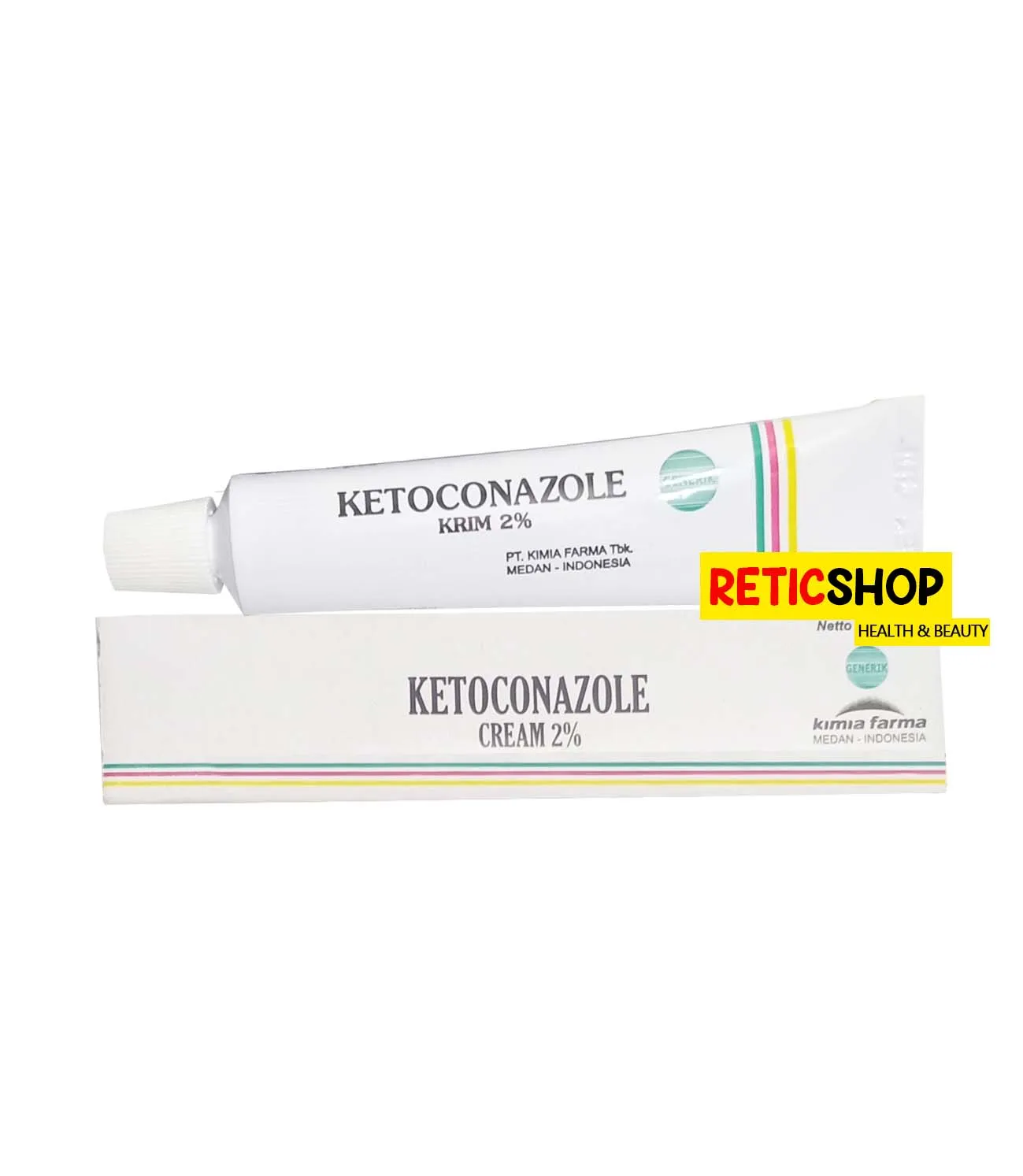
Ketoconazole cream (typically 2%) is FDA-approved for the treatment of a variety of dermatological conditions caused by susceptible fungi.
Primary Indications
- Tinea Corporis: Ringworm of the body.
- Tinea Cruris: Jock itch.
- Tinea Pedis: Athlete's foot.
- Seborrheic Dermatitis: Often managed with topical formulations to reduce Malassezia yeast colonization.
- Tinea Versicolor: Pityriasis versicolor caused by Pityrosporum orbiculare.
- Cutaneous Candidiasis: Yeast infections of the skin folds.
Dosage and Administration Guidelines
| Condition | Recommended Frequency | Typical Duration |
|---|---|---|
| Tinea Corporis | Once daily | 2–4 weeks |
| Tinea Cruris | Once daily | 2 weeks |
| Tinea Pedis | Once daily | 4–6 weeks |
| Seborrheic Dermatitis | Twice daily | 4 weeks |
| Tinea Versicolor | Once daily | 2 weeks |
Clinical Note: Patients should be instructed to apply the cream to the affected area and a small margin of healthy skin surrounding the lesion. Hands should be washed thoroughly after application to prevent cross-contamination.
Risks, Side Effects, and Contraindications
While Ketoconazole cream is generally well-tolerated, clinicians must be aware of potential adverse reactions and contraindications.
Common Side Effects
- Local Irritation: Stinging, burning, or redness at the application site.
- Pruritus: Increased itching during the first few days of treatment.
- Dermatitis: Contact dermatitis, which may necessitate discontinuation of the product.
Contraindications
- Hypersensitivity: Known allergy to Ketoconazole or any component of the cream base (e.g., stearyl alcohol, cetyl alcohol).
- Ophthalmic Use: Ketoconazole cream is strictly for topical dermatological use and should never be applied to the eyes.
Pregnancy and Lactation
- Pregnancy Category C: There are no adequate and well-controlled studies in pregnant women. Ketoconazole should be used during pregnancy only if the potential benefit justifies the potential risk to the fetus.
- Lactation: Because systemic absorption is minimal, it is unlikely that the drug is excreted in breast milk in significant quantities. However, caution is advised.
Drug Interactions
Due to the negligible systemic absorption of topical Ketoconazole, clinically significant drug-drug interactions are rare. However, patients concurrently using topical corticosteroids should be monitored, as the corticosteroid may mask the symptoms of the fungal infection or alter the local immune response.
Overdose Management
Topical overdose is unlikely given the pharmacokinetic profile. If accidental ingestion occurs, standard supportive measures (gastric lavage, symptom management) should be initiated. There is no specific antidote for Ketoconazole.
Massive FAQ: Frequently Asked Questions
1. Can I use Ketoconazole cream on my face?
Yes, it is often prescribed for seborrheic dermatitis on the face. However, avoid contact with the eyes and mucous membranes.
2. How long does it take to see results?
Most patients notice an improvement in symptoms within the first week, but full clearance may take 2 to 6 weeks depending on the severity of the infection.
3. What if I miss a dose?
Apply the missed dose as soon as you remember. If it is close to the time for your next dose, skip the missed dose and resume your regular schedule. Do not double the application.
4. Is Ketoconazole cream an antifungal or an antibiotic?
It is an antifungal medication. It does not treat bacterial infections.
5. Can I use this for acne?
No, Ketoconazole is not indicated for acne vulgaris. Using it for the wrong condition may worsen skin irritation.
6. Does it interact with oral medications?
Because topical absorption is minimal, it does not typically interact with oral medications. Always consult your physician for a full review of your current medication list.
7. Should I cover the area with a bandage after applying?
Avoid occlusive dressings (bandages or tight plastic wraps) unless specifically directed by your doctor, as this can increase systemic absorption and skin irritation.
8. Is the cream safe for children?
Safety and efficacy in pediatric patients under 12 have not been fully established. Use should be under the direct supervision of a pediatrician.
9. Why does my skin itch more after applying?
Some individuals experience transient stinging or itching upon initial application. If the sensation persists or becomes severe, stop use and consult your dermatologist.
10. Can I use it on open wounds?
No. Ketoconazole cream should not be applied to broken, blistered, or infected skin that is not fungal in origin.
Clinical Best Practices for Orthopedic Specialists
In an orthopedic setting, patients in casts or braces often develop intertriginous fungal infections due to trapped moisture and heat.
- Proactive Assessment: Regularly inspect the skin under casts for signs of maceration or fungal colonization.
- Patient Education: Instruct patients to keep the skin dry and clean before applying Ketoconazole.
- Monitoring: If the fungal infection does not resolve within the expected timeframe, consider the possibility of a secondary bacterial infection, which would require a different therapeutic approach.
Summary
Ketoconazole cream remains a gold-standard treatment for various dermatological fungal infections. Its localized action, combined with a high safety profile, makes it an essential tool for both primary care and specialized medical practitioners. By adhering to the recommended dosages and monitoring for site-specific irritation, clinicians can effectively resolve fungal complications and improve patient comfort during recovery.
Disclaimer: This guide is for educational purposes only and does not constitute medical advice. Always consult with a licensed healthcare professional for diagnosis and treatment of dermatological conditions.