
Introduction to Laxido: An Overview
Laxido is a widely prescribed osmotic laxative used primarily for the treatment of chronic constipation and fecal impaction. It belongs to a class of medications known as macrogols (polyethylene glycol 3350). Unlike stimulant laxatives that irritate the bowel lining to force movement, Laxido works by retaining water in the stool, making it softer and easier to pass.
This guide provides a comprehensive clinical overview of Laxido, designed for patients and healthcare professionals seeking detailed information on its pharmacodynamics, indications, and safety protocols.
Technical Specifications and Mechanism of Action
How Laxido Works
The efficacy of Laxido is rooted in its ability to influence the osmotic pressure within the gastrointestinal tract. The active ingredient, Macrogol 3350, is a high-molecular-weight polymer that is physiologically inert.
- Osmotic Retention: When ingested, Laxido molecules pass through the gastrointestinal tract without being absorbed significantly into the systemic circulation.
- Water Binding: Due to the hydrogen bonding properties of the macrogol molecules, they retain water within the lumen of the bowel.
- Stool Softening: The increased water content increases the volume and softens the consistency of the stool.
- Peristaltic Stimulation: The increased volume of the stool content exerts a gentle physical stretch on the bowel wall, which naturally stimulates normal propulsive motility (peristalsis).
Pharmacokinetics
- Absorption: Macrogol 3350 is poorly absorbed from the gastrointestinal tract.
- Metabolism: It does not undergo significant hepatic or systemic metabolism.
- Excretion: It is excreted virtually unchanged in the feces.
Clinical Indications and Usage
Laxido is indicated for the following conditions:
| Indication | Description |
|---|---|
| Chronic Constipation | Long-term management of irregular or difficult bowel movements. |
| Fecal Impaction | Management of severe constipation characterized by a mass of hardened stool in the rectum. |
Dosage Guidelines
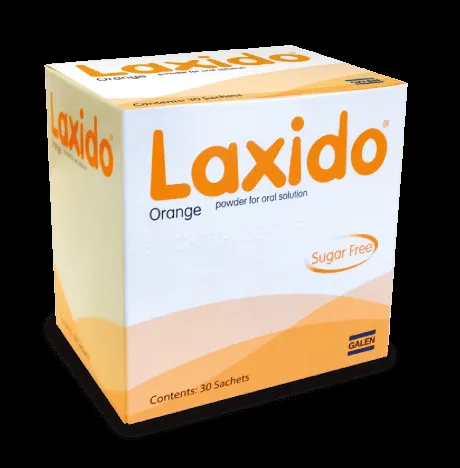
Dosage must be tailored to the individual patient’s response and the severity of the condition. Laxido is typically supplied in sachets containing 13.125g of Macrogol 3350, along with electrolytes (sodium chloride, sodium hydrogen carbonate, and potassium chloride) to prevent electrolyte imbalance.
For Chronic Constipation
- Adults/Children over 12: Generally 1 to 3 sachets daily in divided doses, depending on the severity.
- Duration: Usually taken for up to 2 weeks. If symptoms persist, medical consultation is required.
For Fecal Impaction
- Adults/Children over 12: A higher dose is required, typically 8 sachets per day. This should be taken within a 6-hour period.
- Treatment Course: This high-dose regimen should not be continued for more than 3 days.
Note: Each sachet should be dissolved in 125ml of water.
Risks, Side Effects, and Contraindications
While Laxido is generally well-tolerated, clinicians and patients should remain aware of potential adverse reactions.
Common Side Effects
- Gastrointestinal: Abdominal pain, bloating, flatulence, nausea, and mild diarrhea.
- Allergic Reactions: Rarely, patients may experience rashes, urticaria, or edema. If these occur, discontinue use immediately.
Contraindications
Laxido should not be used in patients with:
* Intestinal Perforation or Obstruction: Due to structural lesions of the gut wall.
* Ileus: Any form of paralytic ileus.
* Severe Inflammatory Bowel Disease: Including Crohn’s disease, ulcerative colitis, or toxic megacolon.
* Hypersensitivity: Known allergy to Macrogol or any of the excipients.
Pregnancy, Lactation, and Special Populations
Pregnancy and Breastfeeding
There is limited data regarding the use of Macrogol 3350 during pregnancy and lactation. However, because the absorption of the drug is negligible, it is generally considered safe. Always consult a general practitioner or obstetrician before initiating treatment while pregnant or breastfeeding.
Elderly Patients
The elderly are at a higher risk of dehydration. When taking osmotic laxatives, it is essential to ensure adequate fluid intake to prevent electrolyte disturbances.
Drug Interactions
Laxido may potentially reduce the absorption of other orally administered medications. If you are taking other essential medications (such as anti-epileptics or specific heart medications), it is recommended to take them at least two hours before or after the administration of Laxido to ensure therapeutic efficacy.
Frequently Asked Questions (FAQ)
1. How long does it take for Laxido to work?
Laxido typically begins to work within 24 to 48 hours. It is not an immediate-relief medication like stimulant laxatives.
2. Can I mix Laxido with juice?
Yes, you can dissolve the sachet in water, juice, or other beverages, provided the total volume of liquid (125ml) is consumed.
3. Is Laxido safe for long-term use?
It is generally safe for long-term use under medical supervision. However, the underlying cause of chronic constipation should always be investigated.
4. What should I do if I miss a dose?
Do not take a double dose to make up for a missed one. Simply continue with your next scheduled dose.
5. Does Laxido cause dependency?
Unlike stimulant laxatives, which can cause the bowel to become "lazy" over time, Laxido does not typically cause physiological dependency.
6. Can children take Laxido?
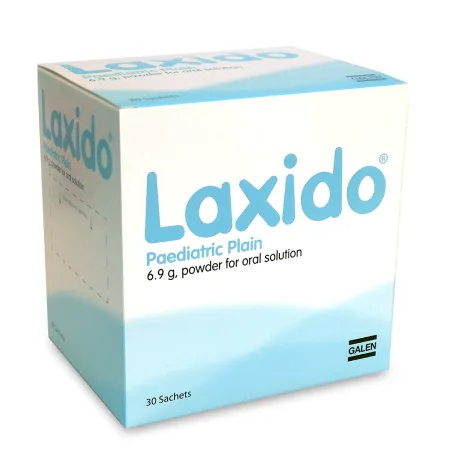
There are specific pediatric formulations of Macrogol. Always consult a pediatrician before administering adult-strength Laxido to children.
7. Why are there electrolytes in Laxido?
The electrolytes (potassium, sodium) are added to prevent the loss of essential salts from the body during the osmotic process, maintaining fluid balance.
8. What are the signs of an overdose?
Overdose may lead to severe diarrhea and dehydration. If this occurs, stop the medication and increase fluid intake. Seek medical attention if symptoms are severe.
9. Can I take Laxido while on a low-sodium diet?
Patients on a controlled sodium diet should note that each sachet contains a small amount of sodium. Consult your doctor if you are on a restricted diet.
10. Does Laxido affect the effectiveness of the contraceptive pill?
There is no evidence to suggest that Laxido interferes with the absorption of the contraceptive pill, provided it is not taken simultaneously.
Conclusion
Laxido is a highly effective, safe, and reliable treatment for constipation and fecal impaction when used correctly. Its osmotic mechanism offers a gentle approach to restoring bowel regularity without the harsh side effects associated with stimulant laxatives.
As with any medication, it is vital to maintain adequate hydration throughout the treatment period. If symptoms do not improve, or if you experience severe abdominal pain or rectal bleeding, seek professional medical advice immediately. Always read the patient information leaflet provided with your medication for the most up-to-date and specific warnings for your batch.
Disclaimer: This guide is intended for educational purposes only and does not constitute medical advice. Always consult with a qualified healthcare professional before starting or changing any medication regimen.