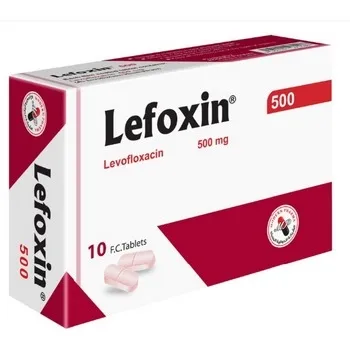

Comprehensive Guide to Lefoxin (Levofloxacin): Clinical Applications and Pharmacological Profile
Lefoxin, the brand name for the potent broad-spectrum antibiotic Levofloxacin, represents a cornerstone in the fluoroquinolone class of antimicrobial agents. As an orthopedic specialist and medical consultant, understanding the nuances of this medication is vital for managing severe bacterial infections that often complicate surgical procedures, osteomyelitis, or prosthetic joint infections. This guide provides an exhaustive clinical overview of Lefoxin, its mechanisms, and its therapeutic utility.
1. Introduction and Clinical Overview
Levofloxacin is the L-isomer of the racemic drug ofloxacin. Since its introduction, it has become a preferred choice for clinicians due to its superior bioavailability, favorable tissue penetration, and broad-spectrum activity against both Gram-positive and Gram-negative pathogens.
Lefoxin is indicated for the treatment of mild, moderate, and severe infections caused by susceptible strains of microorganisms. Its efficacy is particularly noted in respiratory, urinary, skin, and systemic infections. In the context of orthopedics, it is frequently utilized for its ability to penetrate bone tissue, making it a critical tool in the management of complex bone and joint infections.
2. Mechanism of Action and Pharmacokinetics
Mechanism of Action
Lefoxin functions as a bactericidal agent by inhibiting the bacterial enzymes DNA gyrase (topoisomerase II) and topoisomerase IV. These enzymes are essential for bacterial DNA replication, transcription, repair, and recombination.
* DNA Gyrase Inhibition: By binding to the DNA-gyrase complex, Levofloxacin prevents the supercoiling of bacterial DNA, leading to strand breakage and cell death.
* Topoisomerase IV Inhibition: This interference prevents the separation of replicated chromosomal DNA into daughter cells.
Pharmacokinetics
The pharmacokinetic profile of Lefoxin is one of its most significant clinical advantages:
* Bioavailability: Levofloxacin exhibits nearly 99% bioavailability following oral administration, allowing for seamless transition from intravenous to oral therapy.
* Distribution: It achieves high concentrations in body tissues, including the prostate, lung, and bone.
* Metabolism: It undergoes minimal hepatic metabolism and is primarily excreted unchanged in the urine.
* Half-life: The elimination half-life is approximately 6 to 8 hours in patients with normal renal function.
3. Clinical Indications and Dosage Guidelines
Lefoxin is indicated for a variety of bacterial infections. Below is a summary of standard clinical indications:
| Condition | Recommended Dosage | Typical Duration |
|---|---|---|
| Community-Acquired Pneumonia | 500 mg every 24h | 7–14 days |
| Acute Sinusitis | 500 mg every 24h | 10–14 days |
| Complicated Skin/Soft Tissue Infections | 750 mg every 24h | 7–14 days |
| Chronic Bacterial Prostatitis | 500 mg every 24h | 28 days |
| Complicated Urinary Tract Infections | 250 mg every 24h | 10 days |
| Osteomyelitis (Off-label/Specialist) | 500–750 mg every 24h | 6+ weeks |
Note: Dosage adjustments are mandatory for patients with renal impairment (CrCl < 50 mL/min).
4. Risks, Side Effects, and Contraindications
While Lefoxin is highly effective, it carries specific risks that clinicians must monitor closely.
Contraindications
- Hypersensitivity: Known allergy to Levofloxacin or other fluoroquinolones.
- History of Tendon Disorders: Due to the risk of fluoroquinolone-associated tendinopathy.
- Myasthenia Gravis: May exacerbate muscle weakness.
- Epilepsy/Seizure Disorders: May lower the seizure threshold.
Black Box Warnings
The FDA has issued warnings regarding the use of fluoroquinolones, including:
1. Tendinitis and Tendon Rupture: Risk is increased in patients over 60, those taking corticosteroids, and transplant recipients.
2. Peripheral Neuropathy: Potential for permanent nerve damage.
3. Central Nervous System Effects: Including tremors, anxiety, and insomnia.
4. QT Interval Prolongation: Caution required in patients with pre-existing cardiac arrhythmias.
Common Adverse Reactions
- Gastrointestinal: Nausea, diarrhea, vomiting.
- Dermatological: Photosensitivity (patients should avoid excessive sunlight).
- Musculoskeletal: Arthralgia and myalgia.
5. Drug Interactions and Special Populations
Important Drug Interactions
- Antacids/Multivitamins: Cations such as Aluminum, Magnesium, Iron, and Zinc significantly reduce the absorption of oral Lefoxin. Space doses by at least 2 hours.
- Warfarin: Levofloxacin can potentiate the anticoagulant effect. Monitor INR closely.
- NSAIDs: Concomitant use may increase the risk of CNS stimulation and seizures.
- Corticosteroids: Significantly increases the risk of tendon rupture.
Pregnancy and Lactation
- Pregnancy: Classified as Pregnancy Category C. It should be used only if the potential benefit justifies the potential risk to the fetus.
- Lactation: Levofloxacin is excreted in breast milk. Caution is advised, and nursing mothers should monitor the infant for diarrhea or rash.
6. Overdose Management
In the event of an acute overdose, the patient should be observed, and appropriate hydration maintained. Levofloxacin is not efficiently removed by hemodialysis or peritoneal dialysis. Standard supportive care, including gastric lavage (if early), should be implemented. ECG monitoring is recommended due to the potential for QT prolongation.
7. Frequently Asked Questions (FAQ)
1. Is Lefoxin the same as generic Levofloxacin?
Yes, Lefoxin is a brand name for the generic antibiotic Levofloxacin. They contain the same active ingredient and have the same pharmacological effects.
2. Can I take Lefoxin with food?
Lefoxin can be taken with or without food. However, it should not be taken within 2 hours of antacids, iron supplements, or multivitamins containing zinc or magnesium.
3. What should I do if I miss a dose?
Take the missed dose as soon as you remember. If it is almost time for the next dose, skip the missed dose. Do not take two doses at once.
4. Why is there a "Black Box" warning on this medication?
The warning is due to the risk of serious side effects, such as tendon rupture and peripheral neuropathy. These are rare but significant, and the FDA requires these warnings to ensure patients and doctors use the drug only when necessary.
5. How long does it take for Lefoxin to work?
Most patients begin to feel better within 48 to 72 hours. However, it is crucial to finish the entire prescribed course to prevent the development of antibiotic resistance.
6. Can Lefoxin cause sunlight sensitivity?
Yes, Lefoxin can make your skin more sensitive to the sun. Use sunscreen, wear protective clothing, and avoid tanning beds while taking this medication.
7. Is it safe for children?
Generally, fluoroquinolones are avoided in children and adolescents due to potential risks to developing cartilage, unless the benefits clearly outweigh the risks for serious infections.
8. Does Lefoxin affect birth control?
There is no strong evidence that Levofloxacin reduces the efficacy of oral contraceptives. However, always consult your physician if you have concerns.
9. Can I drink alcohol while taking Lefoxin?
While there is no direct chemical interaction, alcohol can exacerbate side effects like dizziness and fatigue, and may hinder the body's ability to recover from an infection.
10. Should I stop taking the medication if I have joint pain?
If you experience sudden pain, swelling, or inflammation in your tendons (especially the Achilles tendon), stop the medication immediately and contact your healthcare provider.
Conclusion
Lefoxin (Levofloxacin) is a powerful therapeutic tool in the modern medical arsenal. Its broad-spectrum coverage and pharmacokinetic profile make it indispensable for treating serious infections. However, its use must be tempered by a careful assessment of risks, particularly regarding musculoskeletal and neurological health. As medical professionals, we must prioritize responsible prescribing habits—ensuring that this potent medication is reserved for appropriate indications to maintain its long-term efficacy and patient safety.
Disclaimer: This guide is for educational purposes only and does not constitute medical advice. Always consult with a licensed healthcare provider before initiating or altering any medication regimen.