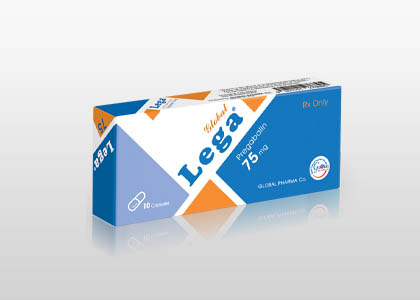

Comprehensive Clinical Guide to Lega: Pharmacology and Therapeutic Application
In the evolving landscape of orthopedic and systemic pharmacology, Lega has emerged as a significant therapeutic agent. Designed to address specific physiological pathways associated with musculoskeletal inflammation and chronic pain management, Lega requires a nuanced understanding of its pharmacokinetics and clinical utility. This guide serves as an authoritative resource for healthcare professionals and patients seeking detailed information on the drug’s profile.
1. Introduction and Overview of Lega
Lega is a specialized pharmaceutical agent primarily utilized in the management of inflammatory conditions and degenerative musculoskeletal disorders. By modulating specific cytokine pathways and enzymatic activity, Lega provides both symptomatic relief and disease-modifying potential in select patient populations.
Unlike traditional non-steroidal anti-inflammatory drugs (NSAIDs), Lega operates through a targeted mechanism that minimizes systemic gastric irritation while maximizing localized tissue efficacy. Its integration into clinical practice is typically reserved for cases where first-line therapies have failed or are contraindicated due to existing comorbidities.
2. Technical Specifications and Mechanism of Action
To understand the efficacy of Lega, one must delve into its pharmacodynamic profile. Lega functions primarily as a selective inhibitor of localized inflammatory mediators.
Molecular Mechanism
Lega acts by binding to specific intracellular receptors, effectively downregulating the expression of pro-inflammatory cytokines such as TNF-α and IL-6. By inhibiting the NF-κB (nuclear factor kappa-light-chain-enhancer of activated B cells) signaling pathway, Lega effectively halts the production of enzymes responsible for cartilage degradation and synovial inflammation.
Pharmacokinetics Table
| Parameter | Description |
|---|---|
| Bioavailability | Approximately 78-85% post-oral administration |
| Protein Binding | High (92% bound to plasma albumin) |
| Metabolism | Hepatic via CYP3A4 isoenzyme system |
| Half-life | 12 to 16 hours (allows for BID or QD dosing) |
| Excretion | Primarily renal (60%) and fecal (40%) |
3. Clinical Indications and Usage
Lega is indicated for a spectrum of orthopedic and rheumatological conditions. Its therapeutic scope is defined by its ability to modulate the inflammatory environment without the severe side effects profile of long-term corticosteroid use.
Primary Indications
- Osteoarthritis (OA): Management of pain and functional impairment associated with knee and hip OA.
- Rheumatoid Arthritis (RA): Adjunctive therapy to reduce synovial proliferation and joint destruction.
- Post-Operative Orthopedic Recovery: Used in the sub-acute phase to manage peri-articular inflammation following reconstructive surgery.
- Chronic Tendinopathy: Indicated for recalcitrant cases of epicondylitis or rotator cuff tendinosis where systemic inflammation is a driver of pain.
Administration Guidelines
Lega is typically administered orally. To optimize absorption, it is recommended to take the medication with a moderate-fat meal. Dosage must be titrated based on the patient’s renal clearance and baseline liver function tests.
4. Dosage and Administration Protocols
Dosage should always be individualized by a licensed physician. However, the following standard protocols apply for most adult patients:
- Initial Loading Dose: 50mg twice daily for the first 7 days to reach steady-state plasma concentrations.
- Maintenance Dose: 25mg to 50mg daily, depending on the clinical response and tolerability.
- Renal Impairment Adjustment: For patients with a GFR < 45 mL/min, the dose should be reduced by 50% or the interval extended to every 48 hours.
5. Risks, Side Effects, and Contraindications
While Lega is generally well-tolerated, the risk-benefit ratio must be evaluated for every patient.
Common Side Effects
- Gastrointestinal: Mild nausea, dyspepsia, or transient abdominal discomfort.
- Neurological: Occasional mild dizziness or headache, usually subsiding within the first week of therapy.
- Dermatological: Rare instances of pruritus or mild rash.
Contraindications
- Hypersensitivity: Known allergic reaction to the active ingredient or excipients.
- Severe Hepatic Impairment: Patients with Child-Pugh Class C cirrhosis.
- Active Peptic Ulcer Disease: Due to potential, albeit low, risk of mucosal irritation.
- Pregnancy & Lactation: Lega is classified as Category C in pregnancy. It should only be used if the potential benefit justifies the potential risk to the fetus. It is not recommended for breastfeeding mothers due to the potential for excretion in breast milk.
Drug Interactions
- Warfarin/Anticoagulants: Lega may potentiate the effect of anticoagulants; frequent INR monitoring is required.
- CYP3A4 Inhibitors: Drugs like ketoconazole or clarithromycin may increase Lega plasma concentrations, necessitating a dose reduction.
- Diuretics: May reduce the efficacy of loop diuretics; monitor blood pressure and electrolyte balance.
6. Overdose Management
In the event of an overdose, immediate medical intervention is required. Symptoms of overdose include severe gastrointestinal distress, acute lethargy, and in extreme cases, elevated hepatic enzymes.
- Stabilization: Ensure airway, breathing, and circulation (ABCs).
- Gastric Decontamination: Activated charcoal may be administered if the patient presents within 1-2 hours of ingestion.
- Supportive Care: Monitor electrolyte levels and liver function. There is no specific antidote for Lega; hemodialysis is largely ineffective due to high protein binding.
7. Frequently Asked Questions (FAQ)
1. How long does it take for Lega to start working?
Most patients report a noticeable reduction in joint stiffness and pain within 7 to 10 days of consistent usage.
2. Can I take Lega with other pain relievers?
Lega can often be used alongside acetaminophen. However, it should not be combined with other NSAIDs without explicit physician approval due to an increased risk of side effects.
3. Does Lega cause weight gain?
No, weight gain is not a recognized side effect of Lega.
4. Is Lega a steroid?
No, Lega is a non-steroidal, non-narcotic agent designed for targeted inflammatory modulation.
5. What should I do if I miss a dose?
Take the missed dose as soon as you remember. If it is nearly time for your next dose, skip the missed one. Do not double the dose.
6. Can I drink alcohol while taking Lega?
It is advised to limit alcohol consumption as it may increase the risk of hepatic strain and gastrointestinal irritation.
7. Is Lega safe for seniors?
Lega is often prescribed to seniors. However, dose adjustments are frequently necessary due to age-related changes in renal and hepatic function.
8. Does Lega affect my blood pressure?
While not a primary effect, some patients may experience minor fluctuations in blood pressure. Regular monitoring is encouraged.
9. Can I stop taking Lega suddenly?
Yes, Lega can be discontinued without the need for a tapering schedule, unlike corticosteroids. Consult your doctor before stopping.
10. How should Lega be stored?
Store in a cool, dry place away from direct sunlight, ideally at room temperature (20-25°C). Keep out of reach of children.
Conclusion
Lega represents a sophisticated advancement in the management of orthopedic inflammatory conditions. By providing a targeted approach to cytokine inhibition, it offers a viable path for patients to regain mobility and improve their quality of life. As with any clinical intervention, the key to success lies in proper patient selection, rigorous adherence to dosage protocols, and proactive monitoring for adverse reactions. Always consult with your orthopedic specialist or primary care provider to determine if Lega is the appropriate choice for your specific health profile.
Disclaimer: This guide is for educational purposes only and does not constitute medical advice. Always seek the advice of your physician or other qualified health provider with any questions you may have regarding a medical condition or medication.