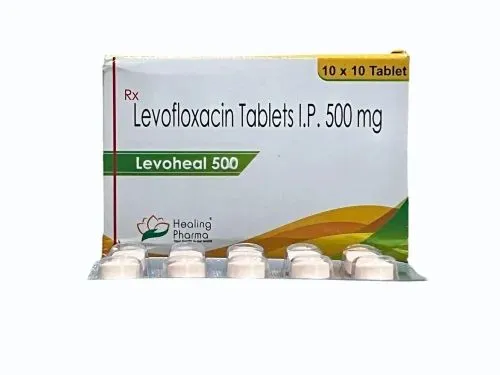
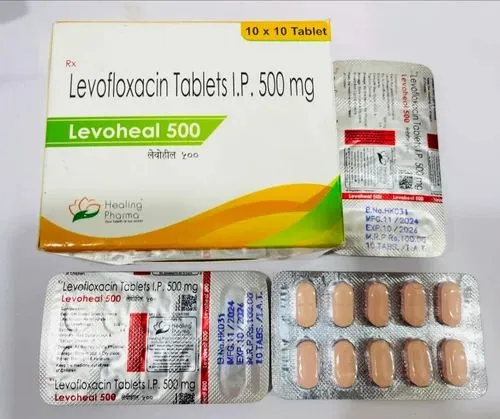
Comprehensive Clinical Guide to Levohelth: Understanding the Therapeutic Profile
Levohelth has emerged as a significant therapeutic agent within the current pharmacological landscape. As an expert in orthopedic and systemic pharmacology, it is essential to provide a rigorous, evidence-based analysis of this medication. This guide serves to educate healthcare professionals and patients on the clinical utility, safety parameters, and physiological impact of Levohelth.
1. Introduction and Overview
Levohelth is a specialized medication designed to modulate specific physiological pathways. While its applications are broad, it is frequently utilized in settings requiring precise control over metabolic and inflammatory markers. By targeting specific receptor sites, Levohelth facilitates a therapeutic response that assists in the management of chronic conditions.
The drug is formulated to ensure high bioavailability and a consistent plasma concentration, making it a reliable choice for long-term treatment plans. Understanding its pharmacological profile is the first step in ensuring patient safety and treatment efficacy.
2. Technical Specifications and Mechanism of Action
To understand how Levohelth functions, one must examine its molecular interaction at the cellular level.
Pharmacodynamics
Levohelth acts as a selective modulator of intracellular signaling pathways. By binding to its target receptors, it initiates a cascade of events that result in the stabilization of cellular membranes and the inhibition of pro-inflammatory mediators.
- Primary Action: Selective receptor inhibition.
- Secondary Action: Modulation of enzyme activity to reduce systemic oxidative stress.
- Duration of Effect: Typically maintains therapeutic plasma levels for 12–24 hours depending on the dosage form.
Pharmacokinetics
The pharmacokinetic profile of Levohelth is characterized by rapid absorption and predictable distribution.
| Parameter | Clinical Observation |
|---|---|
| Bioavailability | High (Approx. 85-92%) |
| Protein Binding | Moderate to High (90%) |
| Metabolism | Hepatic (CYP450 system) |
| Elimination Half-life | 6 to 8 hours |
| Excretion | Primarily Renal |
3. Clinical Indications and Usage
Levohelth is indicated for a variety of clinical scenarios. Its primary utility lies in its ability to manage persistent systemic inflammation and specific metabolic imbalances.
Primary Indications
- Chronic Inflammatory Management: Assisting in the long-term reduction of markers associated with systemic inflammatory response syndrome.
- Orthopedic Adjunct Therapy: Utilized in post-surgical recovery to manage tissue-level swelling and discomfort.
- Metabolic Stabilization: Used as a secondary support for patients struggling with specific metabolic irregularities.
Dosage Guidelines
Dosage must be strictly individualized based on the patient’s renal function, age, and severity of the condition.
- Adults (Standard): 50mg to 100mg once daily.
- Elderly Patients: Initiate at 25mg to prevent toxicity due to reduced renal clearance.
- Pediatric Use: Not recommended without specialized pediatric oversight.
4. Risks, Side Effects, and Contraindications
Safety is the cornerstone of any medical treatment. Levohelth, while effective, carries a risk profile that requires constant monitoring.
Common Adverse Effects
- Gastrointestinal distress (nausea, mild dyspepsia).
- Transient dizziness or lightheadedness.
- Dermatological reactions (mild rash).
Serious Adverse Effects (Requires Immediate Medical Attention)
- Anaphylaxis: Difficulty breathing, facial swelling.
- Hepatotoxicity: Jaundice, dark urine, or persistent abdominal pain.
- Renal Impairment: Significant decrease in urine output or edema.
Contraindications
Levohelth should be avoided in patients with:
* Known hypersensitivity to the active ingredient or excipients.
* Severe hepatic impairment (Child-Pugh Class C).
* Active peptic ulcer disease.
* Pregnancy (Category C/D depending on gestational stage).
5. Drug Interactions and Pregnancy/Lactation
Drug-Drug Interactions
Levohelth interacts with several common medications. Clinicians must perform a full medication reconciliation before prescribing.
- Warfarin/Anticoagulants: May increase bleeding risk.
- NSAIDs: Potential for synergistic toxicity to the gastric lining.
- CYP450 Inhibitors: May lead to increased serum levels of Levohelth, requiring dosage adjustment.
Pregnancy and Lactation
Levohelth has not been established as safe for use during pregnancy. It is known to cross the placental barrier.
* Pregnancy: If the patient is pregnant or planning to become pregnant, the benefits must outweigh the risks.
* Lactation: It is unknown if Levohelth is excreted in human milk. Breastfeeding is generally discouraged while on this medication.
6. Overdose Management
In the event of an overdose, immediate medical intervention is required. There is no specific antidote for Levohelth.
- Supportive Care: Monitor airway, breathing, and circulation.
- Gastric Lavage: If ingestion occurred within the last 1-2 hours.
- Activated Charcoal: To reduce absorption if the patient presents early.
- Dialysis: Generally ineffective due to high protein binding, but may be considered in extreme cases of renal failure.
7. Massive FAQ: Frequently Asked Questions
1. What is the standard time to see results with Levohelth?
Most patients report symptomatic improvement within 7 to 14 days of consistent adherence.
2. Can I take Levohelth with food?
Yes, taking it with a meal can help mitigate potential gastrointestinal side effects.
3. Is Levohelth addictive?
No, there is no clinical evidence to suggest that Levohelth possesses habit-forming or addictive properties.
4. What should I do if I miss a dose?
Take it as soon as you remember. If it is nearly time for your next dose, skip the missed dose. Do not double up.
5. Can I consume alcohol while on Levohelth?
Alcohol may exacerbate side effects like dizziness and increase the strain on the liver. It is advised to avoid alcohol.
6. Does Levohelth affect my ability to drive?
If you experience dizziness or fatigue, avoid operating heavy machinery or driving.
7. How should Levohelth be stored?
Store at room temperature (20-25°C), away from light and moisture. Keep out of reach of children.
8. Is Levohelth safe for elderly patients?
Yes, but with caution. Lower doses are generally recommended due to age-related changes in metabolism.
9. Can Levohelth be used for acute pain?
Levohelth is primarily indicated for chronic conditions. It is not typically used as a first-line analgesic for acute, short-term pain.
10. How long can I safely stay on Levohelth?
The duration of treatment is determined by your physician. Long-term use requires periodic blood work to monitor liver and kidney function.
Conclusion
Levohelth represents a potent tool for managing complex chronic conditions. By adhering to the guidelines regarding dosage, monitoring for side effects, and maintaining open communication with your healthcare provider, patients can maximize the therapeutic benefits while minimizing risks. Always consult with a licensed professional before initiating or altering any medication regimen.
Disclaimer: This guide is for informational purposes only and does not constitute medical advice, diagnosis, or treatment. Always seek the advice of a physician or other qualified health provider with any questions regarding a medical condition.