

Comprehensive Guide to Lidocaine: Clinical Applications and Pharmacology
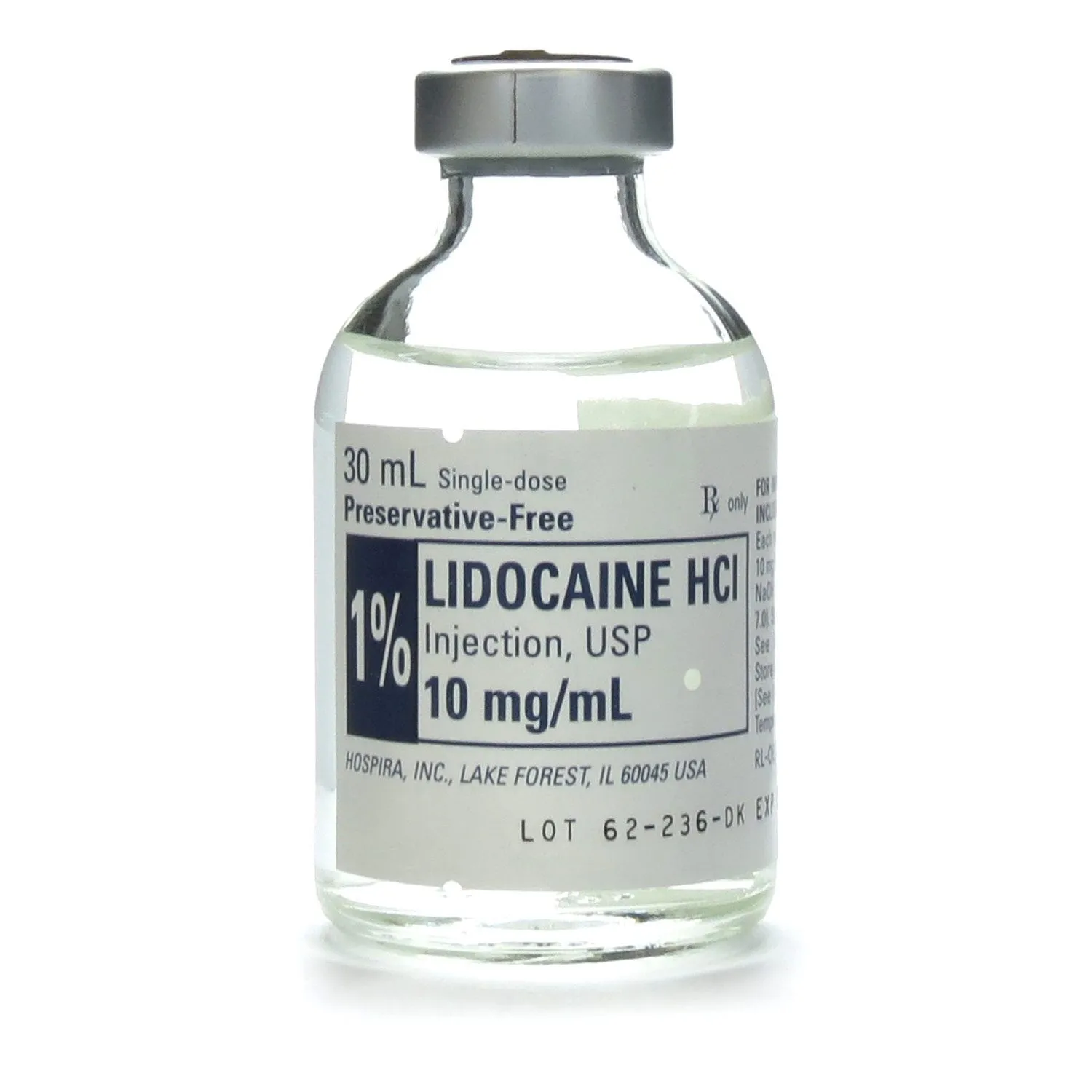
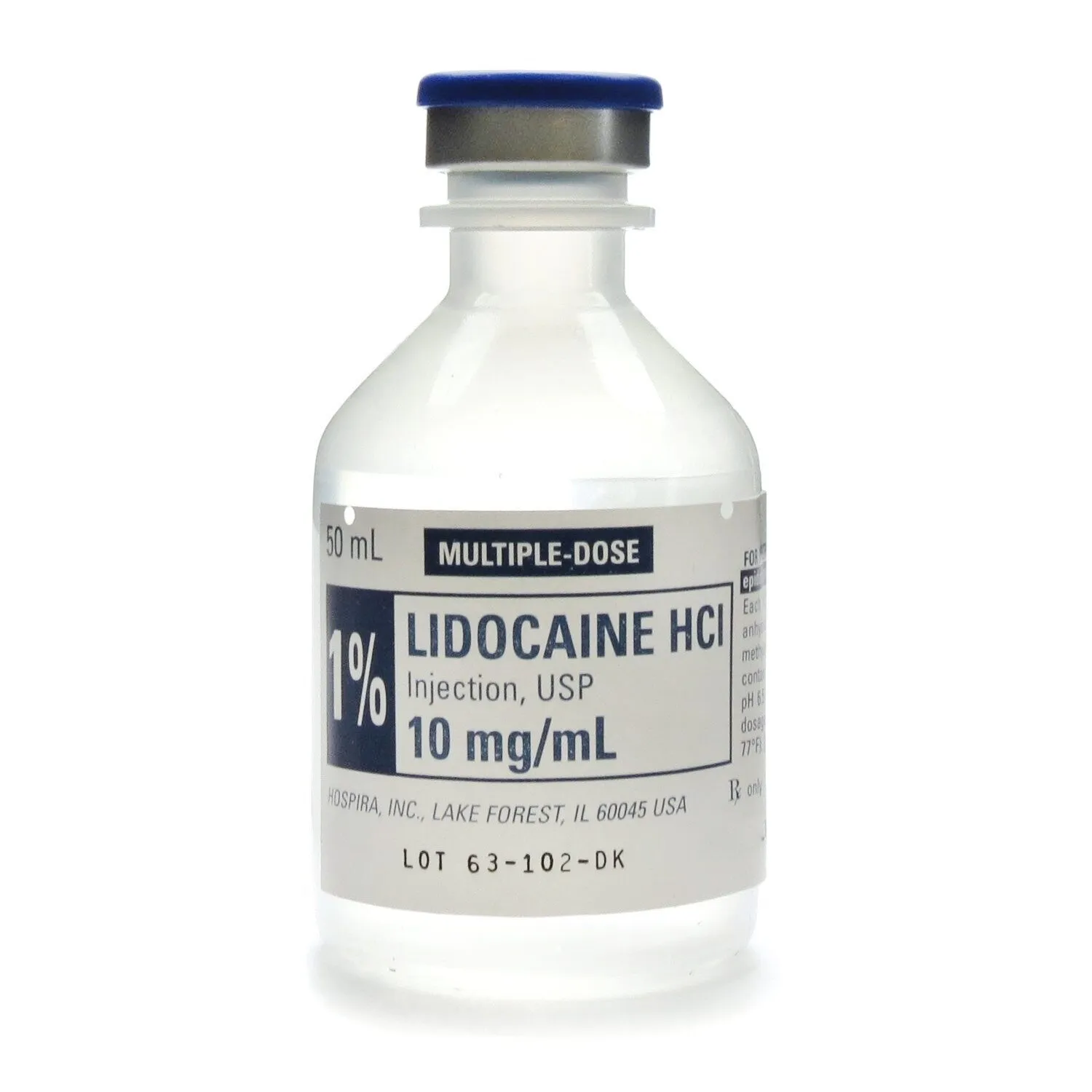
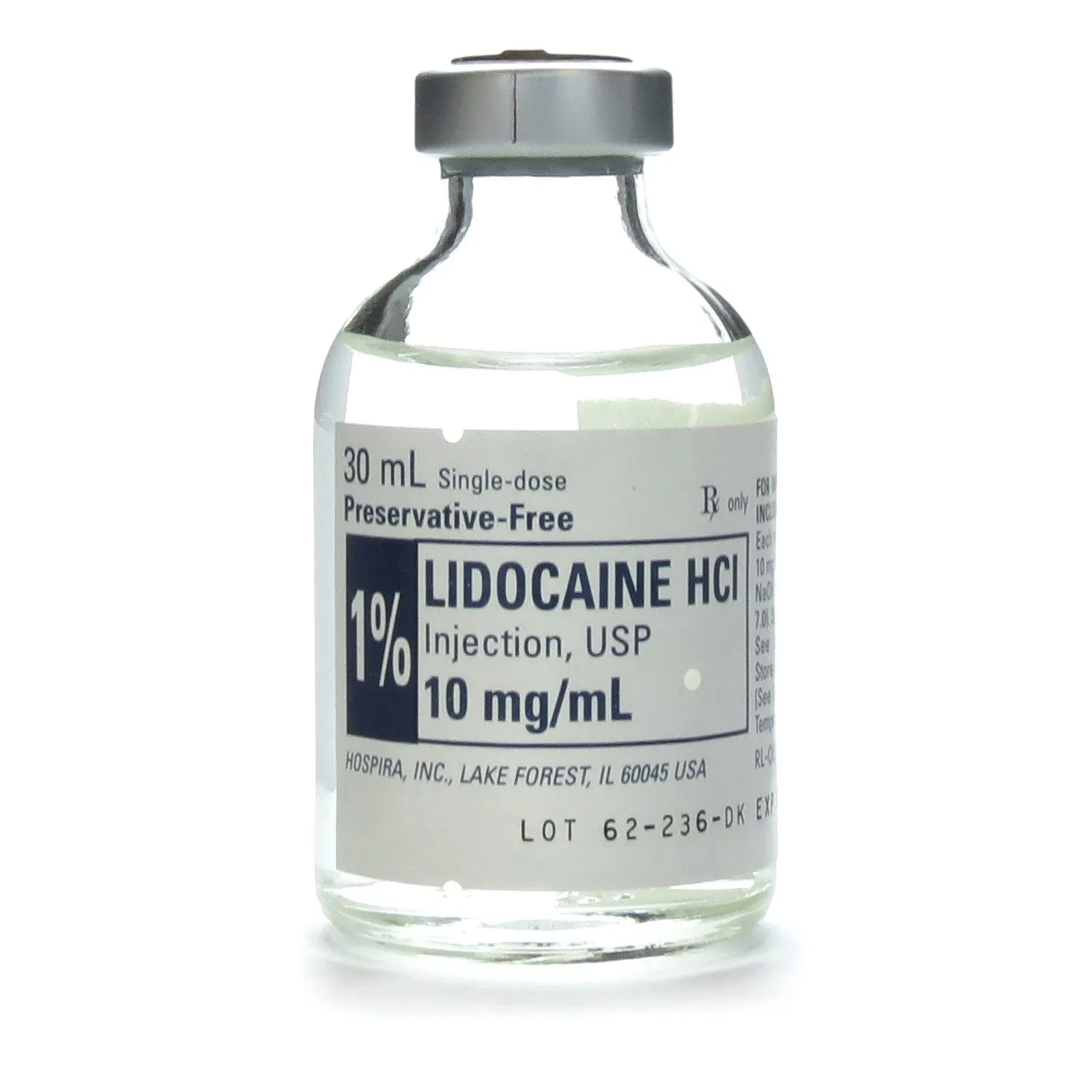
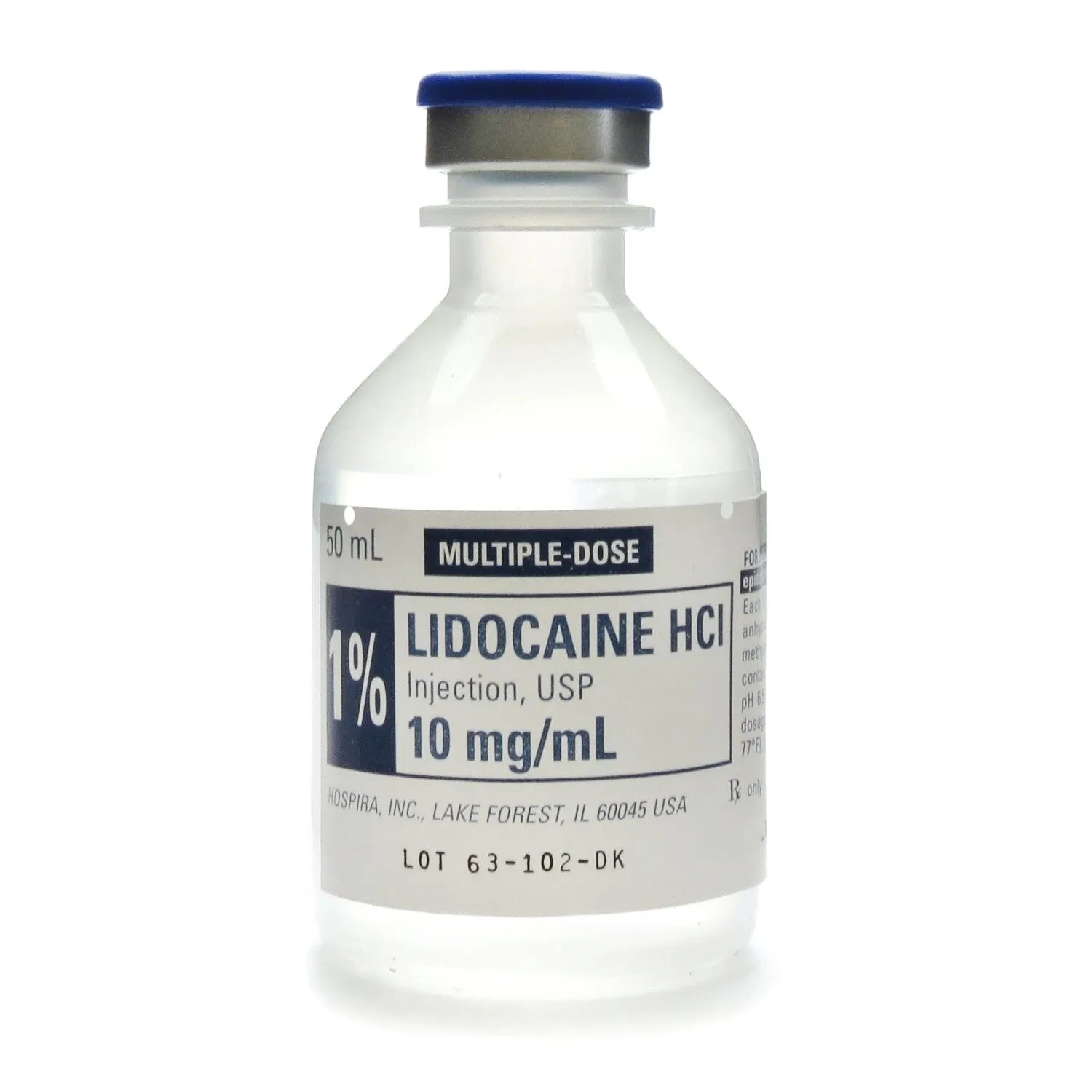
Lidocaine, a cornerstone of modern medicine, is a versatile local anesthetic and antiarrhythmic agent. Since its synthesis, it has become the gold standard for clinical procedures ranging from minor dermatological interventions to complex orthopedic surgery and emergency cardiac care. As an amide-type local anesthetic, lidocaine provides rapid onset and moderate duration of action, making it an indispensable tool for clinicians worldwide.
This guide provides an exhaustive review of lidocaine, covering its pharmacodynamics, clinical indications, dosing parameters, and safety profile.
1. Mechanism of Action
Lidocaine functions primarily by stabilizing the neuronal membrane. Understanding its molecular behavior is essential for safe clinical administration.
The Sodium Channel Blockade
Lidocaine exerts its anesthetic effect by inhibiting the voltage-gated sodium channels ($Na^+$) in the neuronal cell membrane.
- Binding: It binds to the intracellular portion of these channels.
- State-Dependence: The drug has a higher affinity for channels in the open or inactivated state.
- Effect: By blocking the influx of sodium ions, lidocaine prevents the depolarization of the nerve membrane, effectively halting the initiation and conduction of nerve impulses.
Antiarrhythmic Properties
In the context of cardiology, lidocaine is classified as a Class IB antiarrhythmic. It shortens the action potential duration and decreases the effective refractory period in the His-Purkinje system, which helps suppress ventricular arrhythmias, particularly those associated with myocardial ischemia.
2. Pharmacokinetics
The clinical efficacy of lidocaine is heavily dictated by its pharmacokinetic profile.
| Parameter | Description |
|---|---|
| Onset of Action | Rapid (1–5 minutes for infiltration) |
| Duration of Action | 60–120 minutes (varies by site and concentration) |
| Metabolism | Hepatic (via CYP1A2 and CYP3A4 enzymes) |
| Excretion | Renal (primarily as metabolites) |
| Protein Binding | 60% to 80% (primarily to alpha-1-acid glycoprotein) |
Note: The addition of epinephrine (vasoconstrictor) can prolong the duration of action by reducing systemic absorption and keeping the anesthetic localized at the injection site.
3. Clinical Indications and Usage
Lidocaine is marketed in various formulations, including topical gels, patches, subcutaneous injections, and intravenous solutions.
Common Indications:
- Local Anesthesia: Used for infiltration anesthesia, peripheral nerve blocks, and epidural/spinal anesthesia.
- Dermatology: Topical lidocaine is used for minor burns, insect bites, and pruritus.
- Orthopedics: Intra-articular injections for diagnostic or therapeutic pain relief.
- Cardiology: Management of ventricular tachycardia and ventricular fibrillation during ACLS (Advanced Cardiac Life Support) protocols.
- Dentistry: Nerve blocks for tooth extraction and dental surgery.
4. Dosage Guidelines
Dosage must be calculated based on patient weight, vascularity of the injection site, and individual tolerance.
Standard Infiltration Dosage
- Maximum Recommended Dose (Adults): 4.5 mg/kg without epinephrine; up to 7 mg/kg with epinephrine (1:200,000).
- Maximum Total Dose: Generally restricted to 300 mg for a single procedure.
Pediatric Considerations
- Dosage must be strictly weight-based.
- Avoid concentrations exceeding 1% in neonates or infants due to the risk of systemic toxicity.
5. Contraindications and Warnings
While generally safe, lidocaine poses significant risks if administered incorrectly or to susceptible patients.
Absolute Contraindications
- Hypersensitivity: Known allergy to amide-type local anesthetics.
- Heart Block: Severe sinoatrial, atrioventricular, or intraventricular heart block (in the absence of a pacemaker).
- Adams-Stokes Syndrome: Due to potential for exacerbating bradycardia.
Pregnancy and Lactation
- Pregnancy Category B: Lidocaine crosses the placental barrier. Use only if clearly indicated and at the lowest effective dose.
- Lactation: Lidocaine is excreted in breast milk in small amounts. It is generally considered compatible with breastfeeding, but clinicians should monitor the infant for signs of toxicity.
6. Risks and Side Effects
Systemic toxicity, often termed LAST (Local Anesthetic Systemic Toxicity), is a critical concern.
Signs of Toxicity
- Early CNS Symptoms: Circumoral numbness, metallic taste, tinnitus, dizziness, and agitation.
- Late CNS Symptoms: Seizures, coma, and respiratory depression.
- Cardiovascular Symptoms: Hypotension, bradycardia, arrhythmias, and cardiac arrest.
Management of Overdose/Toxicity
- Stop Administration: Immediately cease the administration of lidocaine.
- Airway/Breathing: Ensure adequate oxygenation and ventilation.
- Seizure Control: Administer benzodiazepines (e.g., Diazepam or Midazolam).
- Lipid Emulsion Therapy: For severe cardiovascular collapse, 20% lipid emulsion (Intralipid) is the gold standard antidote.
7. FAQ: Frequently Asked Questions
1. Can I use lidocaine for a skin laceration?
Yes, lidocaine is the standard for local infiltration to provide anesthesia for suturing lacerations.
2. Is lidocaine safe for children?
Yes, but the dosage must be calculated precisely by weight to avoid systemic toxicity.
3. Why is epinephrine sometimes added to lidocaine?
Epinephrine causes vasoconstriction, which keeps the lidocaine at the site longer (prolonging anesthesia) and reduces systemic absorption (lowering toxicity risk).
4. Can lidocaine cause an allergic reaction?
True lidocaine allergies are extremely rare. Most "allergic" reactions are actually vasovagal responses or reactions to the preservative (methylparaben) or epinephrine.
5. How long does lidocaine take to wear off?
Typically, local infiltration lasts 1–2 hours. The duration depends on the injection site and the presence of vasoconstrictors.
6. What is "LAST"?
LAST stands for Local Anesthetic Systemic Toxicity, a rare but life-threatening complication resulting from high blood levels of local anesthetic.
7. Can I apply topical lidocaine to open wounds?
Generally, no. Topical lidocaine should be applied to intact skin unless specifically formulated for mucosal or open-wound use, as absorption is significantly higher through compromised skin.
8. Is lidocaine used for chronic pain?
Yes, lidocaine patches (5%) are FDA-approved for the relief of pain associated with post-herpetic neuralgia.
9. What should I do if I inject too much lidocaine?
Monitor the patient closely for CNS changes. If symptoms of toxicity develop, seek emergency care immediately and prepare for ACLS support.
10. Does lidocaine interact with other medications?
Yes. Lidocaine interacts with antiarrhythmic drugs (e.g., amiodarone) and beta-blockers, which can increase the risk of cardiac toxicity. Always review the patient's medication list before administration.
Conclusion
Lidocaine remains an essential medication in the medical armamentarium. By adhering to weight-based dosing, understanding the anatomical site of administration, and remaining vigilant regarding the signs of systemic toxicity, healthcare professionals can utilize this drug effectively and safely. Always consult current institutional protocols and clinical guidelines before administering lidocaine in a specialized clinical setting.
Disclaimer: This guide is for educational purposes only and does not constitute medical advice. Always consult with a licensed physician or clinical guidelines for specific patient care decisions.