
Introduction to Linezolid: A Clinical Overview
Linezolid is a synthetic antibiotic belonging to the oxazolidinone class. Since its FDA approval in 2000, it has become a cornerstone in the treatment of serious infections caused by multidrug-resistant Gram-positive bacteria. Unlike many other antibiotics, Linezolid possesses a unique mechanism that inhibits protein synthesis at an early stage, making it highly effective against pathogens that have developed resistance to vancomycin and methicillin.
In the orthopedic and surgical fields, Linezolid is frequently utilized for managing complicated skin and soft tissue infections (cSSTI), hospital-acquired pneumonia (HAP), and specific cases of osteomyelitis where alternative therapies have failed or are contraindicated.
Mechanism of Action: How Linezolid Works
Linezolid is a bacteriostatic agent that functions by inhibiting bacterial protein synthesis. Specifically, it binds to the 50S ribosomal subunit near the interface with the 30S subunit.
The Inhibition Process
- Binding: Linezolid prevents the formation of the 70S initiation complex, which is essential for the bacterial translation process.
- Prevention: By blocking this complex, the bacteria cannot synthesize the proteins necessary for cellular growth and replication.
- Selectivity: Because Linezolid has a low affinity for mammalian ribosomes, it exhibits a favorable safety profile compared to other protein synthesis inhibitors, though it is not entirely without risk to human mitochondria.
Pharmacokinetics and Pharmacodynamics
Understanding the pharmacokinetic profile of Linezolid is essential for optimizing therapeutic outcomes, particularly in patients with renal or hepatic impairment.
| Parameter | Profile |
|---|---|
| Bioavailability | ~100% (Oral formulation is highly bioavailable) |
| Protein Binding | ~31% |
| Metabolism | Non-enzymatic oxidation (Mainly hepatic) |
| Half-life | 4.4 to 5.4 hours in adults |
| Elimination | Renal (~30%) and Non-renal (~65%) |
Clinical Indications and Usage
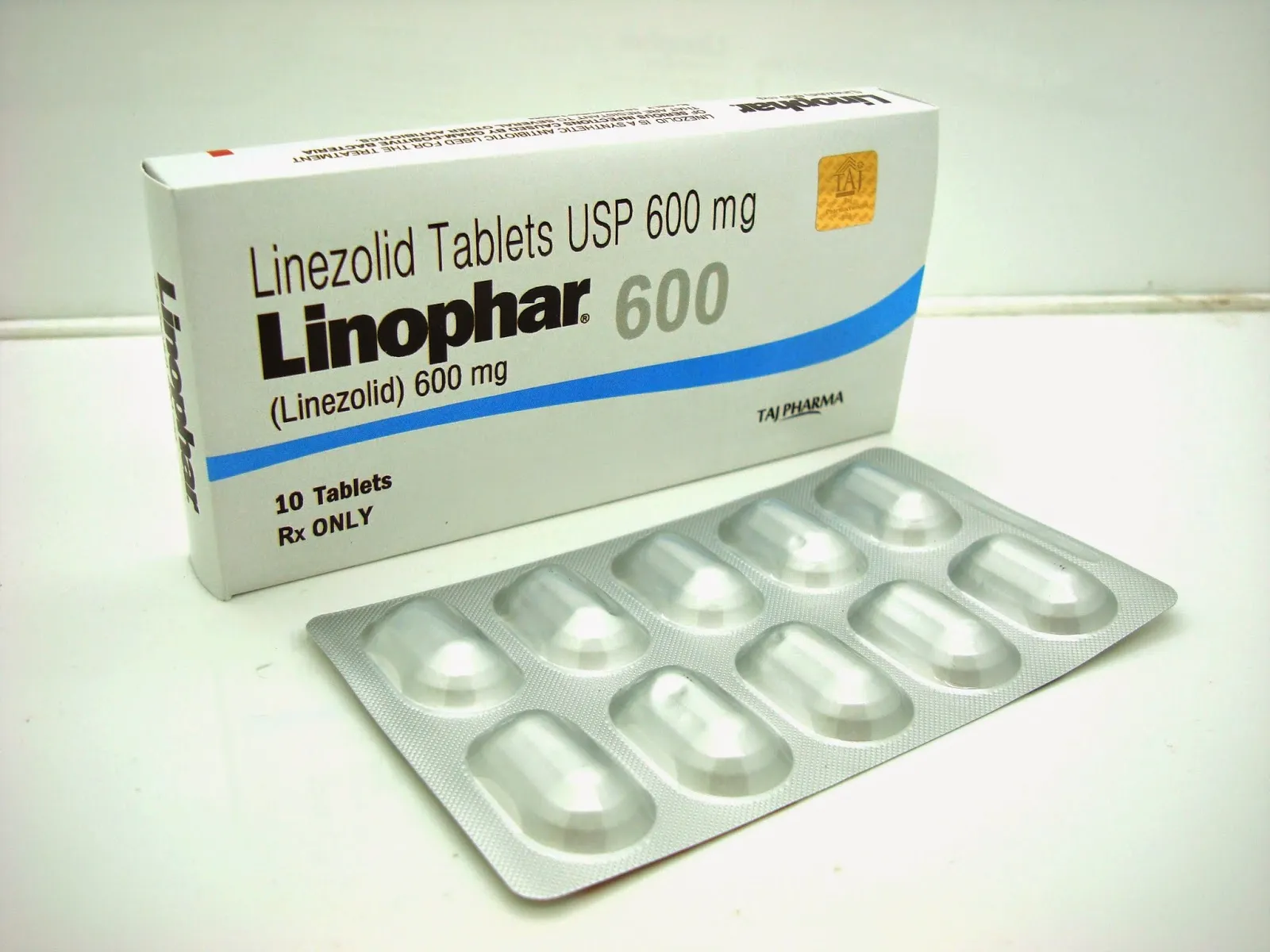
Linezolid is indicated for the treatment of infections caused by susceptible strains of specific Gram-positive microorganisms.
Key Indications
- Vancomycin-resistant Enterococcus faecium (VREF): Including cases with concurrent bacteremia.
- Nosocomial Pneumonia: Caused by Staphylococcus aureus (methicillin-susceptible and resistant strains) or Streptococcus pneumoniae.
- Complicated Skin and Soft Tissue Infections (cSSTI): Including diabetic foot infections without concomitant osteomyelitis.
- Community-acquired Pneumonia (CAP): Caused by Streptococcus pneumoniae.
Dosage Guidelines
Dosage adjustments are generally not required for patients with renal impairment, but clinical monitoring is advised as the metabolite accumulation remains poorly understood in end-stage renal disease (ESRD).
| Infection Type | Dosage | Duration |
|---|---|---|
| VREF | 600 mg IV/PO q12h | 14–28 days |
| Nosocomial Pneumonia | 600 mg IV/PO q12h | 10–14 days |
| cSSTI | 600 mg IV/PO q12h | 10–14 days |
Risks, Side Effects, and Contraindications
While highly effective, Linezolid requires careful monitoring due to the potential for serious adverse reactions, especially with prolonged use.
Hematologic Toxicity
The most significant concern with long-term Linezolid therapy (typically >14 days) is myelosuppression. This includes:
* Thrombocytopenia: A decrease in platelet count.
* Anemia: A decrease in hemoglobin levels.
* Neutropenia: A decrease in white blood cell count.
* Protocol: Weekly complete blood counts (CBC) are mandatory for patients on therapy exceeding two weeks.
Neurological and Metabolic Risks
- Peripheral Neuropathy and Optic Neuropathy: Reported primarily in patients treated for more than 28 days. Symptoms include blurred vision or tingling in extremities.
- Serotonin Syndrome: Linezolid is a reversible, non-selective inhibitor of monoamine oxidase (MAO). Co-administration with serotonergic drugs (SSRIs, SNRIs, TCAs) can precipitate life-threatening serotonin syndrome.
- Lactic Acidosis: Rare but serious; reported in patients receiving prolonged therapy.
Contraindications
- Hypersensitivity: Known history of hypersensitivity to Linezolid.
- MAO Inhibitors: Use of MAO-A or MAO-B inhibitors within 14 days of starting Linezolid.
Pregnancy and Lactation
- Pregnancy Category C: There are no adequate, well-controlled studies in pregnant women. Linezolid should be used during pregnancy only if the potential benefit justifies the potential risk to the fetus.
- Lactation: It is unknown whether Linezolid is excreted in human milk. Caution should be exercised when administered to a nursing woman.
Overdose Management
There is no specific antidote for Linezolid overdose. Treatment should be supportive. Hemodialysis may facilitate the removal of Linezolid from the body, as approximately 30% of a dose is recovered in the dialysate during a 3-hour session.
Comprehensive FAQ Section
1. Is Linezolid effective against MRSA?
Yes, Linezolid is highly effective against Methicillin-resistant Staphylococcus aureus (MRSA) and is often used as a second-line or alternative therapy when Vancomycin is ineffective or unsuitable.
2. Can I take Linezolid with food?
Yes, Linezolid can be taken with or without food. It does not significantly alter the absorption profile of the medication.
3. Why is my doctor checking my blood counts weekly?
Because prolonged use of Linezolid can lead to bone marrow suppression, specifically low platelet counts (thrombocytopenia). Weekly CBC monitoring is a safety standard to catch these changes early.
4. What should I avoid while on Linezolid?
Avoid consuming large amounts of tyramine-rich foods (aged cheeses, fermented meats, soy sauce) and refrain from taking SSRIs or other serotonergic medications to prevent serotonin syndrome.
5. Does Linezolid treat Gram-negative bacteria?
No. Linezolid is specifically active against Gram-positive bacteria. It has no clinical utility against Gram-negative organisms like E. coli or Pseudomonas.
6. What if I miss a dose of Linezolid?
Take the missed dose as soon as you remember. If it is almost time for your next dose, skip the missed dose and resume your regular schedule. Do not take two doses at once.
7. Can Linezolid be used in children?
Yes, pediatric dosing is weight-based. However, it should only be used in children when other alternatives are not suitable, and under the strict supervision of a pediatrician.
8. What are the symptoms of Serotonin Syndrome?
Symptoms include high fever, agitation, increased heart rate, shivering, sweating, dilated pupils, and muscle twitching. Seek immediate medical attention if these occur.
9. How is Linezolid administered?
It is available as an intravenous (IV) solution, an oral tablet, and an oral suspension. The IV and oral doses are interchangeable, allowing for a seamless transition to outpatient care.
10. Does Linezolid cause antibiotic resistance?
Like all antibiotics, misuse or overuse can lead to resistance. It should be reserved for confirmed infections where standard, narrow-spectrum antibiotics are not viable options.
Conclusion
Linezolid represents a vital advancement in the treatment of resistant Gram-positive infections. Its ability to provide potent, bactericidal-like efficacy in a convenient oral or IV format makes it an invaluable tool for clinicians. However, the potential for hematologic and neurological side effects necessitates diligent clinical oversight. By adhering to the recommended monitoring protocols and being mindful of drug-drug interactions, healthcare providers can maximize the therapeutic benefits of Linezolid while minimizing the risks to the patient.
Disclaimer: This guide is for educational purposes only and does not constitute medical advice. Always consult with a licensed healthcare professional or infectious disease specialist regarding the prescription or administration of antibiotic medications.