
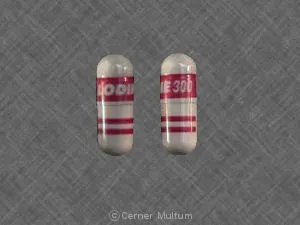
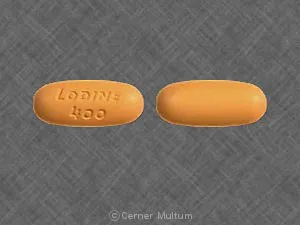

Comprehensive Overview of Lodine (Etodolac)
Lodine, known by its generic name Etodolac, is a potent nonsteroidal anti-inflammatory drug (NSAID) primarily utilized in orthopedic and rheumatological settings to manage pain and inflammation. As a pyranocarboxylic acid derivative, it offers a distinct chemical profile compared to traditional propionic acid derivatives like ibuprofen or naproxen.
In clinical practice, Lodine is frequently prescribed to patients suffering from chronic musculoskeletal conditions, post-operative pain, and various forms of arthritis. Its efficacy stems from its ability to inhibit the synthesis of prostaglandins, the primary chemical mediators responsible for pain signaling and inflammatory responses in the human body.
Mechanism of Action: The Pharmacological Deep-Dive
The therapeutic efficacy of Lodine is rooted in its ability to inhibit the cyclooxygenase (COX) enzyme system. Unlike older NSAIDs that exhibit non-selective inhibition, Etodolac possesses a degree of selectivity for the COX-2 enzyme, though it maintains activity against COX-1.
The COX Pathway Inhibition
- COX-1 Inhibition: Generally associated with the maintenance of gastric mucosal integrity and platelet aggregation.
- COX-2 Inhibition: Primarily induced during states of inflammation and pain.
By inhibiting these enzymes, Lodine prevents the conversion of arachidonic acid into prostaglandins (PGG2 and PGH2). This reduction in prostaglandin levels directly leads to:
1. Analgesic effect: Decreased sensitization of nociceptors to chemical and mechanical stimuli.
2. Anti-inflammatory effect: Reduction of vasodilation and leukocyte infiltration at the site of tissue injury.
3. Antipyretic effect: Modulation of the thermoregulatory center in the hypothalamus.
Pharmacokinetics
Understanding the movement of Lodine through the body is essential for orthopedic specialists to determine optimal dosing intervals.
| Feature | Description |
|---|---|
| Bioavailability | High (nearly 80% to 100%) |
| Protein Binding | Highly bound to serum albumin (~99%) |
| Metabolism | Hepatic metabolism via glucuronidation |
| Half-Life | Approximately 6 to 7.5 hours |
| Excretion | Predominantly renal (72%) |
Clinical Indications and Usage
Lodine is indicated for the relief of signs and symptoms of both acute and chronic inflammatory conditions.
Primary Indications
- Osteoarthritis: Management of joint pain, stiffness, and loss of function in weight-bearing joints.
- Rheumatoid Arthritis: Used for long-term symptom control in progressive autoimmune joint destruction.
- Acute Pain: Frequently utilized for short-term management of musculoskeletal injuries (e.g., sprains, strains, post-arthroscopic recovery).
Usage Guidelines
For chronic conditions, the goal is to utilize the lowest effective dose for the shortest duration necessary to minimize systemic toxicity. In post-operative orthopedic settings, Lodine is often initiated at the onset of pain, with clinical response typically observed within 30 to 60 minutes.
Dosage and Administration
The following table outlines standard adult dosing protocols. Always adjust based on renal function and patient history.
| Condition | Recommended Dosage | Maximum Daily Limit |
|---|---|---|
| Osteoarthritis/RA | 300 mg BID or 400 mg BID | 1,200 mg |
| Acute Pain | 200–400 mg every 6–8 hours | 1,000 mg |
Note: Elderly patients (over 65) should start at the lower end of the dosing spectrum due to decreased hepatic and renal clearance.
Risks, Side Effects, and Contraindications
Cardiovascular and Gastrointestinal Risks
Like all NSAIDs, Lodine carries a "black box" warning regarding an increased risk of serious cardiovascular thrombotic events (myocardial infarction and stroke) and severe gastrointestinal adverse events (bleeding, ulceration, and perforation).
Contraindications
- Known Hypersensitivity: Do not administer to patients with a history of asthma, urticaria, or allergic-type reactions to aspirin or other NSAIDs.
- Peri-operative Pain: Strictly contraindicated in the setting of coronary artery bypass graft (CABG) surgery.
- Active Peptic Ulcer Disease: Use is contraindicated due to the risk of exacerbating gastric hemorrhage.
Common Adverse Reactions
- Gastrointestinal: Dyspepsia, abdominal pain, diarrhea, nausea, and flatulence.
- Central Nervous System: Dizziness, headache, and somnolence.
- Renal: Fluid retention, edema, and elevation of serum creatinine.
Drug Interactions
Clinical caution is required when prescribing Lodine alongside the following medication classes:
- Anticoagulants (Warfarin): Increased risk of bleeding due to platelet inhibition and gastric mucosal injury.
- ACE Inhibitors/Diuretics: Reduced antihypertensive effect; potential for acute renal impairment.
- Lithium/Methotrexate: Lodine can increase plasma concentrations of these drugs, leading to toxicity.
- Corticosteroids: Significantly increases the risk of gastrointestinal ulceration.
Pregnancy and Lactation Warnings
- Pregnancy (Category C/D): Use of NSAIDs around 20 weeks gestation or later may cause rare but serious fetal kidney problems (oligohydramnios). Avoid after 30 weeks gestation due to the risk of premature closure of the ductus arteriosus.
- Lactation: It is not known whether Lodine is excreted in human milk. Caution is advised; the benefit to the mother must be weighed against the potential risk to the infant.
Overdose Management
Acute overdose of Lodine is typically managed with supportive care. There is no specific antidote.
- Gastric Decontamination: If the ingestion is recent, activated charcoal may be considered.
- Monitoring: Monitor renal and hepatic function closely.
- Symptomatic Support: Provide hydration and monitor for gastrointestinal irritation or neurological symptoms. Forced diuresis is generally ineffective due to the high protein binding of the drug.
Frequently Asked Questions (FAQ)
1. Is Lodine safer for the stomach than other NSAIDs?
Some clinical data suggests that Etodolac's relative selectivity for COX-2 may result in a lower incidence of gastric mucosal injury compared to non-selective NSAIDs like naproxen, but it is not "gastrosafe" and still carries significant GI risks.
2. Can I take Lodine with food?
Yes, taking Lodine with food or milk is highly recommended to minimize the risk of gastric upset.
3. How long does it take for Lodine to start working?
Most patients report initial pain relief within 30 to 60 minutes of the first dose.
4. Can I consume alcohol while taking Lodine?
It is strongly advised to avoid or limit alcohol consumption, as the combination significantly increases the risk of gastrointestinal bleeding.
5. Is Lodine a narcotic or opioid?
No, Lodine is a non-narcotic, non-steroidal anti-inflammatory drug. It does not possess addictive properties associated with opioids.
6. What should I do if I miss a dose?
Take the missed dose as soon as you remember. If it is nearly time for your next dose, skip the missed dose. Do not "double up" to compensate.
7. Does Lodine interact with blood pressure medication?
Yes, Lodine can cause fluid retention and increase blood pressure, potentially interfering with the efficacy of antihypertensive medications.
8. Can children take Lodine?
Lodine is generally not indicated for pediatric patients. Use in children under 18 has not been established for safety and efficacy.
9. Why is it contraindicated before surgery?
Due to its anti-platelet effects, it may increase the risk of bleeding during and after surgical procedures. Always consult your surgeon regarding pre-operative medication cessation.
10. Does Lodine cause weight gain?
Some patients may experience fluid retention, which can manifest as mild weight gain or peripheral edema. If you notice sudden swelling in your ankles or feet, contact your physician.
Disclaimer: This guide is for educational and informational purposes only and does not constitute medical advice, diagnosis, or treatment. Always seek the advice of your physician or other qualified health provider with any questions you may have regarding a medical condition or medication.