
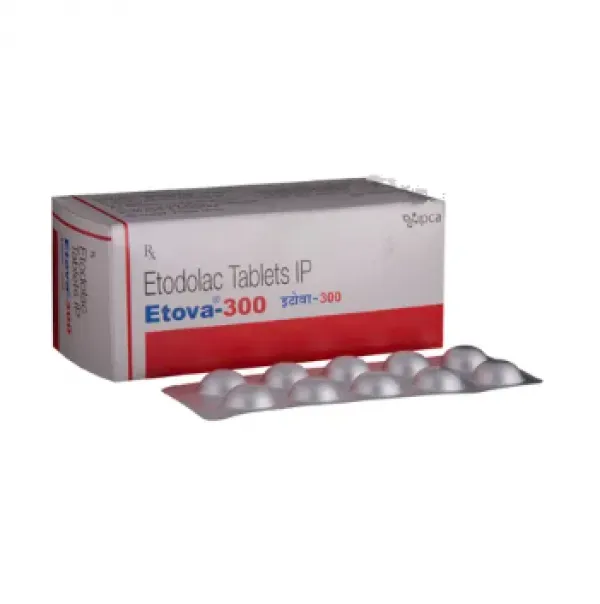


Comprehensive Guide to Lodine ER (Etodolac)
Lodine ER, the extended-release formulation of the non-steroidal anti-inflammatory drug (NSAID) etodolac, remains a cornerstone in the pharmacological management of chronic pain and inflammatory conditions. As an expert in orthopedic pharmacology, it is essential to understand that while its use has evolved with the advent of newer agents, Lodine ER provides a distinct pharmacokinetic profile that remains highly effective for specific patient populations.
This guide serves as an authoritative resource for understanding the clinical application, safety parameters, and physiological impact of Lodine ER.
1. Deep-Dive: Mechanism of Action and Pharmacokinetics
Mechanism of Action
Lodine ER functions primarily through the inhibition of the cyclooxygenase (COX) enzyme system. By non-selectively inhibiting both COX-1 and COX-2 enzymes, etodolac prevents the conversion of arachidonic acid into prostaglandins—the lipid compounds responsible for pain signaling, inflammation, and fever mediation in the body.
Unlike some traditional NSAIDs, etodolac is often noted for a slightly higher selectivity for the COX-2 enzyme at specific concentrations, which theoretically offers a balance between potent anti-inflammatory effects and a reduced gastrointestinal irritation profile, though it is still classified as a non-selective agent.
Pharmacokinetics
The "ER" in Lodine ER stands for Extended-Release. This delivery system is engineered to provide a steady-state plasma concentration, which is critical for chronic pain management.
- Absorption: Etodolac is well-absorbed following oral administration. The ER formulation slows the rate of absorption, allowing for once-daily dosing.
- Distribution: It is highly protein-bound (approximately 99%), primarily to albumin.
- Metabolism: Hepatic metabolism occurs via glucuronidation and hydroxylation.
- Excretion: It is primarily excreted through the kidneys (approximately 72%), with a small fraction appearing in the feces.
- Half-life: The elimination half-life is approximately 6 to 7 hours, but the ER matrix allows for sustained therapeutic levels over 24 hours.
2. Clinical Indications & Usage
Lodine ER is indicated for the management of the signs and symptoms of osteoarthritis and rheumatoid arthritis, as well as for the management of acute pain.
Primary Indications
| Condition | Clinical Focus |
|---|---|
| Osteoarthritis | Chronic inflammation and joint degradation management. |
| Rheumatoid Arthritis | Autoimmune-mediated systemic joint inflammation. |
| Acute Pain | Mild to moderate musculoskeletal pain relief. |
Dosage Guidelines
Dosage must be strictly individualized based on the patient's severity of symptoms and risk factors.
- Standard Adult Dose: The recommended dosage for osteoarthritis or rheumatoid arthritis is 400 mg to 1,000 mg administered once daily.
- Maximum Dose: Practitioners should not exceed 1,000 mg per day.
- Renal/Hepatic Impairment: Dosage adjustments are often required for patients with pre-existing renal or hepatic insufficiency. Always monitor creatinine clearance before initiating therapy.
3. Risks, Side Effects, and Contraindications
As with all NSAIDs, the use of Lodine ER carries inherent risks, particularly concerning cardiovascular (CV) and gastrointestinal (GI) health.
Cardiovascular Risk
NSAIDs, including etodolac, may increase the risk of serious cardiovascular thrombotic events, myocardial infarction, and stroke, which can be fatal. This risk may increase with duration of use and in patients with pre-existing cardiovascular disease.
Gastrointestinal Risk
Lodine ER can cause serious gastrointestinal adverse events, including inflammation, bleeding, ulceration, and perforation of the stomach or intestines. These events can occur at any time during use and without warning symptoms.
Contraindications
- History of Asthma: Patients with "aspirin triad" (asthma, nasal polyps, and aspirin sensitivity) should avoid Lodine ER.
- Perioperative Pain: Contraindicated for use in the setting of coronary artery bypass graft (CABG) surgery.
- Active Peptic Ulcer Disease: Use is contraindicated in patients with active GI bleeding or ulcers.
- Hypersensitivity: Known hypersensitivity to etodolac or any component of the formulation.
4. Pregnancy, Lactation, and Drug Interactions
Pregnancy and Lactation
- Pregnancy: Use of NSAIDs at 20 weeks of gestation or later may cause rare but serious fetal kidney problems leading to oligohydramnios and, in some cases, neonatal renal impairment. Avoid use after 30 weeks gestation due to the risk of premature closure of the ductus arteriosus.
- Lactation: It is not known if etodolac is excreted in human milk. Caution should be exercised when administered to a nursing woman.
Critical Drug Interactions
| Drug Class | Potential Consequence |
|---|---|
| ACE Inhibitors | Diminished antihypertensive effect; increased risk of renal impairment. |
| Diuretics | Reduced natriuretic effect; increased risk of renal failure. |
| Warfarin/Anticoagulants | Increased risk of serious GI bleeding. |
| Lithium | Increased plasma lithium levels and risk of toxicity. |
| Methotrexate | Increased risk of methotrexate toxicity due to reduced clearance. |
5. Overdose Management
Symptoms of acute NSAID overdose are typically limited to lethargy, drowsiness, nausea, vomiting, and epigastric pain. Gastrointestinal hemorrhage can occur. Hypertension, acute renal failure, and respiratory depression may occur in rare, severe cases.
Management Protocol:
1. Supportive Care: Provide symptomatic and supportive care.
2. Gastric Decontamination: If the patient presents within 4 hours of ingestion, consider activated charcoal or gastric lavage.
3. Monitoring: Monitor renal and hepatic function closely. There is no specific antidote for etodolac.
6. Frequently Asked Questions (FAQ)
1. Is Lodine ER the same as Ibuprofen?
No. While both are NSAIDs, they have different chemical structures and pharmacokinetic profiles. Lodine ER is designed for once-daily dosing, whereas traditional ibuprofen usually requires multiple daily doses.
2. Can I take Lodine ER with food?
Yes. Taking Lodine ER with food or milk can help minimize the potential for gastrointestinal upset, which is a common side effect of NSAIDs.
3. How long does it take for Lodine ER to work?
While some patients may feel relief within a few hours, it may take several days of consistent, once-daily dosing to reach the full therapeutic effect for chronic conditions like arthritis.
4. Is Lodine ER a narcotic?
No. Lodine ER is a non-steroidal anti-inflammatory drug (NSAID). It is not an opioid or a narcotic and does not carry the same risk of addiction or respiratory depression.
5. Can I drink alcohol while taking Lodine ER?
Combining alcohol with NSAIDs increases the risk of gastrointestinal bleeding and stomach irritation. It is strongly advised to limit or avoid alcohol consumption.
6. What should I do if I miss a dose?
Take the missed dose as soon as you remember. However, if it is almost time for your next dose, skip the missed dose. Do not double the dose to make up for a missed one.
7. Does Lodine ER affect kidney function?
Yes. Long-term use of any NSAID can affect renal blood flow. Patients with pre-existing kidney disease should consult their physician before starting this medication.
8. Can elderly patients take Lodine ER?
Elderly patients are at an increased risk for serious GI adverse events and renal impairment. Use with caution and at the lowest effective dose for the shortest duration.
9. Will Lodine ER show up on a drug test?
Lodine ER is not an illicit substance and will not cause a positive result for narcotics or common drugs of abuse.
10. Can I take other pain relievers with Lodine ER?
You should avoid taking other NSAIDs (like aspirin, naproxen, or ibuprofen) while taking Lodine ER, as this significantly increases the risk of side effects like stomach bleeding and kidney damage. Always consult your doctor before adding over-the-counter medications.
Disclaimer: This guide is for educational purposes only and does not constitute medical advice, diagnosis, or treatment. Always seek the advice of your physician or other qualified health provider with any questions you may have regarding a medical condition or medication.