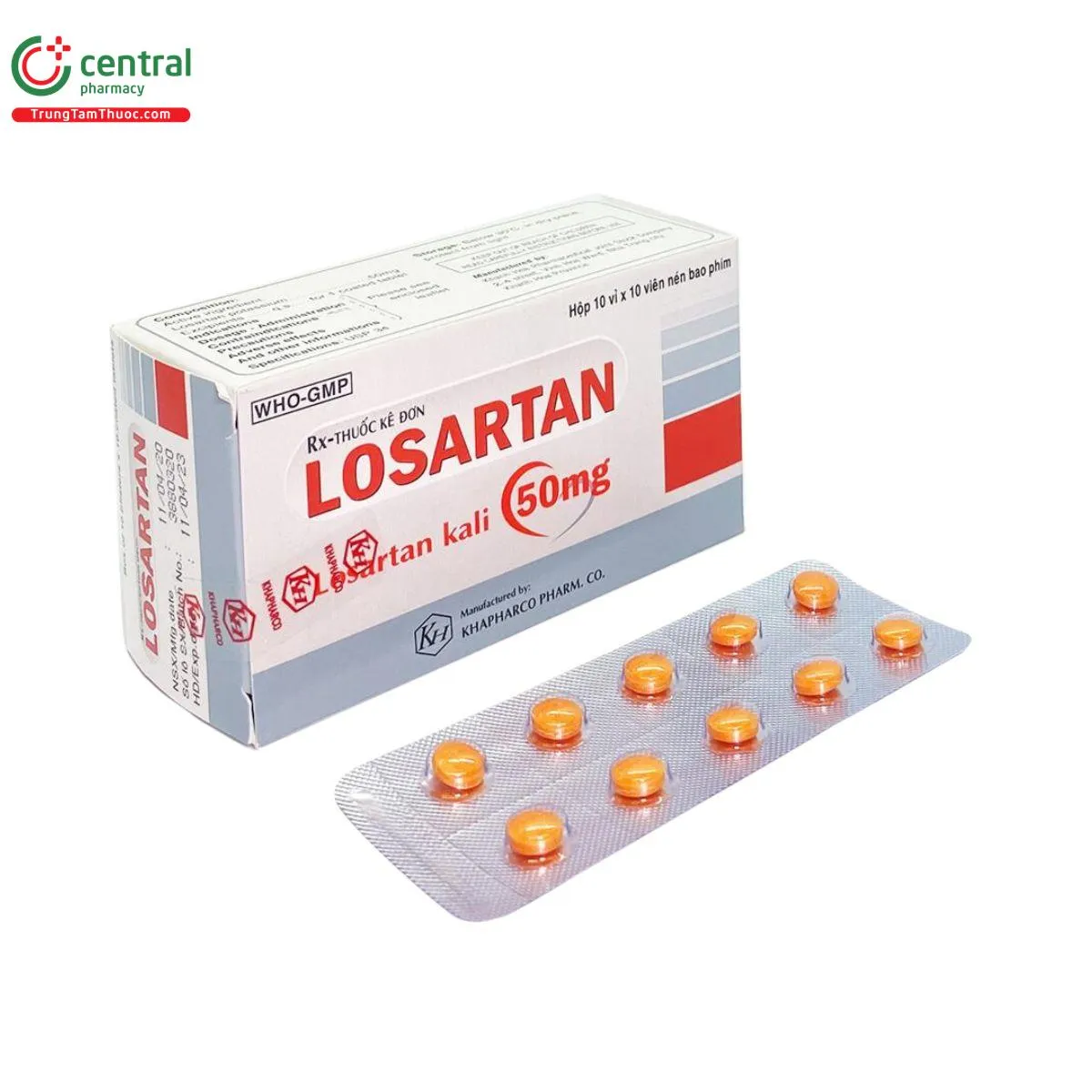
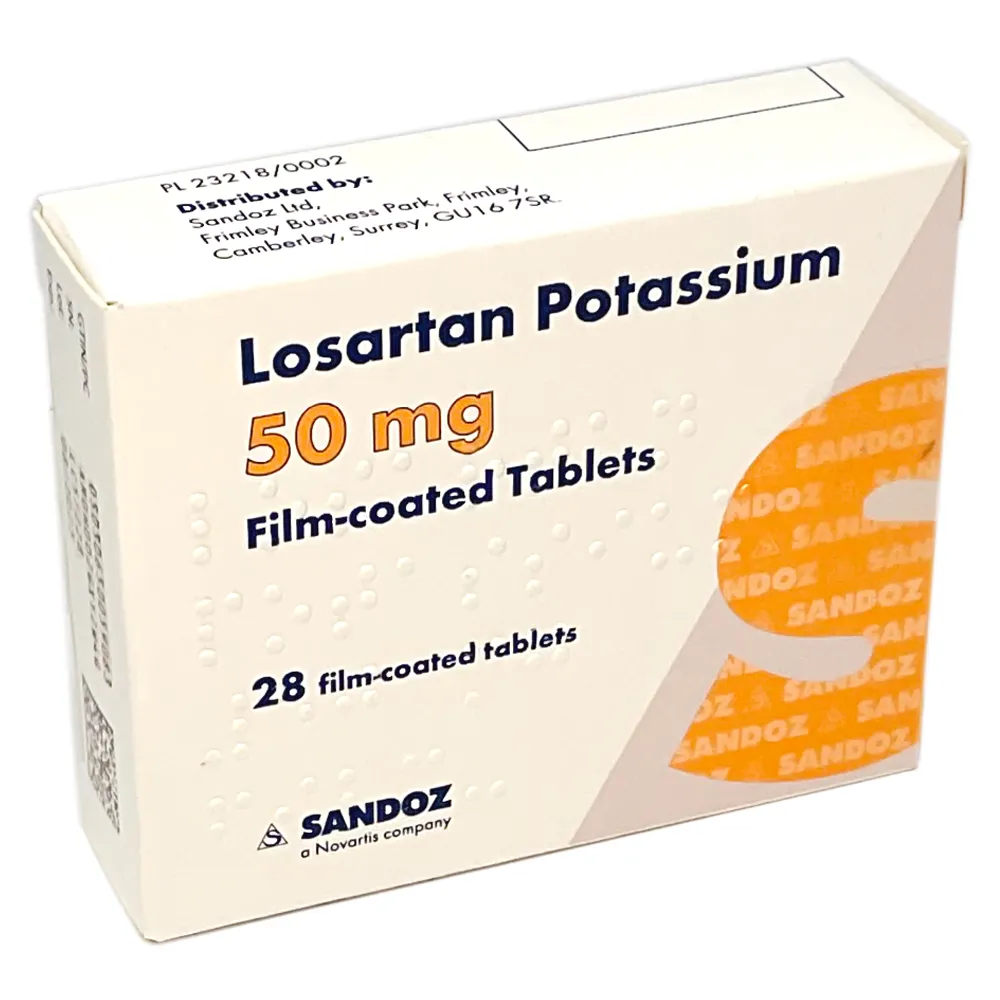
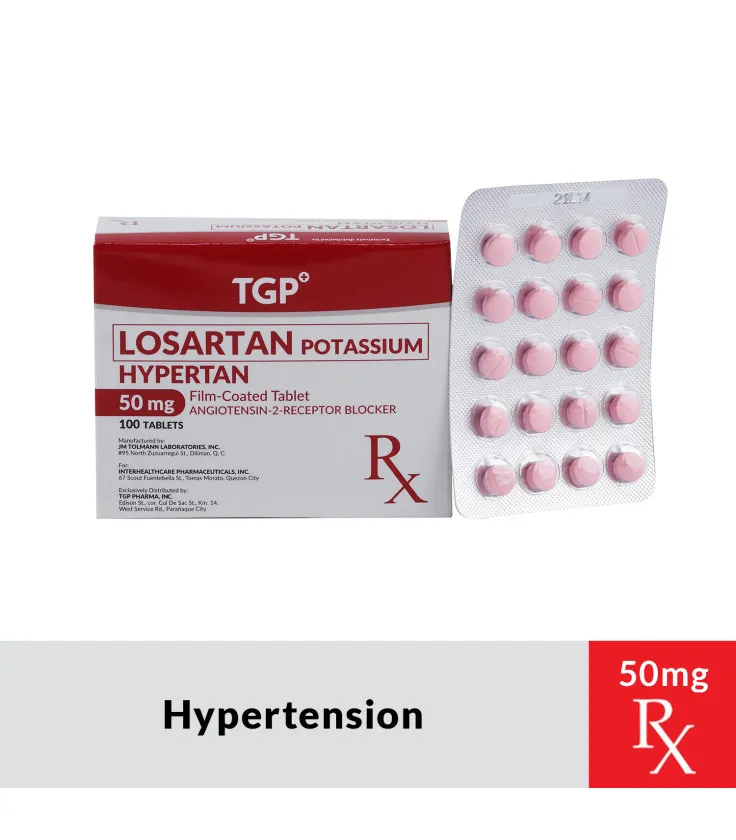

Introduction to Losartan: The Angiotensin II Receptor Blocker
Losartan, commercially known as Cozaar, represents a cornerstone in modern cardiovascular pharmacology. As an Angiotensin II Receptor Blocker (ARB), it has revolutionized the management of hypertension, diabetic nephropathy, and the reduction of stroke risk in patients with left ventricular hypertrophy. By antagonizing the renin-angiotensin-aldosterone system (RAAS), Losartan provides a potent yet well-tolerated therapeutic profile for millions of patients globally.
This guide serves as an exhaustive clinical resource for healthcare professionals, providing a granular look at the pharmacodynamics, clinical applications, and safety profiles required for effective patient management.
Technical Specifications and Mechanism of Action
To understand the efficacy of Losartan, one must examine its molecular interaction with the renin-angiotensin-aldosterone system.
Pharmacodynamics
Losartan acts as a selective, competitive antagonist of the angiotensin II receptor (specifically the AT1 receptor). Unlike ACE inhibitors, which block the formation of angiotensin II, Losartan prevents the binding of angiotensin II to the AT1 receptor, regardless of the pathway of its synthesis.
- Vasodilation: By blocking AT1 receptors, Losartan prevents vasoconstriction and aldosterone secretion.
- Aldosterone Inhibition: This leads to decreased sodium and water retention, effectively lowering blood pressure.
- Bradykinin Preservation: Unlike ACE inhibitors, Losartan does not inhibit the breakdown of bradykinin, which significantly reduces the incidence of the dry cough often associated with ACE inhibitor therapy.
Pharmacokinetics
The pharmacokinetic profile of Losartan is essential for optimizing dosing intervals.
| Parameter | Clinical Data |
|---|---|
| Bioavailability | Approximately 33% |
| Metabolism | Extensive hepatic metabolism (via CYP2C9 and CYP3A4) to an active carboxylic acid metabolite (E-3174) |
| Protein Binding | High (99% to albumin) |
| Half-life | 2 hours (parent drug); 6–9 hours (active metabolite) |
| Excretion | Renal (35%) and Fecal (60%) |
Clinical Indications and Therapeutic Usage
Losartan is indicated for several primary cardiovascular conditions. Its versatility makes it a preferred choice in both primary care and specialty cardiology settings.
1. Hypertension
Losartan is indicated for the treatment of essential hypertension. It may be used as monotherapy or in combination with other antihypertensive agents, such as thiazide diuretics (e.g., hydrochlorothiazide).
2. Diabetic Nephropathy
In patients with Type 2 diabetes and a history of hypertension, Losartan is specifically indicated to delay the progression of nephropathy. It is measured by the reduction in the rate of decline of renal function, as evidenced by serum creatinine or the development of end-stage renal disease (ESRD).
3. Stroke Risk Reduction
For patients with hypertension and left ventricular hypertrophy (LVH), Losartan has demonstrated a significant reduction in the risk of stroke. This is largely attributed to its ability to induce regression of LVH and provide sustained blood pressure control.
Standard Dosage Guidelines
Dosing must be individualized based on the patient’s clinical status and existing comorbidities.
- Hypertension: Starting dose is typically 50 mg once daily. The dose may be increased to 100 mg daily if blood pressure control is not achieved.
- Diabetic Nephropathy: Initial dose of 50 mg once daily, titrated up to 100 mg based on blood pressure response.
- Pediatric Patients (6 years and older): Initial dose is 0.7 mg/kg once daily (up to 50 mg total).
Contraindications and Safety Warnings
While Losartan is generally well-tolerated, specific clinical scenarios necessitate caution or absolute contraindication.
Absolute Contraindications
- Hypersensitivity: Known allergy to Losartan or any component of the formulation.
- Concomitant Aliskiren Use: In patients with diabetes, the use of Losartan with aliskiren is contraindicated due to the risk of hyperkalemia, hypotension, and renal impairment.
Pregnancy and Lactation Warnings
BOXED WARNING: Losartan causes fetal harm when administered to a pregnant woman. Use of drugs that act on the renin-angiotensin system during the second and third trimesters of pregnancy reduces fetal renal function and increases fetal and neonatal morbidity and death.
* Action: If pregnancy is detected, discontinue Losartan immediately.
* Lactation: It is not known whether Losartan is excreted in human milk. Due to potential adverse effects on the nursing infant, a decision should be made to discontinue nursing or the drug.
Drug Interactions
Healthcare providers must monitor for the following interactions:
1. Potassium-sparing diuretics/supplements: Risk of hyperkalemia.
2. Lithium: Losartan may increase serum lithium concentrations, increasing the risk of toxicity.
3. NSAIDs: May reduce the antihypertensive effect and increase the risk of renal failure in elderly or volume-depleted patients.
Side Effects and Adverse Reactions
Monitoring for side effects is critical for long-term adherence.
- Common: Dizziness, upper respiratory infection, back pain, and diarrhea.
- Serious: Hypotension (particularly in volume-depleted patients), hyperkalemia, and impaired renal function.
- Angioedema: Although rarer than with ACE inhibitors, angioedema (involving swelling of the face, lips, and tongue) can occur and requires immediate medical intervention.
Frequently Asked Questions (FAQ)
1. Does Losartan cause a dry cough like Lisinopril?
No. Because Losartan does not inhibit the breakdown of bradykinin, it is significantly less likely to cause the dry, persistent cough associated with ACE inhibitors.
2. Should I take Losartan with food?
Losartan can be administered with or without food. Consistency is more important for maintaining steady-state blood levels.
3. What should I do if I miss a dose?
Take the missed dose as soon as you remember. If it is almost time for your next dose, skip the missed dose. Do not take two doses at once.
4. Is Losartan considered a "blood pressure pill"?
Yes, it is an antihypertensive medication used to manage high blood pressure and protect the kidneys in diabetic patients.
5. Can Losartan be used in patients with liver disease?
Yes, but lower starting doses are recommended for patients with hepatic impairment, as the drug is extensively metabolized by the liver.
6. Does Losartan affect potassium levels?
Yes, Losartan can cause hyperkalemia (high potassium levels). Patients should have their serum potassium levels monitored periodically.
7. How long does it take for Losartan to work?
While some blood pressure reduction may be seen within a week, the full antihypertensive effect is typically achieved after 3 to 6 weeks of consistent therapy.
8. Is Losartan safe for elderly patients?
Generally, yes. However, elderly patients are more prone to hypotension and renal impairment; therefore, lower initial doses and careful monitoring are advised.
9. Can I drink alcohol while taking Losartan?
Alcohol can enhance the blood-pressure-lowering effects of Losartan, which may increase the risk of dizziness or orthostatic hypotension. Moderation is advised.
10. Does Losartan protect the heart?
Yes. Losartan is indicated for the reduction of stroke risk in patients with left ventricular hypertrophy and is often used in patients with heart failure to reduce hospitalizations.
Conclusion
Losartan remains a gold-standard therapeutic agent for the management of hypertensive and renal-related cardiovascular conditions. Its ability to block the AT1 receptor provides a robust mechanism for blood pressure regulation while minimizing the respiratory side effects common in other classes. By following the clinical guidelines outlined in this document, healthcare providers can maximize the therapeutic benefits of Losartan while mitigating risks, ultimately improving patient outcomes in the long-term management of chronic cardiovascular disease.
Disclaimer: This guide is intended for educational purposes for healthcare professionals. Always consult the latest clinical guidelines and the official prescribing information (FDA label) for the most current data.