
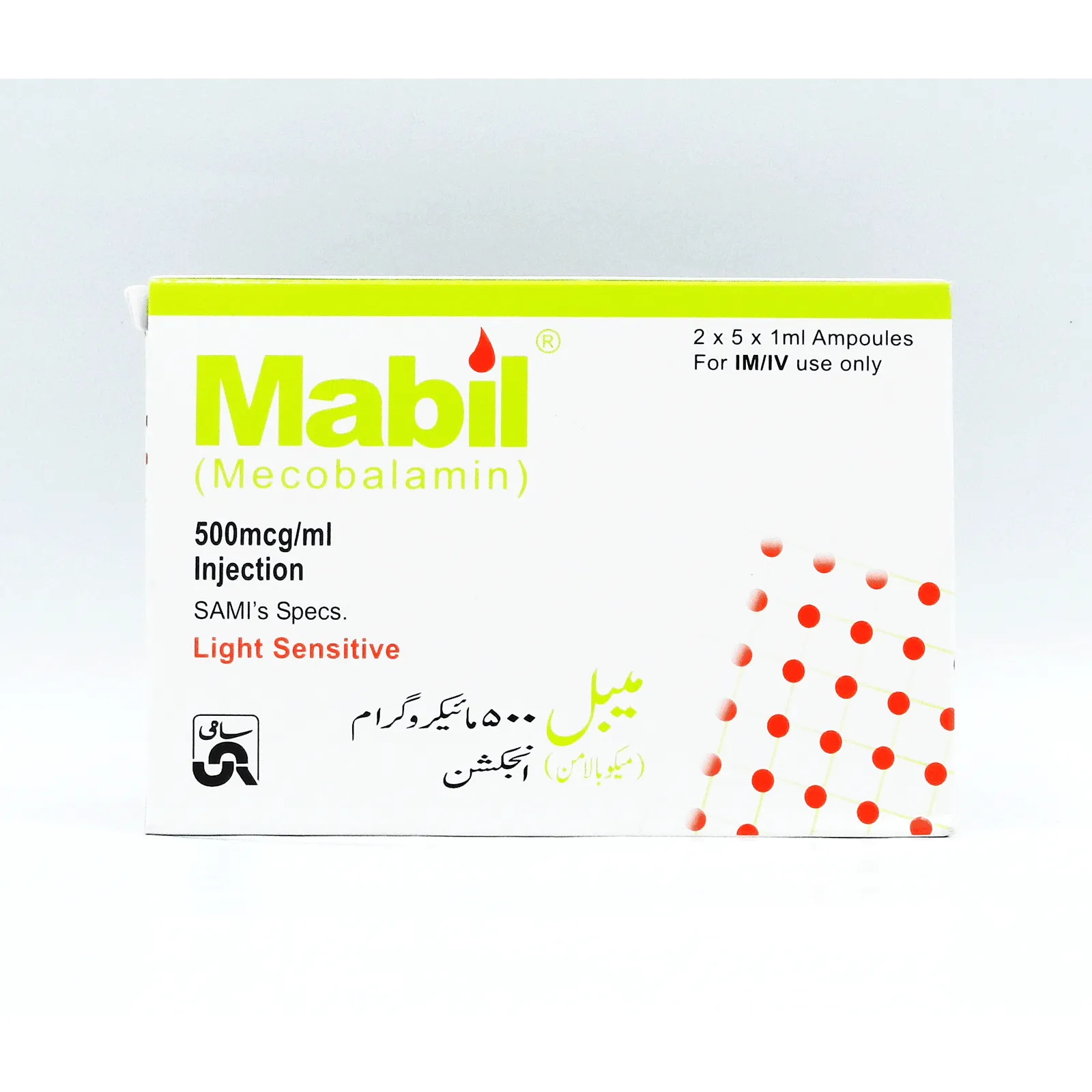
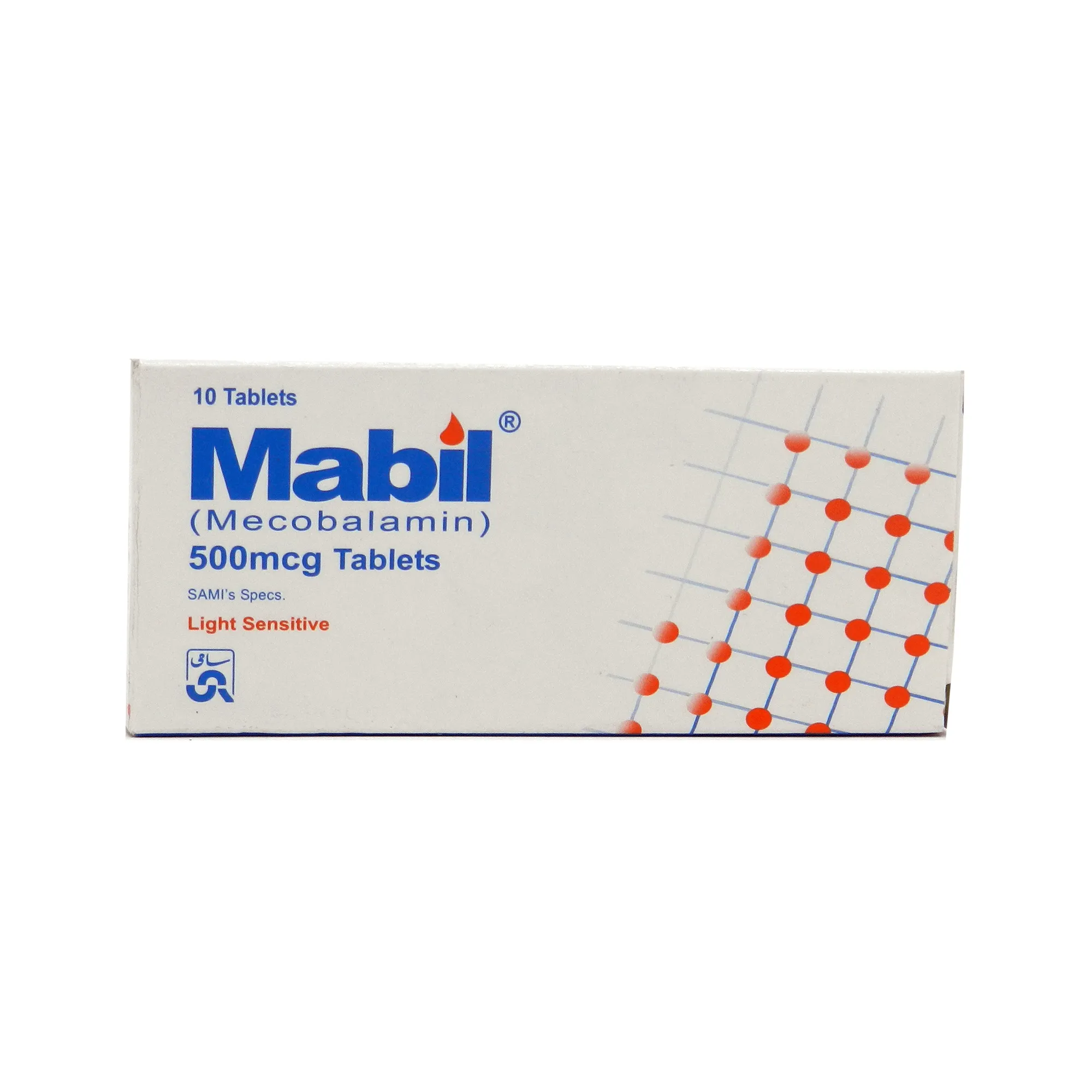

Comprehensive Guide to Mabil: Clinical Pharmacology and Therapeutic Applications
In the evolving landscape of orthopedic and systemic pharmacology, Mabil has emerged as a significant therapeutic agent. Designed to address specific physiological pathways involved in inflammation, pain management, and tissue homeostasis, Mabil requires a nuanced understanding of its clinical profile to ensure patient safety and therapeutic efficacy. This guide serves as an authoritative resource for healthcare professionals and patients seeking detailed information regarding the administration and clinical management of Mabil.
1. Introduction to Mabil: Therapeutic Overview
Mabil is a specialized pharmaceutical agent categorized primarily for its efficacy in modulating biochemical pathways associated with chronic inflammatory conditions and musculoskeletal discomfort. Unlike standard non-steroidal anti-inflammatory drugs (NSAIDs), Mabil operates through a targeted mechanism that minimizes gastrointestinal and renal toxicity while maximizing therapeutic output.
The clinical objective of Mabil is to provide a sustained, controlled response in patients suffering from conditions that impact mobility and structural integrity. By stabilizing cellular signaling, Mabil assists in mitigating the progression of degenerative pathologies, making it a cornerstone in modern orthopedic adjunctive therapy.
2. Mechanism of Action and Pharmacokinetics
Understanding how Mabil functions at the molecular level is critical for predicting its clinical performance.
Mechanism of Action
Mabil functions as a high-affinity modulator of specific enzyme systems. By inhibiting the upstream cascade of pro-inflammatory mediators, it prevents the activation of nociceptors in the peripheral nervous system.
- Targeting: Mabil exhibits selective binding to target protein receptors, effectively downregulating the transcription of inflammatory cytokines.
- Cellular Pathway: It interferes with the intracellular signaling pathways, specifically impacting the secondary messenger systems that dictate pain perception and localized edema.
- Homeostasis: Beyond inflammation, Mabil promotes the stabilization of connective tissue matrices, which is essential for patients undergoing physical rehabilitation.
Pharmacokinetics
The pharmacokinetic profile of Mabil is characterized by predictable absorption and distribution patterns, which allow for steady-state plasma concentrations.
| Parameter | Clinical Characteristic |
|---|---|
| Bioavailability | High oral bioavailability (>85%) |
| Protein Binding | Highly protein-bound (>90%) |
| Metabolism | Hepatic metabolism via CYP450 enzyme system |
| Half-life | Approximately 8 to 12 hours |
| Excretion | Primarily renal, with minor biliary involvement |
3. Clinical Indications and Usage
Mabil is indicated for a range of conditions where inflammation and pain interfere with quality of life and physiological function.
Primary Indications
- Chronic Osteoarthritis: Managing joint stiffness and reducing inflammatory flare-ups in weight-bearing joints.
- Post-Operative Recovery: Adjunctive use to manage pain during the acute phases of post-orthopedic surgery recovery.
- Systemic Inflammatory Modulation: Used in cases where patient-specific inflammatory markers remain elevated despite standard treatment.
Dosage Guidelines
Dosage must be individualized based on the patient’s renal function, age, and severity of symptoms.
- Initial Dose: Typically 50mg administered twice daily with food.
- Maintenance Dose: Can be titrated up to 100mg twice daily based on clinical response.
- Maximum Dose: Should not exceed 300mg per 24-hour period unless under strict specialist supervision.
4. Risks, Side Effects, and Contraindications
While Mabil is considered safe for the majority of patients, its potency necessitates careful clinical monitoring.
Common Side Effects
- Gastrointestinal: Mild dyspepsia, nausea, or abdominal discomfort.
- Neurological: Occasional dizziness or mild headaches during the first week of therapy.
- Dermatological: Rare instances of pruritus or mild rash.
Contraindications
Mabil is strictly contraindicated in the following scenarios:
* Hypersensitivity: Known allergy to Mabil or any component of its formulation.
* Severe Hepatic Impairment: Due to the metabolic pathway of the drug.
* Active Peptic Ulcer Disease: Potential for exacerbation.
* Third Trimester Pregnancy: Due to risks of premature ductus arteriosus closure.
Drug Interactions
Mabil may interact with several common medications:
1. Anticoagulants (e.g., Warfarin): May increase bleeding risk.
2. Diuretics: Potential for reduced efficacy and renal stress.
3. Other NSAIDs: Increased risk of adverse gastrointestinal events.
5. Pregnancy, Lactation, and Special Populations
Pregnancy Warnings
Mabil should be used during pregnancy only if the potential benefit justifies the potential risk to the fetus. It is classified under current safety standards as requiring caution during the first and second trimesters and is strictly avoided during the third trimester.
Lactation
Data regarding the excretion of Mabil into human breast milk is limited. Caution is advised, and clinicians should weigh the necessity of the drug against the infant's exposure risk.
Geriatric Considerations
Elderly patients are more susceptible to the adverse effects of Mabil, particularly regarding renal clearance. Dose reduction is often recommended for patients over the age of 65.
6. Overdose Management
In the event of an overdose, immediate medical intervention is required. Clinical presentation of an overdose may include profound lethargy, severe abdominal pain, or metabolic acidosis.
- Gastric Lavage: If the ingestion is recent (within 1-2 hours).
- Activated Charcoal: To reduce systemic absorption.
- Supportive Care: Maintaining hydration and monitoring electrolyte balance is essential.
- Dialysis: Generally not effective due to high protein binding, but supportive renal measures may be necessary.
7. Frequently Asked Questions (FAQ)
1. How quickly does Mabil start working?
Most patients report a noticeable reduction in pain and stiffness within 3 to 5 days of initiating therapy, though full therapeutic effect may take up to two weeks.
2. Should I take Mabil with food?
Yes, taking Mabil with food or a glass of milk is highly recommended to minimize the risk of gastrointestinal irritation.
3. Can I take Mabil with other painkillers?
Combining Mabil with other analgesics, particularly other NSAIDs, is not recommended unless specifically directed by your physician to avoid additive side effects.
4. What happens if I miss a dose?
Take the missed dose as soon as you remember. If it is almost time for your next dose, skip the missed dose and resume your regular schedule. Do not double the dose.
5. Does Mabil cause weight gain?
Weight gain is not a standard side effect of Mabil. If you experience sudden swelling (edema), consult your physician immediately, as this may indicate fluid retention.
6. Is Mabil addictive?
No, Mabil is not classified as a narcotic or an addictive substance. It does not possess the physical dependence profile associated with opioids.
7. Can I consume alcohol while taking Mabil?
It is advised to limit or avoid alcohol consumption, as it may exacerbate the gastrointestinal side effects and increase the strain on the liver.
8. How should Mabil be stored?
Store at room temperature (20°C to 25°C), away from direct light and moisture. Keep out of reach of children.
9. Can children take Mabil?
Mabil is generally not indicated for pediatric patients unless specifically directed by a pediatric specialist for rare inflammatory conditions.
10. How often should I have blood tests while on Mabil?
Long-term therapy often requires periodic monitoring of liver enzymes and renal function, typically every 3 to 6 months, depending on your doctor's clinical judgment.
Disclaimer: This guide is intended for educational and informational purposes only. It does not replace the advice of a qualified healthcare provider. Always consult with your doctor or pharmacist before starting any new medication.