
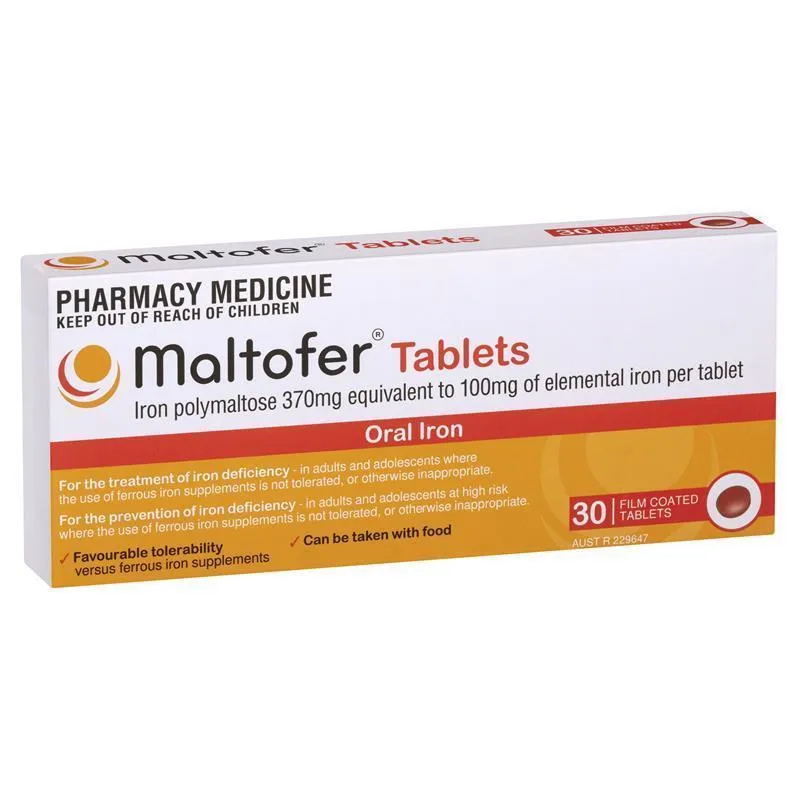
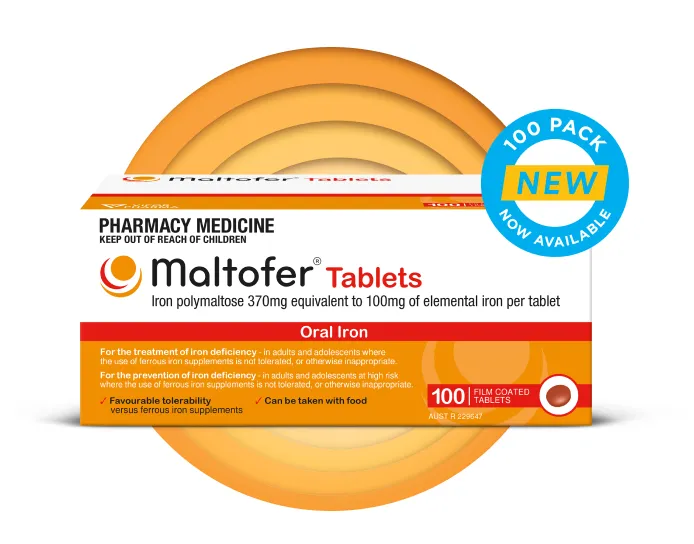

Comprehensive Overview of Maltofer
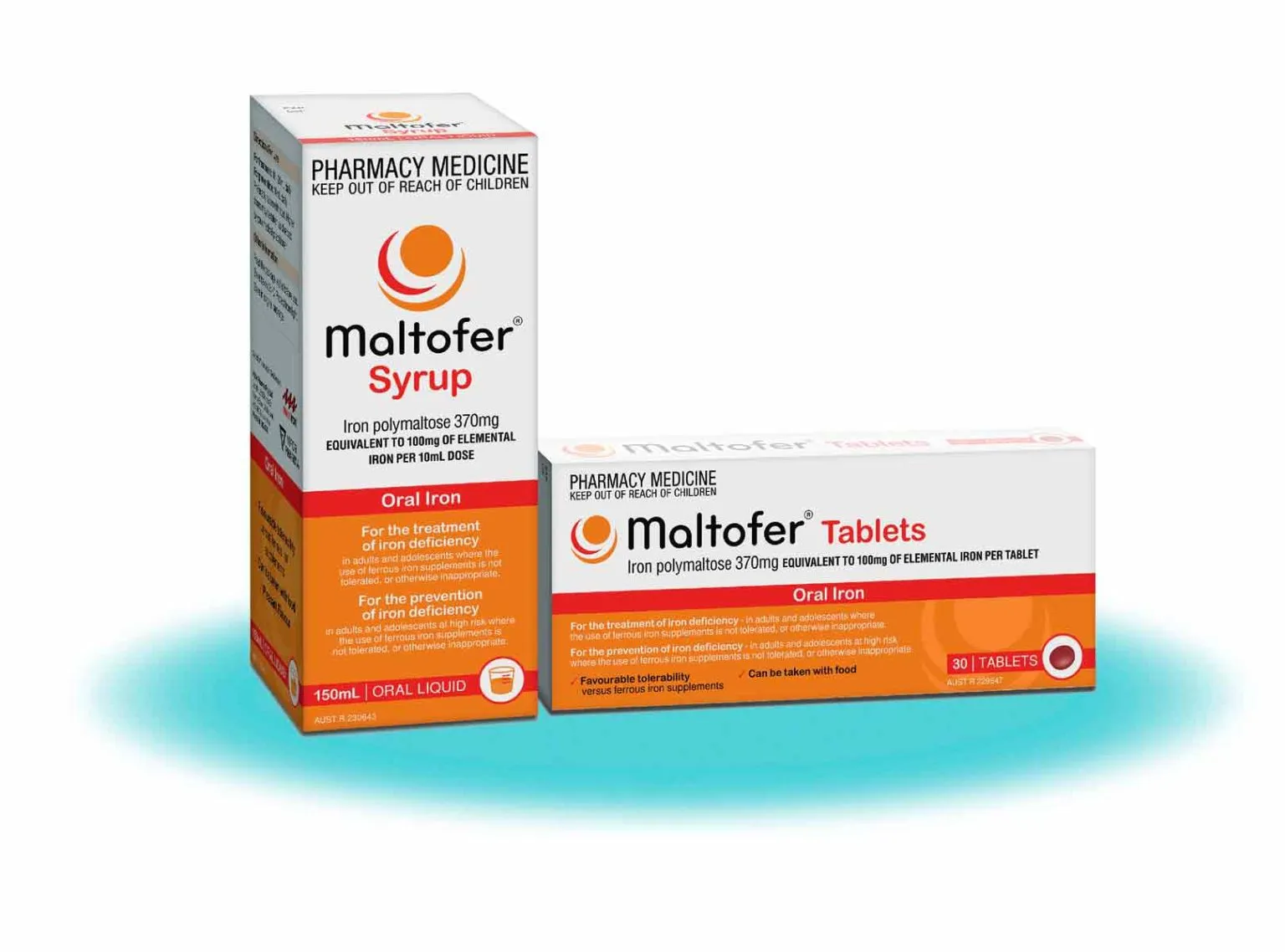
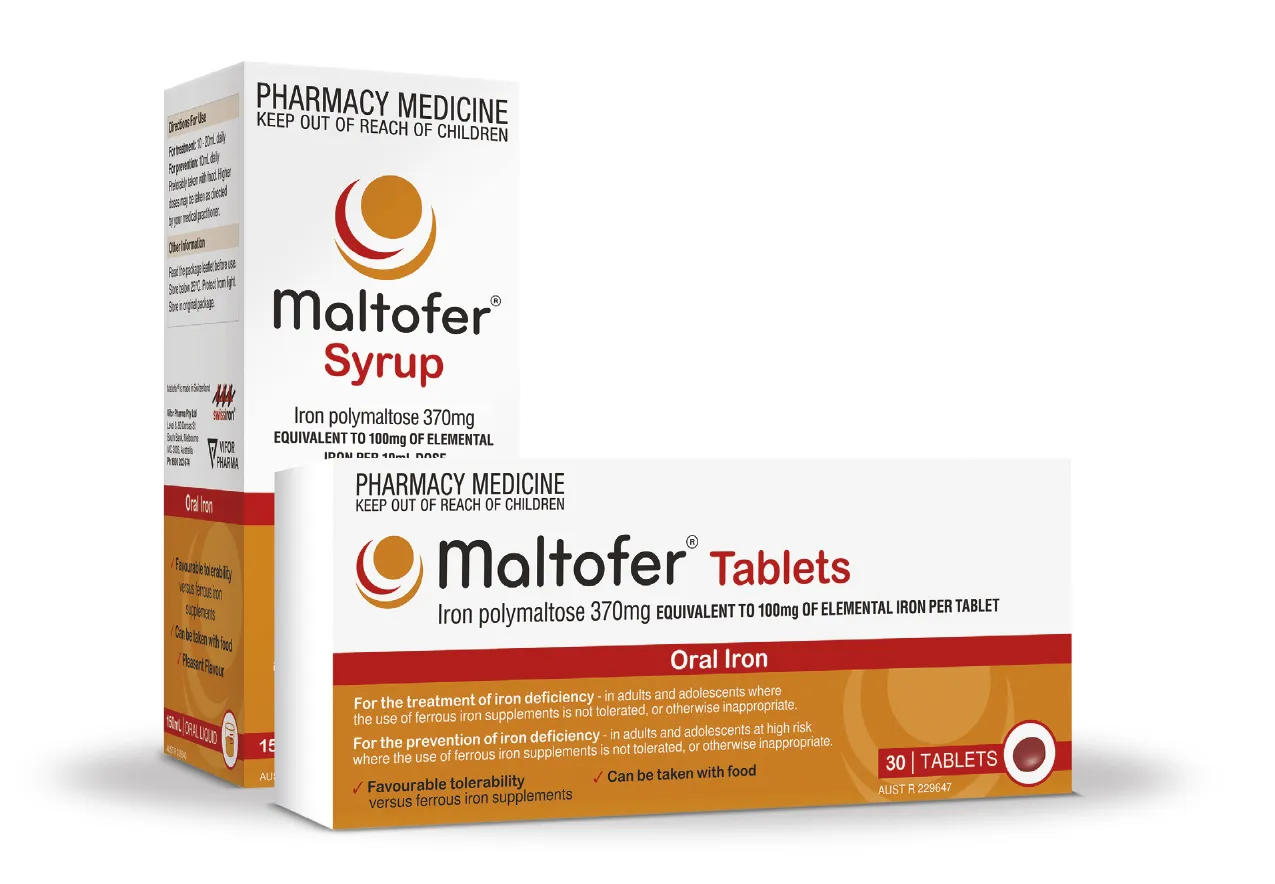
Maltofer is a specialized iron supplement containing iron polymaltose complex (IPC). Unlike traditional ferrous salts (such as ferrous sulfate or ferrous fumarate), which contain iron in the ionic form, Maltofer provides iron in a non-ionic, macromolecular complex. This fundamental difference in chemical structure significantly influences its pharmacokinetic profile, tolerability, and clinical application in the treatment of iron deficiency anemia (IDA) and latent iron deficiency.
In the orthopedic and surgical context, iron management is critical. Patients undergoing elective orthopedic procedures, such as total hip or knee arthroplasty, often present with preoperative anemia. Correcting this deficiency is paramount to reducing the likelihood of perioperative blood transfusions and improving postoperative recovery times. Maltofer is frequently preferred in these clinical settings due to its superior gastrointestinal (GI) tolerability profile compared to ionic iron preparations.
Deep-Dive: Mechanism of Action and Pharmacokinetics
The Non-Ionic Advantage
The primary mechanism of Maltofer involves the iron polymaltose complex, which is a stable, polynuclear iron(III)-hydroxide in a non-covalent complex with partially hydrolyzed dextrin (polymaltose). Because the iron is bound within this complex, it does not undergo the same oxidative reactions as ionic iron in the gastrointestinal tract.
- Controlled Release: The complex is absorbed via a process known as "active absorption" in the small intestine. Because it is non-ionic, it does not release free iron ions into the gut lumen, which is the primary cause of the oxidative stress and mucosal irritation associated with ferrous salts.
- Stable Structure: The iron(III) core is protected by the polymaltose shell, preventing the iron from interacting with food components (such as tannins or phytates) or medications that typically inhibit iron absorption.
- Iron Utilization: Once absorbed, the iron is transported to the bone marrow and other organs where it is incorporated into hemoglobin, myoglobin, and iron-containing enzymes.
Pharmacokinetics
- Absorption: Iron absorption from IPC is regulated by the body’s iron status. In patients with iron deficiency, the expression of divalent metal transporter 1 (DMT1) and other uptake mechanisms is upregulated, facilitating efficient absorption.
- Bioavailability: While the absorption rate of IPC is slightly lower than that of high-dose ferrous salts, its superior safety profile allows for better patient compliance, which ultimately leads to more consistent therapeutic outcomes over the course of treatment.
- Elimination: Unabsorbed iron is excreted primarily through the feces. Because the complex is stable, there is a significantly lower risk of systemic iron overload compared to parenteral iron administration if taken as directed.
Clinical Indications and Therapeutic Usage
Maltofer is indicated for the treatment of iron deficiency in adults and children where the use of ferrous supplements is inappropriate or not tolerated.
| Clinical Condition | Application Context |
|---|---|
| Iron Deficiency Anemia (IDA) | Treatment of symptomatic anemia with confirmed low ferritin. |
| Latent Iron Deficiency | Prophylactic use for high-risk groups (e.g., athletes, pregnant women). |
| Preoperative Optimization | Increasing hemoglobin levels before orthopedic surgery. |
| Post-Surgical Recovery | Management of anemia following blood loss in major surgery. |
| Chronic Disease Anemia | Management of iron stores in patients with inflammatory conditions. |
Dosage Guidelines
Dosage is highly individualized based on the severity of the deficiency and the patient's hemoglobin levels.
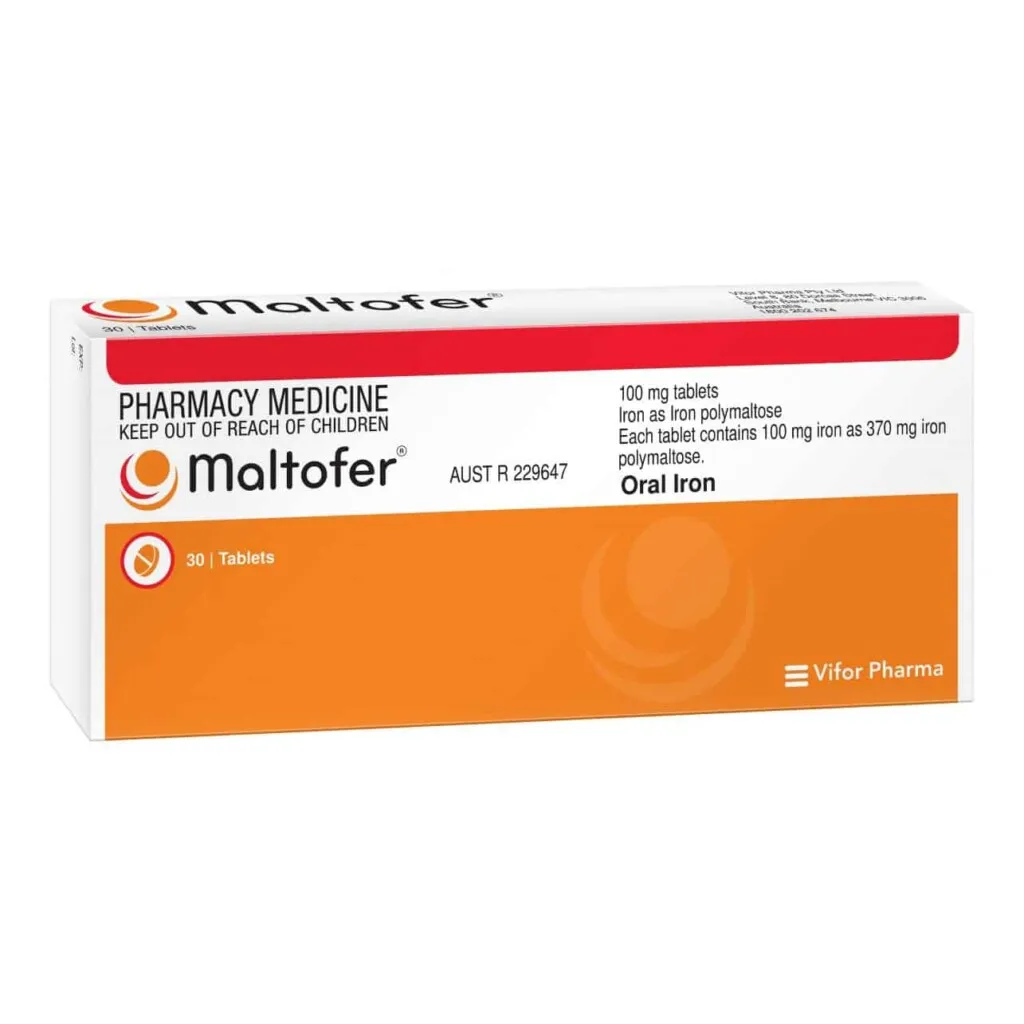
- Adults (Treatment of IDA): Typically 100mg to 200mg (1–2 tablets or 10–20mL of syrup) per day, usually taken with or immediately after food.
- Children: Dosage must be calculated based on body weight, usually 1–3 mg/kg/day, as directed by a pediatrician.
- Prophylaxis: A lower maintenance dose is often sufficient once hemoglobin levels have normalized.
Risks, Side Effects, and Contraindications
Side Effects
While Maltofer is significantly better tolerated than ferrous sulfate, some patients may still experience mild adverse effects.
- Gastrointestinal: Constipation, nausea, or abdominal discomfort are reported much less frequently than with ionic iron.
- Stool Appearance: A dark or black discoloration of the stool is a normal, harmless side effect of iron supplementation.
- Allergic Reactions: Rare reports of hypersensitivity, including skin rashes or pruritus.
Contraindications
Maltofer should not be used in the following circumstances:
1. Iron Overload: Patients with hemochromatosis or hemosiderosis.
2. Anemia Not Caused by Iron Deficiency: Such as hemolytic anemia, megaloblastic anemia (B12/folate deficiency), or thalassemia.
3. Hypersensitivity: Known allergy to iron polymaltose or any excipients in the formulation.
4. Repeated Blood Transfusions: Where iron stores are already adequate.
Drug Interactions
- Tetracyclines/Quinolones: While IPC is more stable, it is still recommended to space doses of iron and antibiotics by at least 2–3 hours to ensure maximum absorption.
- Antacids: Calcium, magnesium, and aluminum-containing antacids can reduce the absorption of iron.
Pregnancy and Lactation
Maltofer is widely considered a first-line treatment for iron deficiency during pregnancy.
* Pregnancy: Iron requirements increase significantly during the second and third trimesters. Maltofer provides a safe way to meet these requirements without the severe nausea often associated with traditional iron salts, which can exacerbate "morning sickness."
* Lactation: Iron is excreted in breast milk, but Maltofer does not negatively affect the nursing infant. It is safe for use during breastfeeding to replenish maternal stores.
Overdose Management
Acute iron poisoning is a medical emergency. While the non-ionic nature of Maltofer makes it safer than ferrous sulfate, excessive intake can still result in toxicity.
- Symptoms: Nausea, vomiting, abdominal pain, diarrhea, and in severe cases, metabolic acidosis or shock.
- Management:
- Immediate Medical Attention: Seek emergency care if a large overdose is suspected.
- Decontamination: Gastric lavage or the use of activated charcoal may be considered if ingestion occurred within 1–2 hours.
- Chelation Therapy: In cases of severe systemic toxicity, deferoxamine may be required to bind excess iron.
Frequently Asked Questions (FAQ)
1. How is Maltofer different from ferrous sulfate?
Maltofer contains iron in a non-ionic polymaltose complex. Ferrous sulfate contains ionic iron, which is more likely to cause stomach irritation, metallic taste, and oxidative stress in the gut.
2. Should I take Maltofer with food?
Yes, unlike traditional iron supplements that are best taken on an empty stomach, Maltofer can be taken with food. This significantly improves patient compliance.
3. Will Maltofer stain my teeth?
The syrup form can occasionally cause temporary staining of the teeth. It is recommended to rinse the mouth or brush teeth after taking the syrup to minimize this.
4. How long does it take to see results?
While some improvement in energy levels may occur within weeks, it often takes 3–6 months to fully replenish iron stores (ferritin) in the body.
5. Can I take Maltofer while taking other medications?
In general, yes. However, it is prudent to separate doses of iron by at least 2 hours from antibiotics or antacids to ensure full absorption.
6. Is Maltofer suitable for children?
Yes, Maltofer is available in a syrup or drop format, making it suitable for children, provided the dosage is strictly calculated by a healthcare professional.
7. Does Maltofer cause constipation?
Clinical studies show a significantly lower incidence of constipation with Maltofer compared to ferrous salts. However, individual responses can vary.
8. Is it safe for patients with sensitive stomachs?
Yes, Maltofer is specifically recommended for patients who have previously experienced GI side effects with other iron supplements.
9. What should I do if I miss a dose?
Take the missed dose as soon as you remember, unless it is nearly time for your next dose. Do not double the dose to make up for the missed one.
10. Do I need a prescription for Maltofer?
Availability varies by country. In many regions, it is available over the counter, but it should always be taken under the guidance of a physician to ensure the underlying cause of anemia is diagnosed.
Conclusion
Maltofer represents a significant advancement in the management of iron deficiency. By utilizing a non-ionic iron polymaltose complex, it bridges the gap between efficacy and tolerability. For orthopedic patients, pregnant individuals, and those with chronic iron deficiency, it offers a reliable pathway to restoring hemoglobin levels without the burdensome GI side effects associated with legacy iron treatments. Always consult with your primary care physician or orthopedic surgeon to determine if Maltofer is the correct clinical choice for your specific health requirements.
Disclaimer: This guide is for informational purposes only and does not constitute medical advice. Always seek the advice of your physician or other qualified health provider with any questions you may have regarding a medical condition or treatment.